AMD Hits $1 Trillion on AI Chip Surge
AMD shares surged 9.95% to $611.86 on September 22, briefly crossing $1 trillion market cap as Meta's Muse AI app ignited chip demand bets.
Key Points
- AMD shares jumped 9.95% to $611.86 on September 22, briefly pushing its market capitalization above $1 trillion for the first time.
- Meta's Muse AI app hitting No. 1 on the U.S. App Store ignited fresh bets that the AI agent wave will accelerate demand for Instinct accelerators and EPYC server processors.
- Watch the $611.86 close as a critical support level — a sustained hold above analyst consensus of $616.51 would confirm the breakout and open the door to fresh institutional accumulation.
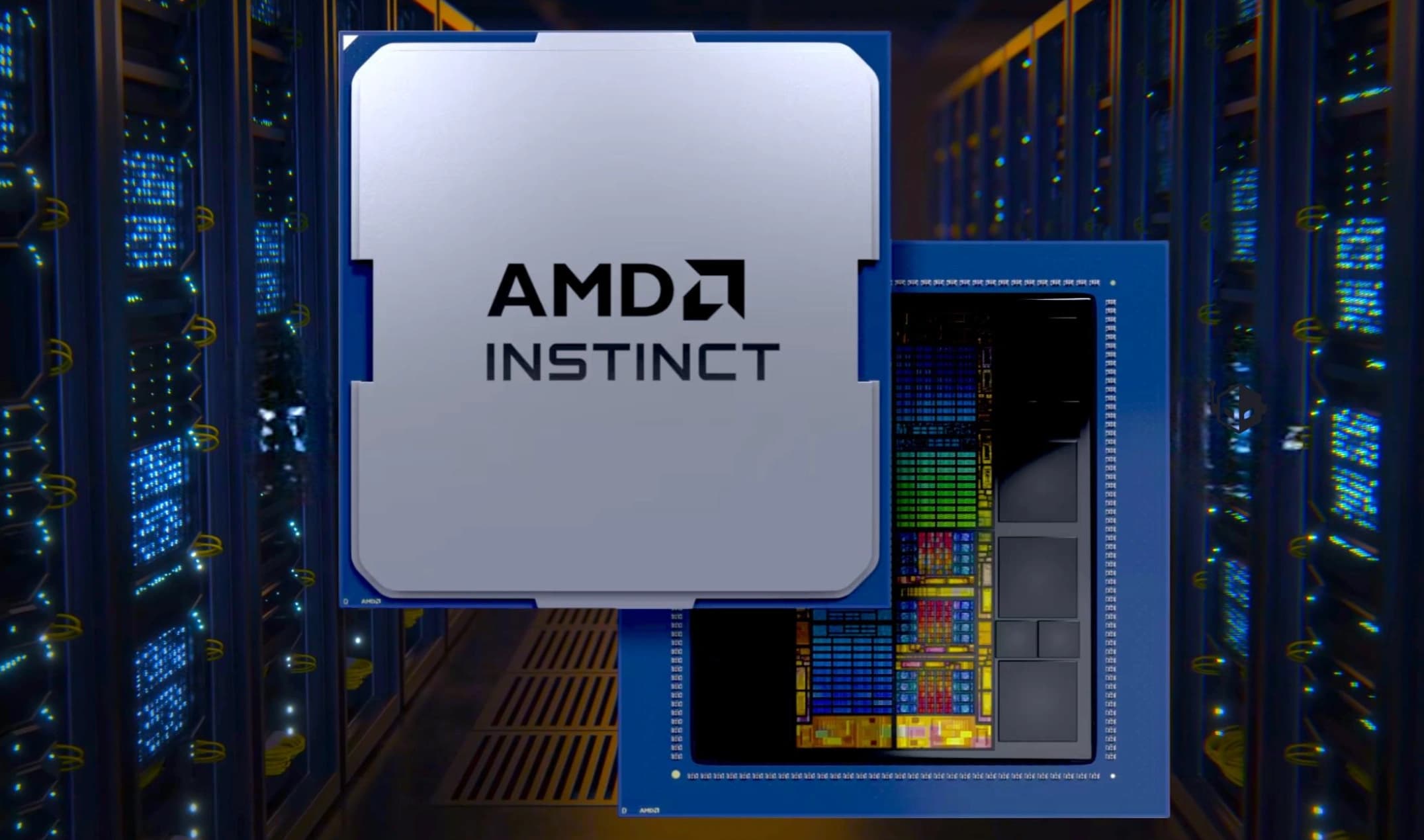
AMD closed at $611.86 on September 22, up 9.95% in a single session, briefly crossing the $1 trillion market-cap threshold — a milestone only a handful of companies have ever reached. The catalyst was not a product launch or an earnings beat. It was a free iPhone app.
The Spark Behind the Surge
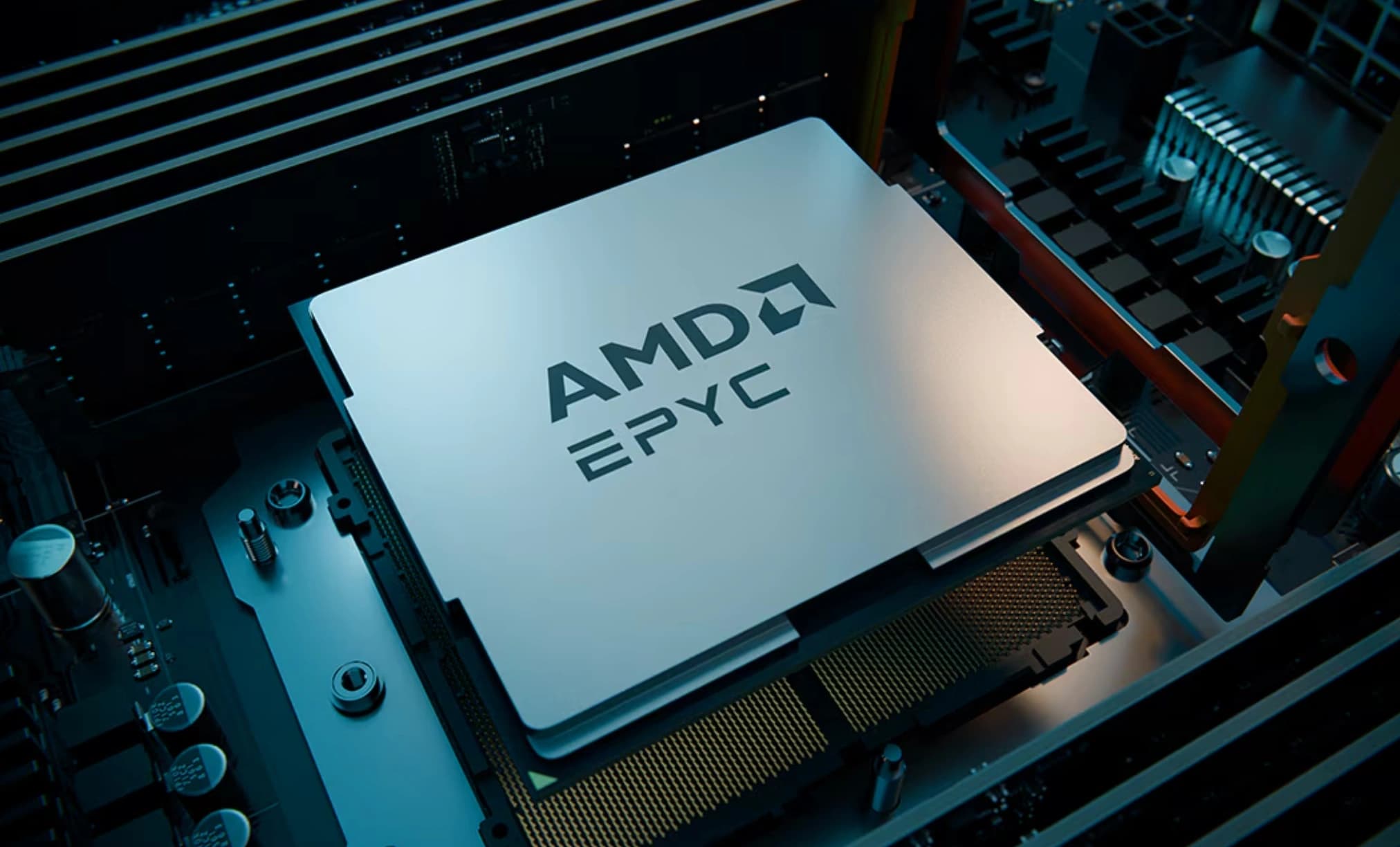
Meta's Muse AI app topped the U.S. free iPhone app chart on September 21–22, and the market drew an immediate and aggressive inference: AI agents going mainstream means compute demand is about to accelerate in ways that were still theoretical six months ago. AMD's Instinct AI accelerators and EPYC server CPUs are squarely in the path of that spending wave, and traders positioned accordingly with volume that sent AMD up roughly 10% in a single regular session — the kind of move you typically associate with a blowout earnings print, not a competitor's app store ranking.
The coattail effect was swift and significant. Intel and Arm Holdings both surged more than 11% in sympathy, confirming that the market is pricing this as a structural demand shift for the entire server processor ecosystem, not a company-specific event. When a catalyst lifts three competing chip architectures simultaneously by double digits, it signals institutional conviction, not retail momentum chasing. The breadth of the move matters as much as AMD's headline number.
What makes Tuesday's session particularly notable is that AMD didn't need the narrative boost. The company's fundamental setup heading into September 22 was already as strong as it has been at any point in its history. Q2 revenue hit $11.54 billion, a 50% year-over-year increase, and management guided Q3 to approximately $13 billion — the midpoint implying 41% annual growth and roughly 13% sequential acceleration. Non-GAAP gross margin guidance of 56% for Q3 reflects a product mix increasingly skewed toward high-margin AI accelerators rather than consumer GPUs, where pricing pressure has been a persistent drag for years.
Lisa Su's 2027 Signal
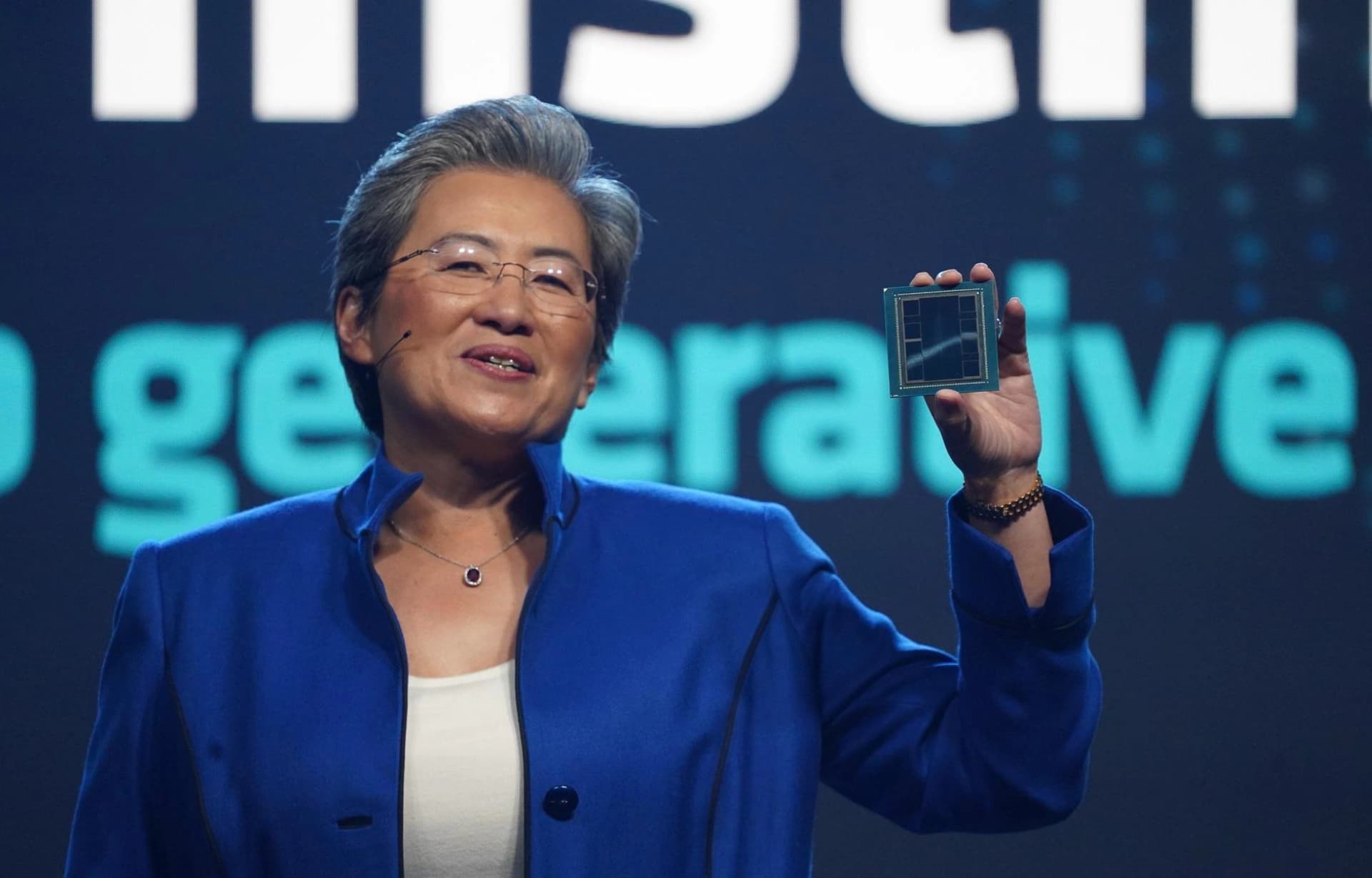
The more consequential disclosure may not be the Q3 guide but what CEO Lisa Su said about 2027. She flagged that AMD now expects data center segment revenue to more than double year-over-year in the coming fiscal year — a statement that implies AMD's data center business, which was already running at a pace well above $10 billion annually, could approach or exceed $20 billion in 2027 alone. She also indicated the company expects to "significantly exceed" its $20 annual EPS target, a number that had itself been considered ambitious when it was first introduced.
That guidance language matters in the current environment because it extends the investment thesis well beyond the near-term quarter, giving institutional buyers a multi-year framework to justify accumulation at elevated prices. A stock trading at roughly $611 per share on a $20-plus EPS trajectory puts AMD at a forward P/E that is aggressive but not disconnected from other large-cap AI infrastructure plays. The sell-side consensus reflects that comfort: AMD carries 4 Strong Buy and 39 Buy ratings against 11 Hold and zero Sell recommendations, with an analyst consensus price target of $616.51 — essentially right at Tuesday's close, which means the move has closed the gap to consensus in a single session and will almost certainly force a round of upward target revisions this week.
The structural argument for AMD beyond 2026 centers on diversification that Nvidia does not currently offer at scale. While Nvidia dominates GPU-based AI training workloads, AMD's EPYC processors are gaining ground in hyperscaler CPU deployments, and the Instinct MI300 series has demonstrated competitive inference performance. As AI workloads shift from training-heavy to inference-heavy — a transition that most analysts believe is already underway — AMD's architecture becomes more relevant, not less. The company's ability to supply both the CPU and the AI accelerator for a single rack gives it a bundled sales advantage that is only beginning to show up in revenue mix.
What Traders Watch Next
The immediate technical question is whether $611.86 holds as a base or acts as a temporary exhaustion level. A 10% single-session move of this magnitude almost always invites near-term profit-taking, particularly from traders who were long into the catalyst and are now sitting on substantial gains. The more durable signal to monitor is whether AMD can close above the $616.51 analyst consensus target in the sessions ahead — a sustained hold there would force sell-side target revisions upward and create a self-reinforcing cycle of institutional inflow.
Quarter-end dynamics add another layer of complexity. Window-dressing activity through the end of September — when fund managers adjust portfolios before sending quarterly statements to clients — tends to amplify moves in momentum names, both on the upside and the downside. AMD, having just delivered one of the most dramatic single-session moves of the year in a mega-cap name, is exactly the kind of stock that will attract both types of flows: growth managers adding exposure to show ownership of a trillion-dollar winner, and traders using the liquidity to take profits into a high-volume close.
The next hard catalyst for AMD is the Q3 earnings report, which will land in late October 2026. With Q3 guidance set at $13 billion in revenue and non-GAAP gross margin of 56%, the bar is specific and publicly stated. Any revenue beat above the $13.3 billion upper end of guidance, combined with a data center segment update that tracks toward Lisa Su's 2027 doubling forecast, would validate Tuesday's breakout as the beginning of a new leg higher rather than a sentiment-driven overshoot. Watch the $580 level as the first meaningful technical support on any pullback — a failure to hold there before October earnings would warrant reassessment of the breakout's durability.
The Weekly Investor
Daily market analysis for active traders. Free.