TSMC's Packaging Move Threatens Intel's Last Moat
TSMC is developing advanced chip packaging technology that could eliminate Intel's final competitive edge. Here's what traders need to know now.
Key Points
- TSMC, which controls 72% of the global chip foundry market, is developing advanced packaging technology that directly targets Intel's remaining competitive differentiation in that segment.
- Simultaneously, the regulatory environment around AI chip supply chains and Big Tech deals is tightening, with Senate pressure on the FTC and DOJ to block or reverse Meta's $14.3B Scale AI investment and Google's $2.4B Windsurf licensing deal.
- Traders holding INTC into year-end need a clear-eyed read on both threats: TSMC's technical encroachment and the regulatory overhang now shadowing every major AI infrastructure deal.
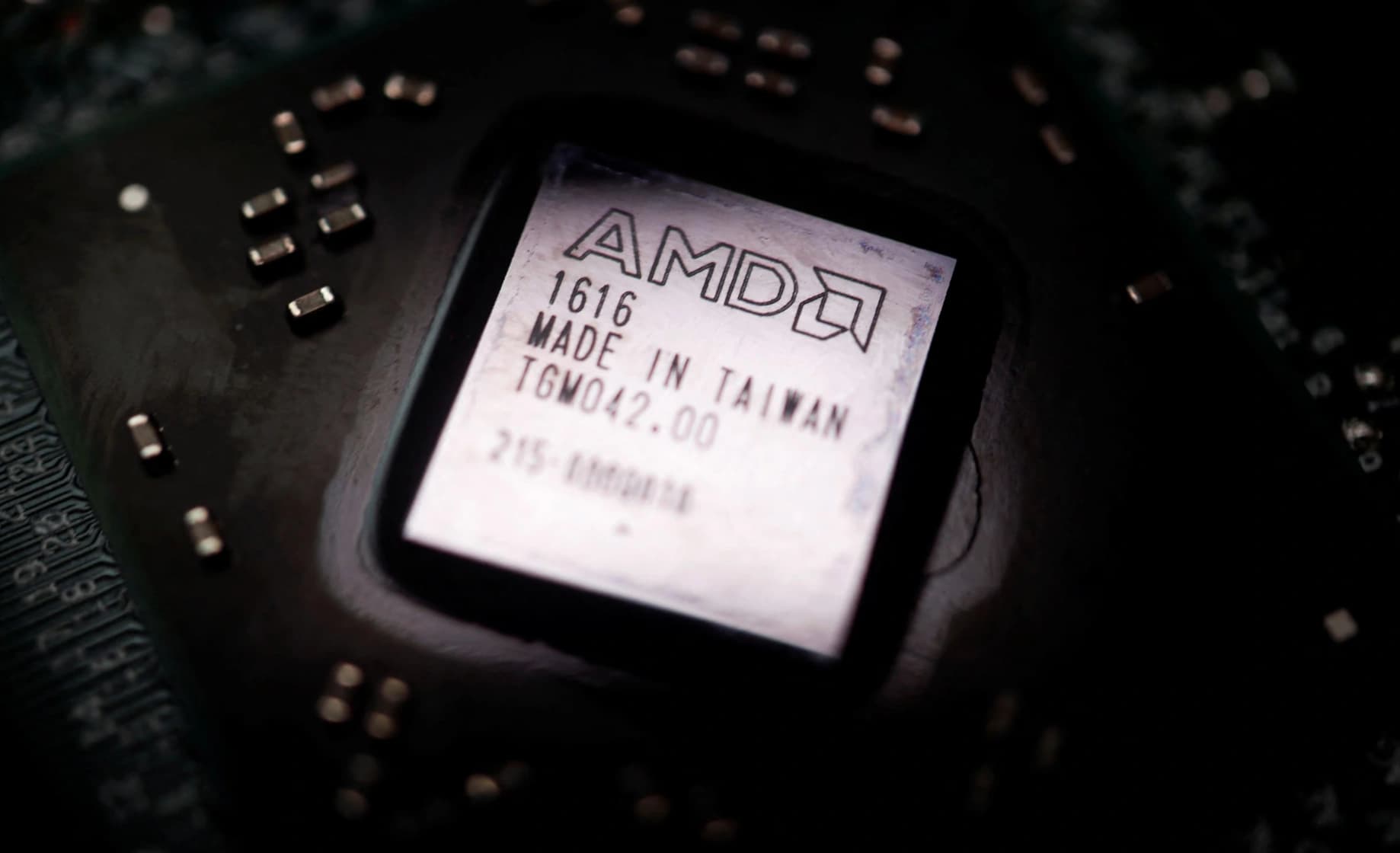
TSMC is quietly building the weapon that could eliminate Intel's last defensible position. The Taiwan Semiconductor Manufacturing Company — which already controls 72% of the global chip foundry market — is reportedly developing an advanced chip packaging technology that would directly encroach on one of Intel's few remaining areas of competitive advantage, according to reporting cited by Yahoo Finance. Intel gained 10.84% on Tuesday, but traders need to separate Tuesday's relief rally from the structural pressure building underneath it.
TSMC's Technical Encroachment
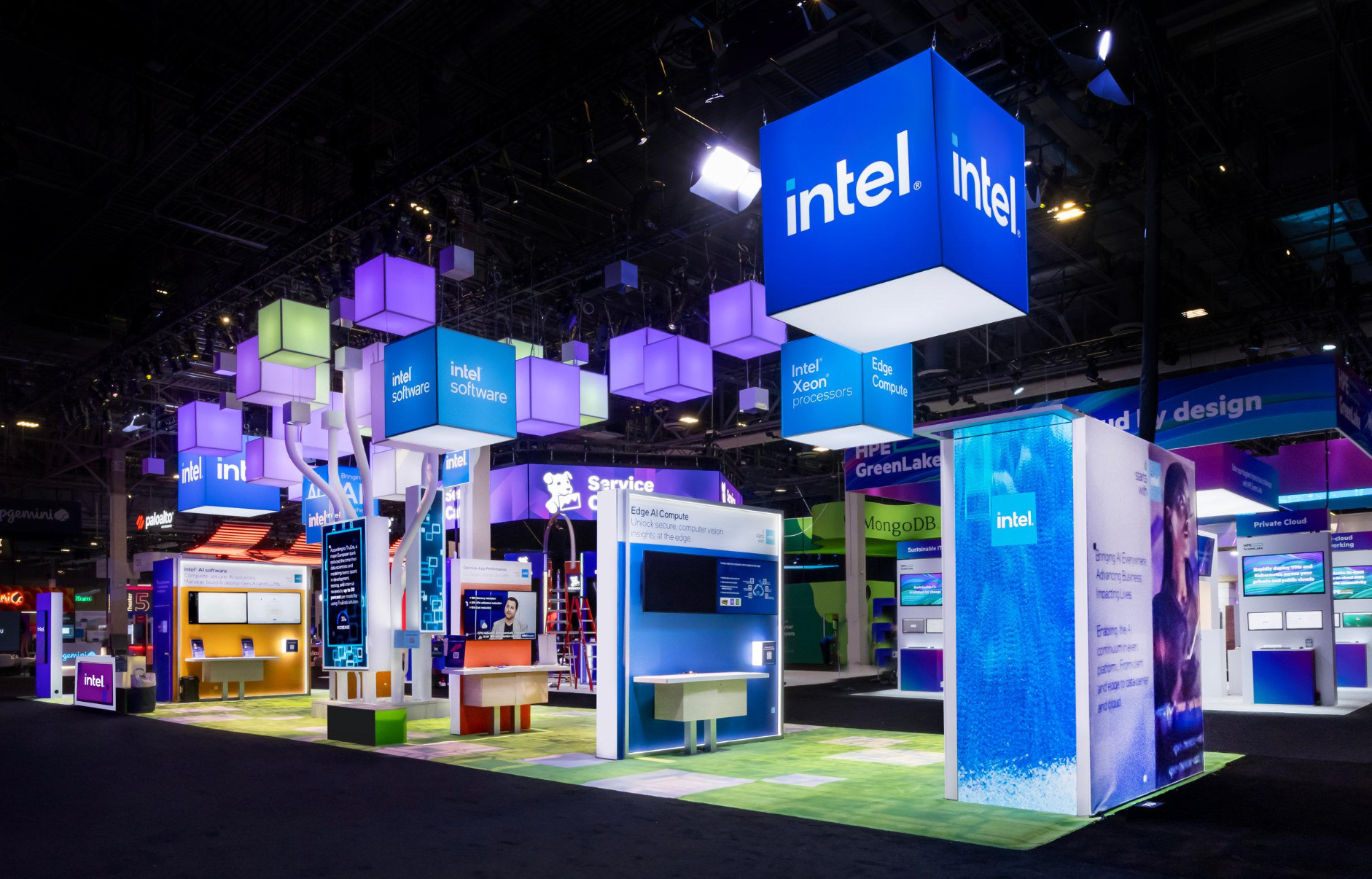
Advanced packaging has been Intel's survival strategy. As the company lost ground in leading-edge chip fabrication to TSMC and Samsung, it leaned into packaging — specifically its Foveros and EMIB technologies — as a differentiator that could keep it relevant in the AI chip supply chain. The thesis was that even if TSMC manufactured the dies, Intel could capture value by assembling them into complex, high-performance packages. TSMC's reported move into this space directly challenges that logic.
TSMC's ambitions are already operating at a global scale that Intel cannot match. At a shareholder meeting in early June, TSMC CEO C.C. Wei acknowledged that U.S. production capacity, while expanding, remains insufficient: "We are working very hard to build production lines in the U.S., but it is still not enough, far from enough." TSMC is simultaneously planning new production sites in Japan and Germany, executing a multi-continent manufacturing expansion that reflects the company's role as the irreplaceable physical backbone of the AI supply chain. In June 2026, TSMC and Amkor Technology formalized a long-term partnership to accelerate advanced packaging specifically within the United States, signaling that the company is not waiting for its fab expansion to be complete before moving on packaging capability.
For Intel, this is an asymmetric fight. TSMC's 72% foundry market share gives it both the volume economics and the customer relationships — Apple, Nvidia, AMD, Qualcomm — to iterate on packaging technology at a speed Intel cannot replicate. Tuesday's INTC move of +10.84% was driven by the broader semiconductor sector's relief rally, not by any Intel-specific fundamental development. The SOX's 6.6% single-session surge lifted all boats. Traders should not confuse beta with alpha when it comes to Intel's positioning against TSMC's technical roadmap.
The Regulatory Wild Card
While the chip industry wrestles with supply chain dynamics, Washington is injecting a separate layer of risk into every major AI deal. Senators Elizabeth Warren, Ron Wyden, and Richard Blumenthal have formally called on the FTC and DOJ to scrutinize and potentially block or reverse AI deals from Nvidia, Meta, and Google, characterizing them as antitrust violations. The deals under the microscope are specific and large: Meta's $14.3 billion investment in Scale AI — structured to bring in CEO Alexandr Wang — and Google's $2.4 billion nonexclusive licensing agreement with Windsurf, which extracted key leadership from the AI coding startup.
These are not routine regulatory inquiries. The framing from Warren's office targets what regulators are calling "acqui-hires" — deals designed to absorb AI talent and technology at a scale that forecloses competition without triggering conventional merger review thresholds. The concern is structural: if the largest technology companies can simply buy their way to AI dominance through billion-dollar talent extractions, the competitive market for AI development effectively closes before it matures. The FTC and DOJ's response to this Senate pressure will define the legal architecture of AI dealmaking for years. Any enforcement action against the Scale AI or Windsurf deals would immediately reprice risk across the entire category of AI investment structures.
Microsoft faces its own regulatory exposure. The Trump administration's FTC has reportedly advanced a broad antitrust probe into Microsoft that was initiated under Biden, targeting the company's cloud, AI, and software businesses simultaneously. The breadth of that investigation — spanning Azure, Copilot integrations, and enterprise software bundling — means Microsoft cannot easily resolve it through a single remediation. A simultaneous probe into Amazon is also advancing, with a district court allowing an FTC and multi-state suit alleging Amazon favored paid results and operated a pricing algorithm codenamed "Nessie" that allegedly boosted profits by hundreds of millions of dollars annually while suppressing gross sales.
What Traders Watch Next
The state-level data center regulatory risk is the most underpriced variable in the AI infrastructure trade right now. Baird analyst Mircea Dobre flagged the New York State moratorium on data center construction as the leading edge of a broader trend toward local and state regulatory action targeting data center buildout. Dobre cut Caterpillar to Hold and slashed his price target to $900 from $1,200 specifically on those grounds — a $300 price target reduction on a single regulatory concern. CAT surged 10% Tuesday on AI data center demand, but if state-level moratoriums proliferate, the physical construction pipeline feeding that demand faces a structural constraint that no amount of hyperscaler capex commitment can override.
For TSMC specifically, the Amkor partnership is the near-term catalyst to monitor. Advanced packaging capacity coming online in the United States — tied to TSMC's existing Arizona fab expansion — would simultaneously satisfy domestic content requirements, reduce geopolitical supply chain risk for U.S. customers, and extend TSMC's competitive reach into Intel's last stronghold. Watch TSM's U.S. fab progress updates alongside any INTC packaging technology announcements in Q3 for the clearest read on whether Intel's moat holds. The specific trigger: any formal TSMC announcement of a packaging technology entering commercial production would likely prompt immediate downward pressure on INTC, independent of broader sector direction. The August 26 NVDA earnings report will also clarify how much of the AI chip demand surge flows through TSMC's advanced nodes versus alternatives — a data point that will directly inform TSM's pricing power heading into 2027.
The Weekly Investor
Daily market analysis for active traders. Free.