TSMC Posts 53% Revenue Surge — Semis Sell Off Anyway
TSMC August revenue hit $16.35B, up 53.3% YoY. Yet NVDA, AMD, and INTC are all falling. Here's what the divergence means before NVIDIA reports.
Key Points
- TSMC reported August 2026 revenue of T$514.8 billion ($16.35 billion), a 53.3% year-over-year increase, the strongest monthly figure in the company's history.
- Nvidia fell more than 1%, AMD dropped 2.7%, and Intel slid 4% in pre-market trading despite the record revenue print — the selloff is pre-earnings positioning ahead of NVDA's imminent Q2 FY2027 report, not a demand signal.
- Commerce Secretary Lutnick's flagging of forthcoming semiconductor tariffs is the unpriced wildcard that could invalidate the consensus bull case regardless of what NVIDIA reports.
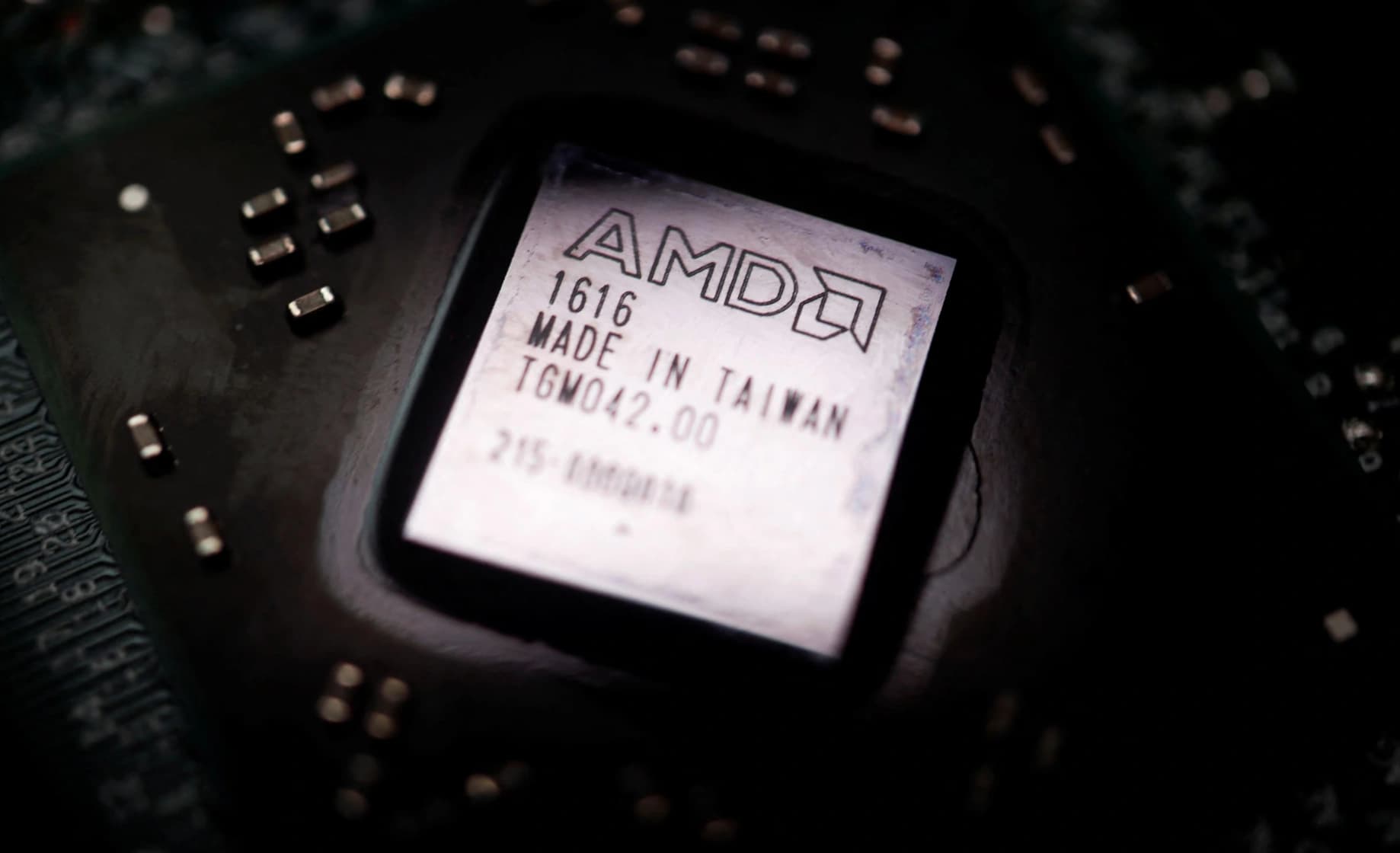
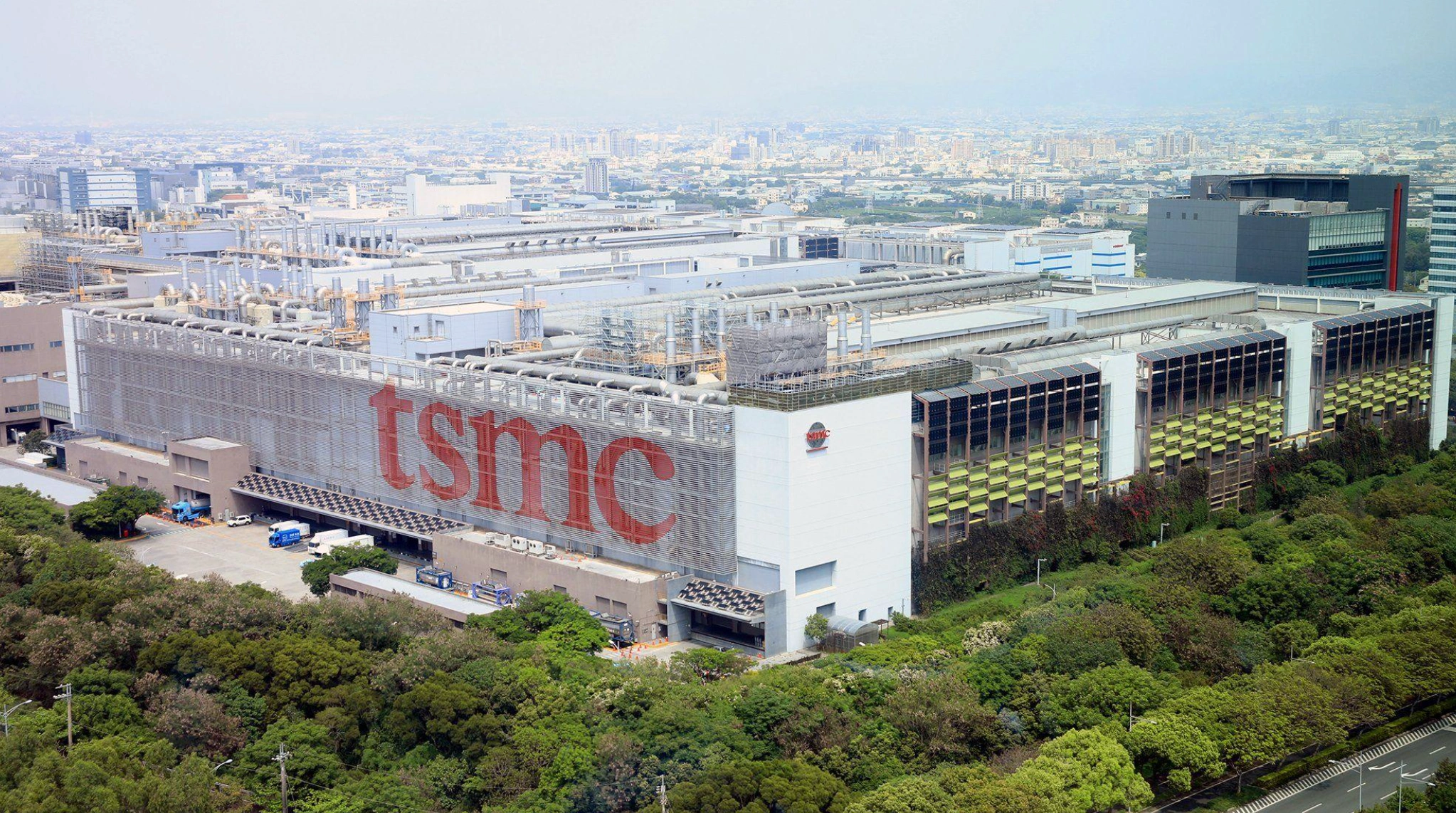
TSMC printed its largest monthly revenue figure on record Thursday — T$514.8 billion ($16.35 billion) for August 2026, up 53.3% year over year — and the semiconductor sector sold off. Nvidia fell more than 1% in pre-market trading. AMD dropped 2.7%. Intel cratered 4%. TSMC itself slid 0.5%. The divergence between the most bullish foundry revenue number in history and a sector-wide selloff is not a contradiction; it is the clearest signal the market has sent this week about what is actually driving chip stocks right now, and it has nothing to do with August revenue.
The Record That Didn't Move the Stocks
TSMC's August number is not a surprise to anyone who has been watching the foundry data monthly — but the magnitude matters. A 53.3% year-over-year surge in monthly revenue, reaching $16.35 billion in a single month, confirms that the AI infrastructure buildout driving demand for advanced logic chips is not slowing. TSMC controls 72% of the global chip foundry market and every meaningful AI chip — Nvidia's Hopper and Blackwell GPUs, Broadcom's custom ASICs, AMD's MI-series accelerators — runs through its fabs. Its 3nm node is in high-volume production and the 2nm ramp is underway, giving it a structural lead that no competitor replicates in the next 18 months.
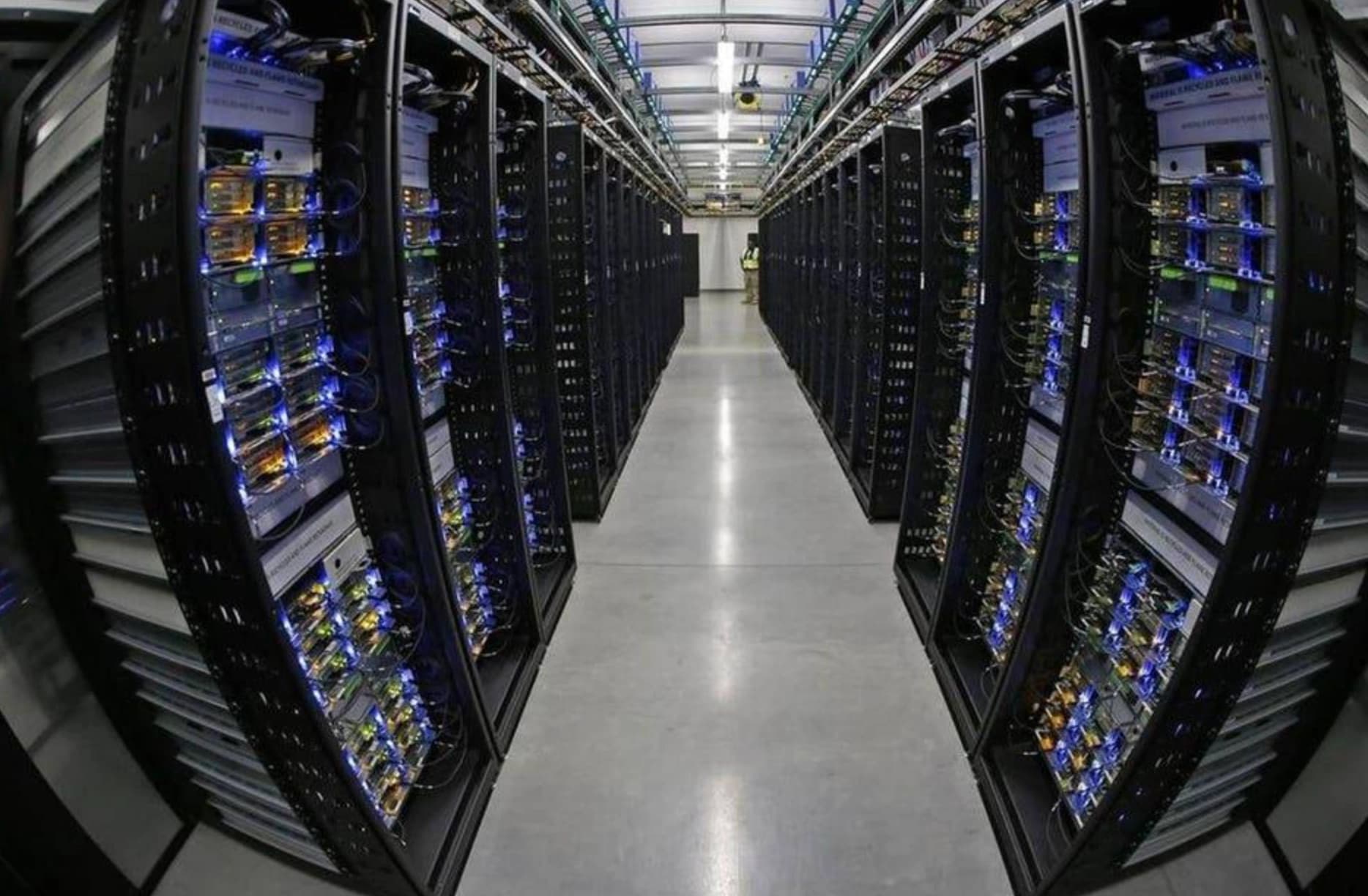
For context on how large this number is relative to the broader industry: from April 2025 to April 2026, global semiconductor sales rose 93.9%, from $56.9 billion to $110.5 billion per month, according to the Semiconductor Industry Association. TSMC's single-month August figure of $16.35 billion represents roughly 15% of that total monthly global market — from one company, in one month. The demand signal embedded in that number is unambiguously positive. The UNECE's warning that AI data-center electricity load could nearly double by 2030 to around 3% of global demand, with capital spending rising from roughly $800 billion per year in 2026 to $1.8 trillion per year by 2050, supports a multi-year demand picture that TSMC's August revenue is simply reflecting in real time.
Why the Sector Is Selling Off Anyway
The selling is tactical, not fundamental, and it is concentrated in names with the highest beta to NVIDIA's upcoming earnings print. NVDA's Q2 FY2027 results are the gravitational center for the entire chip complex right now, and the pre-market moves in AMD, Intel, and Broadcom are risk reduction ahead of a binary event — not sector rotation or demand concern. Intel's 4% slide is the most instructive because there is no Intel-specific catalyst driving it today. The move is pure portfolio trimming across the group by managers who don't want full exposure into an event that could reprice every multiple in the sector in either direction within 48 hours.
Nvidia carries the highest analyst upside of the group at 44.99% on consensus price targets, and the stock is up 14.1% year to date after a slow first quarter of 2026. That combination — meaningful YTD gains, stretched analyst targets, and an imminent binary earnings event — creates exactly the positioning dynamic visible in today's pre-market data. Traders who are long AMD and INTC as NVDA proxies are reducing those positions before the print. The selling pressure has nothing to do with whether TSMC's 53% revenue surge is credible; it is entirely about managing the risk that NVDA's print disappoints and takes the whole complex down 5–8% in a session. AMD at $454.36 pre-market and Intel at $85.98 are both priced for a world in which NVDA's data center revenue continues to accelerate. If it doesn't, those levels don't hold.
The Two Events That Change the Trade
The most immediately actionable item in the TSM data is the dividend: TSM announced a cash dividend of $1.114 with an ex-date of September 16, 2026 — five days from today. Investors who want to capture the dividend on a stock that is down 0.5% on a day when its own revenue set a record need to be positioned by the close of September 15. At current prices, that $1.114 dividend on a stock trading in the mid-$200s is a modest yield capture, but the combination of a record revenue print, an ex-dividend date in five days, and a post-NVDA earnings relief rally scenario makes the TSM setup more interesting than the broader selloff suggests.
The second event is the tariff variable, and it is the one that the consensus bull case is not adequately pricing. Commerce Secretary Lutnick flagged semiconductor tariffs as forthcoming with no confirmed implementation date. Every AI chip in the Nvidia supply chain — fabbed at TSMC in Taiwan, packaged and tested across Asia, and sold into U.S. data centers — passes through the trade policy crosshairs if those tariffs materialize. The Microsoft antitrust probe, California's new AI auditor compliance requirements, and the FTC/DOJ inquiry into AI collaborations all represent regulatory friction being applied to the AI infrastructure stack simultaneously. None of them individually derails the TSMC demand picture that August's $16.35 billion revenue confirms. Together, they are an unpriced tail risk that traders running full-size AI chip positions should be hedging into the NVDA print, not adding to. The specific level to watch: if NVDA reports and guides above the consensus data-center revenue estimate, the sector recovers sharply, TSM reclaims its pre-market losses, and the tariff overhang becomes the next catalyst to fade. If NVDA disappoints, the August TSMC revenue number becomes a lagging indicator that nobody cares about, and the 53% surge gets filed away until the next quarterly setup.
The Weekly Investor
Daily market analysis for active traders. Free.