FOMC Day One: Three Hawks, One Hold, Zero Margin for Error
The September FOMC meeting opens today with three dissenters pushing for hikes, Brent at $89.70, and tomorrow's dot plot set to move markets.
Key Points
- Three FOMC members — Hammack, Kashkari, and Logan — dissented at July's meeting in favor of a 25bp rate hike, the loudest hawkish signal from the committee in years.
- Brent crude near $89.70/barrel, August payrolls at 162,000, and inflation still above the 2% target have given that hawk faction fresh ammunition heading into today's deliberations.
- Tomorrow's dot plot is the decisive output — if the median 2026 dot shifts above 3.75%, expect an immediate repricing of rate expectations across the front end of the curve.
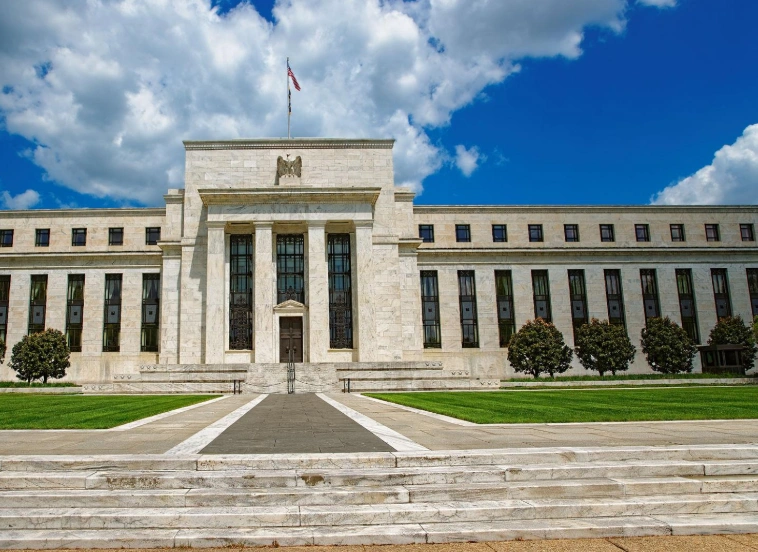
Three Federal Reserve dissenters walked into today's FOMC meeting wanting a rate hike. The rest of the committee held them off in July, keeping the federal funds rate at 3.50%–3.75% — but the data since then has not made the doves' case easier. With Brent crude at $89.70, August payrolls printing 162,000, and core inflation still sitting above the Fed's 2% target, the hawks arrive at 20th Street today with more evidence, not less. The rate decision drops tomorrow at 2:00 PM ET. The dot plot drops with it.
The Dissent That Won't Go Away
When the Federal Reserve released its July 29 statement, the headline was a hold. The story was the dissents. Beth M. Hammack, Neel Kashkari, and Lorie K. Logan — three voting members — each broke from the majority to push for an immediate 25 basis point hike. Three dissenters on a single policy vote is a rare occurrence at the Fed. It is not a curiosity. It is a threat to the consensus that Chair Powell has worked to maintain.
What made those three dissenters credible rather than simply loud was the underlying data supporting their position. The July statement acknowledged that inflation remained "elevated relative to the 2% goal, in part reflecting supply shocks... including energy." That phrasing was doing a lot of work. It was the committee's way of signaling that the inflation miss was not entirely self-inflicted — that geopolitical forces, specifically the Iran conflict's effect on energy markets, were contributing to price pressure. But for Hammack, Kashkari, and Logan, the source of inflation was beside the point. The mandate is price stability. The readings are not there.
Since July, nothing has materially changed their argument. The August payroll number — 162,000 jobs added — came in firm enough to eliminate any near-term urgency to cut rates but not so strong as to force an immediate hike. The CPI data released Friday, September 11 remained above target. And Brent crude, hovering near $89.70 per barrel, is not retreating. Energy costs feed directly into headline CPI and indirectly into core through transportation, manufacturing inputs, and services. The hawks have a live data stream running their direction.
What the Dot Plot Actually Decides
The September meeting is a Summary of Economic Projections meeting — meaning the committee will release updated forecasts for GDP growth, unemployment, inflation, and the federal funds rate path. The dot plot is the market-moving instrument inside that package. Each dot represents one committee member's projection for where the funds rate should end the calendar year. In June's dot plot, the median 2026 dot sat consistent with a hold at current levels. What traders need to determine tonight, before tomorrow's 2:00 PM release, is whether that median has shifted.
The current target range is 3.50%–3.75%. If three members were already voting to hike in July, and those members have not changed their minds — which there is no evidence they have — then those three dots already sit at 3.75%–4.00% or higher. The question is whether additional members have migrated toward that camp in the six weeks since. It takes only one or two additional converts to shift the median dot above the current target range. A median dot at or above 3.875% would represent the most significant hawkish surprise the market has absorbed since the tightening cycle of 2022–2023.
Wells Fargo's analysts flagged this setup precisely: the Fed "may be moving towards rate hikes, but for now remains on pause," with price stability remaining "key" and the committee "inclined to increase rates later this year" absent improvements in core inflation. The word "inclined" is doing meaningful work in that sentence. It is not a prediction. It is a direction of travel. The dot plot tomorrow translates that inclination into a number.
What Traders Watch Next
The 10-year Treasury yield is the instrument that will price tomorrow's decision fastest. If the median dot shifts hawkish — above 3.75% on the 2026 projection — expect the front end of the curve to bear-flatten immediately, with the 2-year yield moving harder than the 10-year as markets reprice the near-term rate path. The dollar index should catch a bid. Rate-sensitive equities — utilities, REITs, long-duration growth — will face immediate selling pressure.
The Empire State Manufacturing Index, released at 8:30 AM ET this morning, provided the first hard manufacturing read of the fall season. August's general business conditions index printed 20.6, a more-than-four-year high, reflecting broad strength in new orders and shipments in New York State. If September's reading holds near or above that level, it gives the hawks one more data point: the economy is not slowing fast enough to justify standing pat while inflation remains above target. A strong Empire State print alongside sticky inflation and firm payrolls is the exact combination that validates the Hammack-Kashkari-Logan position.
The New York Fed's Empire State survey has historically served as an early directional signal for broader ISM manufacturing data, and this September read lands at the worst possible moment for the doves — right as the committee is finalizing its vote. Beyond the dot plot itself, traders should watch Chair Powell's press conference tomorrow for any explicit acknowledgment that additional hikes remain "on the table" as a baseline scenario rather than a tail risk. That phrasing shift — from tail risk to baseline — would be the real signal. The specific level to watch on the 2-year Treasury yield is 4.25%; a break above that on heavy volume tomorrow afternoon would confirm the market is pricing a hike at the November meeting. The next FOMC decision after tomorrow falls on November 4.
---
The Weekly Investor
Daily market analysis for active traders. Free.