Fed Hikes 25bps — First Rate Rise Since 2023
The Fed raised rates 25bps to 3.75%-4.00% on September 16, 2026 — the first hike since 2023. Here's what the dot plot and Warsh signal next.
Key Points
- The FOMC raised the federal funds rate 25 basis points to a 3.75%–4.00% target range on September 16, 2026 — the first hike since 2023 — with futures markets having priced a 93% probability of today's move.
- Headline CPI at 3.4% year-over-year, diesel at $6 a gallon, and August payrolls of 162,000 gave the committee no justification to hold a second consecutive meeting.
- The dot plot released today and Chair Warsh's 1:30 PM ET press conference will determine whether November is live — watch for any clustering of dots above 4.00%.
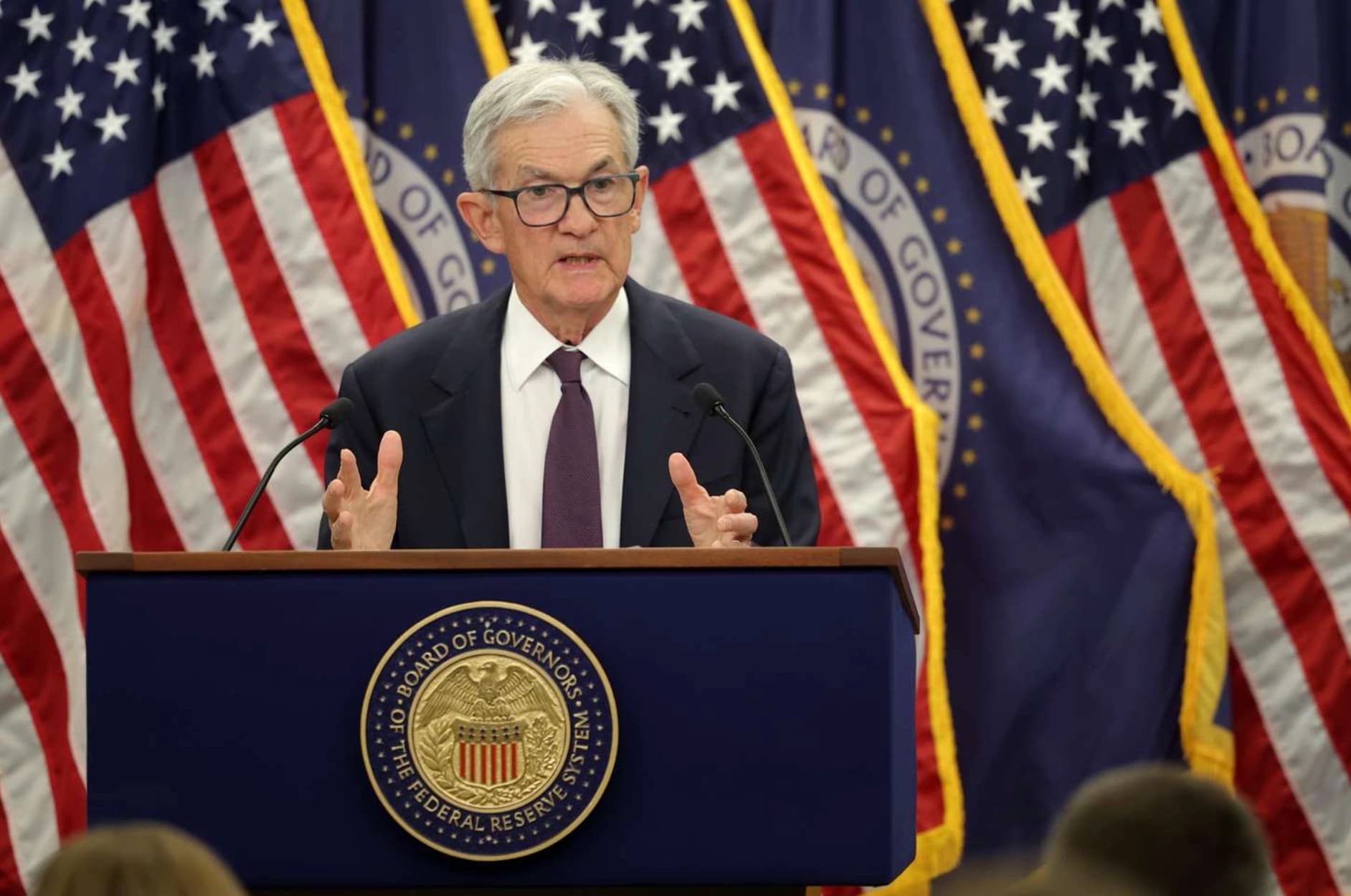
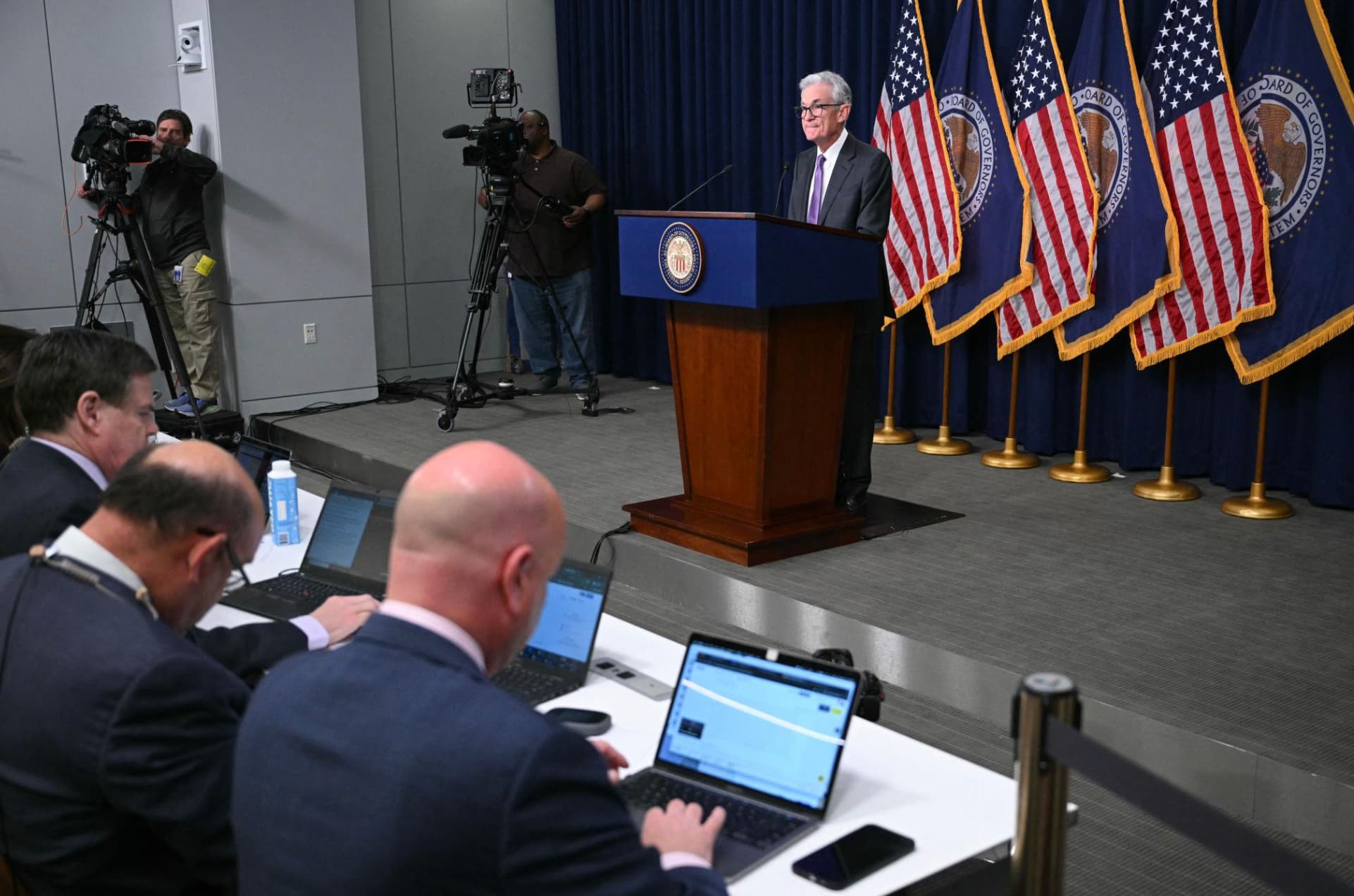
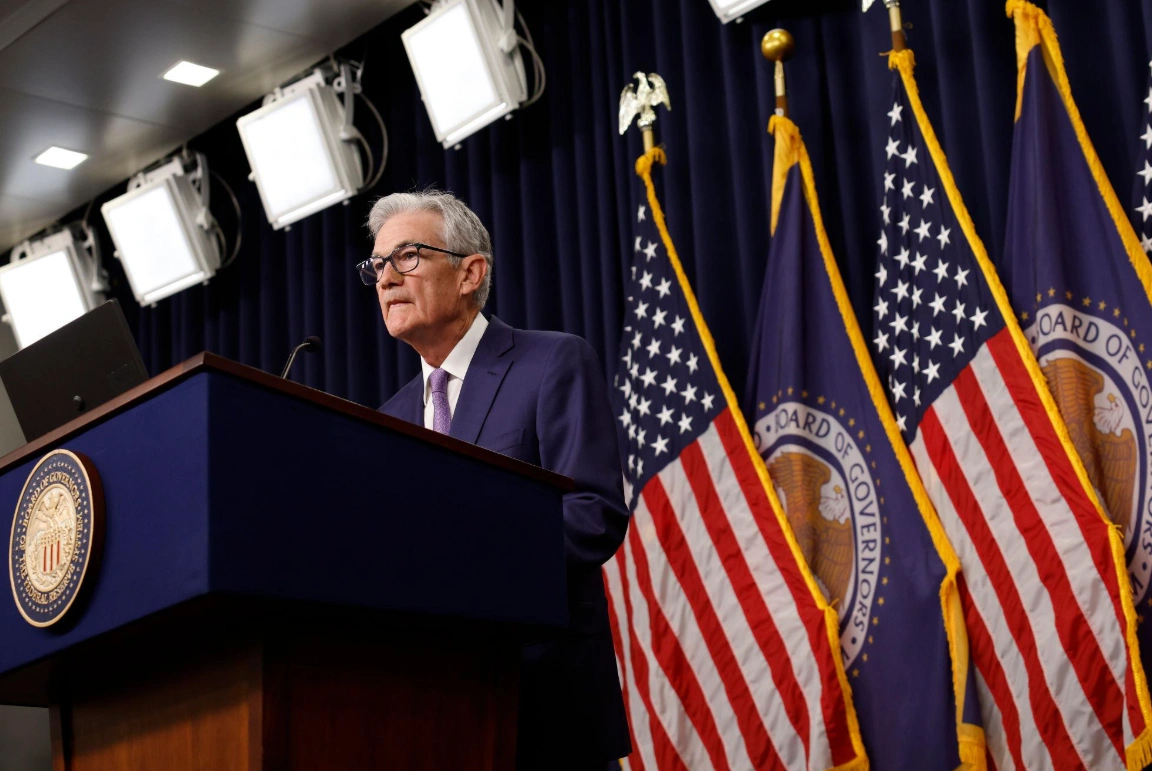
The Federal Open Market Committee raised its benchmark interest rate by 25 basis points to a target range of 3.75%–4.00% Wednesday, ending a pause that stretched back to 2023 and confirming what three dissenting members — Hammack, Kashkari, and Logan — had demanded at the July 29 meeting. The decision was the most anticipated macro event of 2026, and the real action starts now: at 1:30 PM ET, Chair Kevin Warsh takes the podium with an updated dot plot in hand and a market that is desperate to know whether this hike is one-and-done or the opening move in a new tightening cycle.
The Fed's Problem
The arithmetic was never really in doubt. Headline CPI printed 3.4% year-over-year for August, released September 11, while core — which strips food and energy — still ran at 2.4%. Both numbers sit materially above the Fed's 2% mandate, and neither is moving in a direction that gives doves cover. The energy component is the wildcard that won't cooperate: diesel has climbed to $6 a gallon as the conflict with Iran continues to constrain supply with no credible off-ramp visible. Diesel prices transmit into the broader economy through freight costs, agricultural inputs, and manufacturing, which means core inflation's current relative restraint carries an embedded upside risk that the committee cannot ignore.
The labor market handed the hawks their second argument. August nonfarm payrolls came in at 162,000 — not a blowout, but firm enough to confirm that the economy is not buckling under the existing 3.50%–3.75% rate regime. GDP growth for Q2 2026 registered 1.5% annualized, below trend but not recessionary. That combination — inflation well above target, unemployment stable, growth positive — left the three July dissenters in a structurally strong position heading into this meeting. The July 29 FOMC statement explicitly flagged that inflation remained "somewhat elevated" and that future action would depend on incoming data. The August CPI print delivered exactly the data the hawks needed.
What the Dot Plot Actually Shows
The Summary of Economic Projections — released only at the March, June, September, and December meetings — makes today's dot plot the highest-stakes communication tool the Fed has deployed since the last tightening cycle began. Traders are not parsing the 25-basis-point hike; that was priced at 93% probability before the announcement. The live question is how many voting members see rates above 4.00% by year-end, and whether the median 2026 projection has shifted from the June dot that most participants read as a hold through December.
If the median dot for year-end 2026 lands at 4.00%, the committee is signaling this hike is the cycle's peak — a conditional pause dressed in hawkish language. If the median lands at 4.25%, November is fully live and the bond market will need to reprice the entire front end immediately. The two-year Treasury yield is the instrument most sensitive to this distinction. Any dot plot showing a cluster above 4.00% will hit TLT hard, extend the dollar's bid, and pressure rate-sensitive equities — particularly in real estate and utilities — within minutes of the 2:00 PM ET release. Warsh's Jackson Hole remarks on August 28 already signaled that he views accommodation as premature given the energy-driven inflation backdrop, which tilts the risk asymmetry toward a hawkish dot configuration rather than a dovish one.
The composition of the committee matters here. At the July meeting, the vote was 9–3 for a hold, with Hammack, Kashkari, and Logan all preferring an immediate hike. Those three dissenters are now vindicated, and their willingness to dissent publicly signals a committee where the hawks are not shy about registering their views in the projections as well. Expect their individual dots to sit at or above 4.25% for year-end.
What Traders Watch Next
Warsh's press conference at 1:30 PM ET is where the narrative gets written. The chair has two choices: frame today's hike as a recalibration in response to specific data — language that preserves optionality and keeps November ambiguous — or lean into the persistence of inflation and signal that the committee's bias remains tilted toward additional restraint. His Jackson Hole posture, which explicitly cautioned against declaring victory on inflation, suggests the latter framing is more likely. Watch for whether he uses the phrase "data dependent" as cover for a pause or pairs it with language about the "balance of risks" remaining tilted to the upside on inflation — the latter is the tell that November is genuinely in play.
The retail sales print for August, released this morning at 8:30 AM ET, is the other live variable shaping how markets absorb the Fed's decision. Consensus had the headline figure at +0.8%, a sharp reversal from the prior -0.6% decline. Core retail sales ex-autos were forecast at +0.5% versus a prior -0.3%. A print at or above consensus reinforces the consumer resilience narrative and strengthens the hawks' case for follow-through in November. A miss — particularly a soft core number — would give the doves ammunition to argue for a pause at the next meeting on November 4–5, even if Warsh's press conference leans hawkish. The Federal Reserve's full news release calendar has the complete schedule of upcoming communications including minutes and speeches between now and November.
Positioning into the close today should be framed around three specific levels: the 10-year Treasury yield's reaction to the dot plot (a median at 4.25% likely pushes the 10-year through 4.50% before Friday), the dollar index's ability to hold above 104.50, and whether the S&P 500 can sustain any initial relief rally if Warsh's language stops short of explicitly flagging November. The next hard date on the macro calendar is the October CPI release — expected in the second week of October — which will be the decisive data point for whether the committee moves again on November 5 or holds. If October CPI prints above 3.4%, the rate path above 4.00% becomes the base case, not a tail risk.
The Weekly Investor
Daily market analysis for active traders. Free.