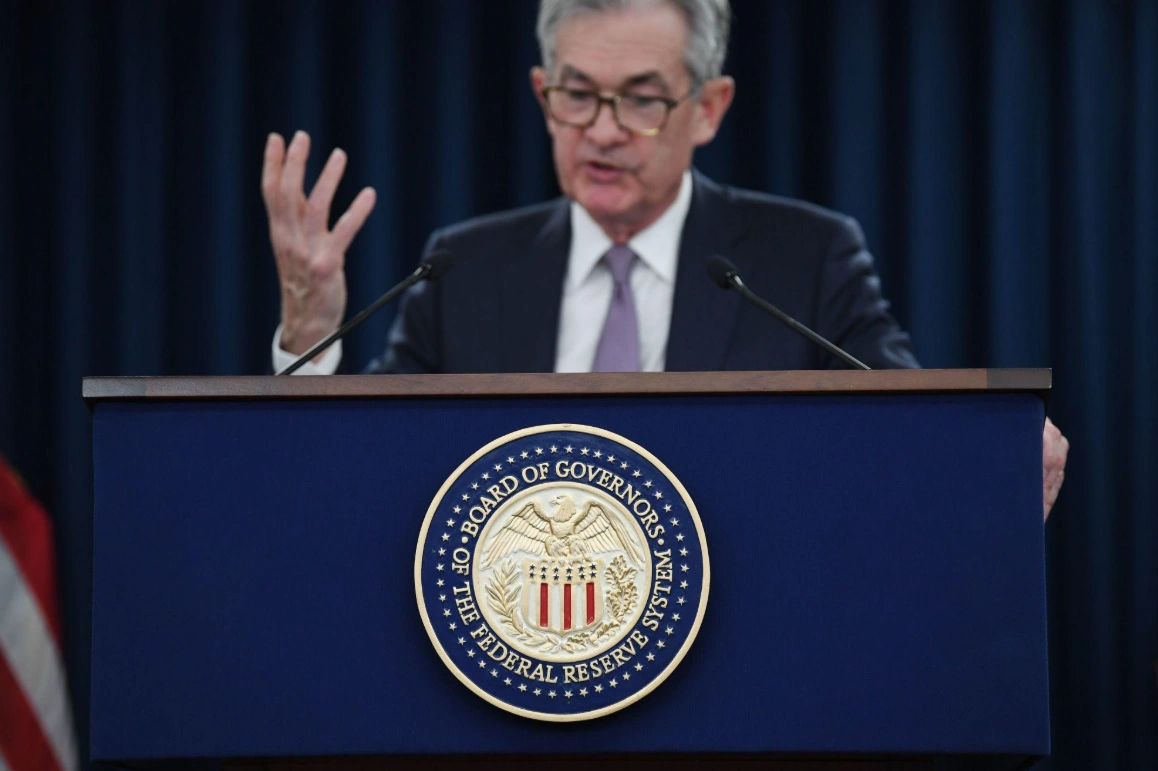
Fed Hikes 25 BPS — First Time in Three Years
The Fed raised rates 25 basis points today for the first time since 2023. Here's what the dot plot, oil at $108, and a 5% 10-year mean for your portfolio.
Key Points
- The FOMC raised the federal funds rate 25 basis points to a target range of 3.75%–4.00% this morning, the first hike since 2023, with CME FedWatch pricing 92.5% odds ahead of the 2:00 PM ET announcement.
- August CPI at 3.4% year-over-year, a 10-year Treasury yield pressing 5.041%, and Brent crude above $108 handed Chair Kevin Warsh no political cover to stand pat.
- The dot plot released at 2:00 PM ET is the real market mover — any signal of additional hikes beyond today will immediately pressure the S&P 500 below Tuesday's close of 7,585.73.
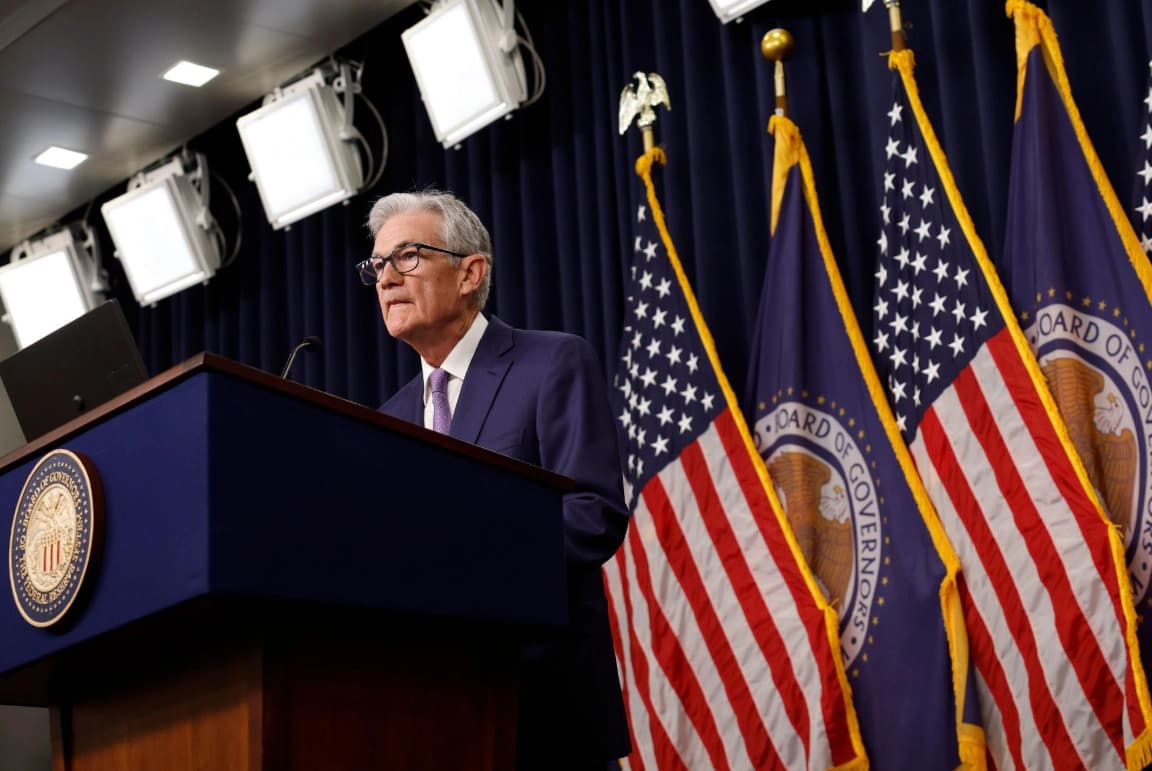
The Federal Reserve raised its benchmark rate by 25 basis points this morning for the first time in three years, targeting a new range of 3.75%–4.00%, and the central question gripping every trading desk right now isn't whether they hiked — it's whether they're done. With the 10-year Treasury yield having touched 5.041% on Tuesday, Brent crude slipping only modestly to $108 a barrel, and S&P 500 futures attempting a fragile pre-market bounce to the 7,666–7,697 range, the market is pricing in relief that hasn't been earned yet.
The Fed's Tightening Calculus
Kevin Warsh didn't give traders much room to hope at Jackson Hole. The Fed Chair's remarks stressed the need for policy action absent "clear disinflation progress" — and the August inflation data gave him no reason to soften that stance. Headline CPI came in at 3.4% year-over-year, with core measures running at 2.4%. Neither number constitutes the clear progress Warsh demanded. When you layer in the energy shock — Saudi Arabia's East-West pipeline shutdown and Aramco's cancellation of European cargoes pushed WTI crude to $106.53 on Tuesday — the Fed's inflation problem is getting messier, not cleaner, in real time.
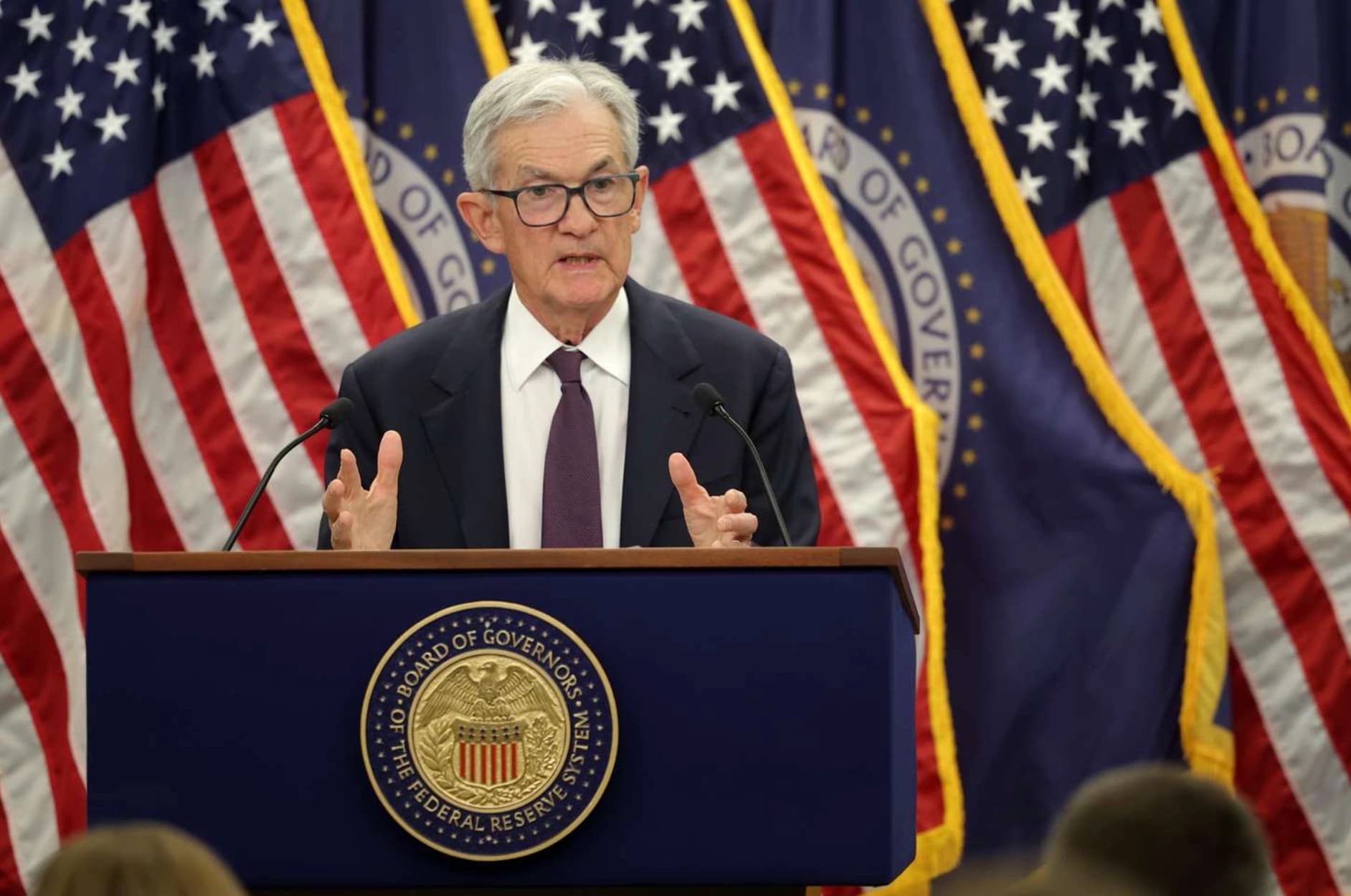
Goldman Sachs captured the bind precisely. The firm flipped to a "one and done" rate hike call after the August CPI print, but the desk was careful to note the FOMC would be "reluctant to surprise a market pricing a nearly 90% chance of a hike." That's not a ringing endorsement of hawkish conviction — it's a Fed that is being pulled over the line by data and market expectation simultaneously. The distinction matters enormously for what comes after today's 2:00 PM ET announcement. A central bank hiking because it has to is a different animal than one hiking because it wants to — and traders reading Warsh's body language in the press conference will be making exactly that determination in real time.
The CME FedWatch tool, showing a 92.5% probability of today's hike just hours before the decision, told you the rate move itself was never the surprise. What wasn't priced with the same confidence was the dot plot — the FOMC's own projection of where rates head from here. In prior tightening cycles, the first hike after a long pause often marks a moment where the committee's internal disagreement becomes visible. Three years of zero-hike policy creates factions. Watch for dissents.
What the Data Actually Shows
Tuesday's market action laid out the stress map clearly. The Dow dropped 328.09 points, closing at 52,093.11. The S&P 500 fell 0.45% to 7,585.73. The Nasdaq shed 0.78% to 25,981.57. These weren't panic moves — the VIX closed at 17.20, and while it has ranged as high as 18.17 intraday today, it remains well below the 35.30 level that marks genuine fear. But the composition of the selloff told a sharper story than the headline declines: credit-sensitive AI hyperscalers absorbed disproportionate damage as borrowing costs rose, which is exactly the sector vulnerability that a sustained tightening cycle would continue to exploit.
The yield curve itself remains instructive. At 5.00% on the 10-year and 4.66% on the 2-year, the spread has narrowed to 34 basis points — still positive, but compressing. A 10-year yield that reached its highest since 2007 at 5.041% on Tuesday is not just a rate story; it is a valuation story for every long-duration asset on the board. The standard discounted cash flow math becomes unforgiving at these levels. For tech names trading at elevated multiples — particularly those where AI-driven revenue projections sit years out on the curve — a sustained 5% risk-free rate is a structural headwind, not a temporary one.
Oil is the variable that scrambles every Fed model right now. Brent at $108 is not transitory in the policy sense — it is the direct result of supply disruptions in the Middle East that the FOMC cannot resolve with interest rate policy. The Iran conflict context driving crude is entirely supply-side. Yet it feeds directly into headline CPI readings that constrain Warsh's ability to declare mission accomplished. The Fed is, in a narrow but important sense, hiking into an energy shock it did not cause and cannot fix. That tension will surface in today's press conference.
What Traders Watch Next
The 2:00 PM ET FOMC statement is the first gate. But the press conference that follows is where positions will actually move. TheStreet Pro's pre-FOMC analysis put it directly: the margin for error today is thin. Any language suggesting the committee retains a tightening bias — even soft guidance like "remaining attentive to upside inflation risks" — will be read as a door left open for a November hike. That reading alone could send S&P 500 futures through Tuesday's closing low of 7,585.73 before the closing bell.
The AI chip sector deserves specific attention as a forward indicator. Coherent added nearly 2% Tuesday, AMD gained 2%, and Qualcomm advanced more than 4% — a partial rebound from Monday's 5% sector-wide rout on AI slowdown concerns. With OpenAI CEO Sam Altman on stage at Salesforce Dreamforce today, any commentary on compute demand, capex plans, or enterprise AI deployment will intersect directly with rate sensitivity concerns for chip names. If Altman signals continued aggressive infrastructure buildout, it partially offsets the valuation compression from higher yields. If the tone is cautious, the sector has further to give back.
Position sizing ahead of 2:00 PM should reflect one hard constraint: the dot plot is binary in its market impact today. A "one and done" signal — flat projections beyond today's hike — gives the pre-market relief rally room to hold, potentially pressing the S&P 500 back toward 7,650 by the close. A dot plot showing even one additional hike projected for 2026 turns this morning's bounce into a trap, with 7,500 on the S&P 500 as the next meaningful technical support. The level to watch into Friday's session is 7,585 — Tuesday's close. That is now the line between an orderly post-hike consolidation and the start of something more disruptive.
The Weekly Investor
Daily market analysis for active traders. Free.