BOJ's Koeda Pushes for More Hikes as BoE Holds at 3.75%
BOJ board member Koeda signaled more rate hikes are coming as inflation anchors near 2%. Meanwhile the Bank of England holds at 3.75% ahead of its Nov. 7 decision.
Key Points
- BOJ board member Koeda said Thursday the central bank "should not be overly cautious about further rate hikes," a direct signal that December tightening remains live after September's 25-basis-point move to 1.25%.
- The BOJ's September hike — the shortest interval between moves since 1990 — came under pressure from Washington, with U.S. Treasury Secretary Scott Bessent publicly calling for higher Japanese rates, underscoring how intertwined the global tightening cycle has become.
- With the BOJ's next meeting not until December 16–17 and the Bank of England holding at 3.75% ahead of its November 7 decision, the central bank calendar gives traders a clear two-month window to position around diverging policy paths in the yen and sterling.
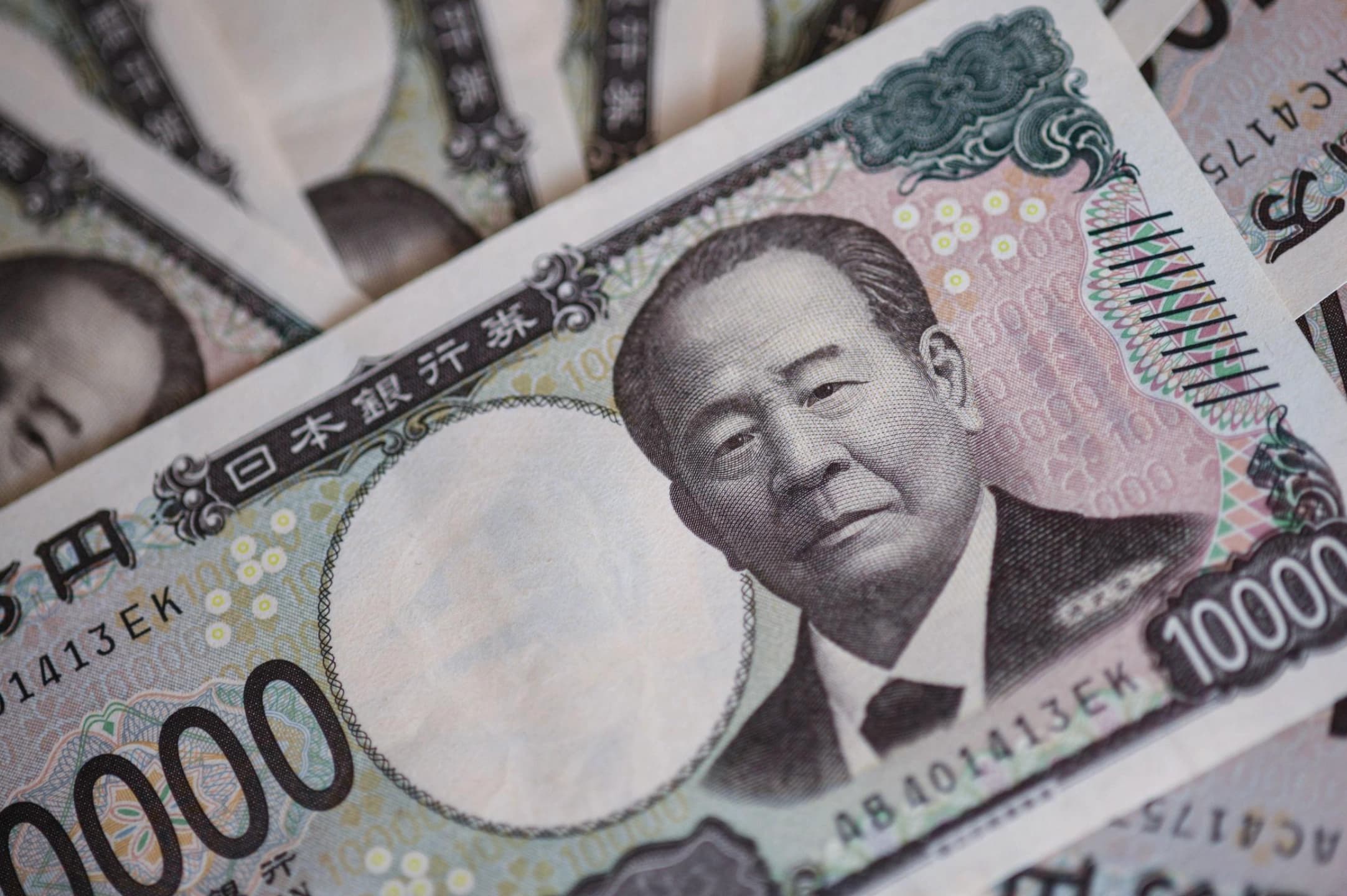
The Bank of Japan is not done tightening, and at least one board member wants to make sure markets know it. Naoki Koeda, speaking in Kumamoto on Thursday, said the BOJ "should not be overly cautious about further rate hikes" — the kind of unambiguous language that rarely comes from Japanese central bankers and lands with particular force given that the BOJ just moved 25 basis points to 1.25% in September, the shortest gap between rate increases since 1990.
The BOJ's Inflation Anchor
Koeda's hawkish turn is data-driven. She explicitly cited "persistent upside price risks" and conditions she described as "still-accommodative financial conditions," arguing for timely policy adjustments rather than a prolonged wait-and-see posture. Her assessment rests on a structural shift in Japanese inflation dynamics: price increases are now spreading across "a broad range of consumer items," which she interpreted as evidence that underlying inflation is becoming anchored around the 2% target — the threshold the BOJ spent three decades failing to reach and is now apparently overshooting. BOJ forecasters expect inflation to remain above 2% in the coming years, with external analysts projecting price growth approaching 3% by early 2026.
That backdrop matters for global markets in a way that extends well beyond the yen. The BOJ's September hike didn't occur in a vacuum. It followed direct pressure from Washington — U.S. Treasury Secretary Scott Bessent publicly called for Japan to raise rates — placing the BOJ's tightening cycle inside a broader geopolitical and financial framework that Fed Chair Warsh described Friday in Bangkok as a "synchronous tightening in monetary policy in most places around the world" with "no free riders." The coordination subtext is significant: if the world's major central banks are all moving in the same direction, the historical escape valve of currency arbitrage — borrowing cheap in yen to fund risk assets globally — loses its cushion. The unwinding of yen carry trades, which rattled equity markets in the summer, is a risk that resurfaces every time Koeda or her colleagues speak with this kind of directness.
The BOJ's next scheduled meeting is December 16–17, which puts it one week after the Federal Reserve's December 8–9 decision. That sequencing means global markets will get the U.S. policy signal first, followed almost immediately by Japan's answer. If the Fed hikes in December — currently priced at roughly 50/50 — and the BOJ simultaneously signals or delivers another 25 basis points, the compression of policy divergence between Tokyo and Washington will accelerate a yen strengthening trend that is already alive in the spot market. The dollar has slipped to roughly DXY 101.8 even after this week's hot U.S. inflation data, a counterintuitive move that suggests currency markets are already looking past the Fed's near-term hold and toward a world where the rate differential advantage of holding dollars continues to narrow.
The Bank of England's Holding Pattern
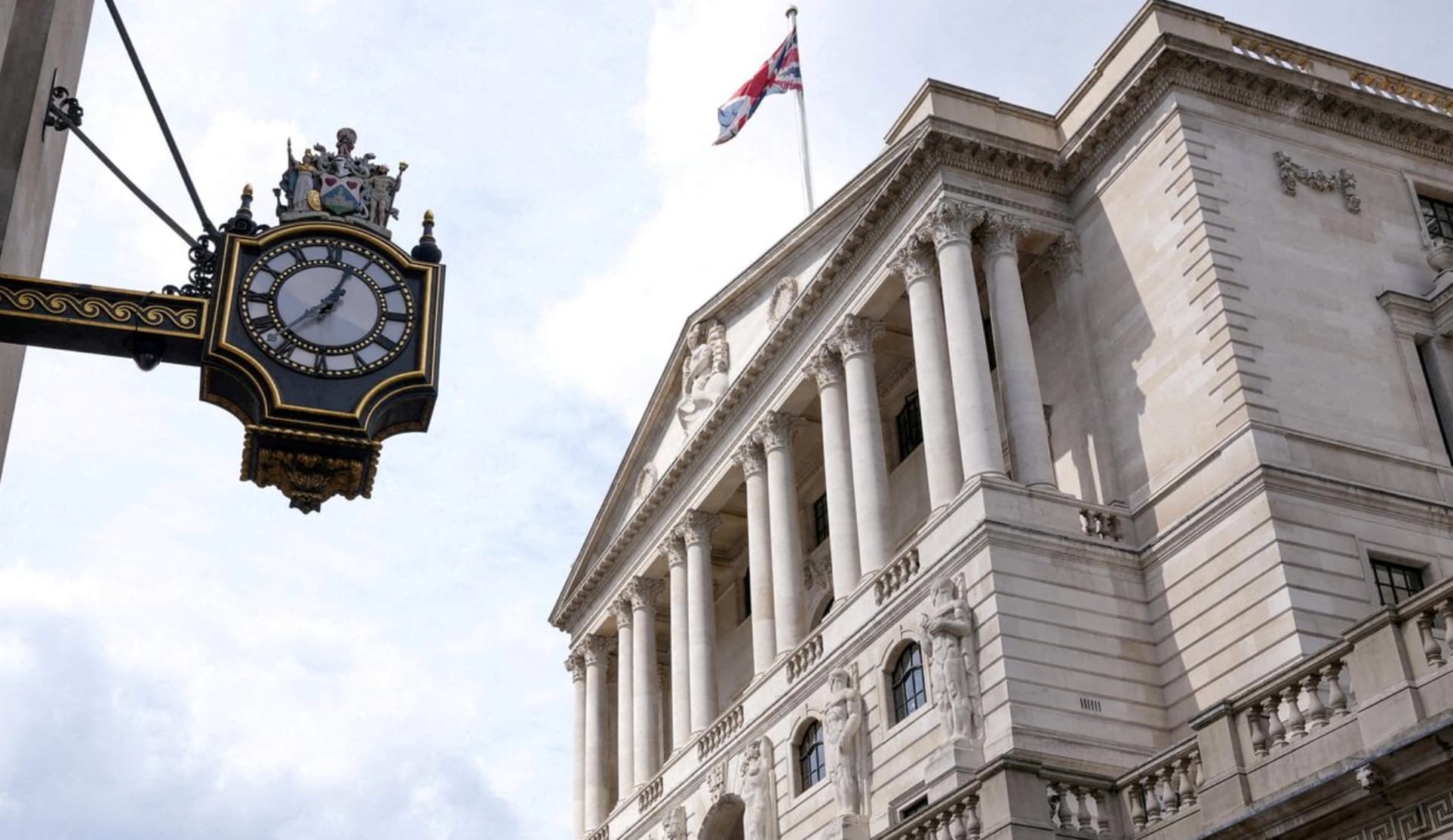
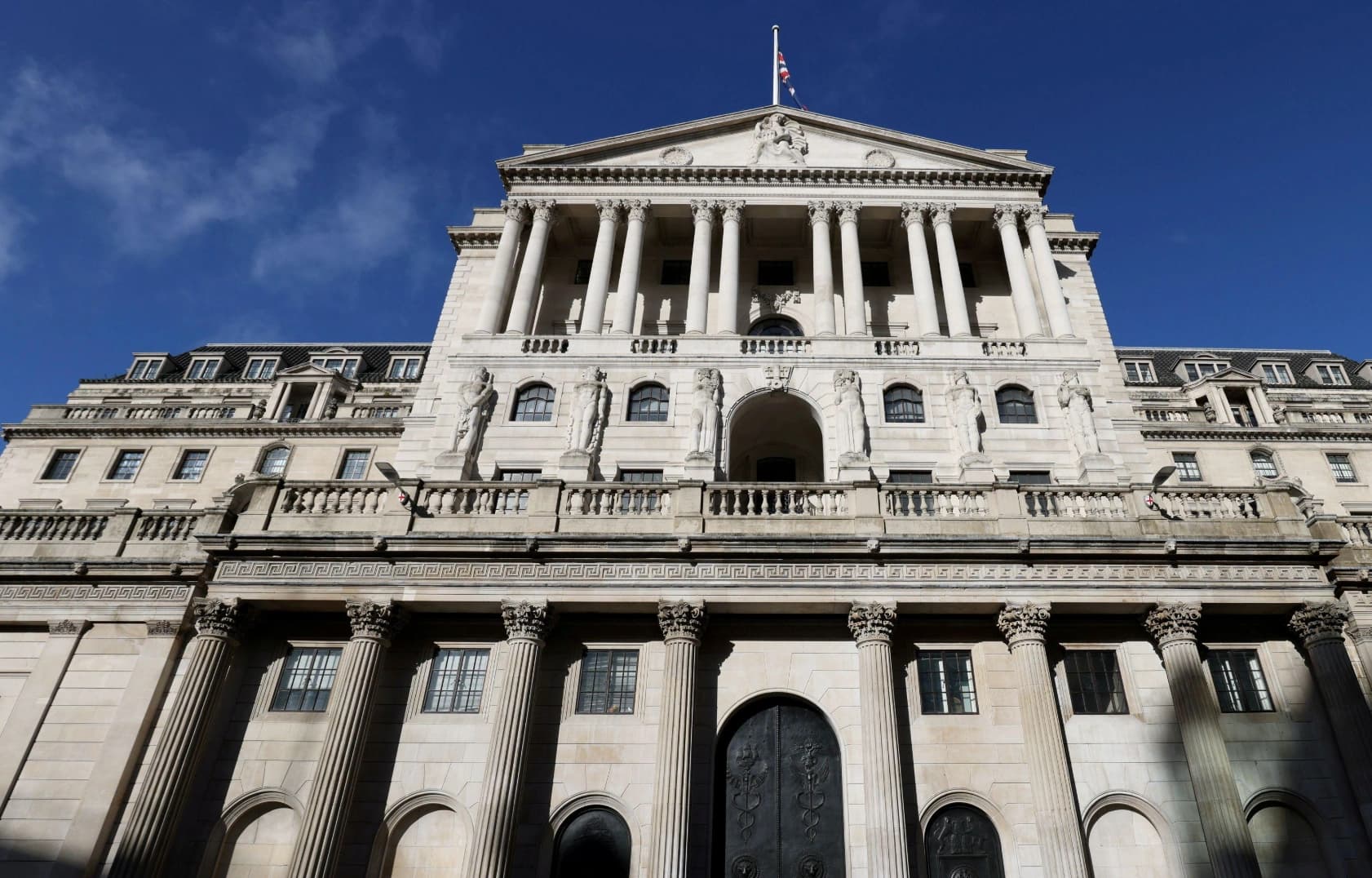
Across the Pacific and through Europe, the Bank of England is running a parallel calculation with a different set of inputs. The BOE's current Bank Rate of 3.75% makes it one of the more aggressive major central banks on a nominal basis, though its next decision doesn't arrive until November 7. No action is scheduled today, and the BOE offered no new forward guidance this week, leaving sterling traders to work with existing signals while watching U.S. and Japanese data for global cues.
The BOE's position is complicated by a U.K. economy that shares the stagflationary pressures visible in the U.S. data this week. British inflation has been stickier than the BOE projected for much of this year, and services inflation in particular has remained elevated, which is structurally similar to the core services pressure visible in the U.S. core CPI print of 2.6% YoY. At 3.75%, the BOE is also sitting exactly where the Fed sat before its September hike — a coincidence that underlines how tightly synchronized this global tightening cycle has become. Whether the BOE moves at its November 7 meeting or holds through year-end will depend heavily on the next two U.K. CPI releases and whether October labor market data shows wage growth continuing to cool from recent highs above 7% annually.
What makes the BOE's inaction this week strategically important is not what it signals about the U.K. in isolation but what it confirms about the global pattern: central banks that have already done significant tightening work are pausing to assess, while those — like the BOJ — that came to the cycle late are still in acceleration mode. The ECB, sitting at a deposit rate of 2.4%, rounds out the picture as the major central bank with the most room to run if European inflation reaccelerates, though no ECB decision is due in the near term following its September meeting in Berlin.
What Traders Watch Next
For traders positioned around the yen and dollar, the Koeda comments Thursday were the week's most actionable international central bank signal. She gave no specific rate target or timeline, but her framing — upside price risks, accommodative conditions, need for timely action — is the language a central banker uses when they want markets to take December seriously. The BOJ published its Current Account Balances by Sector for September today, a secondary data point, but the real next catalyst from Tokyo is the December 16–17 meeting, where another 25-basis-point move to 1.50% would not be a surprise if Japanese CPI data through November holds above 2.5%.
For sterling and BOE-sensitive positions, the November 7 decision is the date to circle. A hold at 3.75% is the base case, but the statement language will be parsed closely for whether the BOE is prepared to move again before year-end or is firmly in pause mode alongside the Fed. The DXY at 101.8 is the pressure point for the dollar: a level where a simultaneous BOJ hike in December and Fed hold would likely push the index toward 99 and below, repricing global equity multiples and commodity costs in a single move. Warsh's Bangkok comments Friday — stressing synchronous global tightening and no free riders — were not abstract philosophy. They were a description of the mechanics that will drive the most consequential macro trades of Q4 2026.
The Weekly Investor
Daily market analysis for active traders. Free.