
BoJ Hawks Emerge as ECB Holds Steady Post-Hike
BoJ board member Koeda signals faster rate hikes as Japan's inflation anchors near 2%. ECB and BoE hold after September increases. Global tightening update.
Key Points
- BoJ board member Junko Koeda said today that Japan should "not be overly cautious about further rate hikes," flagging that underlying inflation is becoming anchored near 2%.
- The ECB and BoE both raised rates 25 basis points at their September meetings and are now in a data-dependent holding pattern, with the BoE next scheduled for October 28.
- With three major central banks in active tightening cycles simultaneously, the dollar's relative rate advantage is narrowing — a structural shift with direct implications for FX and cross-asset positioning.
A Bank of Japan board member publicly called for faster rate hikes on Thursday, hardening an already hawkish shift at a central bank that spent a decade anchored at zero. BoJ board member Junko Koeda said the central bank "should not be overly cautious about further rate hikes" given persistent upside price risks, adding that broad-based consumer price increases suggest underlying inflation is becoming anchored around 2% — the BoJ's long-standing target. The statement lands two weeks before the BoJ's October 30 rate decision, and it is not coming from a peripheral voice.
Japan's Inflation Problem Is No Longer Transitory
The BoJ raised its key short-term policy rate by 25 basis points to 1.25% at its September meeting in a 7–2 vote — a significant margin of consensus for an institution that spent years in internal standoff over the pace of normalization. Koeda's remarks today go further than the institutional consensus required. Her specific language — "not overly cautious" — is a deliberate signal aimed at both markets and her fellow board members. She cited two conditions that the BoJ has long treated as prerequisites for sustained tightening: broad-based price increases across consumer goods categories, and stable wage growth. She said both conditions are now in place.
That is a material upgrade in the BoJ's assessment of where Japan's inflation cycle stands. For the better part of three years, the central bank characterized Japanese price pressures as externally driven — imported inflation from yen weakness and global commodity costs — rather than the domestically generated, wage-supported inflation that central bank doctrine requires before sustained tightening is justified. Koeda's framing today implicitly rejects that cautious interpretation. If the October 30 meeting produces another 25 basis point hike — lifting the BoJ rate to 1.50% — it would mark the fastest normalization cycle Japan has seen in a generation.
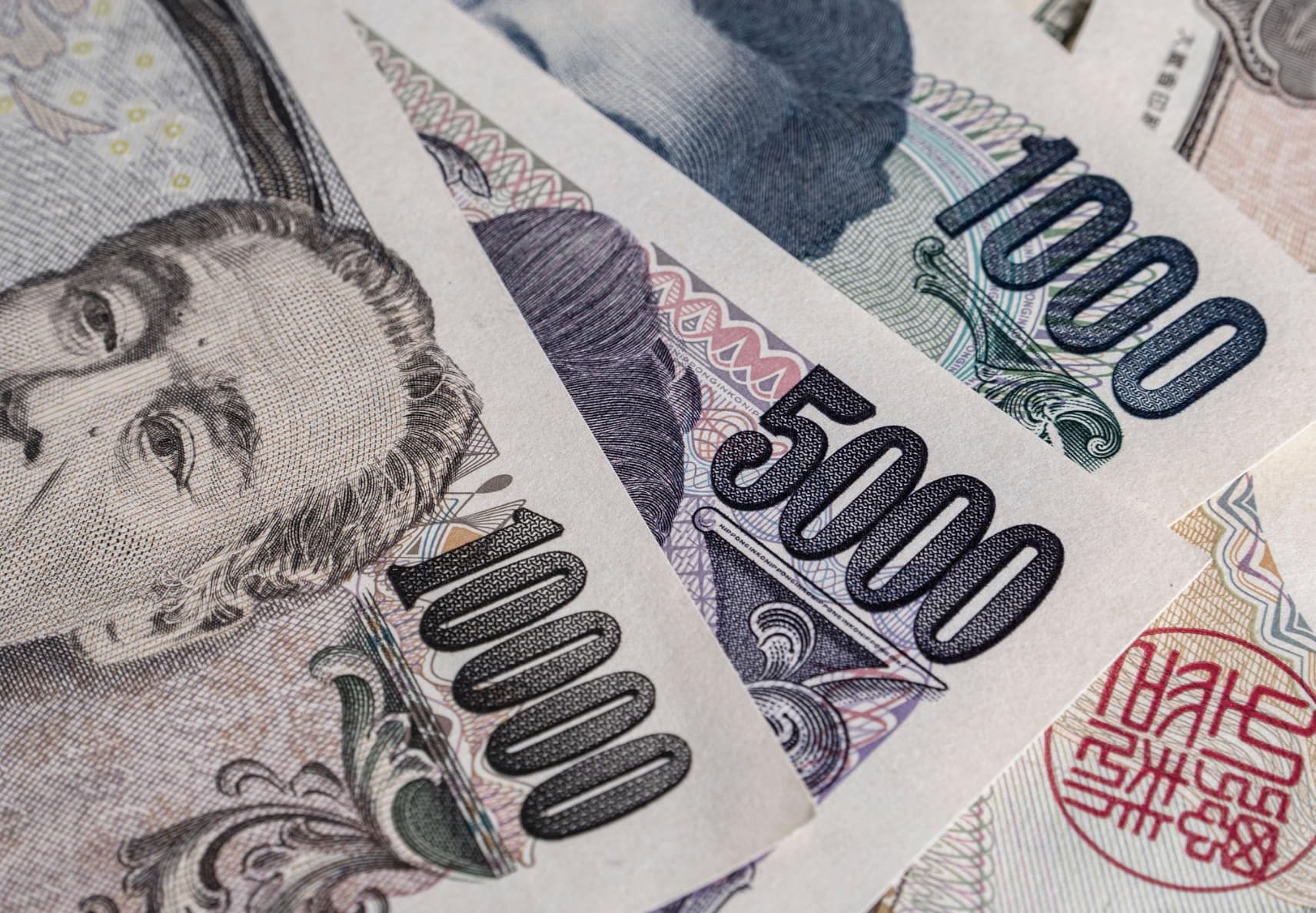
The FX implications are significant and immediate. The yen has been under sustained pressure from the rate differential between Japan and the United States, with the Fed funds rate sitting at 3.75%–4.00% against the BoJ's 1.25%. Every basis point the BoJ adds compresses that spread. A hawkish BoJ at 1.50% combined with a Fed potentially on hold or near its terminal rate would represent the most meaningful narrowing of the U.S.-Japan rate differential in years — a structural yen tailwind that currency traders cannot ignore heading into Q4.
ECB and BoE: Hikes Done, Data Watching Begun
The European Central Bank raised rates by 25 basis points at its September meeting, framing the decision around a deterioration in the inflation outlook and reaffirming its commitment to returning euro area inflation to the 2% medium-term target. No ECB meeting is scheduled today, and the most recent public appearance from an Executive Board member was Frank Elderson's keynote at the ECB–Bank of England Conference on supervising climate risk on October 14 — a topic far removed from near-term rate trajectory. The ECB's current posture is classic post-hike surveillance: it has moved, it has signaled commitment, and now it watches the data.
The ECB's challenge is structural. Euro area inflation dynamics are heterogeneous across member states, energy dependency varies significantly by country, and the fiscal constraints facing southern European sovereigns limit how aggressively the ECB can tighten without triggering spread widening in peripheral bond markets. The September hike was a statement of intent, but the ECB's path from here is considerably more constrained than either the Fed's or the BoJ's. Traders watching EUR/USD should weight the ECB's forward guidance carefully — any language suggesting a pause or data-dependent patience will weigh on the euro against a dollar that still carries a substantial rate premium.
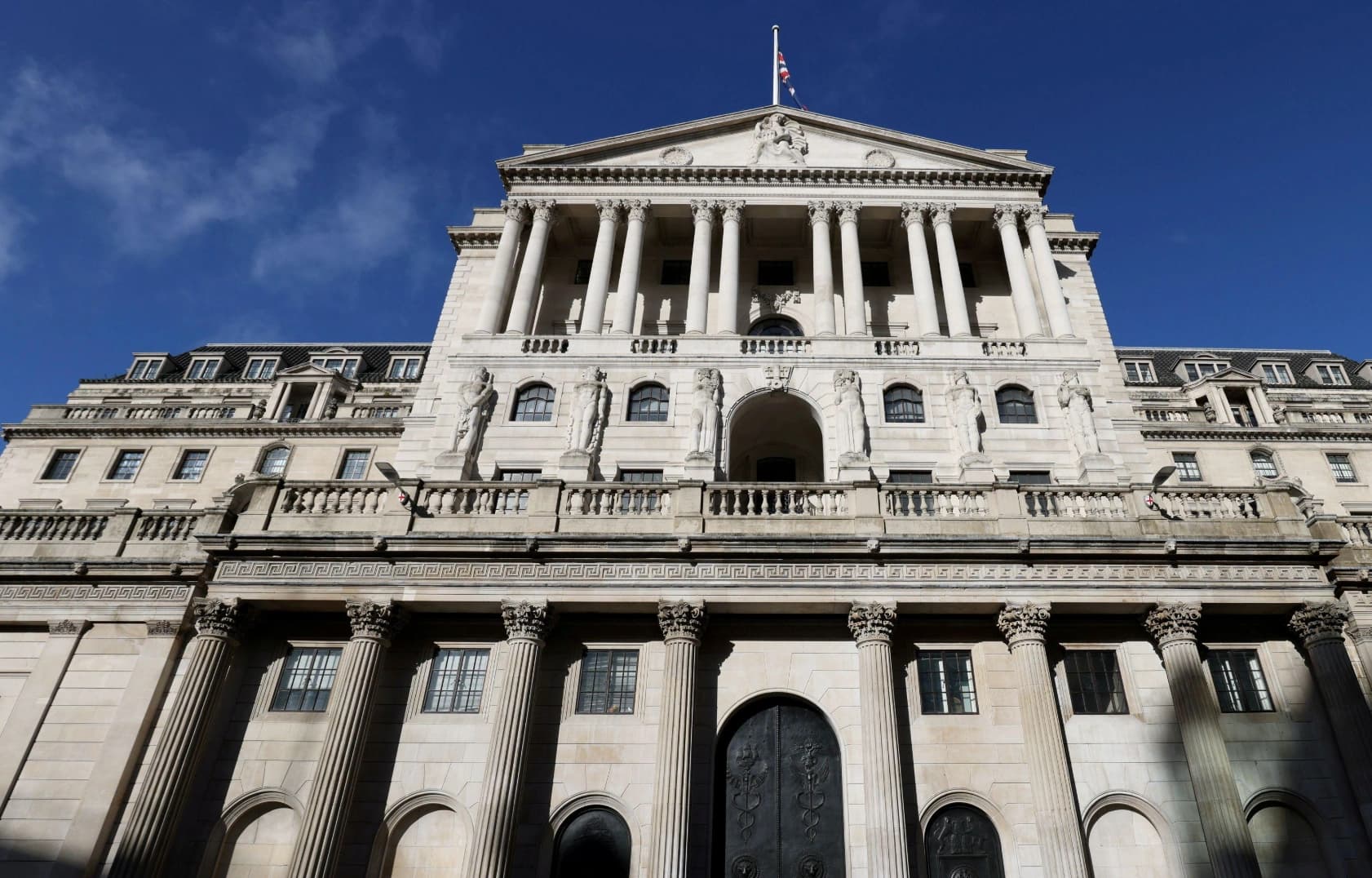
The Bank of England is at 3.75% following its own September move, with its next scheduled decision on October 28 — the same day the FOMC concludes its October meeting. That calendar coincidence sets up a potentially volatile 24-hour window for cross-asset traders at month-end. The BoE faces a variant of the same stagflationary pressure that complicates the Fed's calculus: UK inflation has been persistently above target, wage growth has been robust, but growth is fragile and the housing market is acutely sensitive to rate levels given the prevalence of variable-rate mortgages in the UK. The ECB–Bank of England conference on October 14 highlighted how seriously both institutions are integrating non-traditional risk factors into supervisory frameworks — but on the rate decision itself, the BoE's next move will be determined almost entirely by incoming CPI and labor market data between now and October 28.
What Traders Watch Next
The convergence of global tightening cycles is the structural macro theme of late 2026, and Thursday's BoJ signals crystallize why it matters for more than just currency traders. When the Fed, ECB, BoJ, and BoE are all in active or recently completed tightening cycles simultaneously, the traditional playbook of using rate differentials to generate carry returns becomes treacherous. Spreads compress unpredictably, volatility in FX options markets rises, and cross-asset correlations shift. The dollar index — which has benefited enormously from U.S. rate supremacy since 2022 — faces a genuine structural headwind if the BoJ accelerates and the Fed approaches its terminal rate.
The October 29 Q3 GDP advance estimate from the Bureau of Economic Analysis, released on the same day as September PCE inflation data, will be the next major input for Fed rate trajectory and by extension for the dollar's medium-term path. But between now and then, the BoJ's October 30 decision is the global central bank event that has been most underpriced by markets. Trading Economics noted Thursday that "BoJ Policymakers See Scope for Faster Rate Hikes" — language that, combined with Koeda's formal remarks, suggests the October 30 meeting carries genuine upside surprise risk for yen strength. Traders long USD/JPY above 148.00 should have a specific plan for how they manage the position through the October 27–30 window, when both the FOMC and BoJ decisions land within 72 hours of each other — the most compressed major central bank calendar of the year.
The Weekly Investor
Daily market analysis for active traders. Free.