Apple's Foldable iPhone Lands at $2,299 — ASP Era Begins
Apple's iPhone 18 Pro and first-ever foldable launch today with A20 Pro 2nm chip. Here's what the $2,299 price point means for AAPL, TSMC, and semis.
Key Points
- Apple's first-ever foldable iPhone is priced between $2,099 and $2,299, the highest starting price in company history, with TrendForce projecting 10–20% ASP increases across the new lineup.
- The A20 Pro chip built on TSMC's 2nm process powers all three new iPhones, making today's launch a direct volume catalyst for TSMC's most advanced and most profitable node.
- Watch pre-order data beginning September 11–12 for early demand signals, with retail availability expected September 18 — the first true read on whether consumers will pay the new premium floor.
Apple's "Surprise and Shine" event is live right now, and the number that matters most isn't the chip speed or the screen resolution — it's $2,299. That's the top of TrendForce's projected starting range for the foldable iPhone, a device that, if it sells in volume, will permanently reset the average selling price floor for Apple's hardware business and, by extension, for the premium smartphone category globally.
The Foldable Changes the Math
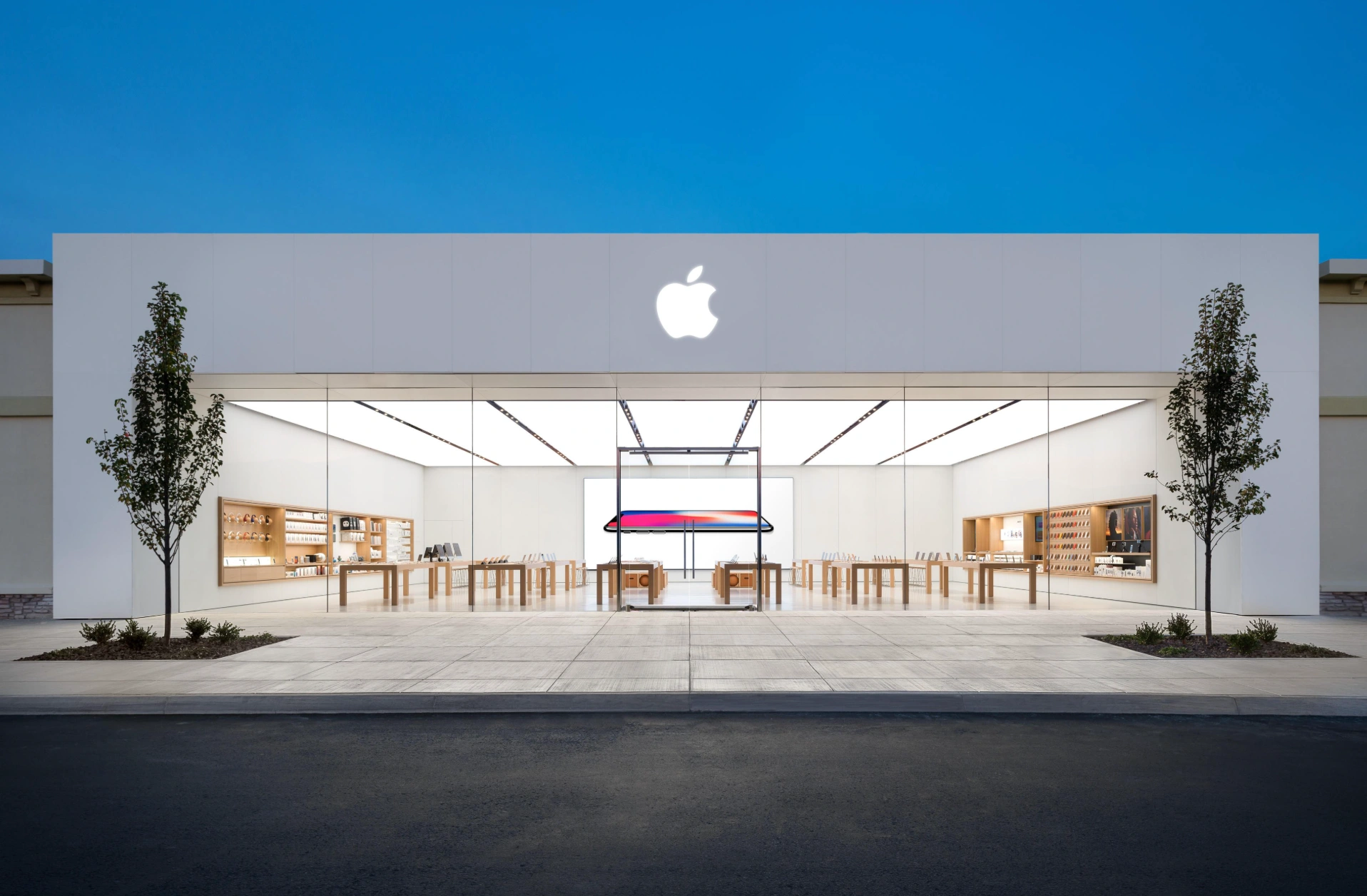
John Ternus is eight days into his tenure as Apple CEO, and his first major product event is not a modest refresh cycle. Apple is launching the iPhone 18 Pro, iPhone 18 Pro Max, and what is widely expected to be called the iPhone Ultra — a book-style foldable with an iPad-like internal display when opened. That form factor has been tried by Samsung and Huawei for years. Apple has watched, waited, and is now arriving with its own supply chain locked up and its own silicon running the show.
The financial implications are direct. TrendForce projects that new iPhone prices will rise approximately 10–20% across the lineup, driven by higher memory costs and the component complexity of the foldable design. Apply that range to Apple's installed base of roughly 1.2 billion active iPhone users and you begin to see why analysts are focused on ASP expansion as the primary revenue lever for FY2027. Services attach rates — AppleCare, iCloud, Apple Intelligence subscriptions — follow hardware ASP upward. A customer who spends $2,299 on a device is not going to balk at premium tier pricing for the ecosystem that surrounds it.
Apple reported Q3 FY2026 revenue of $109.42 billion with net income of $29.79 billion. Services was the growth engine in that print. The foldable iPhone does not disrupt that dynamic — it accelerates it. Every incremental dollar of ASP is a dollar that pulls Services spending behind it, and Apple's gross margin profile on Services runs well above its hardware margins. The foldable is hardware as a trojan horse.
TSMC Gets the Volume It Needs
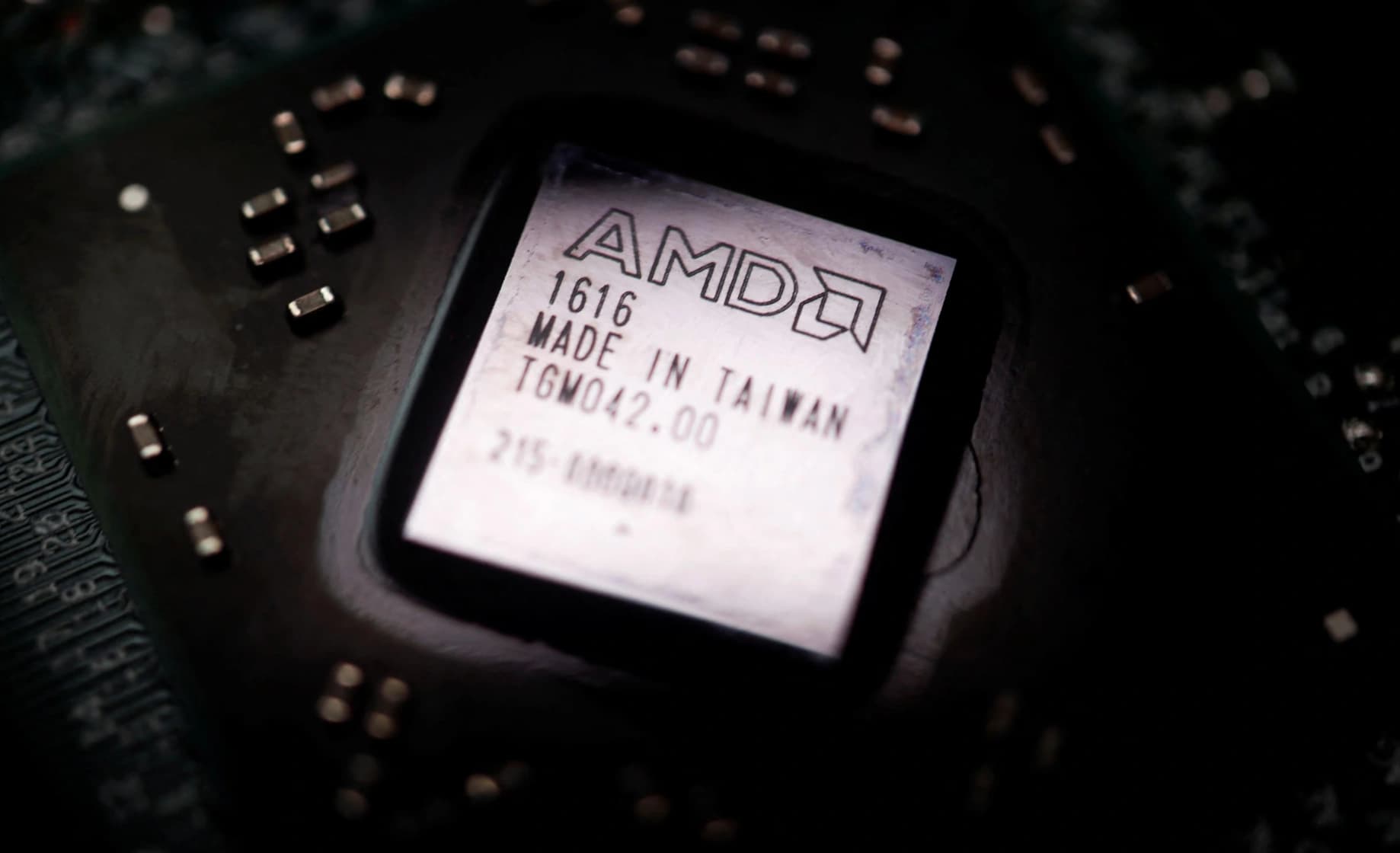
The A20 Pro chip powering all three new iPhone models — the 18 Pro, 18 Pro Max, and the foldable — is built on TSMC's 2nm process. That sentence should be read as a direct earnings catalyst for TSMC, not a footnote about chip architecture. TSMC controls 72% of the global chip foundry market, and its 2nm node is both its most technically advanced and its most margin-accretive offering. Apple launching not one but three devices on that node in a single event is a volume surge into TSMC's highest-value production capacity.
TSMC CEO C.C. Wei has been explicit about the supply problem: "We are working very hard to build production lines in the U.S., but it is still not enough, far from enough." New sites in Japan and Germany are planned, but the capacity crunch is real and it is now. Apple's iPhone launch cycle — with pre-orders potentially opening September 11 or 12 and retail availability from September 18 — means TSMC's 2nm fabs are running at maximum utilization heading into the back half of 2026. That is before accounting for NVIDIA's continued orders for AI GPU production on advanced nodes.
Mark September 16 on your calendar: TSMC goes ex-dividend on that date with a cash dividend of $1.114 per share. Bloomberg's event preview noted that the Apple-TSMC 2nm relationship is the linchpin of the entire advanced semiconductor supply chain through at least 2028. Stifel initiated TSM with a Buy on September 1, and insider buying — an SVP purchasing 1,000 shares and a VP purchasing 3,000 shares in the weeks prior — suggests the smart money at the company itself is positioned for the launch cycle tailwind. Apple's second-generation C2 modem, also expected today, adds another layer of proprietary silicon volume running through TSMC's fabs, as Apple continues its multi-year push to eliminate Qualcomm from its supply chain entirely.
What the DOJ Is Watching From the Sideline
Today's event does not exist in a regulatory vacuum. The Department of Justice survived a motion to dismiss its suit against Apple — brought alongside several states and the District of Columbia — alleging that Apple unlawfully restricted cross-platform technologies within its smart device ecosystem. The foldable iPhone, which opens to an iPad-like layout, raises a specific question DOJ lawyers are almost certainly asking today: does this device further entrench Apple's ecosystem lock-in in ways that damage competition, or does it create a new category that competes with Apple's own iPad line?
The ecosystem implications of a foldable that functions as both a phone and a tablet, tied to Apple Intelligence, tied to the App Store, tied to iCloud, are exactly the kind of vertical integration argument that the DOJ's complaint was built around. Apple's pricing power at $2,299 is not just a market story — it is a regulatory exhibit. The argument that Apple can command prices 30–40% above comparable Android foldables precisely because of ecosystem lock-in is one that plaintiffs will make. The question is whether that argument survives the consumer's genuine enthusiasm for the product.
There is also the China exposure to manage. Apple reported meaningful China revenue pressure in recent quarters amid tariff escalation, and Commerce Secretary Lutnick's warning that semiconductor tariffs are coming adds another layer of supply chain risk to a device being manufactured, in significant part, outside the United States. The A20 Pro is fabbed in Taiwan. The memory is sourced from Samsung and SK Hynix. A tariff regime that targets advanced semiconductors hits Apple's bill of materials before any mitigation measures take effect.
What Traders Watch Next
The event itself is the setup. The trade is in the pre-order data. If Apple opens pre-orders on September 11 or 12 as expected, the first 48 hours of order volume — particularly for the foldable at the $2,099–$2,299 price point — will be the most important demand signal Apple has produced since the original iPhone launch. Analysts will be combing through ship date slippage: if delivery windows push past four weeks within the first day of pre-orders, that is the clearest possible signal that supply cannot meet demand, which is bullish for both AAPL revenue and TSMC utilization rates.
Watch AAPL at the $210 level as the post-event anchor. The stock has likely priced in a successful launch — "buy the rumor" dynamics have been in play for weeks. The risk is a "sell the news" response if initial foldable pricing draws consumer sticker shock or if the DOJ commentary sharpens post-event. The structural bull case — ASP expansion, Services attach rates, TSMC 2nm volume, C2 modem vertical integration — does not resolve in a single trading session. Retail availability on September 18 is the next hard date, and the quarter that follows will be the first real financial test of whether $2,299 is a ceiling or a new floor.
The Weekly Investor
Daily market analysis for active traders. Free.