Tesla's Roadster Bounce: Sentiment Trade or Real Reversal?
Tesla stock surges 4.76% premarket to $379.70 after Roadster unveil and Barclays SpaceX merger chatter — but shares are still down 19.4% YTD. Here's the real risk.
Key Points
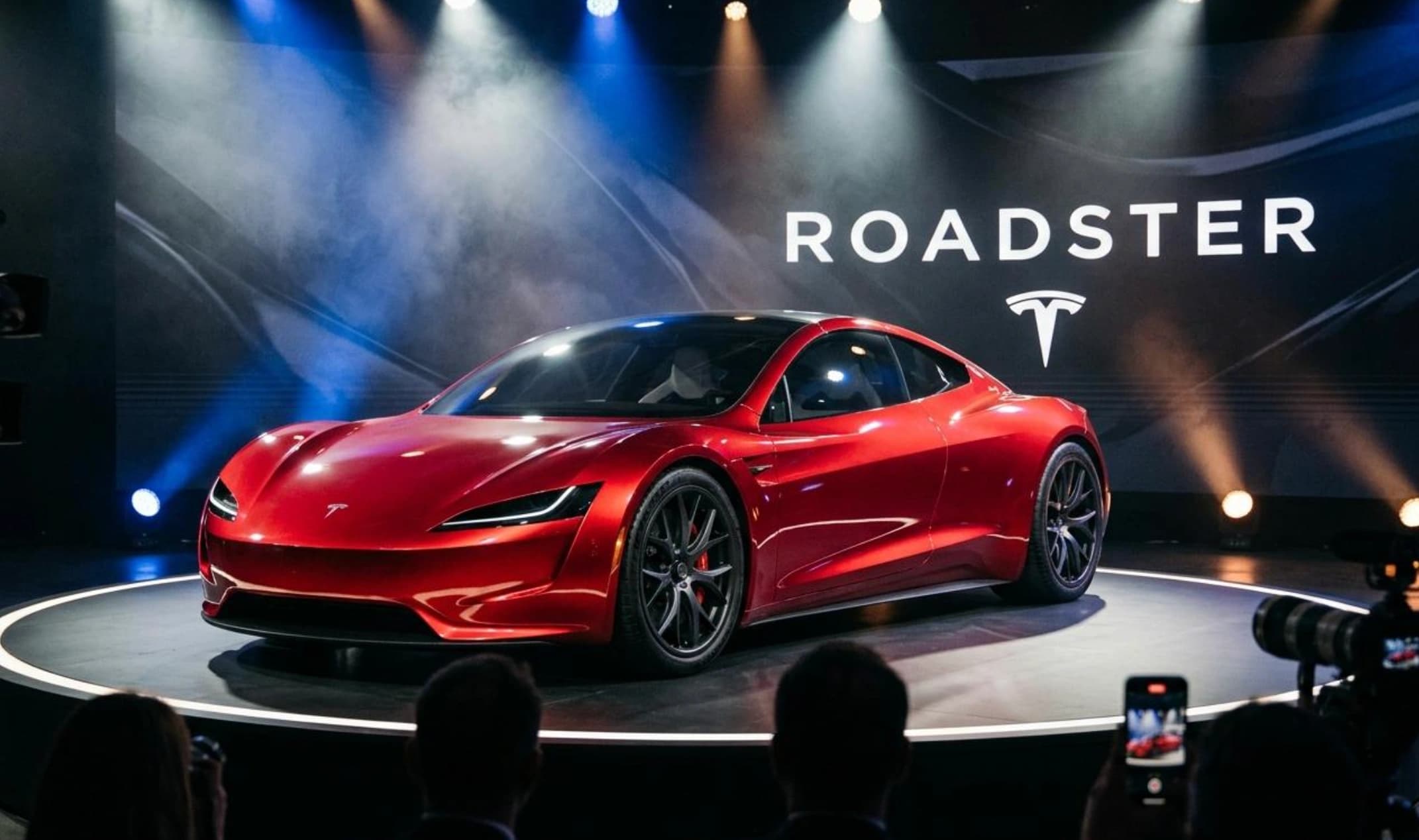
- Tesla stock is up 4.76% premarket to $379.70 after the unveiling of its second-generation Roadster in Texas, with Barclays flagging a potential Tesla-SpaceX merger announcement before December.
- This is a sentiment-driven move layered on top of a stock still down 19.4% year-to-date — there are no new earnings, guidance revisions, or delivery figures behind Friday's move.
- The critical test is whether TSLA can hold $370 on any intraday fade; a failure to close above Thursday's $362.50 close would confirm the move as a gap-and-trap.
Tesla is up 4.76% in Friday premarket, trading at $379.70, and the two catalysts driving it are a car that hasn't entered production and a corporate merger that hasn't been announced. Experienced traders know exactly what that combination means: high-octane sentiment with zero fundamental anchor, in a stock that has already lost nearly a fifth of its value in 2026.
What Actually Happened Thursday Night
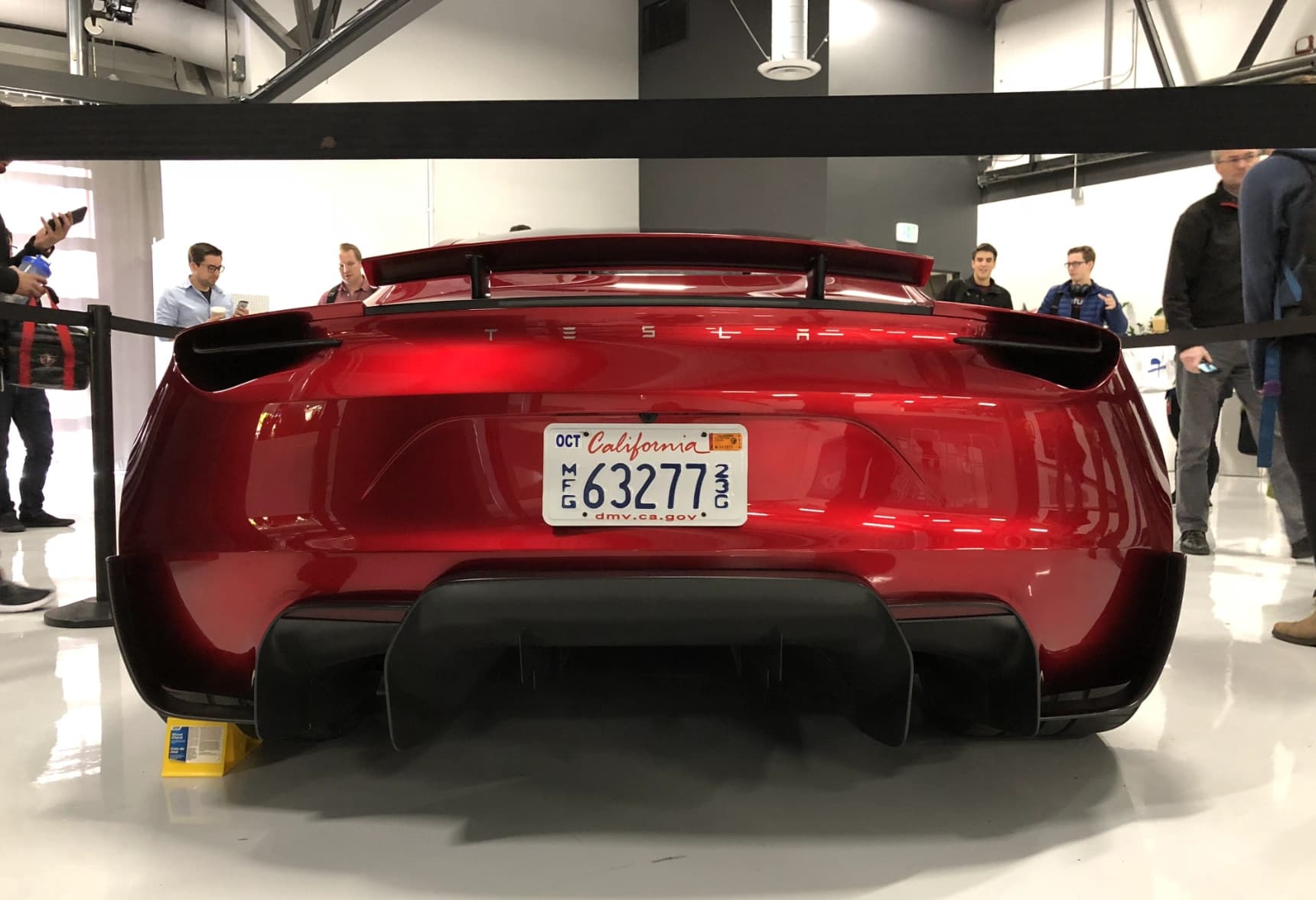
The second-generation Tesla Roadster made its public debut at an event in Texas Thursday evening, and by premarket Friday it had done what only Elon Musk product unveilings reliably do — move the stock regardless of near-term commercial reality. The Roadster, positioned as Tesla's flagship performance halo vehicle, is not a volume product. It will not materially alter delivery counts, revenue figures, or the gross margin trajectory that analysts have been dissecting all year. What it does is reset the narrative for a few trading sessions, reminding retail investors why they owned the stock in the first place and providing a news hook large enough to generate momentum buying.
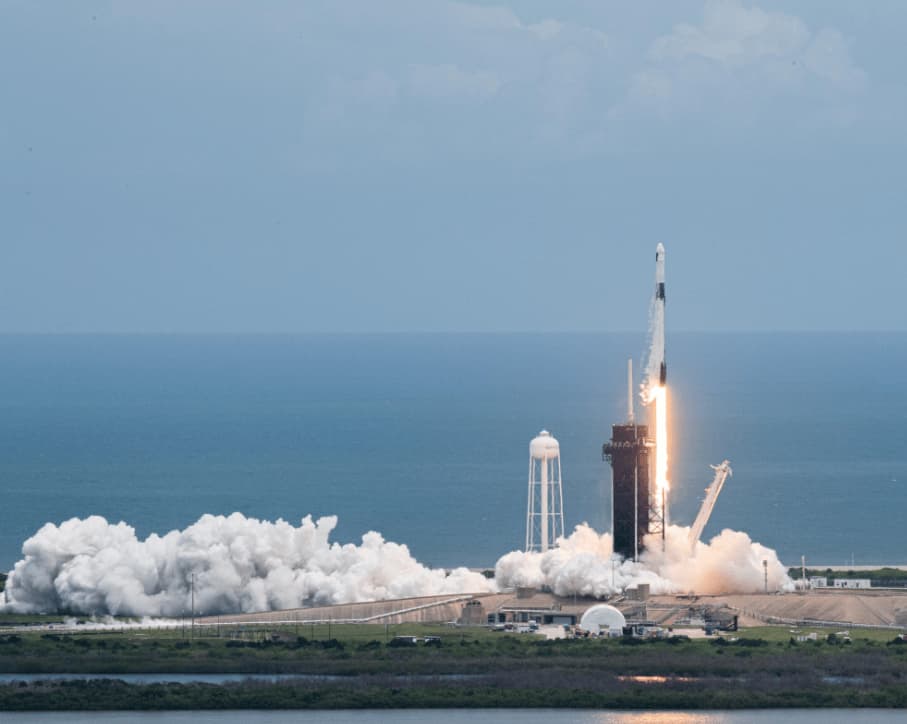
Layered on top of the hardware reveal is something with potentially larger financial implications: Barclays has flagged the possibility that a Tesla-SpaceX merger could be announced before December. That single sentence — from a sell-side desk, framed as a possibility rather than a confirmed event — is doing an enormous amount of work in Friday's premarket. A Tesla-SpaceX combination would be one of the largest and most structurally complex corporate transactions in history, combining a publicly traded automaker and energy company with a private aerospace and satellite firm. The valuation questions alone would consume Wall Street for months. But right now, at 6:30 AM on a Friday, it's functioning as pure option premium on Elon Musk's next move, and the market is buying it.
What makes the move even more notable is its context within Thursday's session. TSLA closed down 1.29% Thursday before the Roadster event — meaning the stock shed value during regular hours, then recovered all of that and added nearly 4.76% more on sentiment generated after the close. The total swing from Thursday's intraday low to Friday's premarket price is closer to 6%, concentrated in roughly 12 hours of trading. That kind of velocity, in a thin premarket tape, is exactly the environment where the gap-and-trap pattern materializes.
The 19.4% Problem Nobody Is Talking About
Tesla is down 19.4% year-to-date as of Thursday's close. That number is the essential context for every TSLA trade on Friday morning, and it's the figure most retail traders scrolling premarket scanners are not weighting correctly. A 4.76% premarket bounce on a stock that has lost nearly one-fifth of its value in 10 months is not a reversal — it is a counter-trend rally until proven otherwise, and the burden of proof is on bulls to demonstrate that something structural has changed.
The year-to-date drawdown reflects a specific set of concerns that one Roadster unveil and one unconfirmed merger rumor do not resolve. Tesla's delivery growth has decelerated materially from the pace that justified its premium multiple in 2023 and 2024. Margin compression — particularly in the Model 3 and Model Y lines, where aggressive price cuts have eroded profitability — has been the dominant earnings narrative for several quarters. The competitive landscape in China, where BYD and a cluster of domestic EV manufacturers continue to gain share, has not improved. None of those variables changed Thursday night in Texas.
Nasdaq 100 futures are essentially flat this morning, which means TSLA's premarket surge is not being lifted by a buoyant tech tape. The broader Nasdaq is down more than 2% week-to-date, and the AI chip complex — Micron, Broadcom, Qualcomm — is continuing to sell off this morning. Tesla is moving against the grain of its sector, which is either a sign of genuine stock-specific strength or a sign that thin premarket volume is amplifying a move that won't survive the open. History with TSLA suggests the latter is more common than the former when the catalyst is a product reveal rather than an earnings beat or a delivery surprise. The VIX sitting at 16.01, down 2.73%, tells us the macro environment isn't adding tailwinds either — this is a pure TSLA-specific event.
Where the Trade Lives and Dies
The mechanics of a gap trade in TSLA are well-documented at this point. The stock is one of the highest-volume names on any U.S. exchange, meaning that institutional algorithms will be active at the open, and the direction of the first 15 to 20 minutes will set the tone for the session. If buyers absorb the opening supply and TSLA holds above $375 — roughly the midpoint between Thursday's close at approximately $362.50 and Friday's premarket high — that's constructive. It suggests institutional money is stepping in to support the sentiment bid, not just retail traders chasing headlines.
If the stock fades immediately at the open and breaks below $370, the setup flips to a gap-and-trap scenario. In that case, the Roadster rally joins a long list of TSLA intraday surges that gave back their gains by noon — a pattern that has appeared repeatedly in 2026 as the stock has struggled to find sustained institutional sponsorship amid the delivery and margin concerns outlined above. The SpaceX merger speculation is a particular source of fade risk: Barclays framed it as a possibility, not a probability, and if no substantive follow-up emerges from Tesla or SpaceX by mid-morning, the rumor premium will deflate quickly in a market that has been rewarding rotation into health care and materials rather than speculative tech narratives.
Thursday's session saw the Dow jump more than 500 points while the Nasdaq lagged significantly — a rotation dynamic that is the structural headwind for a sentiment-driven TSLA trade on Friday. The 10-year yield at 5.09% remains the macro governor: if yields hold here or drift lower through the session, Tesla and growth equities generally get some breathing room. If the 10-year reverses and pushes back toward 5.15% or higher, the risk-off trade reasserts and TSLA's premarket gains are among the most vulnerable positions in the market. The specific date to circle is Tesla's next earnings report — expected in late October — where delivery numbers, gross margins, and any official commentary on the Roadster timeline or the SpaceX relationship will either validate Friday's move or expose it as exactly the sentiment trade the setup suggests it is.
The Weekly Investor
Daily market analysis for active traders. Free.