S&P 500 Hits 7,800 — But Hormuz Risk Lurks
The S&P 500 closed at a record 7,798.99 Thursday. Now two tankers are burning in the Strait of Hormuz. Here's what traders need to watch Friday.
Key Points
- The S&P 500 closed at an all-time record of 7,798.99 Thursday, breaching 7,800 for the first time in history, with futures flat at 7,827.00 Friday morning.
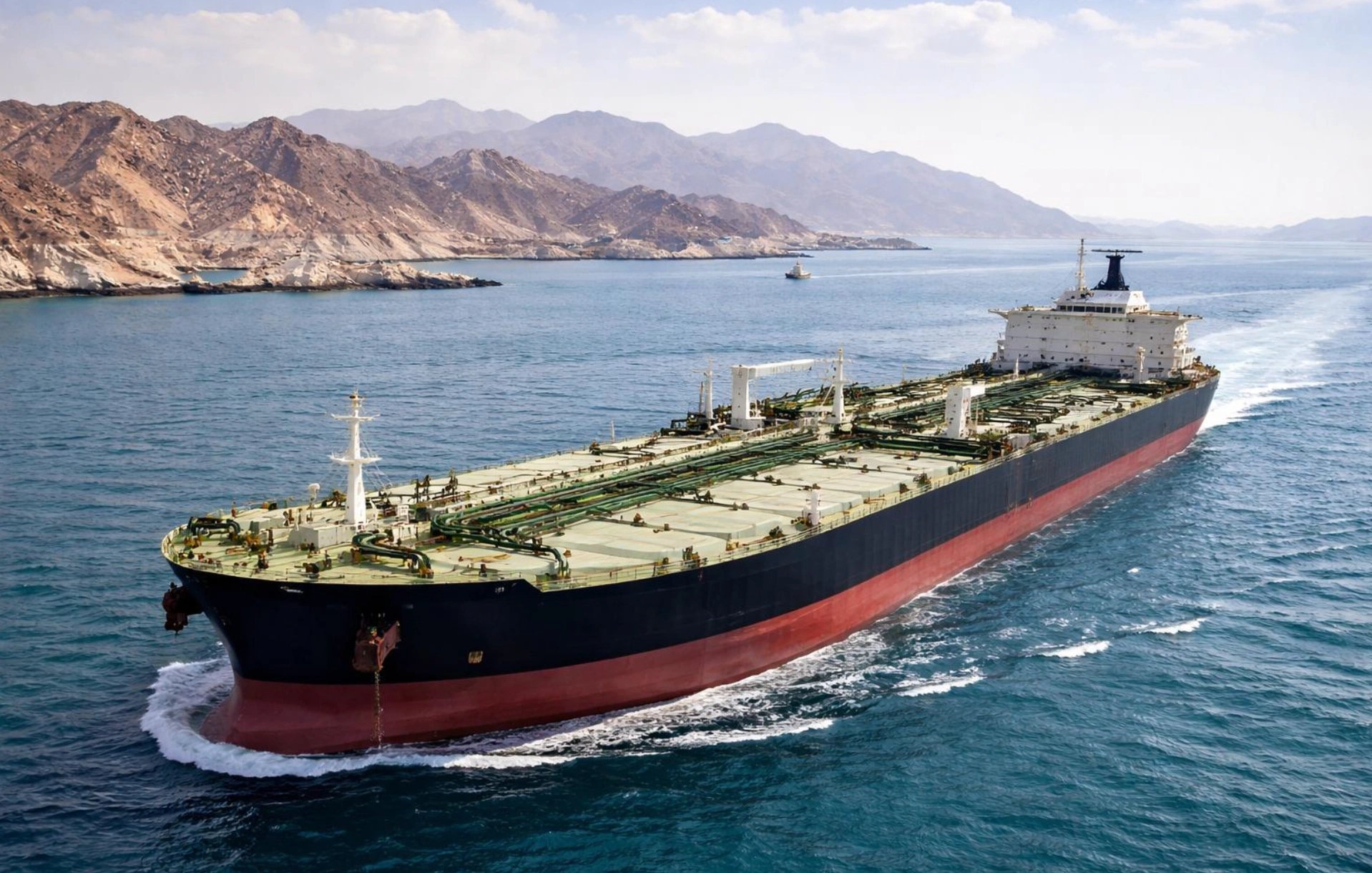
- Two ADNOC vessels attacked in the Strait of Hormuz Thursday evening are pushing Brent crude higher and injecting a geopolitical wildcard into a market already priced for perfection at VIX 14.56.
- Traders should watch the $88.00 Brent level and any escalation in U.S. naval posture around Iran ahead of next week's Walmart, Target, and Nvidia catalyst cluster.
The S&P 500 crossed 7,800 for the first time in market history Thursday, closing at 7,798.99 — and Wall Street's response Friday morning is a collective shrug. Futures on the US 500 are up just 0.02% at 7,827.00 as of 6:30 AM ET, with the Dow and Nasdaq essentially pinned. What's keeping traders from pressing the long button harder isn't the valuation math — it's the two burning ADNOC tankers in the Strait of Hormuz.
The Record That Nobody's Celebrating
When a market sets an all-time high and futures open flat the next morning, that's not consolidation — that's exhaustion wearing a polite face. Thursday's session had the architecture of a bull move: the Nasdaq Composite added 0.81% to 26,803.03, Meta, Micron, and Netflix all contributed meaningfully to the upside, and Asian markets followed through overnight with South Korea's KOSPI up more than 1.4% and Japan's Nikkei gaining 0.8%. On paper, the global risk-on signal is intact.
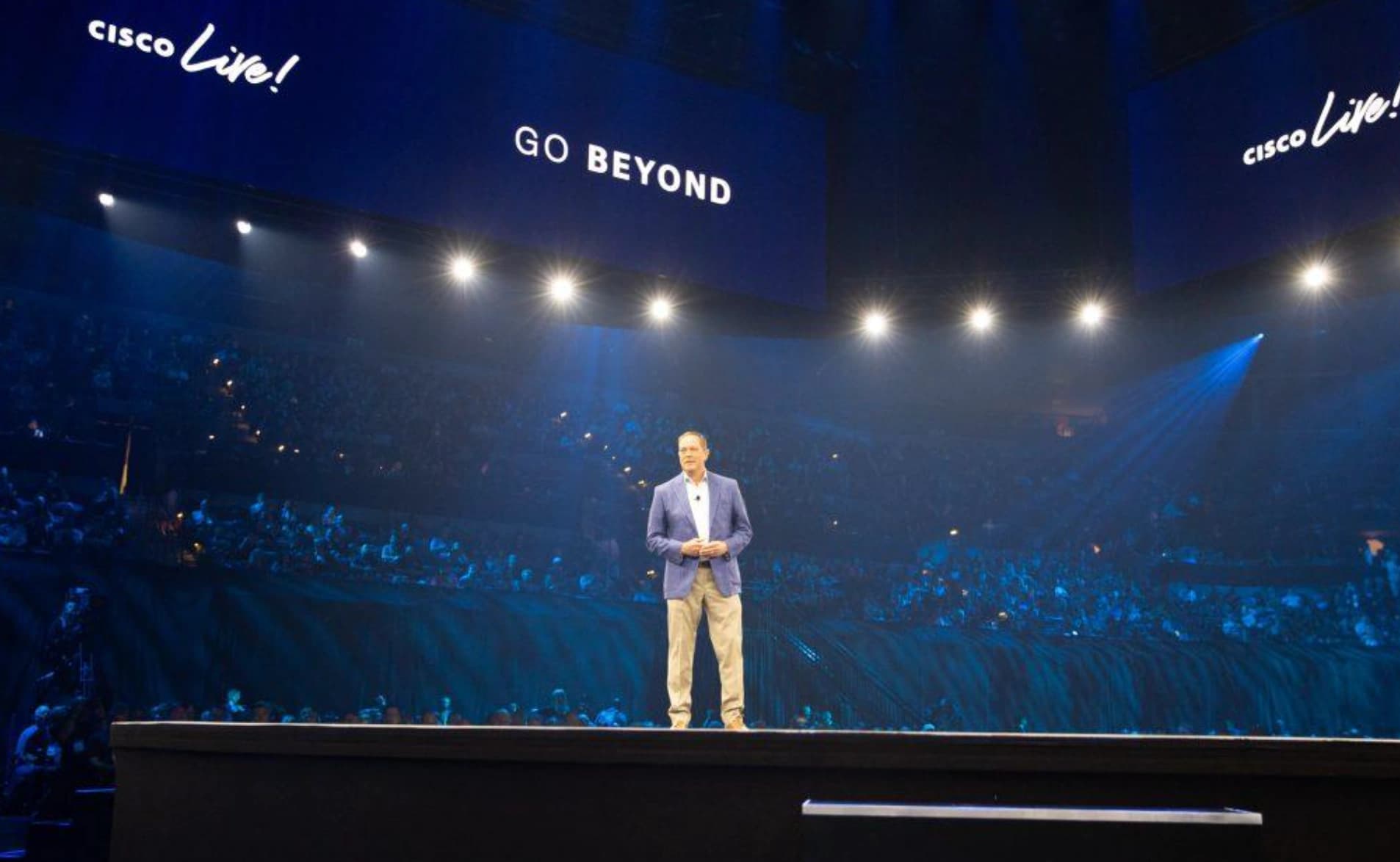
But zoom out and the picture is more complicated. The Dow's contribution to Thursday's euphoria was a grand total of 69.72 points, a 0.13% gain to 53,839.99. Cisco Systems was the session's single worst Dow component, cratering 8.77% on its own — a number that would have dragged the index into the red without the offsetting lifts from Merck (+2.00%), Nike (+1.90%), and Visa (+1.51%). Cisco's collapse, tied to its own forward guidance issues, is a reminder that beneath the headline index record, individual earnings risk is alive and violent.
The VIX sitting at 14.56 — down 0.07 on the session — tells the sentiment story in one number. Traders are not hedging. The options market is not pricing danger. Polymarket's crowd even leans 57% toward a higher open today. That kind of consensus complacency has a historical tendency to be right until it is catastrophically wrong, and the catalyst for "catastrophically wrong" has a name this week: the Strait of Hormuz.
Two Tankers and an Indefinite Blockade
Defense Secretary Pete Hegseth confirmed Thursday that the U.S. naval blockade of Iran could be maintained "indefinitely," citing sustained military readiness — language that represents an escalation in rhetoric even by the standards of a conflict that has already kept energy traders on edge for months. Treasury Secretary Scott Bessent layered on a second threat, warning of unprecedented economic isolation measures against Iran arriving as early as next week. Then, Thursday evening, two vessels operated by Abu Dhabi National Oil Company were attacked while transiting the Strait of Hormuz.
Brent crude futures responded immediately, ticking up to $87.17 per barrel in overnight trading, building on the $87.86 closing price recorded as of August 7. WTI, last quoted at $78.94 per barrel on August 7, has a similar upside trajectory if Hormuz disruption becomes sustained rather than episodic. The spread between Brent and WTI — nearly $9 per barrel — already reflects a significant geopolitical premium baked into internationally-traded crude. A genuine shipping lane disruption widens that spread and hammers airline stocks, consumer discretionary names, and any company with thin margin structures that depend on predictable logistics costs.
According to CNBC's live market coverage, the macro backdrop entering this week was already being framed around stabilizing inflation and a rotation toward upcoming retail earnings. That framing assumed the geopolitical noise would stay noise. Two burning tankers in the world's most critical oil chokepoint complicate that assumption materially. Roughly 20% of global oil supply transits the Strait of Hormuz daily. Any sustained interference doesn't just move energy prices — it reprices the entire inflation outlook that the Fed has been carefully managing since core CPI settled at 2.5% year-over-year as of July.
What Traders Watch Into Nvidia Week
The calendar is empty today in terms of scheduled data releases, which means price action will be dictated by headlines — specifically, any update on the Hormuz situation, any Iranian government response to Bessent's isolation warnings, and the flow of premarket movers that tend to define tone on low-volume Fridays. The two cleanest reads come from opposite ends of the risk spectrum.
On the downside, Innventure (INV) is collapsing 44.6% premarket on 370,000 shares after management suspended its full-year 2026 financial targets for the Accelsius liquid cooling business, blaming "shifting AI infrastructure dynamics." AmpliTech Group (AMPG) is off 26.7% after missing Q2 EPS by $0.23 and pulling its $50 million revenue guidance. Both names are too small to move the tape, but the thematic signal matters: AI infrastructure plays that cannot execute operationally are being punished without mercy in a market where execution premium is the only premium still being rewarded.
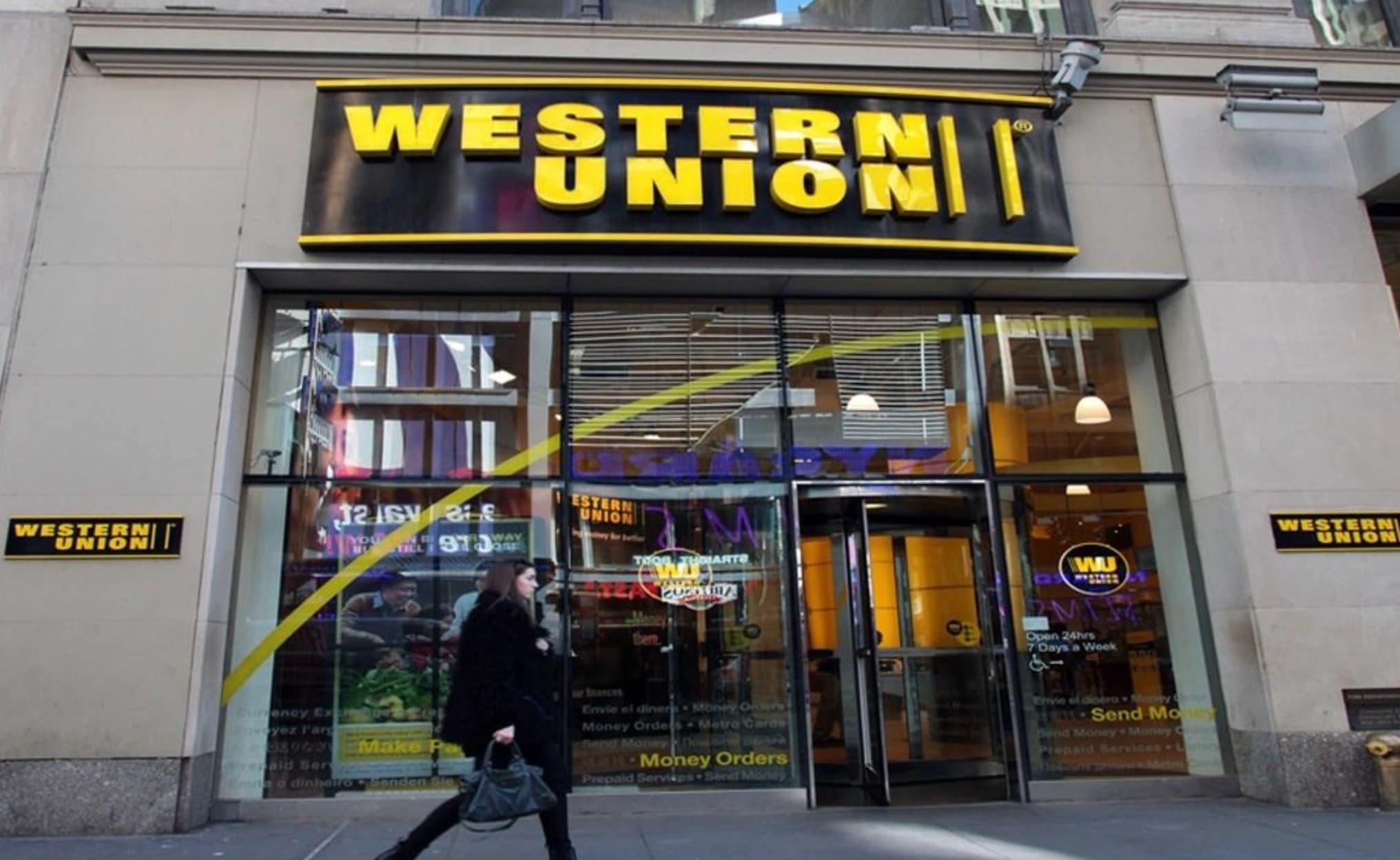
On the upside, International Money Express (IMXI) is the day's cleanest trade setup, surging 24.7% after the NYDFS granted final regulatory approval for its acquisition by Western Union at $16 per share. The deal risk is gone. The arb is closed. Reddit (RDDT) is up 12.07% at $177.20 on massive premarket volume with no confirmed fundamental catalyst — which means options flow is almost certainly driving the move, and chasing it without a clear thesis is a high-probability way to give back gains before noon.
Friday's broader market setup keeps one eye on next week's retail earnings from Walmart and Target, which will test whether the consumer is still holding up under a 4.68% 10-year Treasury yield and 3.3% headline CPI — a combination that has been quietly eroding real purchasing power all year. The Fed Funds rate at 3.63% and SOFR at 3.62% confirm that monetary policy remains restrictive in real terms, even if the market has stopped treating it that way. The week after retail earnings belongs to Nvidia, and that single report carries more index-level event risk than any macro data point on the August calendar. If the S&P holds above 7,750 through next Friday, the bull case into Nvidia's print is structurally intact. A Brent close above $88.00 before then is the number that changes the conversation.
The Weekly Investor
Daily market analysis for active traders. Free.