
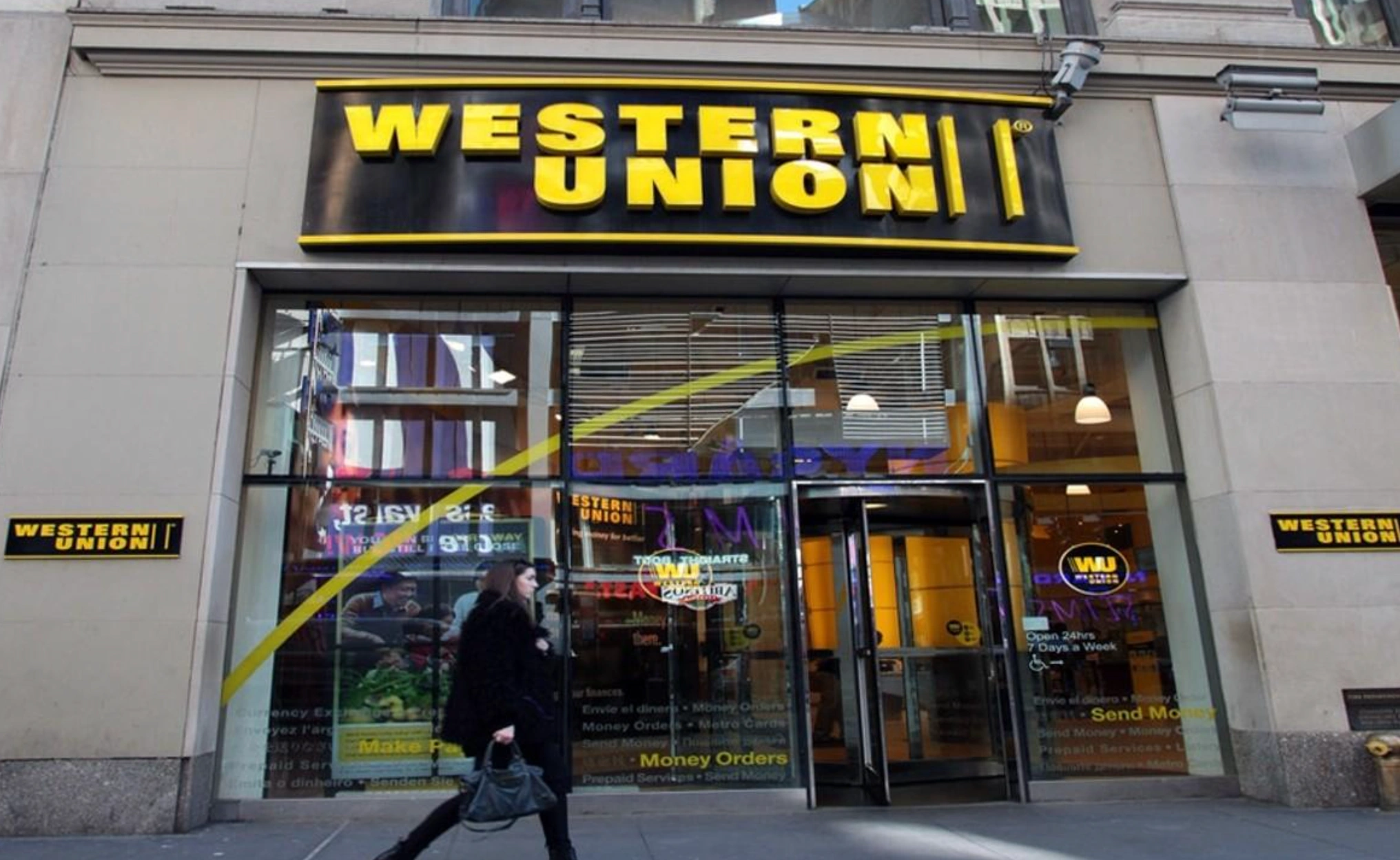
IMXI Soars 25% as Western Union Deal Clears Final Hurdle
NYDFS approval sends International Money Express up 24.7% premarket. The $16/share Western Union deal is done. Here's what the IMXI close means for traders.
Key Points
- The New York Department of Financial Services approved Western Union's acquisition of International Money Express at $16 per share, removing the final regulatory hurdle and sending IMXI up 24.7% in premarket trading Friday.
- The NYDFS approval was the last outstanding condition; the deal is now cleared to close, collapsing the remaining spread and ending the arb trade.
- Traders should monitor WU's integration timeline and whether any competing remittance platforms — including publicly traded operators — re-rate on the consolidation signal.
The last regulatory gate just swung open. The New York Department of Financial Services approved Western Union's acquisition of International Money Express (IMXI) Thursday, clearing the $16-per-share deal's final outstanding condition and sending IMXI rocketing 24.7% in premarket trading Friday to levels last seen when the deal was first announced. The arb spread is gone. The trade is over. What matters now is what this transaction signals about the remittance sector — and whether Western Union just bought its way into relevance or bought itself a problem.
The Deal That Almost Stalled
IMXI had been trading in a tight band below the $16 acquisition price for weeks, with merger arb desks holding modest positions while the NYDFS reviewed the transaction. New York's financial regulator is among the most deliberate in the country when it comes to money transmission licenses — its approval process involves a detailed review of consumer protection standards, anti-money laundering controls, and the acquirer's capital adequacy. The fact that the NYDFS signed off without conditions attached, at least based on what has been publicly disclosed, is a meaningful signal about Western Union's regulatory standing at a moment when the company has been under pressure to modernize its compliance infrastructure.
The $16-per-share price had been the ceiling on IMXI since the deal announcement, functioning as a hard arbitrage cap in a market where deal-break risk was the only meaningful variable left. With Thursday's NYDFS approval, that risk is extinguished. The 24.7% premarket surge reflects traders who were either short the name on deal-break speculation or simply uninvested closing that gap rapidly. Volume at 370,000 shares by 6:30 AM ET suggests institutional participation, not just retail chasing a headline. For anyone who held the arb position through the regulatory wait, the exit is clean and the return is realized.
What Western Union Actually Bought
International Money Express is a Miami-based remittance operator focused predominantly on transfers to Latin America and the Caribbean — a corridor that Western Union has long dominated by volume but has increasingly struggled to defend on price and technology against digital-native competitors including Remitly, Wise, and neobank offerings embedded in consumer apps. IMXI's customer base skews heavily toward Hispanic communities in the United States, with a physical agent network that complements rather than duplicates Western Union's existing U.S. infrastructure.
The strategic logic is corridor consolidation. Western Union is not buying IMXI for its technology stack — it is buying market share in a high-frequency, loyalty-driven remittance segment where switching costs are low and price competition is relentless. IMXI processed approximately $5 billion in remittances annually in its most recent fiscal year, representing a meaningful but not transformational addition to Western Union's global volume base. The deal's value is primarily defensive: by absorbing a focused competitor in its most important domestic origination corridor, Western Union reduces the number of operators capable of undercutting it on the U.S.-to-Latin America route.
That defensive logic has a cost. Western Union is paying a premium for a business that was already under margin pressure from the same digital competitors that are pressuring Western Union itself. According to Yahoo Finance's live market coverage, IMXI's premarket surge Friday reflects deal closure, not a fundamental re-rating of the remittance sector's long-term economics. The structural challenge — lower-cost digital operators taking volume from both companies — doesn't disappear when the acquisition closes. Integration risk, particularly around IMXI's agent network and compliance systems, will become the next overhang on Western Union's execution narrative.
The Sector Signal and What Comes Next
Every completed acquisition in a consolidating sector sends a price signal to competing operators. For publicly traded remittance-adjacent names, the IMXI-Western Union close raises a straightforward question: who gets acquired next, and at what multiple? IMXI was taken out at a price that represented a premium to where it had been trading before deal speculation emerged. In a sector where scale advantages are compressing unit economics for smaller operators, the pressure to either grow through M&A or exit via acquisition is intensifying.
The broader fintech and payments landscape is digesting this transaction against a backdrop of a 4.68% 10-year Treasury yield — a rate environment that makes leveraged deal-making expensive and raises the hurdle rate for strategic acquisitions. Western Union financing this deal in the current rate environment is not cheap. The 10-year yield, last quoted at 4.68% as of August 12, versus a Fed Funds effective rate of 3.63%, reflects a yield curve that has steepened meaningfully — the 48-basis-point spread between the 2-year at 4.20% and the 10-year represents real term premium returning to the market after years of curve inversion. Acquirers paying strategic premiums in this environment are making a bet that synergy realization outpaces financing cost — a bet that deserves scrutiny.
For traders, the IMXI position is closed. The 24.7% premarket gain collapses to whatever the final spread to $16 looks like at open, and once the deal formally closes, the ticker goes dark. The actionable read is second-order: does this transaction prompt a re-rating of any comparable operator still trading independently? Remitly (RELY) is the most obvious comparable — a digital-first, U.S.-origination remittance platform with significant Latin America exposure. It has not been the subject of confirmed acquisition speculation, but the IMXI deal close increases the likelihood that analysts revisit takeout scenarios for names in the same corridor. CNBC's markets desk noted the broader payments sector has been in consolidation mode through mid-2026, and that trend shows no sign of reversing. Watch for Western Union's next investor communication after deal close — specifically any guidance on IMXI revenue integration timing and whether management raises or holds its full-year margin outlook. If integration costs hit the income statement faster than synergies materialize, WU itself becomes the short. The first post-close earnings call is the date that matters.
The Weekly Investor
Daily market analysis for active traders. Free.