
Nasdaq Futures Bleed as Oil Hits $111 and Chips Crack
Nasdaq 100 futures drop 0.46% as Brent crude surges to $111.22 and semiconductor stocks get hammered in pre-market trading Tuesday.
Key Points
- Nasdaq 100 futures are down 0.46% while Dow futures hold a +0.22% gain, a textbook rotation signal rather than a market-wide recovery.
- Brent crude surging 1.52% to $111.22 and WTI ripping 4.15% to $107.96 is compressing tech multiples and amplifying the AI-debt valuation narrative.
- Watch whether Micron, Intel, and Qualcomm can recover from pre-market lows at the open — semiconductor direction will set the Nasdaq's tone before Netflix reports after the bell.
Nasdaq 100 futures are off **0.46%** as of pre-market Tuesday while Dow futures hold a slim **+0.22%** gain — and the gap between those two numbers tells you everything about where money is moving this morning. This is not a recovery. This is a rotation, and it is happening into a tape already bruised by last week's worst Nasdaq performance since June.
The Oil Shock Underneath the Tech Selloff
The macro driver hiding in plain sight is crude oil. Brent futures have surged **1.52% to $111.22 per barrel** and WTI has ripped an eye-catching **4.15% to $107.96** — the kind of single-session move that reprices inflation expectations in real time. For energy stocks, this is a tailwind. For everything else, particularly long-duration growth names trading at elevated multiples, it is a direct headwind. Higher oil means higher input costs, stickier inflation, and a Federal Reserve with less room to cut. That combination is lethal for the AI-infrastructure trade that has driven Nasdaq gains for the better part of two years.
The Middle East tensions fueling this crude spike are not new, but the market's tolerance for absorbing them is eroding. When oil sat at $85 and rates were expected to fall, investors could rationalize expensive tech valuations. With Brent above $110 and the rate-cut calendar being repriced week by week, the denominator in every discounted cash flow model just got heavier. That is the math that is quietly destroying Nasdaq futures this morning before a single share trades on the open.
Chips Are the Confession Box
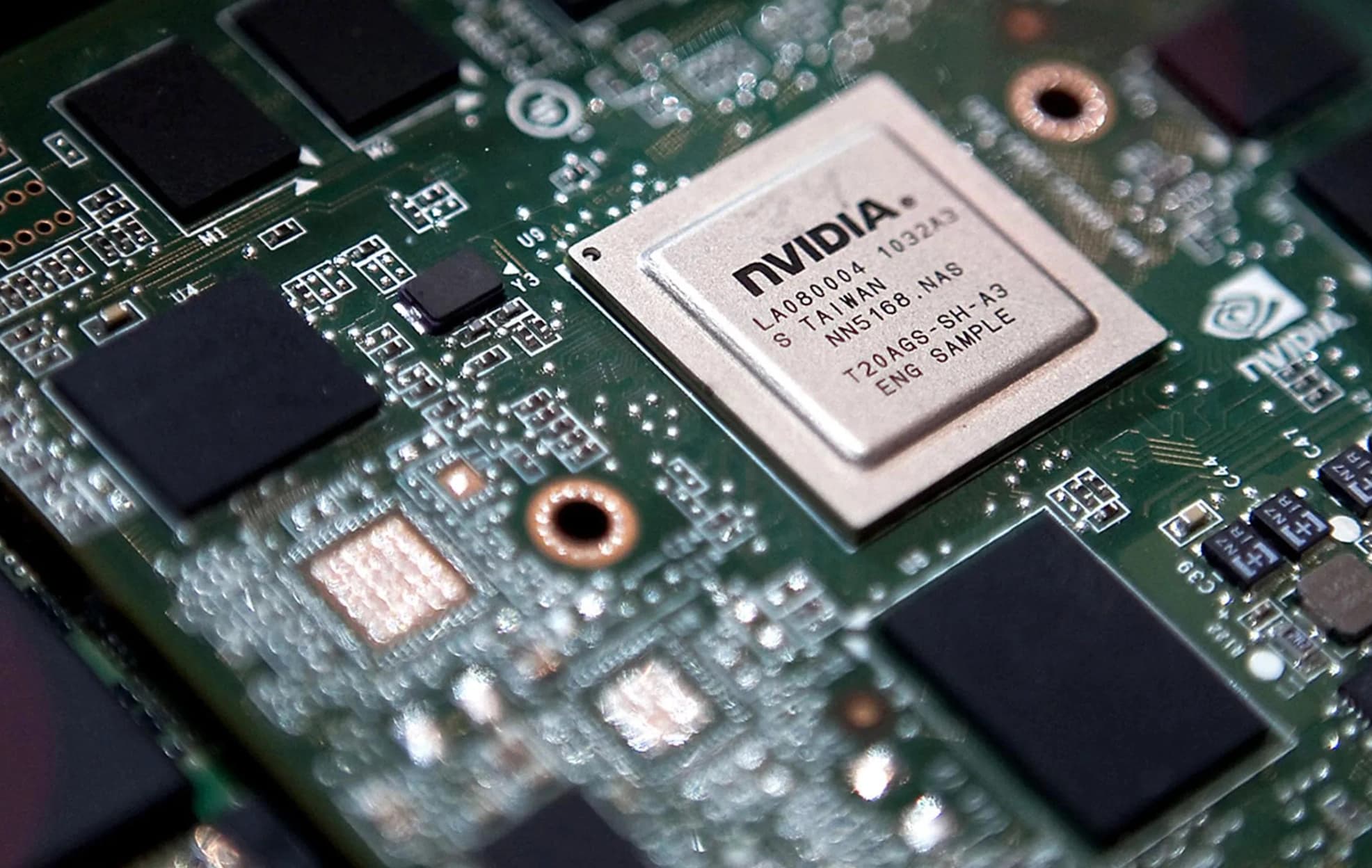
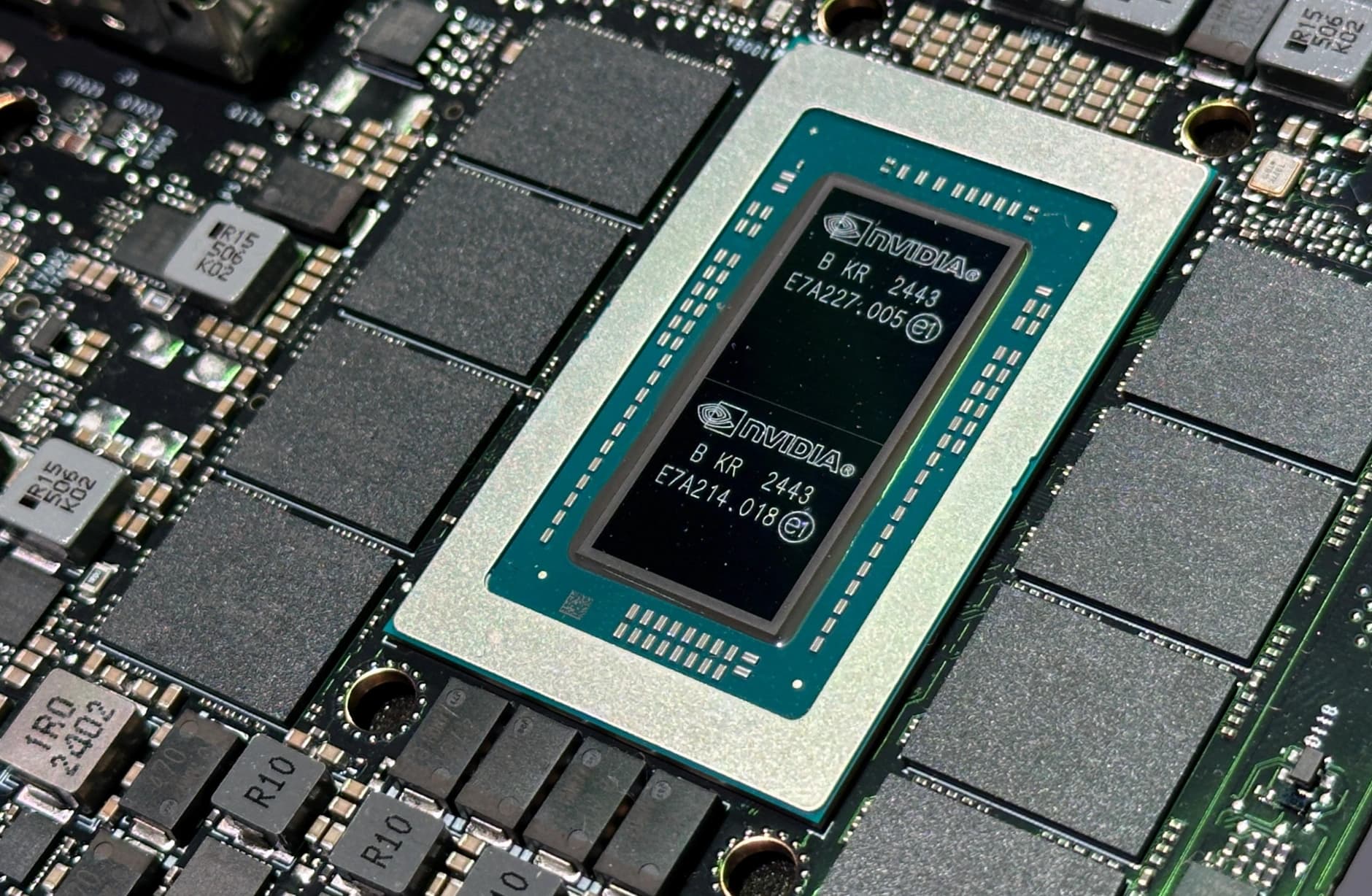
Micron is down **2.5%** in pre-market. Intel is sliding **1.7%**. Qualcomm is off **1.1%**, and SanDisk is the worst of the group at **-3%**. Together, these four names represent a confession: the AI buildout narrative, which powered the semiconductor complex to multi-year highs, is being stress-tested by a new and uncomfortable question — who is going to pay for all of this infrastructure, and at what cost of capital?
The AI debt-load concern is not abstract. Hyperscalers have committed hundreds of billions to data center buildouts, and those commitments are being financed in a rate environment that has proven far more persistent than anyone projected twelve months ago. With oil now adding a fresh inflation variable, the bond market is doing what it always does — selling first and asking questions later. Rising yields mean rising discount rates, and rising discount rates are a semiconductor stock's worst enemy. According to Yahoo Finance's live markets coverage, futures were mixed as AI stocks retreated for a second consecutive session on exactly these concerns.
Monday's partial bounce — the S&P 500 closed up **0.4%** at **7,690** and the Nasdaq gained **1.1%** to **26,430** — is already fading in the futures session, which matters. Bounces that cannot hold overnight in a deteriorating tape are not recoveries; they are short-covering events. The fact that the Nasdaq gave back its morning gap by Tuesday's pre-market open suggests the sellers who stepped aside Monday are already re-engaging.
What the VIX and the Options Market Are Saying
The VIX closed Monday at **18.44**, down sharply from Friday's intraday high of **22.31** — but the options market is not buying the calm. The VXX, which tracks short-term VIX futures, is rising **1.6%** in pre-market Tuesday, a direct signal that institutional desks are paying up for protection heading into a session loaded with earnings catalysts. When VXX rises even as the spot VIX drops, it typically indicates that traders expect the next volatility event is close and are positioning accordingly.
Friday's VIX session deserves more attention than it received. The index traveled from an intraday low of **15.72** to a high of **22.31** — a range of **6.59 points** in a single session — before closing at **19.99**. That kind of intraday whipsaw reflects genuine institutional uncertainty, not retail noise. The VIX closing above **20** for the first time since late July was a technical threshold that momentum-following quant strategies are programmed to notice. Monday's pullback to 18.44 kept the index just below that line, but with VXX bid again this morning, that 20-handle is back in play.
The put/call ratio closed Monday at **0.87** — technically in bullish territory, but elevated for a session where the major indexes actually gained. That divergence between price action and options positioning suggests the rally lacked conviction among the traders most actively managing risk. Polymarket's prediction contracts show a **55% probability** of a higher S&P 500 close on October 20, which sounds modestly bullish until you note it implies a **45% chance of a down day** on a full earnings calendar.
What Traders Watch Next
The S&P 500 is currently bouncing along the lower boundary of its August-to-present trading range, bracketed between **7,620 and 7,800**. Monday's close at **7,690** puts the index roughly in the middle of that range, but Nasdaq futures rolling over again this morning suggests the range is more likely to break down than up if the semiconductor complex cannot stabilize at the open. The 50-day moving average, which both the S&P and Nasdaq closed below on Friday, remains the key technical level to reclaim. Until those averages are cleared on a closing basis, the default posture for momentum models is to sell strength.
Today's earnings calendar is a minefield: GE Aerospace, RTX, 3M, General Motors, Northrop Grumman, Halliburton, Intuitive Surgical, Capital One, and United Airlines all report before the numbers that actually matter — Netflix after the close. NFLX is the sentiment fulcrum for the week. A beat on subscribers and revenue growth could rehabilitate the narrative that high-multiple growth stocks still deserve their valuations. A miss, in this tape, with oil at $111 and semiconductors cracking, would be the catalyst that breaks the S&P 500 below **7,620** and puts the August lows back on the table before the week is out. If Micron cannot recover from its **-2.5%** pre-market hole within the first thirty minutes of trading, the Nasdaq will underperform the Dow for a second straight session — and the rotation out of tech will stop looking tactical and start looking structural.
The Weekly Investor
Daily market analysis for active traders. Free.