ECB at 2.65%, BOJ at 0.75%: Policy Divergence Hits a New Extreme
The ECB hiked 40bps to 2.65% while the SNB cut to 0.00%. Global central bank divergence in 2026 is reshaping FX, bonds, and carry trades in real time.
Key Points
- The ECB has raised its deposit facility rate 40bps to 2.65%, the BOJ sits at 0.75% — its highest since 1995 — while the SNB just cut to 0.00%, creating the widest simultaneous developed-market policy spread in at least a decade.
- The divergence is structural, not cyclical: different inflation profiles, energy dependencies, and currency transmission mechanisms mean these gaps will not converge quickly.
- The SNB rate decision this week is the next live catalyst; traders should watch EUR/CHF and USD/CHF for the first real-time pricing of how deep the Swiss deflation risk premium has become.
The Swiss National Bank just cut its policy rate to zero. The European Central Bank raised its deposit rate 40 basis points to 2.65%. The Bank of Japan is at 0.75%, a level not seen since 1995. The Federal Reserve sits at 3.75–4.00% after its first hike in three years. These four numbers, reported simultaneously in the same week of September 2026, represent the most fragmented developed-market central bank policy landscape since the post-2008 recovery period — and the FX and fixed income implications are still being priced in real time.
Four Central Banks, Four Different Problems
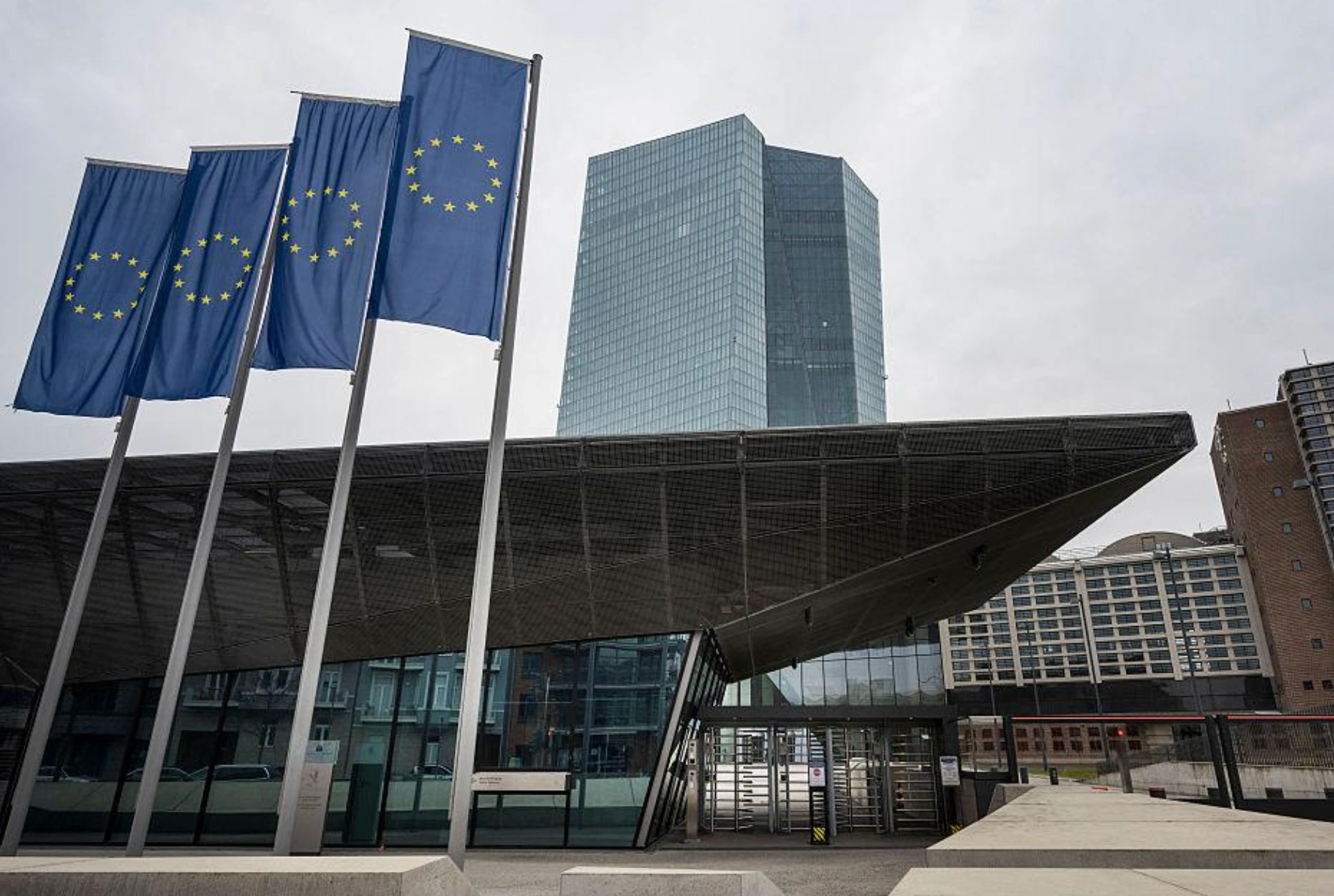
The ECB's decision to push its deposit facility rate to 2.65% — a 40bps move that extended a tightening cycle already running against the grain of what most economists had modeled for eurozone growth — reflects a bloc that cannot afford to look soft on inflation when energy costs are keeping headline CPI elevated across Germany, France, and the periphery. The 40bps increment, larger than the standard 25bps used by the Fed and BOJ, signals a degree of urgency that the ECB's public communications had somewhat underplayed. Frankfurt is playing catch-up, and the size of the move says so more clearly than any press conference statement.
The Bank of England, sitting at 3.75% and effectively mirroring the Fed's stance, has its own version of the same problem: a labor market that refuses to break, services inflation running hotter than the headline, and a housing market in the early stages of rate-driven stress. The BoE's parity with the Fed funds rate — both at 3.75% before the Fed's latest 25bps — means sterling has lost one of its traditional carry differentials, compressing the trade that had kept cable relatively bid through much of 2025. With the Fed now at 4.00%, the differential has flipped 25bps in favor of the dollar, a small but directionally meaningful shift that will compound if the dot plot's additional hike materializes.
The Bank of Japan's trajectory is the most structurally significant shift in global finance in 2026. At 0.75%, the BOJ is at its highest policy rate since 1995, the product of inflation that has stayed above 2% for nearly four years and a political decision — backed by new BOJ leadership — to finally end the era of yield curve control and negative rates that defined Japanese monetary policy for a decade. Every 25bps the BOJ adds tightens the screws on the yen carry trade, one of the largest structural positions in global macro. Funds that borrowed in yen at near-zero rates to buy higher-yielding assets in the U.S., Australia, and emerging markets are watching their funding cost rise quarter by quarter.
The SNB Cut Changes the Carry Math
The SNB's decision to cut to 0.00% — from 0.50% — is the outlier that reshapes the divergence trade in ways that are not yet fully reflected in spot FX. Switzerland is facing deflation risk and a franc that has appreciated to the point of damaging export competitiveness, a problem the SNB has battled with varying success since the 2015 EUR/CHF floor removal. At 0.00%, the SNB is now the only major developed-market central bank with a zero policy rate, a distinction it shares with nobody and a position that mechanically makes the franc a cheap funding currency for carry strategies targeting the Fed's 4.00% or the ECB's 2.65%.
The practical effect is that EUR/CHF and USD/CHF become more interesting carry vehicles than they have been in years. If the franc weakens in response to the SNB cut — as the rate-decision analysis suggests is the near-term base case — traders long EUR or USD against CHF capture both the carry differential and any spot appreciation. The risk, as always with Swiss franc trades, is a risk-off shock that triggers safe-haven demand for the franc regardless of rate differentials. The franc's correlation with equity volatility is not zero, and in a world where the Fed is actively hiking, the probability of a credit event or recession scare that would blow out CHF shorts is not trivial.
The RBNZ at 2.75% adds another data point to the divergence map. New Zealand's rate level puts it below the Fed and the ECB but above the BOJ and SNB, a middle-ground position that reflects an economy that ran hot through 2024–2025 and is now decelerating but not contracting. The NZD carry relative to the yen — roughly 200bps — remains live, but the BOJ's hiking path means that spread is compressing at a pace that will eventually force position unwinds. When those unwinds happen, they tend to be violent; the August 2024 carry unwind, triggered by a single BOJ rate decision, erased weeks of equity gains in a matter of days.
The FX Battlefield This Week
Today's data calendar is thin — the Philadelphia Fed Non-Manufacturing Survey at 8:30 a.m. and the Richmond Fed Manufacturing Survey at 10:00 a.m. are second-tier regional prints that rarely move the dollar on their own. The Federal Reserve's events calendar confirms that Bowman's London speech was the primary scheduled Fed communication today, and it was regulatory in nature, focused on stress test reform and the stress capital buffer averaging rule. No rate guidance, no inflation commentary. The dollar's direction today is being set by positioning around the week's bigger events, not today's releases.
Xi's visit to the U.S. this week injects a geopolitical variable into the currency math that is hard to hedge cleanly. Any signal of trade normalization between Washington and Beijing would be interpreted as disinflationary for goods prices globally, which could slightly reduce the urgency of the Fed's and ECB's tightening paths. That scenario would be dollar-negative and euro-neutral-to-positive, while a breakdown in talks — or no meaningful communiqué — would reinforce the status quo of elevated rates and dollar strength. The FOMC's September projections were made without the benefit of knowing the Xi summit outcome, which means any concrete policy shift from that meeting is an unpriced catalyst.
Wednesday's global flash PMIs are the week's most actionable macro print for FX traders. A eurozone services PMI that prints below 50 would immediately pressure the ECB's 2.65% rate stance — markets would begin pricing the probability that Frankfurt has hiked too far into a decelerating economy, which is EUR/USD negative. A U.S. services PMI that surprises to the upside would do the opposite: reinforce the Fed's "solid expansion" language, push 10-year yields higher, and extend the dollar's rate differential advantage. The specific EUR/USD level to watch through Wednesday's print is 1.0650; a clean break below that on a weak eurozone PMI would open a technical move toward 1.0480, a level not tested since early 2025.
The Weekly Investor
Daily market analysis for active traders. Free.