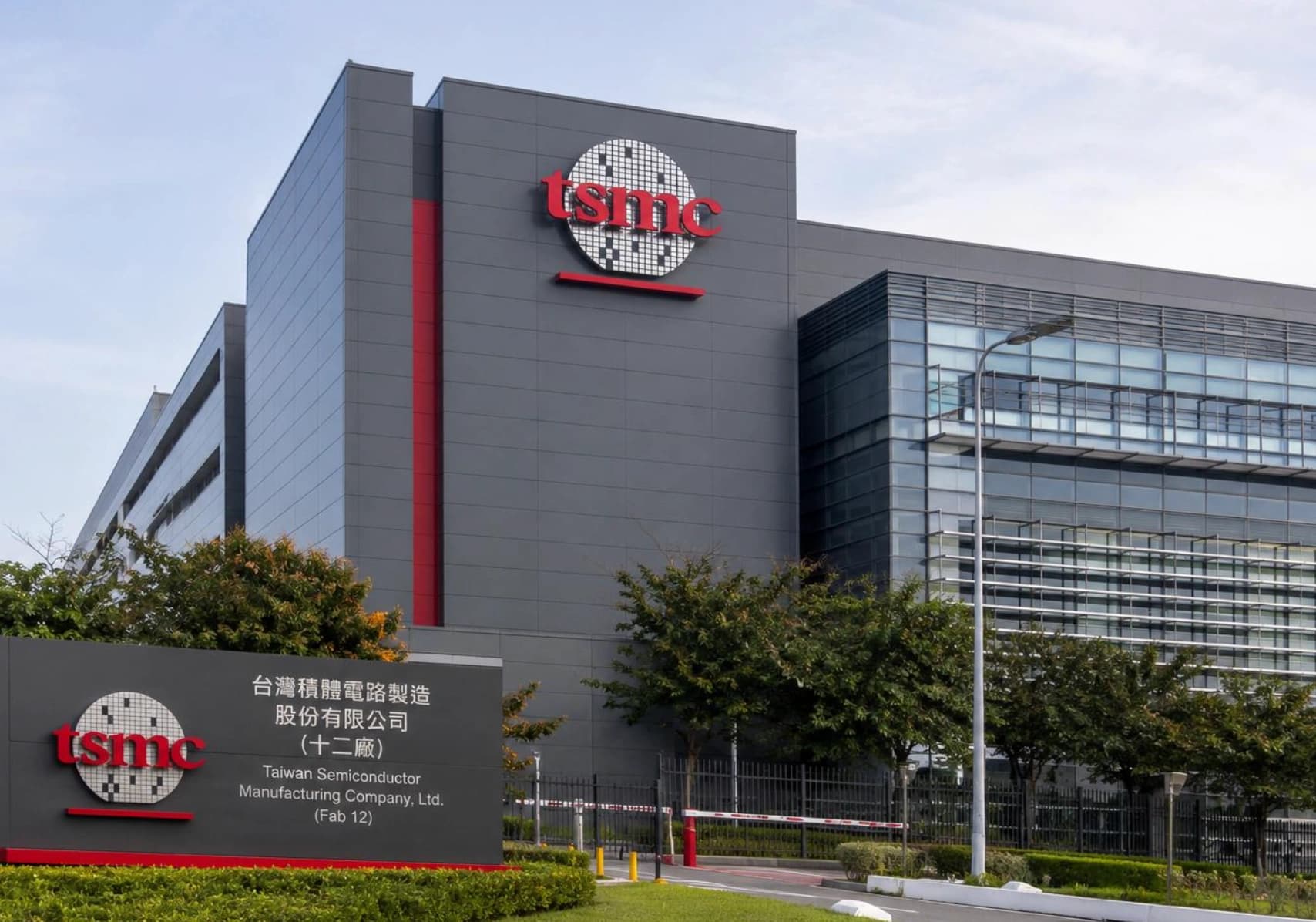
TSMC Hits All-Time High as Terafab Talks Crush Intel
TSM surged 2.75% to $485.80 on Musk's TSMC-Terafab comments, hitting a record high ahead of Oct. 15 earnings. Intel dropped 4% on exclusivity fears.
Key Points
- TSM surged 2.75% to $485.80 Tuesday, breaching its 52-week high of $485.73 and briefly pushing market cap past $2.5 trillion on Musk's confirmation of active Terafab discussions.
- Intel fell 4% to $114.52 in isolation — AMD, ASML, and ARM all dropped less than 1.5% — confirming the selloff is specific to Terafab exclusivity risk, not broad sector pressure.
- TSMC reports earnings October 15; the stock has averaged a 3.61% decline the session after its last two beats, making the pre-earnings long the cleaner trade than the hold-through.
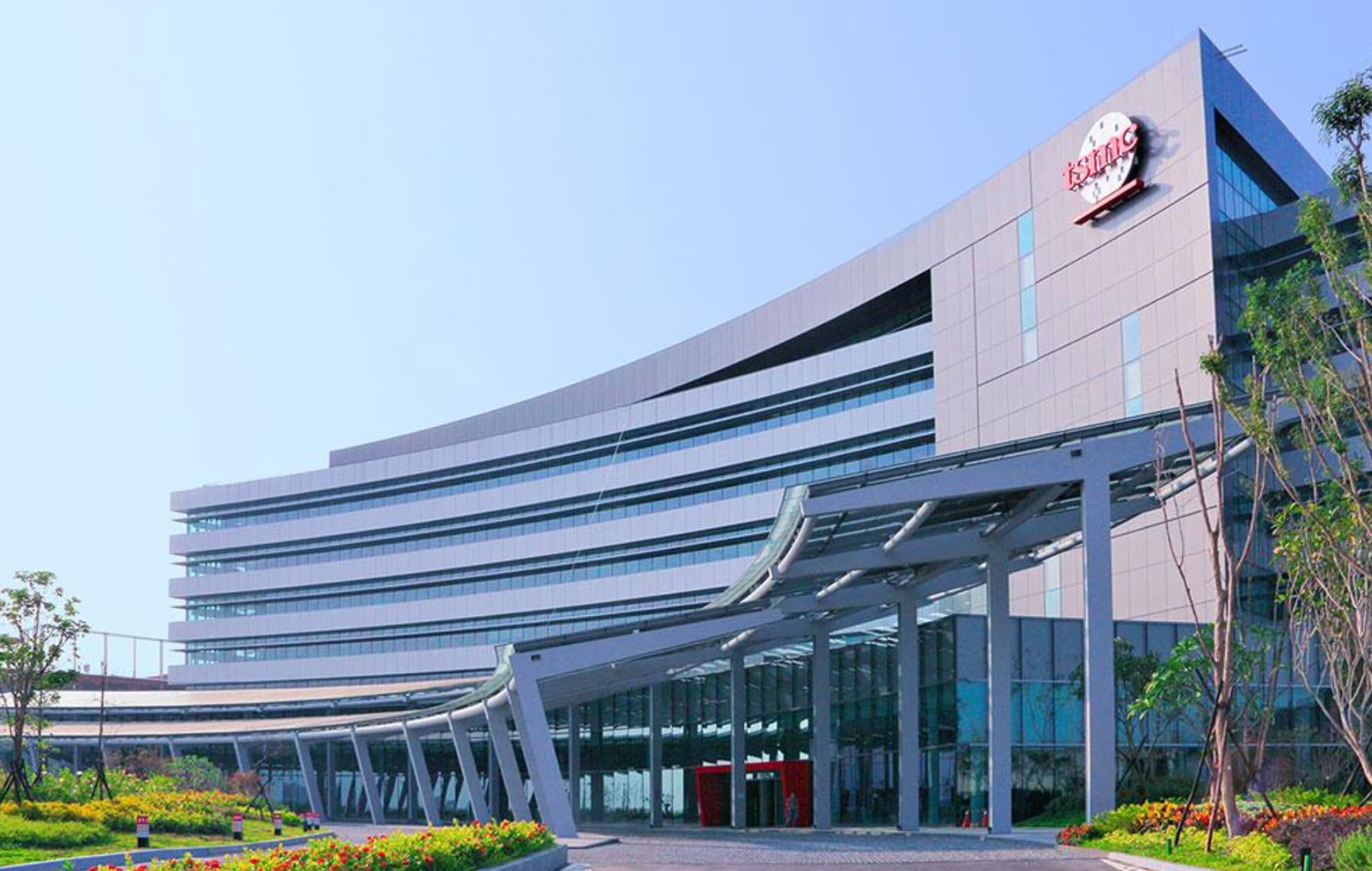
Taiwan Semiconductor Manufacturing hit **$485.80** Tuesday, a new all-time high, after Elon Musk confirmed over the weekend that TSMC and his Texas manufacturing venture Terafab are in "active discussions." The move adds 2.75% in a single session and briefly pushes TSM's market cap through $2.5 trillion — all with earnings nine days away on October 15.
The Trade That Broke Intel
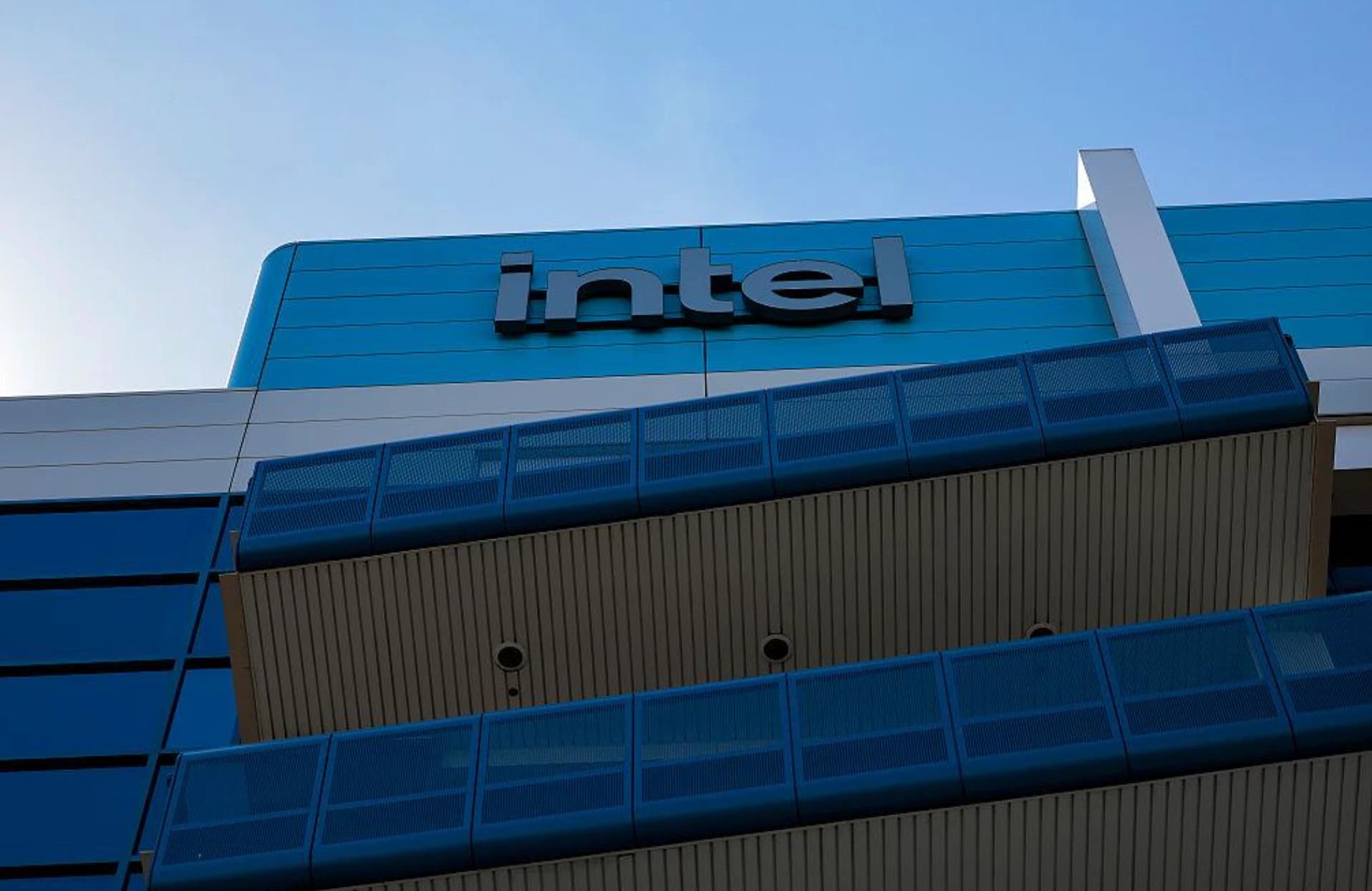
The asymmetry of Monday's price action tells the story more precisely than any press release. Intel fell 4% to $114.52 while AMD declined just 0.34%, ASML dropped 0.40%, ARM fell 1.49%, and Qualcomm retreated 2.21%. None of those moves are catastrophic. Intel's is. When the rest of the semiconductor index gives back less than a point and one name loses four, the market is pricing in something stock-specific — and in Intel's case, that something is the potential loss of its named status as Terafab's sole chip partner.
Terafab had previously designated Intel as its exclusive manufacturing partner, a relationship that carried enormous strategic weight for a company desperate to validate its foundry ambitions. Musk's weekend comments — characterizing TSMC talks as active, not exploratory — directly undercut that designation. Intel's foundry division brought in $5.765 billion last quarter and still posted a $2.1 billion operating loss. Its trailing gross margin sits near 34.8%, roughly half of TSMC's. The foundry business cannot absorb the reputational and revenue hit of losing a flagship anchor tenant, particularly one tied to the AI infrastructure buildout that is driving every capex dollar in the sector right now.
Susquehanna had already flagged processor share losses at Intel before Monday's drop. The stock is now carrying two separate structural narratives — foundry uncompetitiveness and Terafab exclusivity erosion — and neither resolves quickly. The 4% Monday decline may not be the floor. Investors who bought the Terafab announcement as an Intel catalyst need to reassess whether that thesis still holds if TSMC takes even a partial role in the project.
What TSMC's Numbers Actually Justify
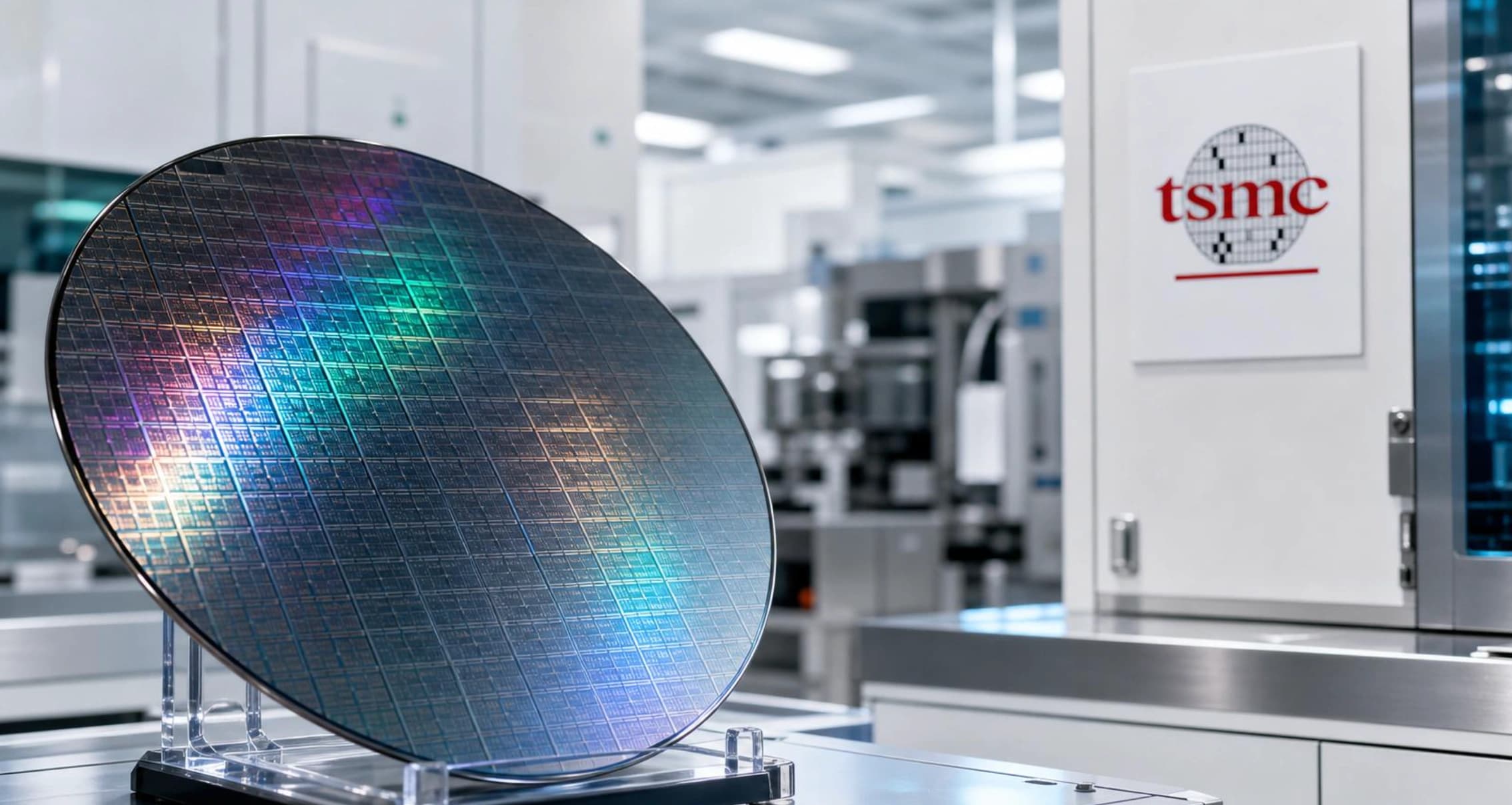
Strip away the Terafab optionality and TSMC's standalone fundamentals are already strong enough to justify the run. High-performance computing made up 66% of Q2 revenue, up 20% quarter-over-quarter. The company posted 36% revenue growth year-over-year, then raised full-year guidance above 40% — a guidance raise after already printing 36% growth is not a common occurrence in any sector. Q3 gross margin guidance of 65% to 67% sits comfortably above the company's own 56%-plus long-term target, which itself was considered ambitious when management set it.
TSMC raised its 2026 capital expenditure budget to $60 to $64 billion. Its A14 node begins volume production in 2028. Per Nikkei Asia reporting from July, the company is increasing chipmaking fees by 10% starting 2027, and already charges 10% to 15% premiums on orders above initial commitment levels. That pricing power — the ability to charge more when customers need more — is structurally rare in manufacturing. It reflects a captive market: AMD CEO Lisa Su flew to Taipei this week specifically to secure TSMC supply for 2027, confirming she has already met with Foxconn and plans a separate TSMC meeting before heading to South Korea for memory supply from Samsung and SK Hynix. When the CEO of your second-largest customer flies to your headquarters to beg for allocation, you raise prices.
At 22x 2027 earnings estimates, TSM is not expensive given a 40%-plus growth guide. The Terafab optionality is not priced into those estimates at all — it is incremental. If the discussions result in even a partial manufacturing agreement, the revenue impact would flow into a P&L already generating the sector's highest margins. NVIDIA, by comparison, trades at 30.2x earnings on a market cap of $5.769 trillion and reports November 17. TSM is delivering comparable strategic centrality at roughly one-third the multiple.
What Traders Watch Next
The tension in this trade is entirely about the October 15 earnings event. TSMC's last two earnings reports both beat consensus estimates, and in both cases the stock fell an average of 3.61% the following session. That pattern is consistent with a company that has become so central to every AI infrastructure thesis that its earnings are fully priced before the print lands — leaving little room for the upside surprise to drive additional buying, while any guidance nuance triggers profit-taking. The stock is now trading at its all-time high with nine days to go. Buying the story and fading the earnings print is the cleaner expression of the thesis than holding through the report.
Watch specifically for Q3 revenue guidance versus the 65% to 67% gross margin range management set in July. Any compression in that margin figure — from rising energy costs at Arizona fabs, currency headwinds, or accelerated A14 investment — would give the market a reason to sell despite topline strength. TSMC's Arizona expansion is running ahead of schedule but at higher cost than Taiwan-based production, and that cost differential will appear in margins before it appears in revenue. Management commentary on Terafab discussions, if any, will move the stock regardless of the financial results. The company rarely pre-announces strategic partnerships, but a question from an analyst on the October 15 call is inevitable — and Musk's public confirmation of "active discussions" gives TSMC's IR team less cover to deflect than they would normally have. The $485.80 level is now the line. A close above it heading into earnings week confirms the breakout. A reversal below $475 before October 15 signals the market is positioning for the familiar post-earnings fade rather than a new leg higher.
The Weekly Investor
Daily market analysis for active traders. Free.