PTC Surges 36% on Earnings; Intel Slides 3.5% Pre-Market
PTC Inc. jumps 36% to $196 on a blowout earnings beat while Intel drops 3.5% on 6.26M pre-market shares. Two opposite signals from the tech complex Tuesday.
Key Points
- PTC Inc. is up 36.09% to $196.01 on 2.68 million pre-market shares after delivering a blowout earnings and guidance beat, making it the single largest large-cap mover in Tuesday's pre-market session.
- Intel is moving in the opposite direction, sliding 3.48% to $115.18 on 6.26 million shares — the heaviest pre-market volume on the tape — as pressure on the legacy semiconductor business compounds.
- The divergence between PTC's software-driven beat and Intel's continued erosion is a live referendum on which corner of the tech complex has pricing power heading into the heart of Q3 earnings season.
PTC Inc. is up 36% before the opening bell, and Intel is down 3.5% on the highest pre-market volume of any stock on the tape. That spread — a software company printing a blowout quarter alongside a legacy chipmaker bleeding share — is the most concentrated version of a broader story playing out across the entire technology sector this earnings season.
PTC's Number and What It Signals
PTC closed Monday somewhere below $144. Pre-market Tuesday it's at $196.01, up 36.09% on 2.68 million shares — and by separate data sourced from Investing.com, the stock was also flagged at +33.49% to $192.26 on 29.55 million shares in a parallel reading, reflecting the velocity of order flow hitting the tape from multiple venues simultaneously. Either way, this is a violent, high-conviction gap up, not a gentle drift. The company delivered an earnings and guidance beat strong enough to reprice the stock by more than a third in a single session.
PTC operates in industrial software — product lifecycle management, IoT connectivity, augmented reality for manufacturing operations. It isn't a pure AI play in the way NVIDIA or the hyperscalers are framed, but its customer base is exactly the industrial and manufacturing complex that is actively spending on digital transformation. When a company in that vertical beats guidance by enough to gap 36% on millions of pre-market shares, it tells you two things: first, enterprise software demand in the industrial space is holding up better than bears expected; second, consensus estimates coming into the quarter were meaningfully too low. Both readings are bullish read-throughs for peers in the space.
The stock had already been on a strong trajectory. A 36% single-session move, even from a high base, raises the immediate question of whether to chase. The honest answer for most traders is: not at the open. Gaps of this magnitude almost always see an initial wave of profit-taking from pre-market buyers who bought the catalyst on first print. The cleaner trade is to identify the first 30-minute range after the cash open, then look for a pullback to that range's base with volume drying up — that's the entry that offers a defined stop and a reasonable risk-reward to the day's high.
Intel's Problem Is Getting Louder
On the opposite side of the ledger, Intel is sliding 3.48% to $115.18 in pre-market trading on 6.26 million shares — the most active single stock in the entire pre-market session by volume. That's not retail noise. Six-plus million pre-market shares on a name like INTC means institutions are repositioning, not rebalancing. As reported in early Tuesday session coverage, Intel's pressure is drawing attention precisely because it's happening on a risk-on morning — when most of the tape is green and the Nasdaq just printed a record high, a -3.5% decline on maximum volume is a signal that demands explanation.
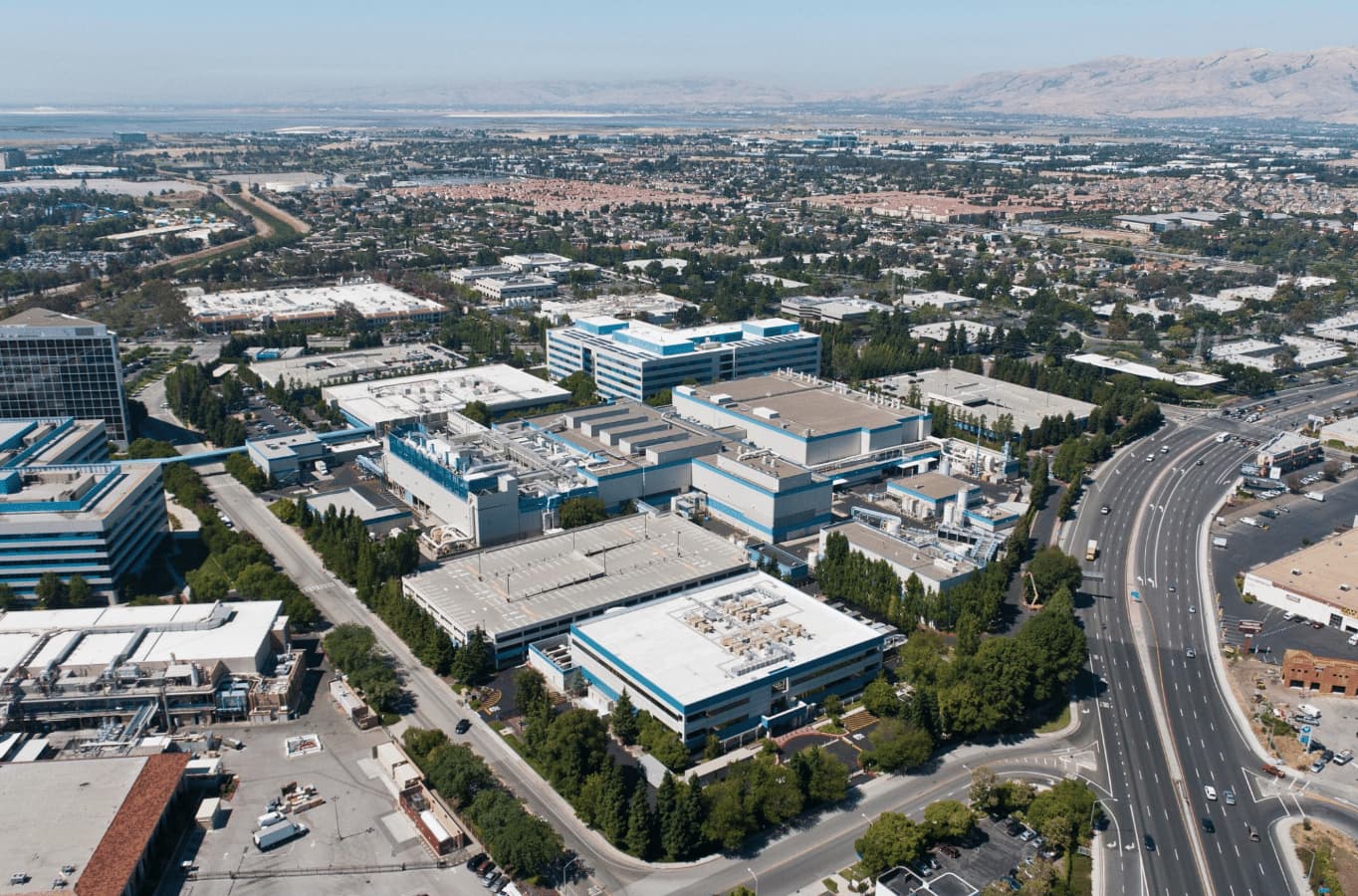
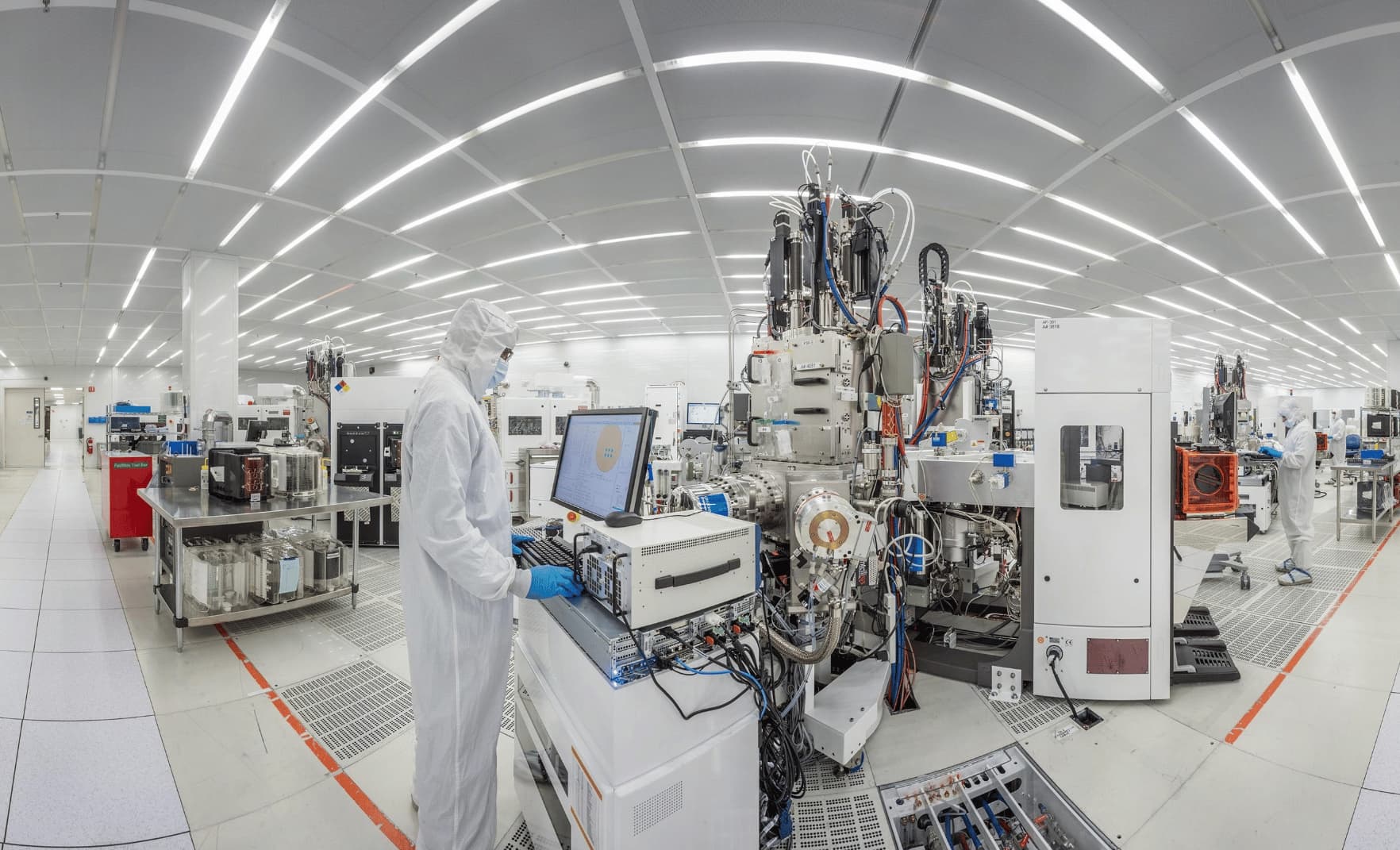
Intel at $115.18 is deep in restructuring territory. The company has been navigating a multi-year transition — trying to rebuild its foundry business, compete with TSMC on process technology, and simultaneously defend its data center CPU share from AMD, which is trading pre-market at $629.93, down a marginal -0.63%. The AMD number is important context: if Intel's problem were purely macro or sector-related, AMD would be getting hit harder. The fact that AMD is essentially flat while Intel is down 3.5% on six times the volume strongly suggests the selling is Intel-specific, not a read-through to the broader semiconductor complex.
The contagion question is legitimate but the data argues against it, at least for now. NVIDIA is up +1.03% to $236.35 on a far lighter 2.42 million pre-market shares. The AI infrastructure names — the ones supplying GPUs, networking, and memory into the data center buildout — are not moving in sympathy with Intel's decline. That's a healthy sign for the Nasdaq's record-high push, but Intel's trajectory deserves monitoring into the open. If the stock gaps down and continues lower on heavy volume through the first hour, it will start attracting attention as a potential broader signal about enterprise IT spending cycles.
Reading the Full Pre-Market Tape
Beyond PTC and Intel, the pre-market has produced several other outsized moves worth contextualizing. Alector surged 67.5% on 29 million shares after announcing an exclusive development deal with Genentech for its brain-penetrant GCase enzyme replacement therapy targeting Parkinson's disease. That's a genuine, substantive catalyst — a partnership with a major pharma name on a platform asset in a high-value neurological indication. The 67.5% move on 29 million shares reflects the market assigning real probability to a commercially viable program, not a speculative squeeze.
Paramount Skydance — now trading under the ticker PSKY — was up 99% following the official completion of the Warner Bros.-Paramount merger and rebrand. That move is more mechanical than fundamental: the near-doubling reflects a recalibration of the post-merger entity's market cap rather than new fundamental information. Vaxcyte added 57% to $88.86 on 1.59 million shares on a biotech catalyst, continuing a year of strong performance from the vaccine developer.
Yahoo Finance's live market tracker also flags Workiva as an unusual-volume standout Tuesday morning after the company was confirmed as a new addition to the S&P SmallCap 600, effective today. Index inclusion triggers mandatory buying from every passive vehicle tracking that benchmark — it's a mechanical, date-certain catalyst, and the buying pressure doesn't depend on Workiva's fundamentals at all. Traders who missed the announcement pre-open should be cautious chasing it; the forced-buying flow is most concentrated in the first session and typically fades within 48 to 72 hours as passive funds complete their rebalancing.
The forward-looking setup centers on whether PTC's beat is the first in a series of upside earnings surprises from industrial and enterprise software names, or an outlier. The next major signpost is the start of large-cap bank reporting, which will arrive within the next two weeks and carry the most weight in framing the macro backdrop for the remainder of Q3 earnings season. If the financials confirm that credit quality is holding and business investment is intact, PTC's blowout quarter will look like a leading indicator — and the S&P's path to 8,000 will have fundamental earnings support behind it, not just multiple expansion.
The Weekly Investor
Daily market analysis for active traders. Free.