Intel Jumps 3% as Tigress Lifts Target to $145
Intel stock rises 3.1% to $100.14 as Tigress Financial raises its price target to $145, citing foundry wins — two days after a 6% chip-sector rout.
Key Points
- Intel shares are up 3.1% to $100.14 Wednesday after Tigress Financial's Ivan Feinseth raised his price target from $118 to $145, maintaining a Buy rating.
- The rally is powered by reports of improved manufacturing efficiencies and new foundry contract wins, reversing a near-6% rout that hit INTC just 48 hours ago.
- Traders should watch Intel's $105 resistance level and Thursday's Federal Reserve rate decision, with a 92% probability of a hike now priced in by the CME FedWatch Tool.
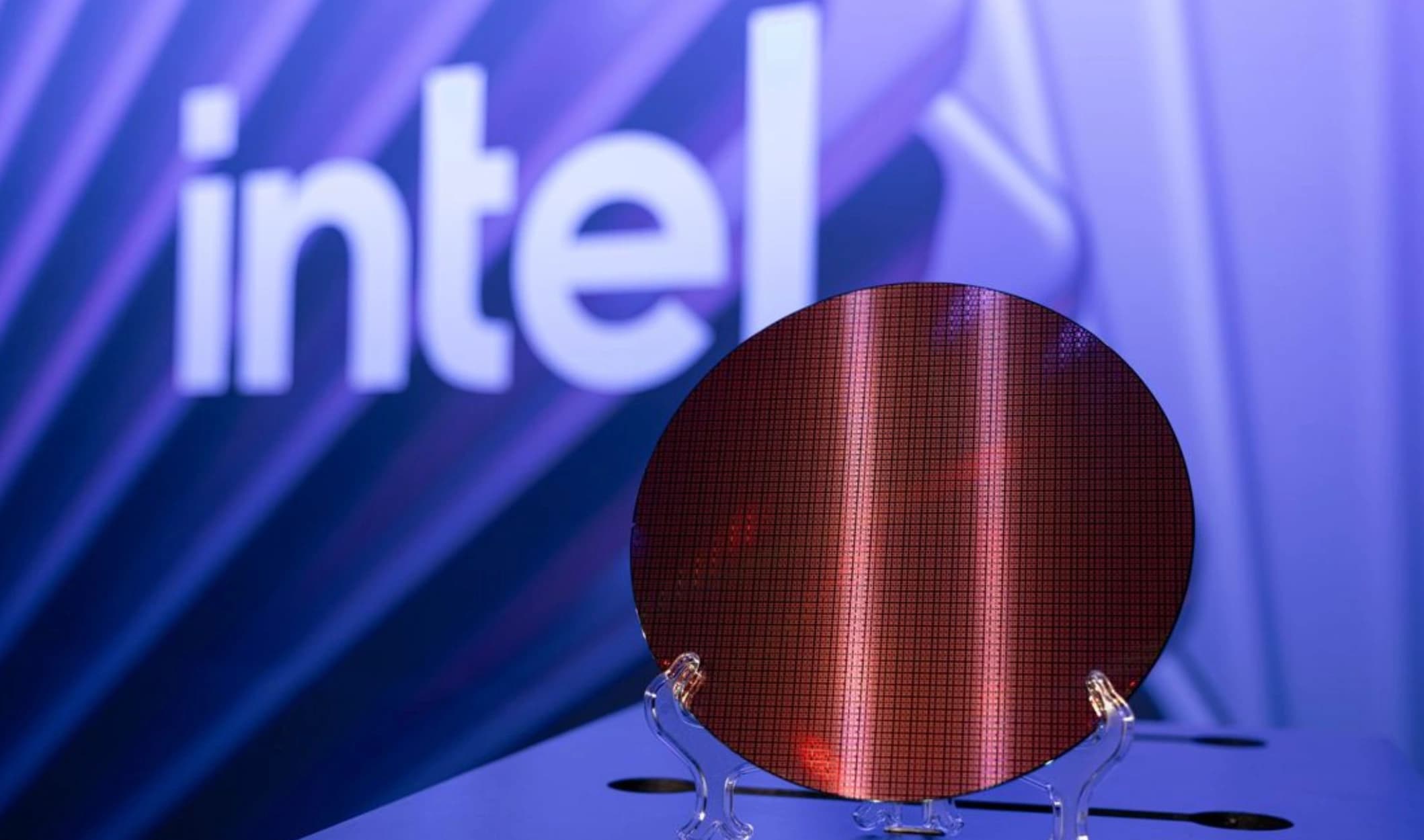
Intel Corp is up 3.1% to $100.14 Wednesday morning — a sharp reversal from Monday's near-6% premarket collapse — after Tigress Financial analyst Ivan Feinseth raised his price target from $118 to $145, pointing to accelerating foundry contract wins and measurable gains in manufacturing efficiency that the bear camp has consistently underpriced.
The Anatomy of a Two-Day Whipsaw
Monday's chip-sector implosion set the stage. Shares of Intel, Marvell Technology, and AMD went into freefall in premarket trading on September 14 after Anthropic CEO Dario Amodei publicly called for a slowdown in AI capabilities development — a comment that traders interpreted as a demand-destruction signal for the high-end silicon underpinning frontier AI workloads. Intel slid nearly 6%, AMD dropped more than 5%, and Marvell cratered over 7.4% in a single session. The Philadelphia Semiconductor Index absorbed a gut-punch that reminded traders just how sentiment-driven this cohort remains, even as underlying order books tell a more constructive story.
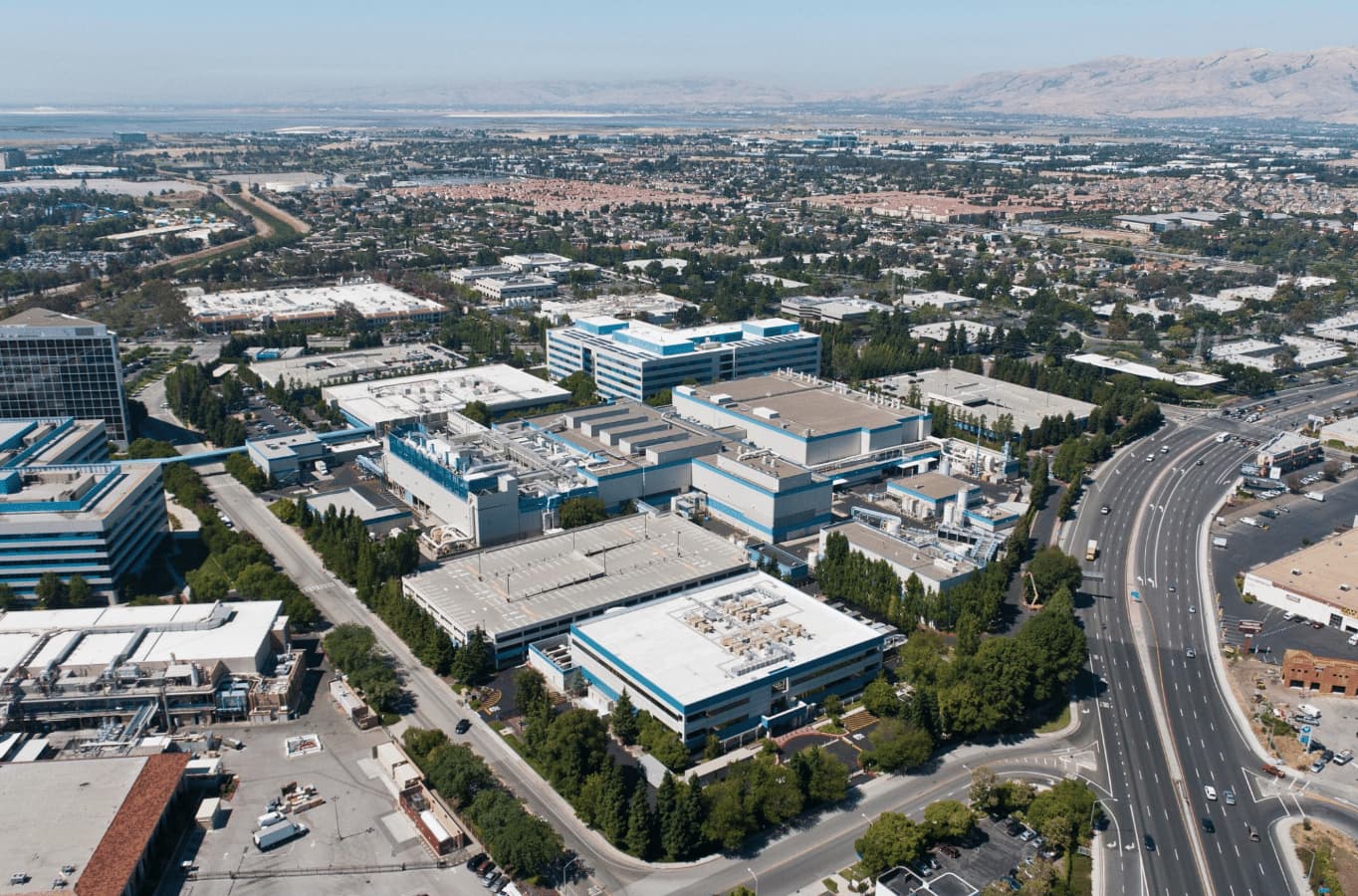
Wednesday's recovery is not simply a dead-cat bounce. Feinseth's revised $145 target — a $27 lift from his prior $118 — carries specific operational logic. The analyst is pointing to documented wins in Intel's foundry business, a segment that CEO Pat Gelsinger staked his turnaround thesis on when he returned to the company in 2021. Intel's foundry ambitions faced years of skepticism from institutional investors who watched Taiwan Semiconductor Manufacturing and Samsung dominate advanced-node production. But reports circulating this week indicate Intel has secured new manufacturing contracts with customers previously considered firmly in TSMC's orbit. Feinseth is not alone in reassessing the foundry narrative, though he is currently the most aggressive bull on the Street with a 45% implied upside from Wednesday's $100.14 price.
Foundry Math and the Broader Semis Bid
The numbers behind Intel's foundry pivot matter for anyone sizing a position. Intel's manufacturing segment has historically operated at a loss as the company invested in new fabrication facilities and process node development. The investment thesis for the bulls has always been that foundry profitability is a 2026-2027 story, not a 2024 problem — and Wednesday's price action suggests some institutional money is beginning to agree with that timeline. New contract wins, if confirmed, would represent incremental revenue on a fixed-cost base that is already largely sunk, meaning marginal dollars flow to the bottom line at structurally higher margins than Intel's legacy product divisions.
The broader semiconductor recovery playing out Wednesday provides additional tailwind. Micron Technology is up 0.7% and SK Hynix is advancing 2.8%, the latter benefiting from continued momentum in HBM4 memory — a product category that sits at the intersection of AI server build-outs and next-generation GPU architectures. The Invesco QQQ Trust is up 0.40%, with the semiconductor sub-sector doing significant heavy lifting in that advance. BofA analyst Vivek Arya separately reiterated a Buy on Marvell Technology with a $365 price target Wednesday, arguing that Marvell's custom AI silicon addressable market could reach $300 billion by 2030. Marvell has surged 241% in the past year, and its recovery Wednesday reinforces the read that Monday's Anthropic-driven selloff was a sentiment overshoot rather than a fundamental recalibration.
What Thursday's Fed Decision Means for INTC
Intel's Wednesday recovery does not occur in a vacuum. The Federal Reserve is in its final hours of deliberation before a rate decision Thursday, with CME FedWatch Tool pricing a 92% probability of a rate hike. That macro backdrop creates a binary risk event for a stock like Intel that is simultaneously a value play — trading well below its 52-week analyst consensus — and a growth story dependent on capital-intensive foundry expansion. Higher rates increase the discount rate applied to future cash flows, a dynamic that has mechanically pressured semiconductor multiples throughout the current tightening cycle.
The tension between Intel's improving foundry narrative and a rate-hike environment is the central positioning question for traders holding INTC into Thursday. If the Fed delivers the expected hike but accompanies it with language suggesting it is nearing the end of its tightening cycle — a so-called "dovish hike" — the market's reaction function for rate-sensitive growth stocks like Intel would likely be positive. Conversely, a hawkish hike with upward revisions to the terminal rate projection could re-pressure multiples across the entire semiconductor complex, potentially unwinding Wednesday's gains before the week is out. The 10-year Treasury yield is a critical concurrent indicator; any spike above 4.75% in Thursday's session would flash a warning for chip longs.
Traders should also note the layered analyst opinion structure currently surrounding INTC. Feinseth's $145 target is the Street high and implies a valuation well above where consensus models currently sit. The existence of a $145 bull case alongside a stock trading at $100.14 tells you two things simultaneously: the upside is real if the foundry thesis executes, and the gap between the bull case and current price reflects how much execution risk the market is still pricing in. Intel has disappointed on guidance before — multiple times in the 2022-2024 period — and institutional memory of those misses is not short. Feinseth's raise gets attention, but it will take a confirmed contract announcement or a strong quarterly foundry revenue print to structurally close that $44.86 gap between Wednesday's price and his target.
The next hard catalyst to watch is Intel's Q3 2026 earnings report, expected in mid-October, which will be the first quarterly print to potentially reflect new foundry revenue from recently announced wins. If foundry segment revenue shows sequential acceleration above the $4.5 billion quarterly run rate analysts are currently modeling, Feinseth's $145 target moves from outlier to consensus anchor. If it misses, Monday's 6% selloff will look like a preview rather than an overreaction. For Wednesday, $105 is the first technical resistance level that matters — clearing it on volume would signal that institutional buyers, not just short-coverers, are rotating back into INTC.
The Weekly Investor
Daily market analysis for active traders. Free.