
Micron's $2,000 Price Target Is the Q2 Earnings Story
Micron's 300% YTD surge and a Cantor Fitzgerald $2,000 price target make MU the defining name of Q2 2026 earnings season — with Goldman projecting MU and NVDA drive 40% of S&P 500 earnings growth.
Key Points
- Cantor Fitzgerald raised its Micron price target to $2,000 from $1,500 on June 29, following record fiscal Q3 2026 results and a strategic AI infrastructure deal with Anthropic announced June 22.
- Goldman Sachs projects Micron and Nvidia together will drive 40% of all S&P 500 Q2 2026 earnings growth — a historic concentration of index-level earnings power in two semiconductor names.
- With FactSet projecting 22% S&P 500 earnings growth for Q2, Micron's trajectory entering the July 14 earnings season kick-off is the single most important data point for the tech bull case.
Micron Technology is up 300% year-to-date, Cantor Fitzgerald just slapped a $2,000 price target on it, and Goldman Sachs says Micron and Nvidia together will account for 40% of the entire S&P 500's Q2 earnings growth — and the broader earnings season hasn't even started yet. When FactSet forecasts 22% index-level earnings growth for Q2 2026, the second consecutive quarter above 20%, the math makes clear this isn't a broad-based story. It's a Micron story, and the numbers entering Q3 are as concentrated as any in recent memory.
The Quarter That Rewrote the Record Book
Micron reported fiscal Q3 2026 results on June 24 that management described as record across the board. While the company has not yet released its formal Q4 guidance call, the market response was immediate and unambiguous: Cantor Fitzgerald moved its price target from $1,500 to $2,000 on June 29, and Phillip Securities made arguably the most dramatic revision on the Street, lifting its target from $530 to $1,870 in the same session. That's not a trim or a tune-up — Phillip Securities nearly quadrupled its target in a single note. The divergence in entry points between those two firms tells you something important about how fragmented analyst coverage was heading into this cycle, and how decisively Micron's AI-driven revenue mix has forced a recalibration.
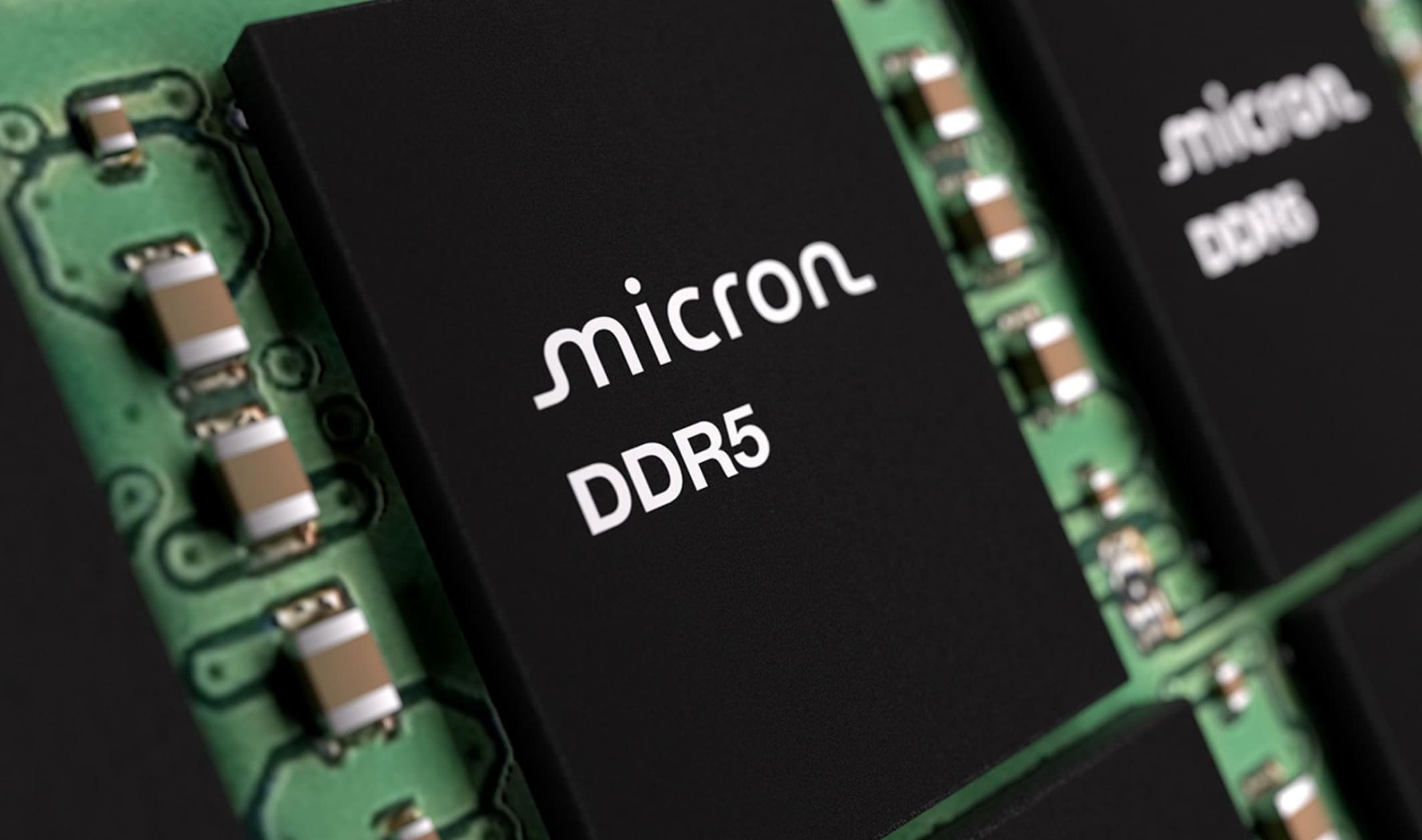
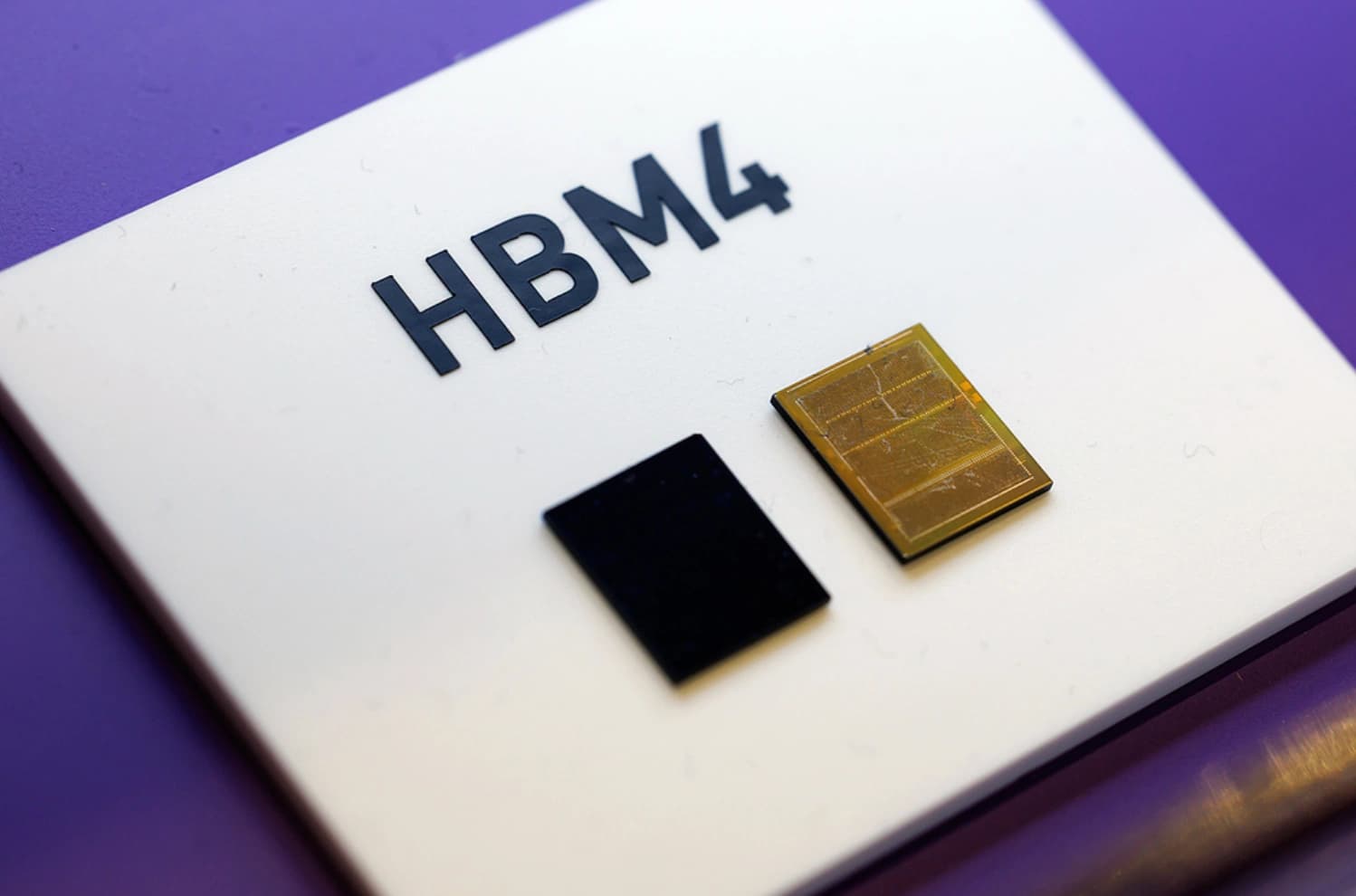
The fundamental engine behind the move is high-bandwidth memory. Micron has repositioned its output toward data center customers at the direct expense of consumer electronics supply, and the margin arithmetic is not subtle. AI accelerators consume HBM at volumes that make DRAM for smartphones look like a rounding error, and Micron is capturing that premium. The strategic agreement signed with Anthropic on June 22 — focused on scaling next-generation AI infrastructure — is not just a press release. It's a capacity commitment that signals Micron is embedding itself at the inference layer of the AI stack, not just the training layer, which is a structurally more durable revenue stream.
The Goldman Number That Should Stop Every Tech Trader Cold
Goldman Sachs' projection that Micron and Nvidia will together drive 40% of S&P 500 Q2 earnings growth is the most important macro number in tech right now, and it's underappreciated. The S&P 500 has 503 constituents. Two chip companies are projected to carry nearly half the index's growth this quarter. That concentration is not a sign of broad-based economic strength — it's a sign of a market that is betting almost everything on one infrastructure cycle playing out without a stumble.
For context, FactSet's 22% overall earnings growth forecast would represent the second consecutive quarter above 20% for the index. Strip out Micron and Nvidia's contribution, and you're looking at something closer to 13% growth from the remaining 501 companies — still solid, but a very different story. This bifurcation matters for position sizing. Traders who are long SPY or QQQ as a "diversified" AI play are carrying much more single-name semiconductor concentration than they may realize. The earnings season that formally begins the week of July 14 is essentially a two-stock referendum on whether the AI capital expenditure supercycle continues to translate into actual chip revenue, or whether Broadcom's June 4 guidance miss — when its Q3 AI chip sales forecast of $16 billion came in below the $17.2 billion analyst estimate and triggered a $923 billion sector-wide wipeout in a single session — was a preview of deceleration.
Micron's positioning is meaningfully different from Broadcom's, however. Broadcom's miss was a custom ASIC story tied to hyperscaler program timelines. Micron's demand is tied to HBM content per GPU, which scales with every new Nvidia architecture generation. The Micron-Anthropic strategic agreement adds an inference angle that Broadcom simply doesn't have. That said, the market's sensitivity to guidance language is now running at maximum — one cautious word about DRAM pricing or consumer recovery timelines and the stock's 300% YTD gain becomes a very crowded exit.
What Traders Watch Between Now and August
The immediate calendar is thin but consequential. Micron's next major public event will be tied to its fiscal Q4 2026 results, expected in late September. That leaves a two-month window where MU trades on guidance interpretation, analyst revisions, and macro read-throughs from hyperscaler earnings — Microsoft, Alphabet, Meta, and Amazon all report in late July. Their capex commentary is the most direct real-time indicator of whether memory demand sustains at current levels. The four hyperscalers are expected to collectively spend over $470 billion in capex in 2026, up from roughly $350 billion in 2025, and even a modest deceleration in that number would ripple immediately into HBM order volumes.
The memory market itself is running a dangerous split. Micron's deliberate reallocation of output toward data center customers has created what IDC describes as the largest year-on-year smartphone volume decline on record — a projected 13% drop in global units for 2026, a decade low. That's a demand destruction story for consumer DRAM that sits quietly underneath the AI narrative. If AI capex shows any wobble in Q3 and consumer electronics demand hasn't recovered, Micron loses the tailwind on both ends simultaneously. Phillip Securities' $1,870 target implies that scenario is not in the base case, and at 300% YTD gains, the stock is priced for perfection on the AI side. The specific level traders should watch is Micron's implied move on its September earnings call — given the options market's current skew on MU, the bar for a positive reaction is materially higher than it was when the fiscal year began. Any guidance that merely meets rather than exceeds the $2,000 price target narrative will be treated as a miss.
The Weekly Investor
Daily market analysis for active traders. Free.