Intel Slides 4% as TSMC-Terafab Talks Threaten U.S. Chip Deal
Intel drops 4% premarket as TSMC explores Terafab partnership, threatening INTC's exclusivity in Elon Musk's Texas semiconductor project.
Key Points
- Intel fell more than 4% in premarket trading Monday after reports that TSMC is in active discussions with Elon Musk's Terafab venture, directly threatening INTC's position as the only previously named manufacturing partner at the Texas project.
- The TSMC-Terafab talks strip away Intel's core narrative advantage on U.S. semiconductor onshoring — the single most important structural story underpinning bullish INTC positioning over the past 18 months.
- Watch TSMC's Q3 earnings on October 15 for any on-record commentary about Terafab discussions; that disclosure, or the absence of one, sets the next major price level for both TSM and INTC.
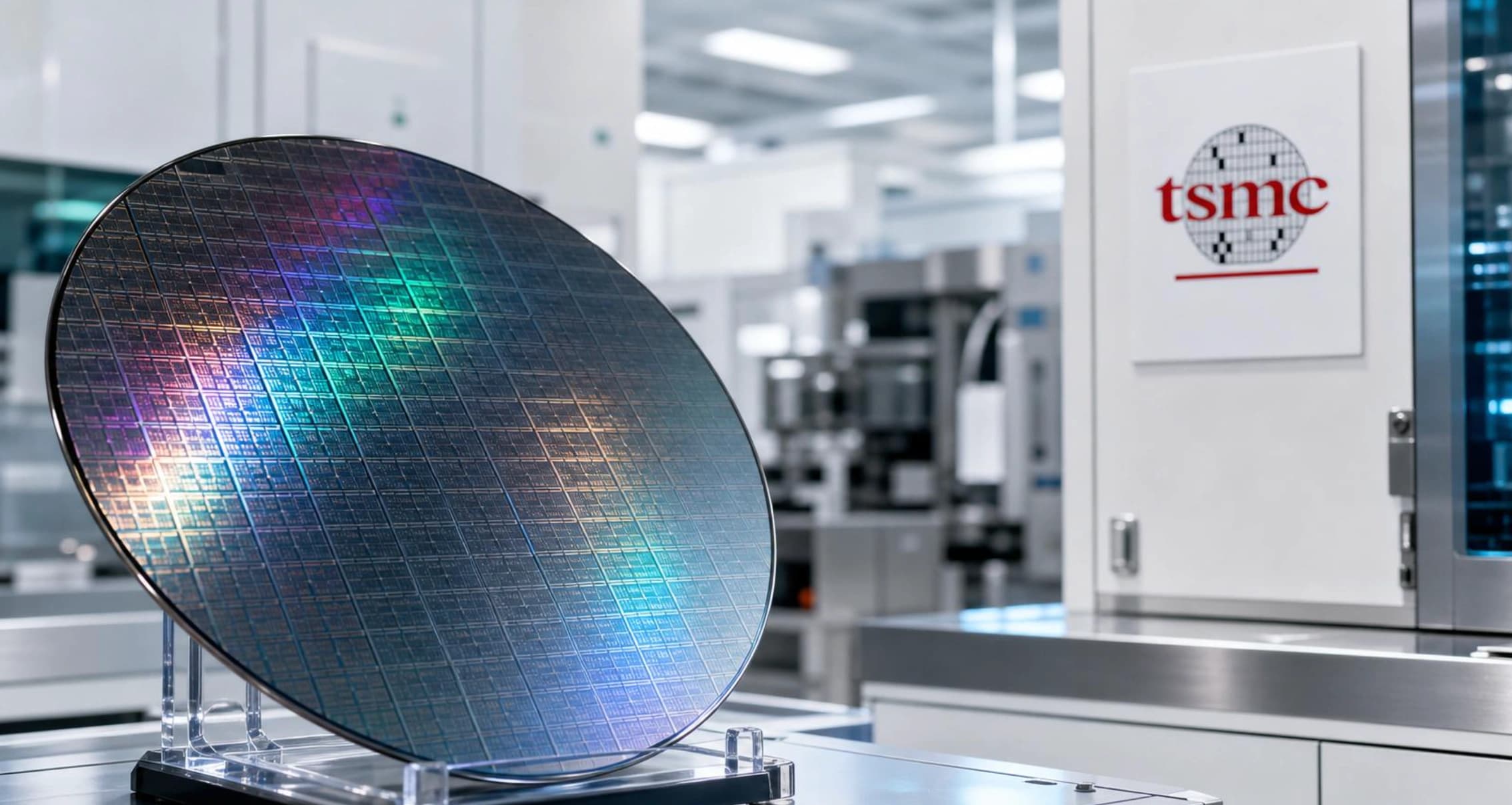
Intel stock dropped more than 4% in premarket trading Monday — its sharpest single-session move in months — after reports emerged that TSMC is in active discussions with Elon Musk's Terafab venture about a potential manufacturing collaboration at the Texas semiconductor project where Intel had been the only previously named partner. Musk posted on X on Sunday, October 4: *"Just discussions, but something may come of it."* That single sentence reframed the entire U.S. chip onshoring narrative overnight.
The Exclusivity Intel Was Selling
The strategic case for Intel in 2026 rested heavily on one pillar: it was the named U.S. manufacturing partner at a high-profile domestic semiconductor project at a time when Washington's onshoring push, CHIPS Act funding, and geopolitical pressure on Taiwan supply chains were all pointing the same direction. That positioning attracted long-term institutional holders who were buying a structural story, not a near-term earnings beat. Intel's operational turnaround under its current leadership has been painful and slow — Q2 2026 results were not the kind of print that justifies a premium valuation on fundamentals alone. The onshoring narrative was doing the heavy lifting.
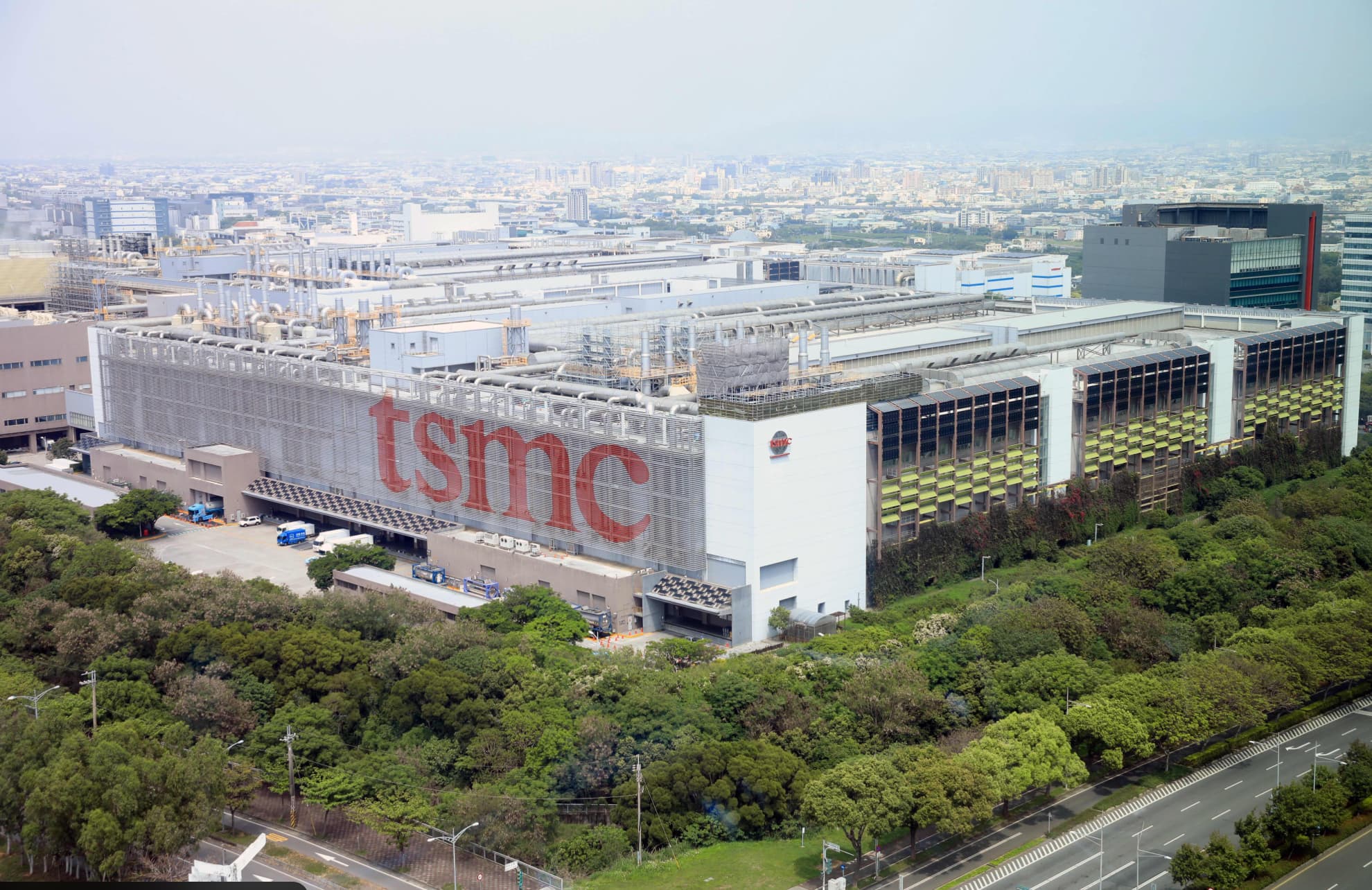
Now that narrative has a crack in it. TSMC's August sales rose 53% year-over-year to $16.3 billion, and the company commands 73% of the global pure-play foundry market. If TSMC enters the Terafab project — even as a secondary or co-equal partner — Intel's differentiation evaporates. Investors who bought INTC on the onshoring thesis are not buying it because they believe Intel's 18A process node will suddenly close the gap with TSMC's N2. They bought it because Intel had a seat at a table TSMC wasn't supposed to be invited to.
What the Premarket Numbers Are Telling You
Monday's premarket tape is doing the sector rotation math in real time. While INTC was down more than 4% — later stabilizing to -0.56% as of the latest premarket snapshot — the rest of the chip complex was moving in the opposite direction: TSM +2.96%, AMD +2.95%, QCOM +1.53%. That is not a sector-wide risk-off move. That is capital rotating out of a single name whose thesis has been challenged, and into the names that benefit from the same underlying demand trends without the same narrative vulnerability.
TSMC's gain is particularly instructive. The market is reading the Terafab news not as a threat to TSMC — TSMC has nothing to lose here — but as a confirmation of TSMC's indispensability. Even a project explicitly designed around domestic U.S. manufacturing is reportedly in talks to bring in the Taiwanese foundry. That is a data point about TSMC's pricing power, not just about Intel's problems. TSMC holds 73% foundry market share precisely because the alternative — building cutting-edge process nodes without TSMC's equipment relationships, yield expertise, and capital base — is not a realistic option for most actors at the frontier of chip design.
AMD's move deserves a separate read. The company is up nearly 3% on a day when the broader chip-price-hike story is also developing: AMD told partners in mid-September that prices across Instinct data-center AI accelerators, consumer Radeon graphics cards, and AM5 platform motherboard chipsets are rising approximately 10% in Q4, with select lines potentially seeing 15%. Intel is reportedly implementing a similar 10% price hike effective today, October 5. Both companies are citing rising wafer costs from TSMC as the driver. The irony is sharp: Intel is simultaneously losing its onshoring narrative to TSMC and passing TSMC's cost increases on to its own customers.
What Traders Watch Next
The immediate question for INTC holders is whether this is a one-day sentiment hit or the beginning of a structural re-rating. The answer depends on two things: whether the TSMC-Terafab discussions formalize into a signed agreement, and whether Intel can produce any countervailing news — a CHIPS Act funding milestone, a 18A yield update, or a marquee customer commitment — before the narrative fully shifts. Neither of those outcomes has a clear near-term catalyst, which is why the risk/reward on INTC is asymmetric to the downside right now. There is no obvious positive catalyst before the next earnings cycle, and a TSMC-Terafab announcement could land at any time.
TSMC's Q3 earnings on October 15 are the next scheduled event that could move both stocks simultaneously. If TSMC management confirms Terafab discussions on the record, or provides any detail about the scope of U.S. expansion plans, it will reprice INTC's exclusivity premium in a single session. If they decline to comment, the uncertainty itself is an overhang. For TSMC, the Q3 print is almost universally expected to be strong given August's 53% year-over-year revenue surge and the hyperscaler capex backdrop — NVIDIA expects the five largest AI hyperscalers alone to spend nearly $800 billion in data center capex this year, rising to $1.3 trillion next year. TSMC sits at the center of that spending flow regardless of what happens in Texas.
For traders with active INTC positions: the 4% premarket move has already extracted the initial shock premium. The question is what the stock is worth without the onshoring narrative, and that is a harder number to calculate quickly. INTC's Q2 2026 fundamentals did not justify the valuation it was trading at on narrative strength alone. Strip the narrative, and you are left with a company still executing a multi-year process node recovery against a competitor — TSMC — that is now potentially moving into its home-field advantage. The October 15 TSMC earnings call is the date to circle. Until then, the path of least resistance for INTC is lower, and QCOM's 1.53% gain today suggests the market has already identified where some of that capital is going.
The Weekly Investor
Daily market analysis for active traders. Free.