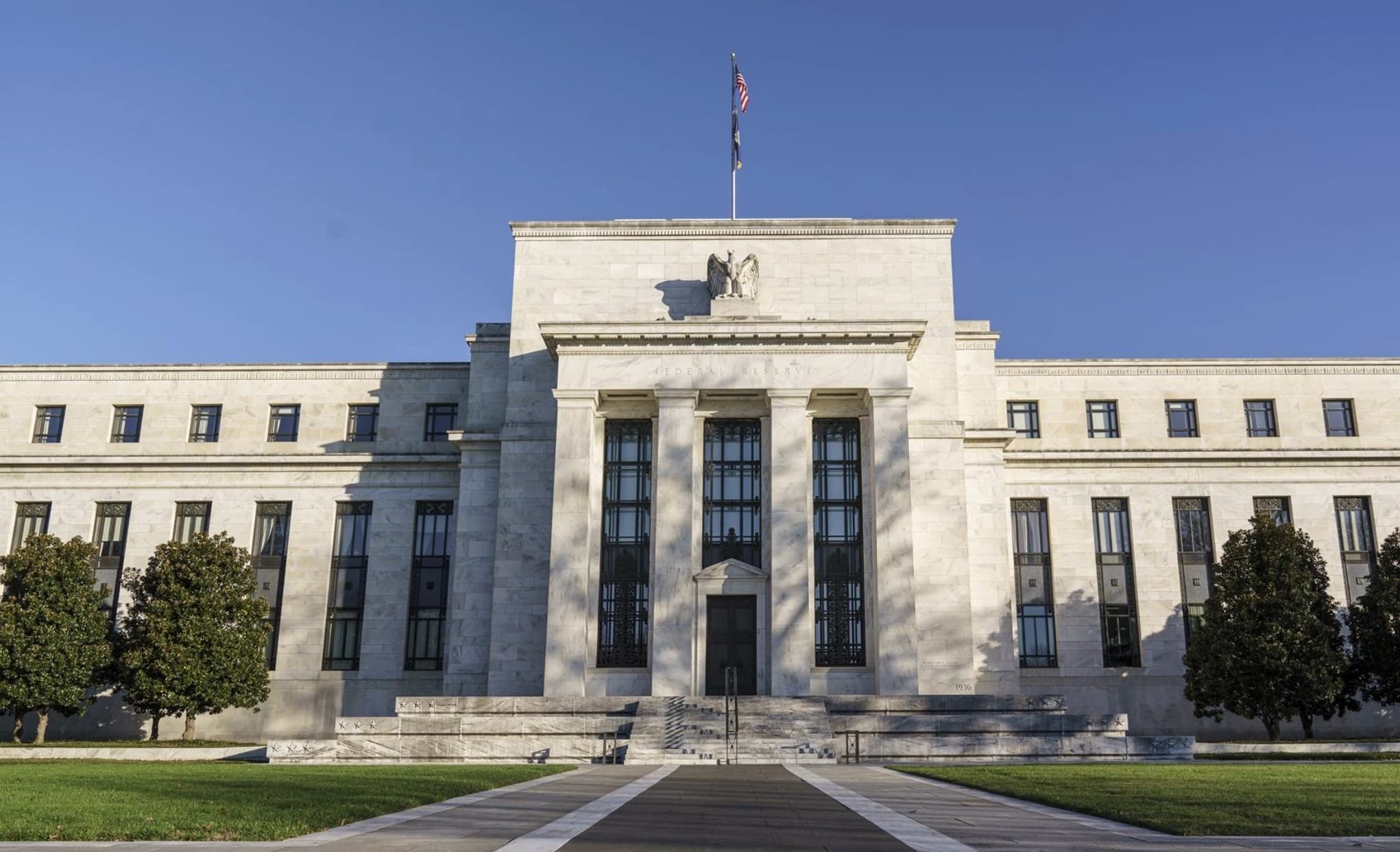
Fed's September Hike Opens a Minefield Before October 28
With 16 of 18 FOMC members projecting another hike and minutes due tomorrow, Williams and Bowman speeches today set the table for October 28.
Key Points
- The Fed hiked 25 basis points to 3.75%–4.00% on September 16 — its first increase since 2023 — with 16 of 18 members projecting at least one additional hike this year.
- Today's Williams and Bowman speeches are the first post-hike communication from either official, making them live rate-moving events for the short end of the Treasury curve.
- Tomorrow's FOMC minutes at 2:00 PM ET are the week's marquee event: the internal debate on pace and terminal rate will determine whether October 28 is priced as fully live or as a skip.
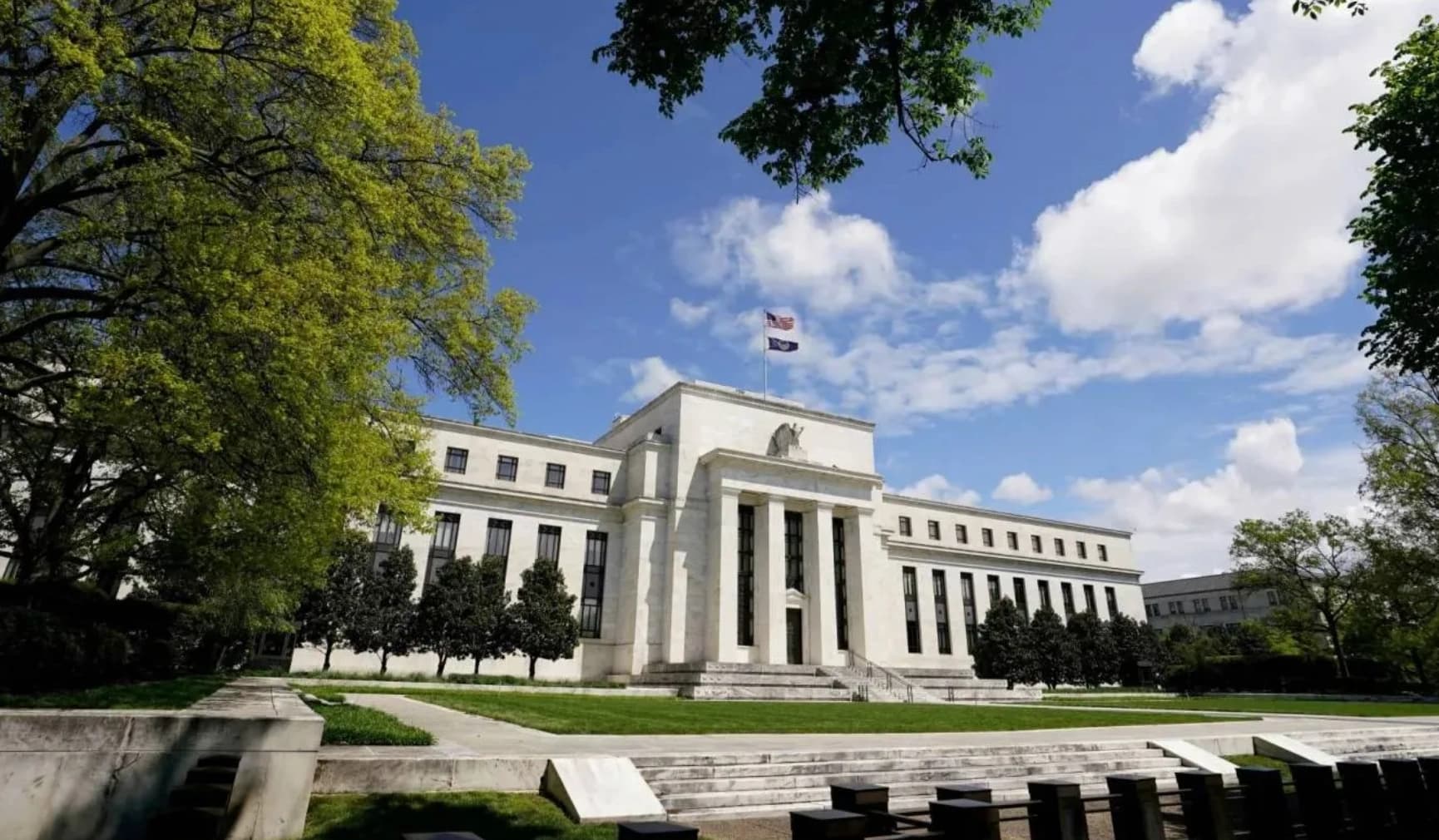
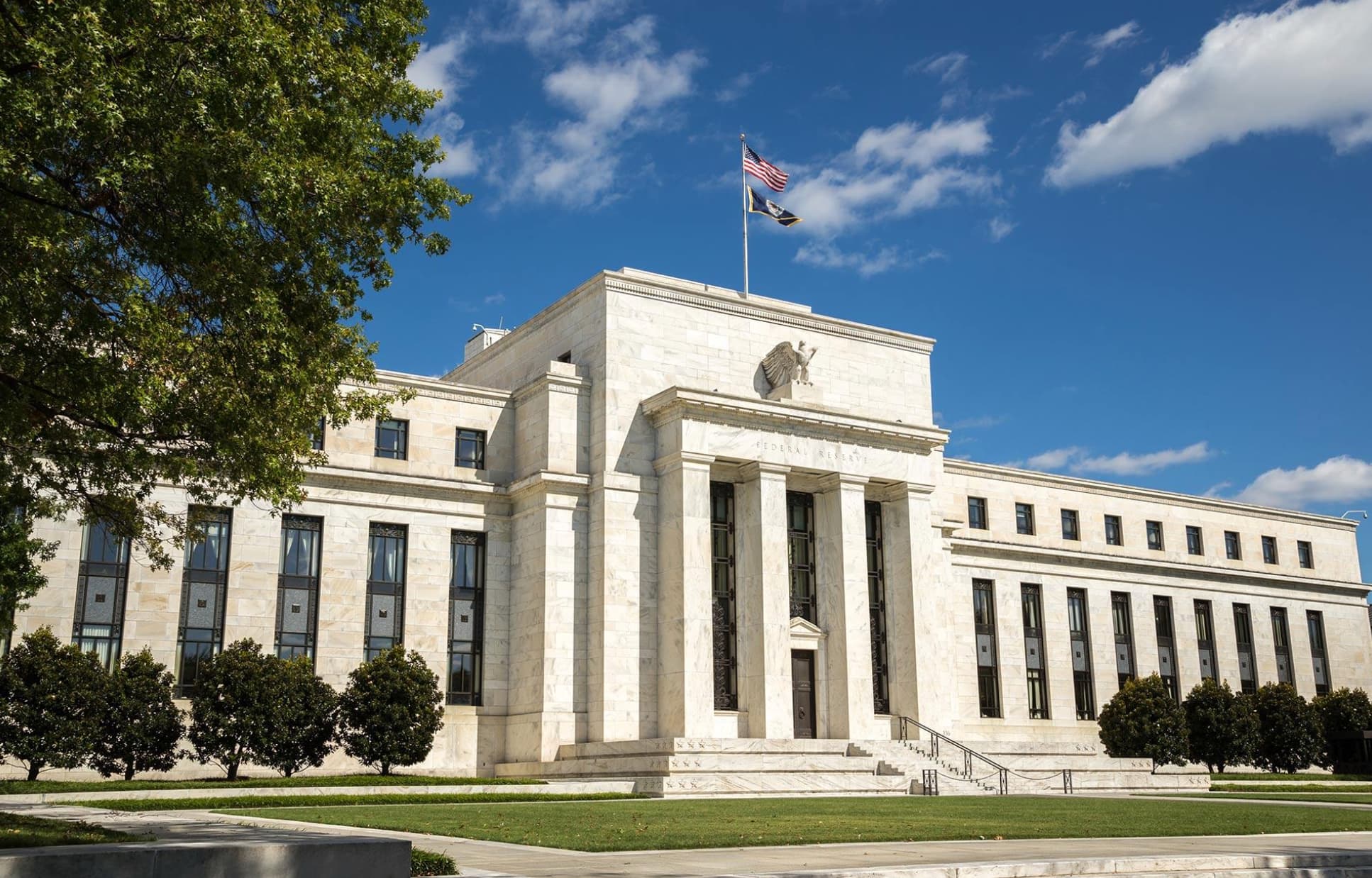
The Federal Reserve's September 16 rate hike was three weeks ago, and markets still do not have a clean read on what comes next. The FOMC raised the federal funds target range to 3.75%–4.00%, ending a multi-year pause in a single deliberate move, and Chair Kevin Warsh's preference for minimal forward guidance left the statement stripped of the kind of directional language traders use to anchor expectations. What fills that vacuum today is a pair of Fed speeches — New York Fed President John Williams and Governor Michelle Bowman — arriving on the same morning that the August trade deficit blew past consensus and JOLTS data is due at 10:00 AM ET.
The September Decision in Context
The September hike was not a surprise in isolation, but its framing matters enormously for what follows. Warsh's Fed has been deliberately telegraphic — the September statement acknowledged that economic activity had expanded at a solid pace and that inflation remained elevated relative to the 2% goal, full stop. There was no dot-plot language about gradual normalization, no explicit conditioning on a specific data threshold, and no median projection language about the terminal rate. The committee wanted optionality, and they built it in structurally.
What the dot plot did show, however, was a committee that is not finished. Sixteen of 18 participants projected at least one additional hike this year, and four of those saw room for two more. The October 28 meeting is the next decision point, and November is the one after that. If the committee's modal view is one more 25-basis-point move, that takes fed funds to 4.00%–4.25% — a level that represents real restrictive territory given that core PCE for July ran at 3.3% and the real policy rate is barely positive. The September hike was, by that measure, a late-cycle recalibration rather than a pivot to aggressive tightening. But four officials who see two more hikes are not describing the same economy or the same inflation path.
The data since September 16 has complicated both cases. The S&P Global Services PMI for September came in at 58.8 on a final basis, up from 56.5 — an unambiguous acceleration in the dominant sector of the U.S. economy. The ISM Services PMI softened slightly to 54.9 from 55.4, but the employment subindex jumped from 47.8 to 50.1, crossing back into expansion. Those two data points, taken together, describe a services economy that is still running hot enough to sustain wage and price pressures — not the demand destruction the Fed would need to see to justify a pause. The unemployment rate ticked up only one-tenth of a point to 4.2% in September, and August nonfarm payrolls came in at 162,000 — below the 200,000 threshold that previously defined a strong print, but not the kind of miss that screams recession.
The Williams-Bowman Watch
Today's speeches carry more weight than the typical mid-cycle Fed communication for one specific reason: they are the first substantive public comments from either official since the September hike. Every word will be read as a real-time reaction function to three weeks of data. Williams, as the New York Fed president and a permanent FOMC voter, carries outsized influence over how the market prices the path of rates. His commentary on the trade data, the PMI prints, and the labor market will give traders the clearest available signal on where the center of the committee sits ahead of next month's decision.
Bowman has been one of the more hawkish voices on the board in recent months. If she signals that the September hike was the beginning of a sequence rather than a standalone adjustment, the 2-year Treasury yield — which has been oscillating around the 4.5% area — will move higher immediately. The front end of the curve is the pressure point. The 10-year yield's behavior will be equally telling: if it rises alongside the 2-year, the market is pricing a higher terminal rate; if it stays anchored or falls while the 2-year climbs, the curve is re-inverting and pricing a policy mistake that eventually forces cuts.
Vice Chair Jefferson's October 1 speech offered the most recent window into committee thinking. He acknowledged in that speech that survey-based short-term inflation expectations are elevated while longer-term measures have held stable at levels consistent with 2%, arguing that tariff and energy price pressures have not yet broadened into more persistent inflation. His base case was that inflation would remain elevated short-term before resuming its decline toward 2% as energy shocks fade. That is the dove-leaning read inside the current committee, and it matters because it describes exactly the framework under which a patient, data-dependent Fed might skip October. The question is whether Williams and Bowman endorse Jefferson's framing or push back against it.
What the Minutes Will Decide
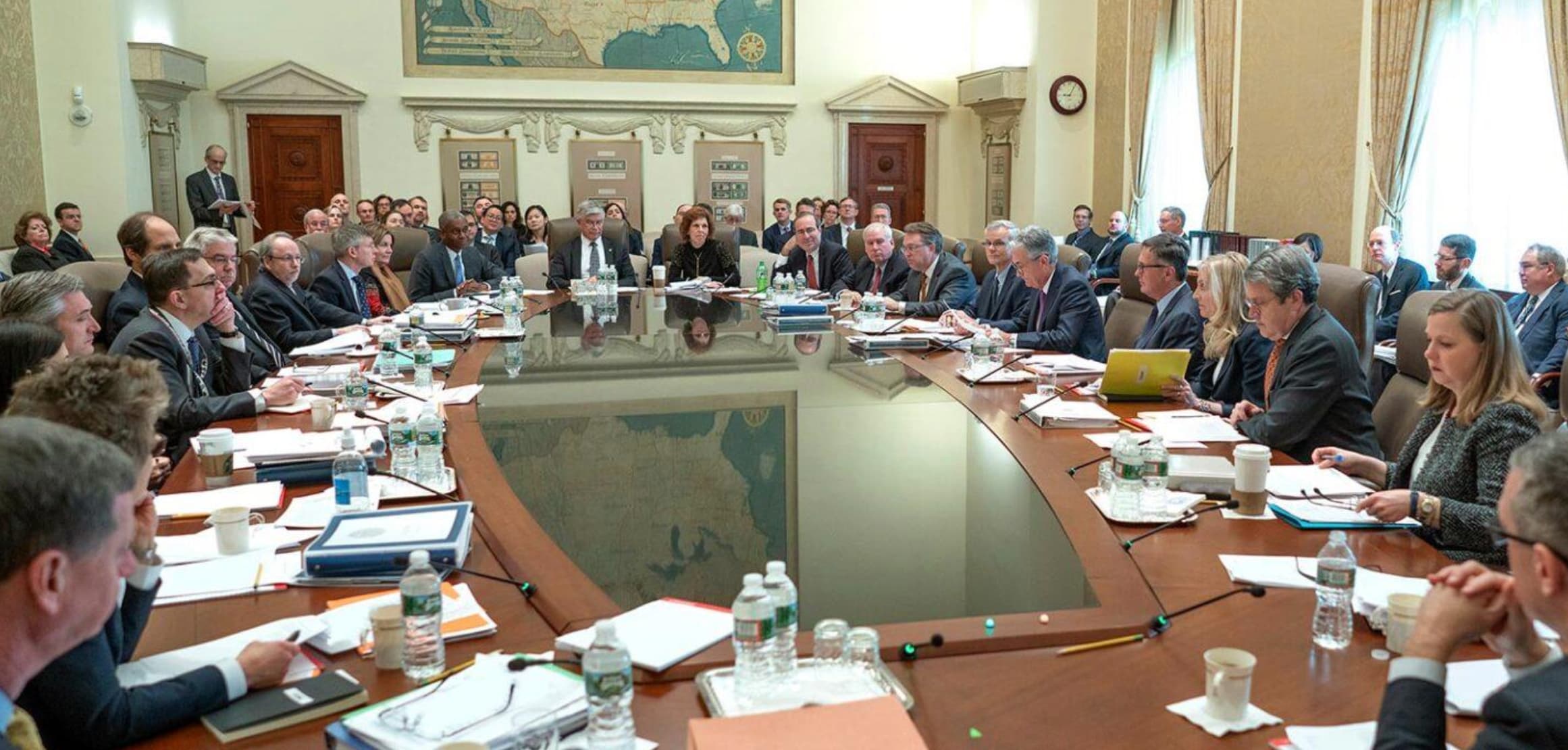
Tomorrow's FOMC minutes — from the September 15–16 meeting, released Wednesday at 2:00 PM ET — are the event the rest of this week's price action orbits. The minutes will do what the statement deliberately did not: provide the internal architecture of the debate. Traders will learn whether the majority view treated September as a one-and-done risk-management hike — the language Jefferson's October 1 framework implied — or whether the committee majority sees a systematic series of moves to a terminal rate north of 4.25%.
The minutes will also reveal how the committee discussed the GDP picture. Q2 real GDP printed at 1.5% annualized, and the Q3 advance estimate doesn't arrive until October 29. If the September deliberations show significant concern about growth deceleration alongside inflation persistence, that is a committee that has limited tolerance for continued hikes and may find reasons to pause even if the inflation data doesn't cooperate. If the minutes instead show a committee more focused on the 3.4% CPI and 3.3% core PCE readings as the dominant constraint, October 28 becomes fully live regardless of what the trade deficit says this morning.
The bond market's reaction to tomorrow's 2:00 PM ET release is the cleanest trade setup of the week. TLT, the iShares 20+ Year Treasury ETF, has been range-bound as the market struggles to assign a terminal rate with confidence. A hawkish minutes read — one that shows broad committee consensus for multiple additional hikes — breaks TLT to the downside and extends the 10-year yield's push toward 4.6% to 4.8%. A more balanced read, with significant dissent around pace, triggers a relief rally in duration. Williams and Bowman today are the preview; tomorrow at 2:00 PM is the main event. Traders without a position in the 2-year or 10-year or rate-sensitive equity sectors should use today's speeches to define their entry before the minutes remove the ambiguity.
The Weekly Investor
Daily market analysis for active traders. Free.