Zcash Surges 130% in 30 Days on Governance Vote
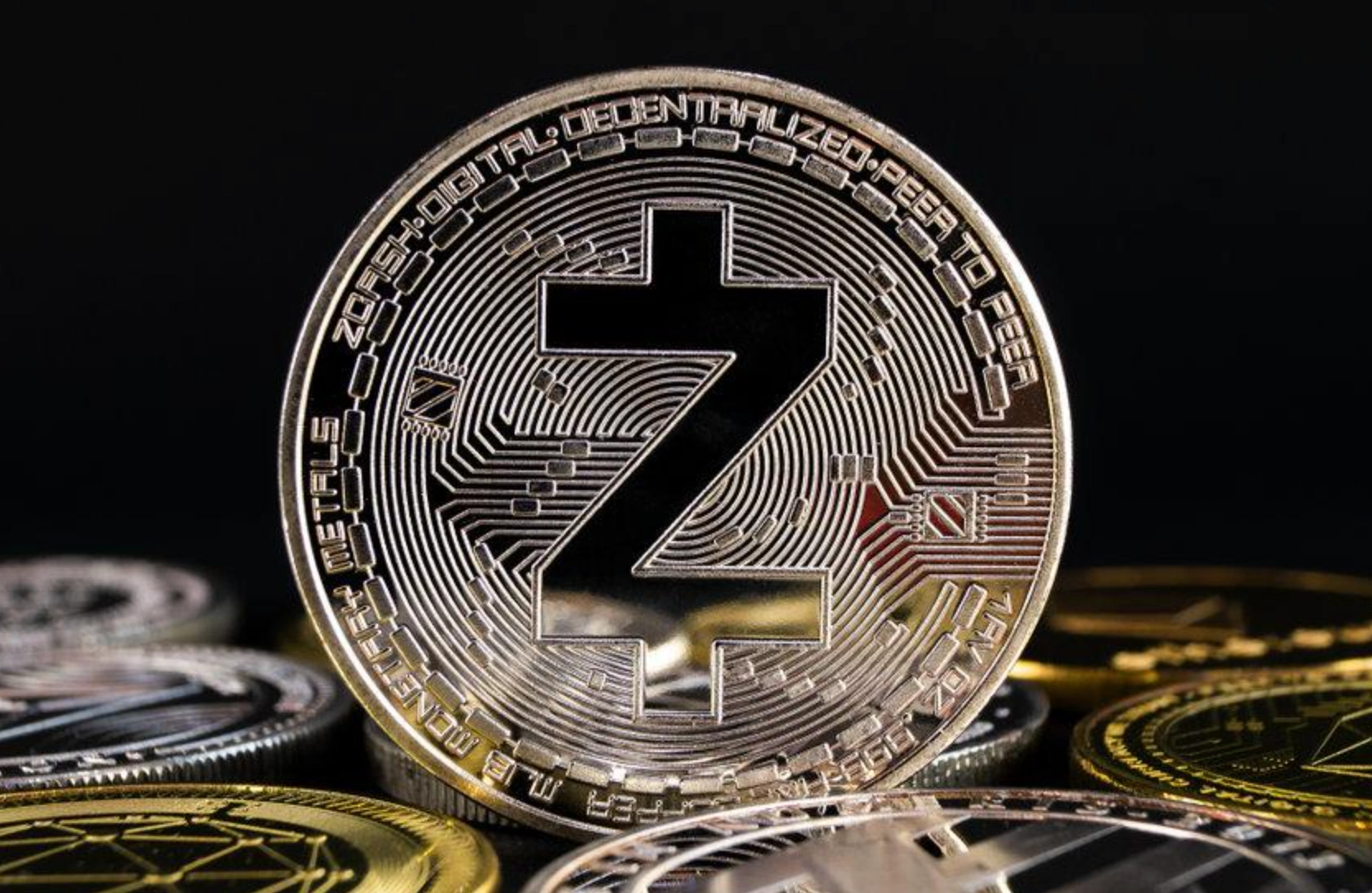
ZEC jumps +10% to $1,503 today and +130% over 30 days after a 99.9% governance vote backs faster blocks and a November NU7 upgrade looms.
Key Points
- Zcash is up +10.30% to $1,503.78 today and +130% over the past 30 days, trading near its all-time highs first set in 2016, driven by a 99.9% governance vote backing 25-second blocks with 2.4 million ZEC participating.
- The November 5 NU7 mainnet upgrade is the next hard catalyst, while the broader privacy coin narrative is being amplified by post-FOMC risk appetite and regulatory clarity on digital asset commodity standards.
- Traders should watch the 2016 all-time high as the next structural resistance level, with the 7-day gain of +39.10% signaling momentum that typically precedes either a parabolic extension or an equally sharp mean-reversion.
Zcash is up +10.30% to $1,503.78 on CoinGecko as of Friday morning, September 18 — the single best-performing major token on the day — and the move is not noise. ZEC has gained +130% in 30 days, +39.10% in the past seven days alone, and is now trading within striking distance of all-time highs set a decade ago in 2016. The catalyst is specific, the timeline is tight, and the risk on both sides is real.
The Governance Trade
The immediate trigger for today's move traces directly to a completed on-chain governance vote in which Zcash holders backed a proposal to upgrade to faster 25-second blocks. The margin was not close: 99.9% of participating voters approved the upgrade, with 2.4 million ZEC cast in the ballot — a participation figure that signals genuine holder conviction rather than a low-turnout rubber stamp. In most governance systems, a 99.9% supermajority on a technically significant proposal is a generational mandate. The market is pricing it accordingly.
The 25-second block time upgrade matters for more than optics. Current Zcash block times run at approximately 75 seconds — the reduction to 25 seconds represents a tripling of throughput capacity, which directly addresses one of the privacy coin's longest-standing competitive disadvantages relative to faster L1s. For a network whose primary use case — shielded, private transactions — is inherently computationally intensive, faster blocks are not a cosmetic improvement. They are the difference between a payment rail that works at scale and one that does not. The market has been waiting for Zcash to make this move, and the 130% 30-day rally suggests that anticipation was more widespread than the pre-vote price implied.
The NU7 Catalyst and What Surrounds It
The governance vote is the spark, but November 5 is the date that positions the trade. That is the scheduled date for the NU7 mainnet upgrade — the hard fork that will implement the faster blocks alongside a package of additional protocol improvements. In crypto markets, hard fork catalogs have a consistent pattern: prices run into the event, often experiencing elevated volatility in the final two weeks before activation, then either consolidate or correct sharply as the "buy the rumor, sell the news" dynamic plays out. With 48 days between today and November 5, ZEC is in the middle section of that runway — past the initial catalyst but not yet in the final pre-fork sprint.
The broader context around ZEC's surge is also worth parsing. CoinDesk data shows that the FOMC's September 16 rate hike to 3.75%–4.00% hit the altcoin complex hard — XRP fell nearly 8%, SOL dropped 3.5%, and Ethereum gave back roughly 3% — but ZEC ran to $1,383 even as the broader altcoin market was selling off. That divergence is important. It tells you the governance vote narrative was strong enough to override macro headwinds that crushed comparably sized tokens. When an asset decouples from correlated selling pressure in real-time, it is telling you something about the depth of conviction among current holders.
The regulatory backdrop also provides an indirect tailwind. The SEC recently approved changes to Nasdaq Texas Rule 5711(d) explicitly naming Bitcoin, Ether, Solana, and XRP as digital assets meeting commodity-based trust standards, while introducing a "Hidden 15% Rule" allowing trusts to hold up to 15% in other digital assets. ZEC is not named explicitly, but the rule's structure creates a legal pathway for existing Bitcoin and Ethereum trust products to allocate a meaningful slice to privacy tokens without triggering new regulatory reviews. That is a structural change in the opportunity set for institutional ZEC exposure that did not exist six months ago.
The Risk Picture and What Comes Next
The all-time high from 2016 is the next structural test, and it is not a soft ceiling. Zcash launched in October 2016 and immediately traded to extraordinary levels — prices north of $3,000 in the first days of trading, before collapsing as initial supply dynamics normalized. The psychologically meaningful level is the more sustained 2016 high, not the first-day spike, and ZEC at $1,503 today is approaching that zone. Traders who bought ZEC at the 30-day low near $654 — implied by the +130% return — are sitting on gains that create natural selling pressure as the asset approaches historical resistance.
The miner and corporate narrative adds another layer. Zcash miner Fortitude is planning a Nasdaq listing through a merger with HeartSciences, and the company named former Hut 8 CEO Jaime Leverton as its chief executive ahead of that transaction. A public Nasdaq-listed ZEC mining company is a meaningful development for the token's institutional accessibility — it gives investors who cannot or will not hold crypto directly a proxy vehicle with regulatory familiarity. The Leverton hire is a credibility signal; she ran Hut 8 through one of the most difficult periods in Bitcoin mining history and knows how to manage a public mining company in a volatile commodity environment.
The risk scenario that traders need to model is straightforward: a 39.10% seven-day gain in any asset, at any size, creates the mechanical conditions for a violent retracement if new buyers stop arriving. ZEC's 24-hour trading volume is not disclosed at the same granularity as BTC's $27.83 billion, but for a token of its market capitalization, the volume relative to float is almost certainly at multi-month highs — which means both the upside momentum and the downside liquidation risk are amplified. The specific level to watch on a pullback is $1,200, which represents roughly a 20% drawdown from today's $1,503 print and would correspond to a partial give-back of the post-governance-vote move while leaving the 30-day trend intact. Historical price context and futures data is available at Yahoo Finance for traders benchmarking the ZEC setup against prior governance-driven crypto rallies. The November 5 NU7 mainnet date is the event horizon — how ZEC behaves in the final two weeks before that activation will determine whether the 130% move becomes a 200% move or gives back to $1,000 on post-fork profit-taking.
The Weekly Investor
Daily market analysis for active traders. Free.