TSMC Posts 69% Profit Jump — Then the Stock Drops
TSMC beat Q3 estimates with a 69% profit surge, but hot CPI data and margin pressure are sending chip stocks into the red. Watch the $400 level.
Key Points
- TSMC reported Q3 net profit of NT$763.06 billion (~$23.55B), up 69% year-over-year, beating consensus by NT$16.76 billion — its sixth consecutive record quarter.
- A hotter-than-expected U.S. September CPI print erased the earnings rally before it started, with the stock dropping more than 2% in pre-market as rate-cut expectations were pushed out.
- Watch the $400 psychological level and 120-day moving average as the first institutional support test in today's session.
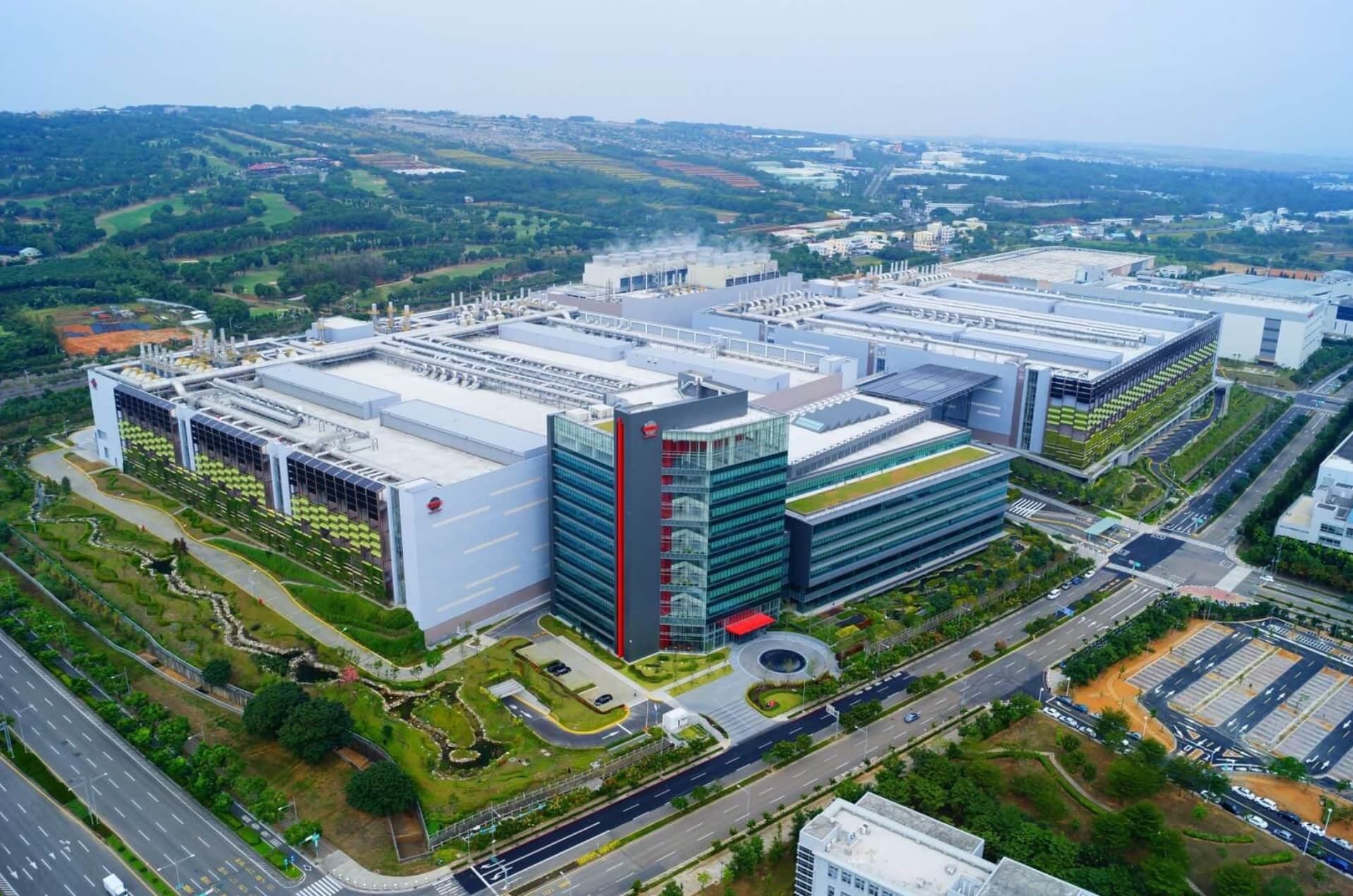
TSMC delivered the cleanest beat in its recorded history Thursday morning — NT$763.06 billion in Q3 net profit, up 69% year-over-year, on revenue of NT$1.494 trillion that topped expectations by $1.02 billion — and the market sold it anyway. By pre-market open, TSM was down more than 2%, with traders bidding it toward the $400 level that technical analysts have been flagging as the critical institutional floor. The culprit wasn't the quarter. It was the U.S. September CPI print, which came in hotter than expected and effectively detonated any near-term expectation of Federal Reserve rate cuts.
The Numbers That Should Have Launched a Rally
Let's be precise about what TSMC actually reported, because the underlying data is extraordinary. Q3 net profit of NT$763.06 billion — approximately $23.55 billion — surpassed the market consensus of NT$746.3 billion and extended a run of profit growth now eleven quarters long. Revenue climbed 50.9% year-over-year to NT$1.494 trillion, or roughly $46.72 billion. The company guided Q4 revenue at $52.3 billion to $54.3 billion — a sequential step-up that implies the AI-driven demand cycle is not slowing. Full-year 2026 capital expenditure guidance was set at up to $64 billion, a number that tells you exactly how confident TSMC's management is in the forward demand picture.
The foundry moat is also not narrowing. TSMC holds approximately 73% of global foundry market share and a dominant 90% share in advanced chips — the nodes that matter for AI, high-performance computing, and next-generation mobile. Every GPU Nvidia ships at scale, every Apple A-series and M-series chip, every AMD data center accelerator runs through TSMC's fabs. That structural monopoly on the physics of advanced manufacturing is why the stock was trading above $400 before today's macro shock, and it is why institutional buyers will reassert themselves if the line holds.
The Margin Story Bears Won't Let Go
The one number that gave bears ammunition before the macro override hit: gross margin. TSMC guided Q3 gross margin at 65% to 67%, a range that landed below the 67.7% it posted in Q2. The sequential compression is real and the cause is knowable — the ramp of 2nm production is expensive. Bringing a new process node to volume yield is structurally dilutive to margins in the short term, and TSMC's 2nm timeline is now actively in revenue-generating mode with clients including Apple and Nvidia placing early orders.
The margin pressure is not a deterioration story. It is a capex story wearing a margin suit. TSMC is spending $64 billion this year because its customers are prepaying, through long-term supply agreements and capacity reservations, for chips that will ship in 2027 and 2028. The gross margin on those future-node chips will recover as yields improve — that is the historical pattern at every TSMC node transition, from 7nm to 5nm to 3nm. The 2nm ramp is following the same curve. But the market doesn't price the 2028 yield curve on a day when CPI surprises to the upside. It prices the near-term margin delta, and that delta is negative.
The broader semiconductor sector confirmed the macro override was the dominant force. ASML reported Q3 net sales of €11.66 billion and net profit of €4.96 billion — a beat — and raised its full-year 2026 revenue guidance to €44 billion to €45 billion. ASML's CEO explicitly said customers' short- and medium-term equipment forecasts keep rising on AI investment. The stock fell 5.52%. When a company beats, raises, and gets hit for 5.5%, the signal is unambiguous: the sector is being sold on macro, not fundamentals.
What Traders Watch Next
The $400 level on TSM is not arbitrary. It coincides with the 120-day moving average, a line that has acted as institutional support on three separate pullbacks in 2026. Institutional accumulation programs that run on moving-average triggers tend to activate in size at these levels, which creates a natural floor — until it doesn't. If the CPI-driven risk-off continues into the close and $400 cracks on volume, the next technical reference is in the $382 to $385 range, which aligns with the prior consolidation zone from late July.
The forward catalyst to mark on the calendar is TSMC's investor conference call, where management's commentary on CoWoS packaging capacity — the specific bottleneck constraining Nvidia's Blackwell shipment timelines — will be parsed for any shift in tone. Nvidia's data center revenue hit $89 billion in its most recent quarter, a figure that makes TSMC's advanced packaging line the most consequential single supply chain node in the technology sector. Any update on capacity additions or timeline acceleration is a direct read-through to Nvidia, AMD, and Broadcom.
Also watch TSMC's commentary on the potential Texas fab expansion, flagged alongside Q3 earnings Thursday. Adding U.S.-based advanced capacity is a geopolitical hedge that has semiconductor policy implications — and potential subsidy flows under the CHIPS Act — for every fabless customer in TSMC's order book. The Arizona fabs are already in volume ramp. A Texas announcement would represent the third major U.S. geography commitment, and it would recalibrate supply chain risk models for the entire sector. For today, the trade is simpler: $400 holds or it doesn't. That answer will come before the close.
The Weekly Investor
Daily market analysis for active traders. Free.