MU Earnings Tomorrow: SMH, SOXL Exposed as Kospi Craters
Micron earnings after the close Tuesday put SMH, SOXX, and SOXL on the line as the Kospi drops 2.70% and semiconductor ETF outflows accelerate heading into the print.
Key Points
- The Kospi dropped 191.18 points, or 2.70%, to 6,889.74 on Monday after the Chuseok holiday, with capital bleeding out of domestic stock index and semiconductor ETFs — a direct leading indicator for US-listed SMH, SOXX, SOXL, and EWY heading into Tuesday's Micron print.
- QQQ is already down 0.97% in Monday premarket, leading all major index ETF declines, as risk-off sentiment driven by the Fed's rate hike and oil shock compounds existing semiconductor-specific pressure.
- Tuesday's Micron Q4 2026 earnings after the close is the single event that will determine whether the semiconductor ETF selloff accelerates or reverses — traders need a position before the print, not after it.
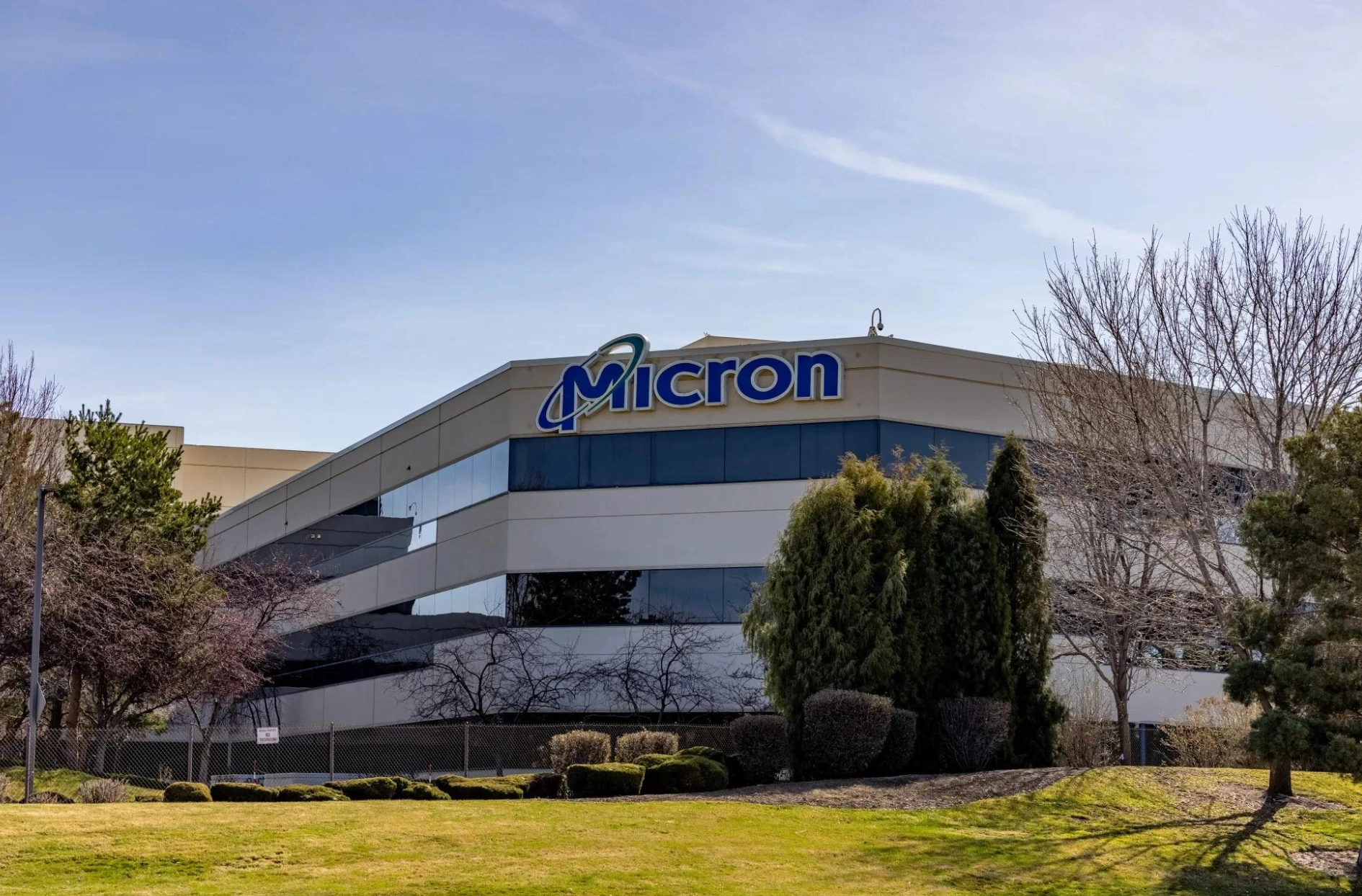
Micron Technology reports Q4 2026 earnings after the close tomorrow, and the setup heading into that number is as treacherous as any in recent memory for semiconductor ETF holders: the Kospi has crashed 2.70% today returning from the Chuseok holiday, South Korean semiconductor-linked ETFs are hemorrhaging capital, QQQ is sliding 0.97% in Monday premarket, and the Federal Reserve just hiked rates for the first time since 2023. SMH, SOXX, and SOXL holders who haven't sized their risk for a binary outcome by Tuesday's close are flying blind.
The Korea Signal Is Flashing Red
The Kospi's 191.18-point collapse to 6,889.74 — breaking back below the psychologically critical 7,000 level on the first trading day after the Chuseok holiday — is not a Korea-specific story. South Korea's equity market is the most semiconductor-dense major index in the world, with Samsung Electronics and SK Hynix collectively representing a disproportionate share of the benchmark's weighting. When the Kospi drops 2.70% in a single session and capital flows out of domestic semiconductor ETFs at the pace reported over the past week, it is functioning as an early-warning system for US-listed equivalents. Memory chip pricing, AI server demand, and DRAM cycle dynamics are global inputs, and Seoul prices them before New York does because Korean producers sit at the top of the supply chain.
For holders of EWY, the iShares MSCI South Korea ETF, the Kospi decline creates direct NAV pressure that will transmit into Tuesday's US session regardless of what Micron reports. But the more acute risk sits in the leveraged instruments. SOXL, the Direxion Daily Semiconductor Bull 3X Shares ETF, amplifies the underlying Philadelphia Semiconductor Index movement by a factor of three — meaning a 3% decline in the SOX translates to approximately a 9% single-day loss in SOXL. With Monday premarket already showing broad tech weakness led by QQQ's 0.97% drop and IWM down 0.62%, the baseline going into Tuesday's Micron print is already negative. Any earnings miss — or worse, cautious forward guidance — on top of that baseline creates compounding downside across the entire semiconductor ETF complex.
The Micron Print and What's Priced In
Micron's Q4 2026 earnings are the event that crystallizes the thesis in either direction. The bull case for MU — and by extension SMH and SOXX — rests on AI-driven HBM (High Bandwidth Memory) demand continuing to offset weakness in consumer DRAM and NAND. If Micron delivers revenue and margin figures that confirm HBM is absorbing enough volume to keep the memory upcycle intact, the Korea-led premarket selloff could reverse sharply and take SMH with it. The bear case is that the Fed's rate hike has begun repricing the discount rate on future AI capital expenditure, that the oil shock is squeezing data center operators' operating budgets, and that Micron's guidance reflects both headwinds simultaneously.
The flow data heading into the print is not encouraging for bulls. QQQ attracted inflows on September 24 as the biggest equity winner that day — but BAI, the iShares A.I. Innovation and Tech Active ETF, simultaneously lost $113.2 million in outflows. That divergence suggests institutional money is rotating within tech toward perceived quality and liquidity — mega-cap Nasdaq names — while actively abandoning thematic AI and tech exposure. SMH and SOXX sit somewhere in between: more liquid than thematic AI ETFs, but more semiconductor-specific than QQQ's diversified mega-cap composition. In a risk-off tape where the Fed is hiking and oil is surging, that middle-ground positioning is precisely where institutional managers are most likely to cut exposure to meet redemptions.
What Traders Watch Next
The cybersecurity sub-sector is offering a useful real-time contrast that semiconductor ETF traders should study. On September 24, CIBR, the First Trust NASDAQ Cybersecurity ETF, attracted $103.0 million in inflows, with Global X Cybersecurity ETF (BUG) and Amplify Cybersecurity ETF (HACK) also posting positive flows on the same day that semiconductor and AI-linked funds were bleeding. The Iran war that is driving the oil spike is simultaneously elevating geopolitical threat levels — and cybersecurity spending is one of the few technology budget lines that expands during geopolitical stress rather than contracting under it. That thematic distinction is why cybersecurity ETFs are absorbing capital while semiconductor ETFs face outflows: one benefits from the Iran conflict, the other is being indirectly taxed by it through higher energy costs and tighter Fed policy.
For traders currently holding SMH, SOXX, or SOXL, the decision framework before tomorrow's close is binary and time-constrained. Reducing or hedging SOXL exposure before Micron's print is the asymmetric choice — the 3x leverage structure means that if Micron's guidance disappoints and the SOX drops 4% to 5% in Wednesday's session, SOXL holders face a 12% to 15% single-day drawdown on top of whatever Monday and Tuesday bring. The specific level to watch in SMH is its 200-day moving average — a close below that level on Tuesday ahead of the print would indicate that institutional selling has moved beyond tactical trimming into structural repositioning. Micron's earnings call begins after the close on September 29; any commentary on HBM pricing, AI server customer concentration, or inventory levels will set the tone for the entire semiconductor ETF complex through the end of Q3 and into October.
The Weekly Investor
Daily market analysis for active traders. Free.