
Memory Semiconductor ETFs Multiply as RAML Goes Live
Leverage Shares launches RAML, a 2x leveraged memory chip ETF, as Themes ETFs closes 13 funds today — the last day for redemption orders.
Key Points
- Leverage Shares launched RAML, a 2x leveraged daily ETF tracking the memory semiconductor ecosystem, on Cboe on July 23 with a 0.99% expense ratio.
- Today — July 24 — is the last day to submit creation or redemption orders for 13 ETFs being liquidated by Themes ETF Trust; trading ceases July 28.
- The simultaneous launch of RAML and Defiance's AIHY underscores how issuers are racing to capture AI infrastructure flows with increasingly targeted, high-leverage products.
Leverage Shares by Themes put a new leveraged chip product on the tape Wednesday — **RAML**, a 2x long daily ETF targeting the memory semiconductor ecosystem — on the same day that its parent organization announced the liquidation of 13 other funds that failed to attract sufficient assets. The divergence between what's launching and what's closing in 2026's ETF market is a precise map of where institutional and retail capital is actually flowing.
RAML and the Memory Chip Gold Rush
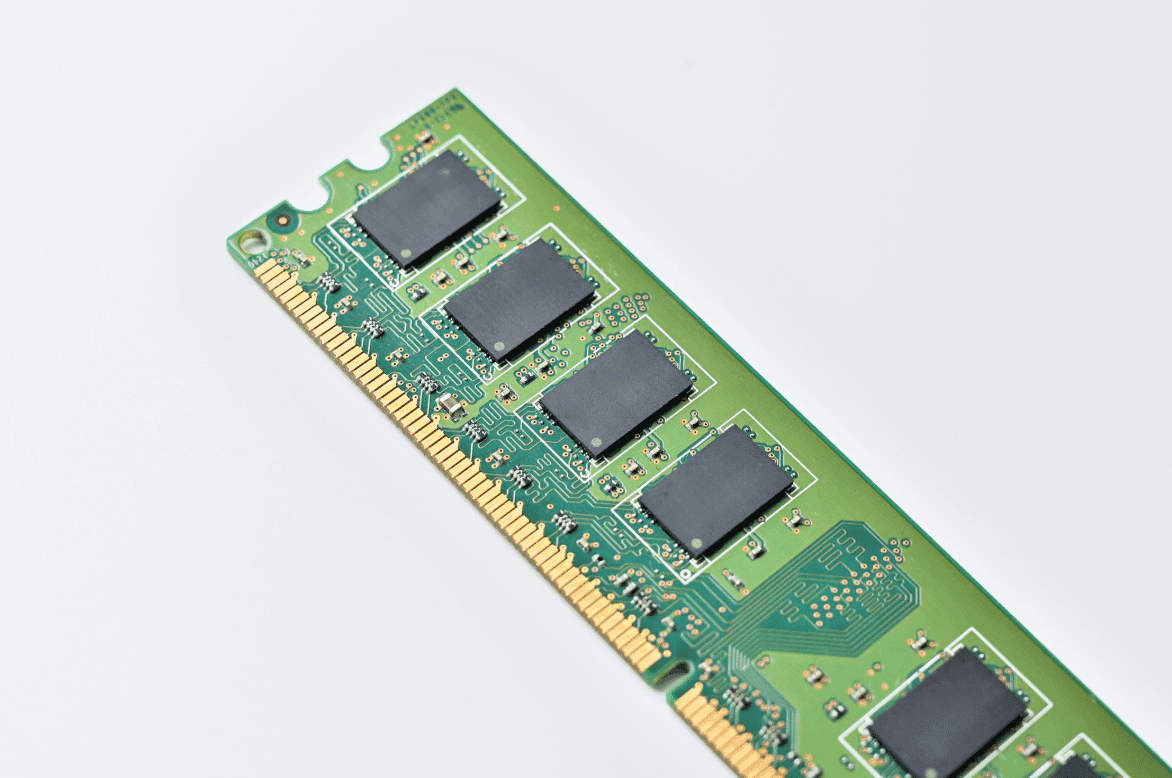
RAML began trading on Cboe on July 23, structured to deliver 200% of the daily performance of the Roundhill Memory ETF (ticker: DRAM), which focuses on companies across the global memory semiconductor supply chain — DRAM manufacturers, NAND flash producers, and adjacent high-bandwidth memory component makers. The expense ratio is 0.99%, which is toward the higher end for a passively benchmarked leveraged product but consistent with what Leverage Shares charges across its 2x daily lineup. The fund is a daily-reset leveraged instrument, meaning its returns compound daily and will diverge materially from 2x the underlying benchmark's return over any holding period longer than one session — a fact that matters enormously for traders sizing positions over days or weeks rather than hours.
The timing is deliberate. High-bandwidth memory has become one of the most operationally critical components of AI infrastructure buildout, and demand from hyperscalers constructing GPU clusters has driven the memory semiconductor space to outperformance that's difficult to access through broad-market semiconductor ETFs. The MSCI ACWI IMI Semiconductors & Semiconductor Equipment ESG Screened Select Capped index — the best-performing sector index in Europe on a year-to-date basis — is up 93.13% in 2026, a number that reflects how concentrated the returns have been in the chip subsectors most directly tied to AI training and inference workloads. Memory is at the center of that theme, and RAML is the first 2x daily instrument in the U.S. to offer that specific exposure.
According to ETF Express's weekly launch summary, Amundi also moved into the memory-and-data-center thematic space this week with new UCITS ETF launches focused on Memory Chips & Data Centres, indicating that the product development momentum around this subsector is global, not just a U.S. phenomenon. BlackRock added its own thematic play — the iShares World Thematic Rotation Active UCITS ETF (THRW) — which takes an actively managed approach to rotating exposure across global thematic categories, including semiconductors. The contrast between a static 2x leveraged daily product like RAML and an actively managed rotation strategy like THRW represents two very different hypotheses about how to extract value from the AI infrastructure megatrend: one is a high-conviction daily trading instrument, the other is a delegated active management bet.
Defiance's AIHY and the Hyperscaler Angle
Two days before RAML, on July 21, Defiance ETFs listed AIHY — the Defiance AI Hyperscaler Leaders ETF — on Nasdaq, describing it as the first ETF designed specifically to provide exposure to the leading AI hyperscalers. That framing is aggressive given the crowded field of AI-themed ETFs already trading, but the specificity of the "hyperscaler" designation matters: this product is targeting the handful of companies — think the major cloud platform operators investing tens of billions in GPU infrastructure — rather than the broader AI software, services, or semiconductor ecosystem. That's a narrower portfolio with higher concentration risk and potentially higher beta to any single earnings disappointment from a top holding.
AIHY and RAML together represent a clear issuer strategy: as generic AI ETFs have proliferated to the point of commoditization, the next wave of product launches is targeting the specific subsectors and structural enablers of AI — memory, hyperscale compute, power infrastructure, networking — where the performance divergence from the broad market has been most dramatic. VistaShares reinforced this pattern on the same day with the launch of a trio of ETFs targeting space, defense, and robotics, adding three more niche products to a market that according to ETF Trends data has now accumulated over $1.16 trillion in year-to-date net inflows industry-wide as of mid-July.
The macro backdrop supports thematic specificity. With 10-year Treasury yields at 4.67% and the curve in positive territory — the 10-year running 36 basis points above the 2-year at 4.31% — the return hurdle for equity products is elevated. Generic beta is harder to sell when risk-free rates are yielding 4.67%. What issuers have learned from the 2025-2026 product cycle is that specificity commands a fee premium and drives stickier assets: investors in a memory semiconductor 2x ETF are making an active thematic bet, not a passive allocation, and they will tolerate a 0.99% expense ratio in a way they would not for a broad market product.
Hard Deadline: 13 ETFs Close Today
Today is not a date to be casual about if you hold any Themes ETF or Leverage Shares by Themes product: July 24, 2026 is the last day to submit creation or redemption orders for 13 ETFs being liquidated by the Themes ETF Trust. Trading in these funds on Nasdaq ceases at the close of regular trading on July 28. From the closing date through July 31 — the liquidation date — shareholders may only be able to sell shares to certain broker-dealers, with no guarantee of a liquid secondary market during that window. If you are still holding any of the affected funds, today's session is your last clean exit.
The Board of Trustees cited an inability to attract sufficient investment assets as the reason for the liquidations. That's the standard disclosure language, but the underlying dynamic is worth naming plainly: the ETF market in 2026 is bifurcating between products that attract capital in their first 90 days and products that never achieve sufficient AUM to be economically viable for the issuer. Thirteen closures from a single issuer family in one announcement is not a minor event — it's a reminder that for every RAML launch that captures a hot thematic narrative, there are multiple products in the same family that launched into narratives that didn't sustain. First Trust gathered $3.64 billion in a single session on July 19, bringing its YTD total to $22.60 billion, while ARK saw net outflows of $180.4 million in the same session. The winner-take-most dynamic in ETF flows is intensifying, and it is directly connected to why 13 products that launched with optimism are being shuttered. Traders should confirm their broker's deadlines now — do not assume July 28 is your window when July 24 is the order submission cutoff.
The Weekly Investor
Daily market analysis for active traders. Free.