July CPI Lands Tomorrow — Fed's Rate Path Hinges on One Number
July CPI prints Wednesday 8:30 AM ET. With three FOMC dissenters already pushing for a hike and inflation at 3.5%, this number moves markets.
Key Points
- The July CPI print drops Wednesday, August 12 at 8:30 AM ET — the single highest-impact data release of the week, arriving with the Fed already split 9–3 on holding rates.
- Three FOMC members dissented in favor of a 25 basis point hike at the July 29 meeting, meaning any upside inflation surprise hands them the argument they need for September.
- Watch the 10-year Treasury at 4.65% and the September 16 FOMC decision date — a hot print above 3.6% year-over-year could reprice both within minutes of the release.
The most important number in macro lands in less than 18 hours. July CPI prints Wednesday, August 12 at 8:30 AM ET, and the stakes are unusually high: the Fed is already internally fractured, with three members on record demanding a rate hike at the July 29 meeting. One upside inflation surprise does not just move bonds — it potentially hands the dissenters the political capital to force a live hike vote on September 16.
The Fed's Fracture Is Already Showing
The FOMC voted 9–3 on July 29 to hold the federal funds rate at 3½–3¾%. That dissent count is not a footnote — it is the story. Three voting members of the committee believed, based on the data available to them at that moment, that rates needed to go higher immediately. That is the most hawkish internal split the Fed has seen in this cycle, and it comes at a moment when Chair Kevin Warsh and Vice Chair Philip N. Jefferson are trying to hold the line on a pause they have now extended through five consecutive meetings.
The July statement acknowledged that "inflation remains elevated relative to the 2% goal" and attributed part of the pressure to supply shocks — specifically, energy-driven price increases linked to the ongoing Middle East conflict. That language matters because it gives hawks a durable structural argument: if energy pass-through is embedded in services and core goods, the supply-shock framing stops being a reason to wait and starts being a reason to act. The June FOMC minutes described the committee as "split right down the middle on the outlook for inflation." The July dissent vote confirms that split has not resolved — it has hardened into a formal minority position one vote swing away from becoming a majority.
The effective fed funds rate sits at 3.63%, with SOFR at 3.62%, both reflecting the current 3½–3¾% target band. The 2-year Treasury, the most rate-sensitive point on the curve, is at 4.19% — pricing in a market that sees meaningful probability of at least one more hike before year-end. The 10-year sits at 4.65%, and the spread between the two has uninverted to 46 basis points — a curve that is no longer screaming imminent recession but is still far from signaling the all-clear on inflation.
What the Data Actually Shows
The most recent official CPI reading is 3.5% year-over-year, with core CPI at 2.6% — both figures as of the last reported month. Core remains the number the Fed watches most closely, and at 2.6%, it is running 60 basis points above the 2% target with no clear trajectory toward convergence on any near-term timeline. The Fed's own staff projections — mirrored in the ECB's parallel tightening rationale — reflect a global central banking consensus that inflation is not beaten. It is managed, uncomfortably, at levels that are too high to declare victory and too sticky to ignore.
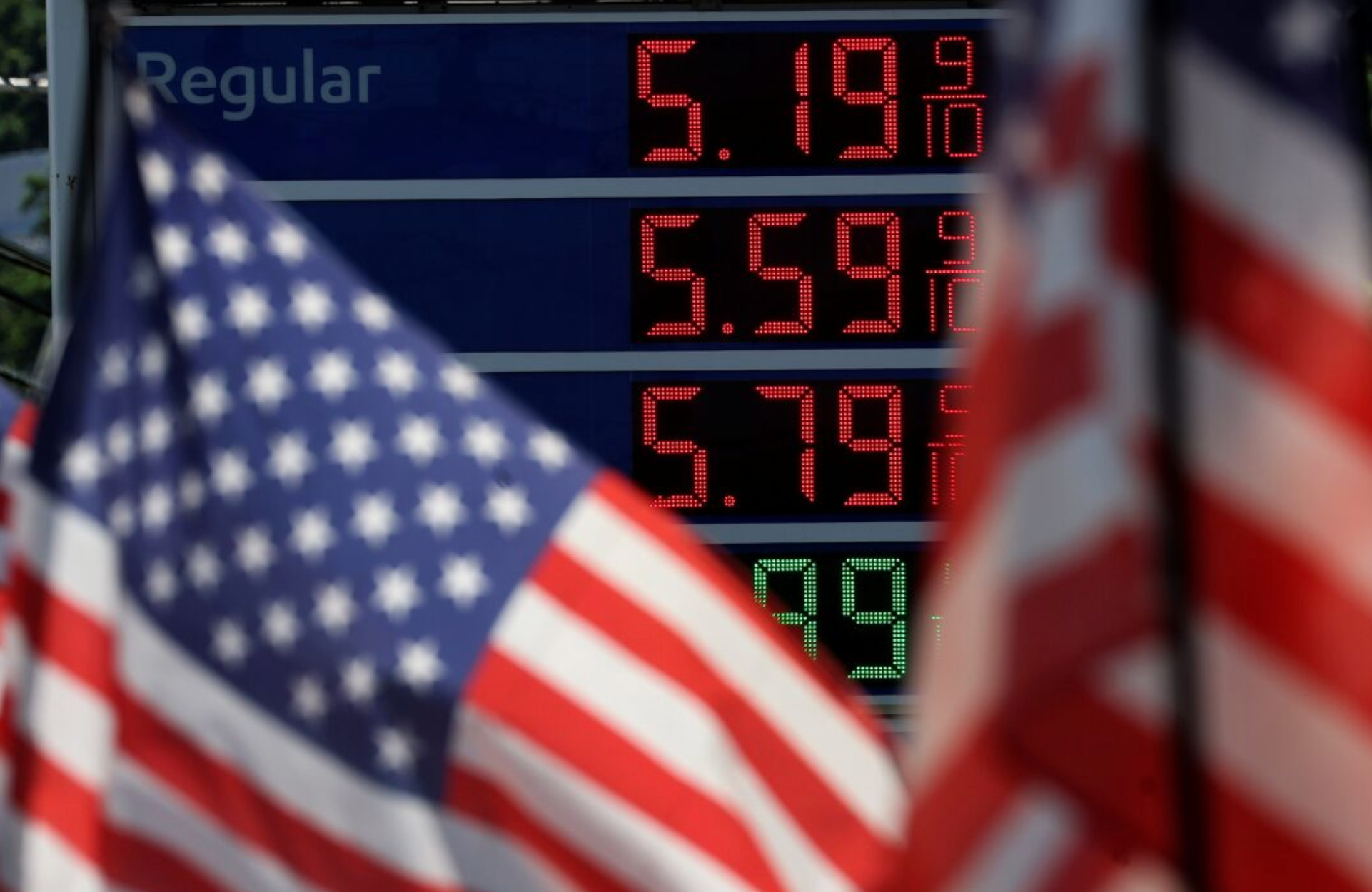
Energy is the wildcard embedded in tomorrow's July print. WTI crude averaged above $84 per barrel through July, with Brent running closer to $91. Gasoline prices feed directly into headline CPI with roughly a one-month lag, and the Middle East supply premium has not meaningfully unwound since the June ECB meeting, when the European Central Bank raised rates by 25 basis points and explicitly cited war-driven commodity inflation as "robust across a range of scenarios." If that energy premium bled into July's consumer basket with any force, headline CPI could accelerate above the 3.5% most recent print, and suddenly the three FOMC dissenters are no longer a minority curiosity — they are the leading edge of a policy shift.
Core CPI is where the trade actually lives. Services inflation, particularly shelter, has proven the most durable component of this cycle's price pressure. A core print that holds at 2.6% or nudges toward 2.7–2.8% would be deeply uncomfortable for the doves. A print that drops to 2.4% or below would give Warsh and Jefferson room to signal patience into September. The distance between those two outcomes is the entirety of this week's macro risk premium.
What Traders Watch Next
The immediate playbook is straightforward but unforgiving in its timing. At 8:30 AM ET Wednesday, the tape will move before most retail traders can react. TLT — the long-bond ETF — is the cleanest single-asset expression of the rate debate. A hot CPI reading sends TLT lower and the 10-year yield toward the 4.75–4.80% range that last provoked meaningful equity volatility. A soft print — core at or below 2.4% — gives TLT a genuine relief rally and reduces the probability of a September hike to near-zero. There is no comfortable middle ground on a number this politically charged inside the Fed.
PPI follows Thursday, August 13 at 8:30 AM ET — pipeline inflation data that will either confirm or complicate Wednesday's read. Retail Sales for July print Friday at 8:30 AM ET; a strong consumer spending number alongside hot inflation would be the worst possible combination for rate-sensitive equities heading into the weekend. UMich Consumer Sentiment, also Friday at 10:00 AM ET, carries embedded inflation expectations data that the Fed watches closely as a leading indicator of whether price psychology is becoming entrenched.
Beyond this week, the calendar that matters most is August 19, when the FOMC releases minutes from the July 28–29 meeting at 2:00 PM ET. Those minutes will reveal exactly what arguments the three dissenters made and whether the majority's response was confident or defensive. Then the clock runs to September 16 — the next rate decision. If tomorrow's CPI prints above 3.6% headline or above 2.7% core, that September meeting becomes live in a way markets are not fully pricing today. The 10-year at 4.65% is your line in the sand — watch whether it holds or breaks in the first 30 minutes after the 8:30 release.
The Weekly Investor
Daily market analysis for active traders. Free.