July CPI Drops at 8:30 AM — Fed's Next Move Hangs on Print
July CPI hits the tape at 8:30 AM ET. Consensus is 3.4% headline, 2.5% core. One number reprices September rate hike odds in real time.
Key Points
- Consensus expects July headline CPI at 3.4% YoY — down one tick from June's 3.5% — with core holding near 2.5%, but any upside surprise reignites the September hike debate at roughly 40% implied odds.
- Cleveland Fed President Beth Hammack said Monday that a single 25-basis-point hike "probably doesn't do a whole lot," signaling the hawkish wing wants a more aggressive path if inflation doesn't cooperate.
- Governor Lisa Cook speaks at 4:05 PM ET in Anchorage — the first Fed commentary after the print lands, making her remarks today's second critical data point.
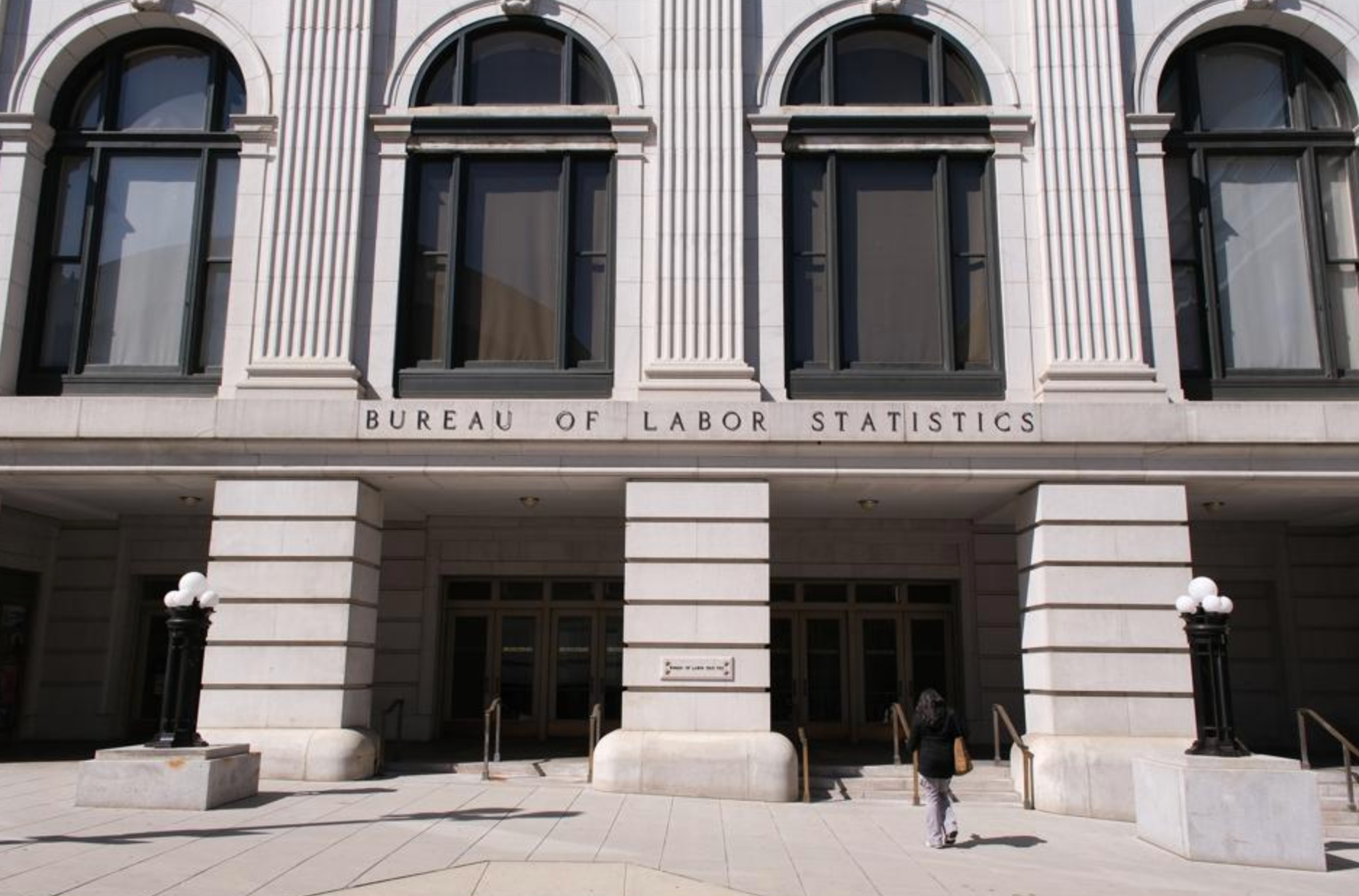
The Bureau of Labor Statistics drops the July Consumer Price Index at 8:30 AM ET this morning, and the entire rate market is priced on a knife's edge. Consensus sits at 3.4% headline and 2.5% core year-over-year — modest improvements from June's 3.5% and 2.6% — but after May's shock jump to 4.2% and June's equally stunning -0.4% monthly reversal, nobody on the desk is treating this number as a formality.
The Fed's Problem
The Federal Reserve is caught between two uncomfortable truths. The effective Fed funds rate is sitting at 3.63%, SOFR is anchored at 3.63%, and the 10-year Treasury yield has climbed to 4.72% — a 47-basis-point spread over the 2-year's 4.25% that reflects a market beginning to reprice for a longer, higher rate environment. The curve is no longer inverted, and that matters: a steepening yield curve at these levels historically signals that bond investors expect either persistent inflation or a resumption of Fed tightening, not a dovish pivot.
Against that backdrop, Cleveland Fed President Beth Hammack lit a fuse on Monday. Speaking publicly, she said the Fed may need to hike rates multiple times to restore price stability, and specifically dismissed the idea that a single quarter-point move would meaningfully change the inflation trajectory. That's an extraordinary statement when markets were, until recently, pricing in rate cuts by Q4 2026. Implied hike probabilities for the September 16 FOMC decision — the next live meeting — had already climbed to approximately 40% before this morning's number. A hot print, anything above 3.5% headline or 2.6% core, and that number moves meaningfully toward 60% within minutes of the tape.
The wage data released Friday makes this worse, not better. Average hourly earnings grew just 3.2% year-over-year in July — below the current 3.5% inflation rate — meaning real wages are still negative. That dynamic, slowing wage growth combined with sticky prices, is the textbook setup for stagflation rhetoric, and it's already showing up in how strategists are framing this print. Q2 GDP came in at a tepid 1.5% annualized. The economy is not running hot enough to justify persistent inflation, which makes the Fed's task politically and analytically messier than a simple demand-driven overshoot would be.
What the Data Actually Shows
The trend coming into today's release is genuinely mixed, which is exactly why the print matters so much. The BLS's June CPI report showed the all-items index falling 0.4% on a seasonally adjusted monthly basis — the steepest single-month drop since April 2020's 0.8% plunge during the pandemic collapse. That June reversal came after May's 0.5% monthly surge, which itself followed April's 0.6% gain and March's energy-driven spike that sent the 12-month rate to 4.2% at its peak.
The energy story is the central variable the models can't pin down cleanly. WTI crude is currently at $84.51 per barrel as of the last print — up sharply from the levels that prevailed before the Iran conflict pushed crude higher in the spring. Brent is at $91.63. Those prices are not yet catastrophic, but they're not benign either, and their impact on July's gasoline and transportation sub-indices will be closely scrutinized. Airline fares were running at an eye-popping 26.5% year-over-year in June — any continuation of that trend keeps services inflation elevated and gives the hawks ammunition regardless of what happens to goods prices.
Shelter inflation, which the Fed watches carefully as a lagging but persistent component, was still running at 3.3% year-over-year in June. The shelter index is notoriously slow to turn — it lags actual market rents by 12 to 18 months — and there's credible evidence from private rental data that real-time rents have cooled. If the July BLS print begins to capture that moderation, it could shave meaningful basis points off core CPI even if energy stays elevated. The reverse is also true: if shelter re-accelerates even modestly, the 2.5% consensus core call looks optimistic.
Core CPI ex-shelter — sometimes called the "supercore" that Fed Chair Powell has referenced in prior press conferences — is the number sophisticated traders will strip out and examine independently. Medical care was running at 2.0% YoY in June, recreation at 2.8%, and household furnishings at 2.5%. None of those are alarming in isolation, but together they represent a broad-based, if moderate, inflationary backdrop that makes a clean return to 2% core still feel like a 2027 story at the earliest.
What Traders Watch Next
The immediate market reaction will be mechanical and fast. A headline print at or below 3.3% — a full tick under consensus — gives equity bulls a green light, sends the 10-year yield back toward 4.55%, and essentially kills the September hike. A print at 3.5% or above reignites the Hammack playbook, pushes rate-sensitive sectors — utilities, REITs, long-duration tech — lower, and gives the dollar a bid. The TLT, which tracks long-dated Treasuries, is the single cleanest instrument to watch in the first 60 seconds post-release: its direction will telegraph everything else.
The second event of the day is Governor Lisa Cook's 4:05 PM ET remarks in Anchorage, Alaska. Cook sits on the Federal Open Market Committee and her comments will be the first official Fed voice to react publicly to this morning's number. The Federal Reserve's August calendar shows Cook's speech as the day's only scheduled Fed appearance — reporters will press her directly on whether today's data changes her view on September. Her tone, not just her words, will matter: a single phrase like "still elevated" or "moving in the right direction" will shift the options market.
Mark the September 16 FOMC meeting as the hard deadline for all of this analysis to converge. If core CPI prints at 2.5% or below today and Cook signals comfort with the current rate level tonight, the 40% hike probability crumbles — and the trade is to buy the 2-year Treasury at 4.25%, which looks expensive relative to where the Fed funds rate would need to go in a no-hike scenario. If the print disappoints and Hammack's multiple-hike rhetoric gets validated, the 4.72% 10-year yield is not the ceiling. Watch the 4.85% level on the 10-year as the next technical decision point if bears take control of the tape after 8:30.
The Weekly Investor
Daily market analysis for active traders. Free.