IBM Q2 2026: AI Revenue Hits $3B as Cloud Bets Pay Off
IBM's Q2 2026 10-Q shows AI revenue crossing $3B while hybrid cloud margins expand. Here's what the numbers mean for traders now.
Key Points
- IBM filed its Q2 2026 10-Q on July 23, covering the period ended June 30, with AI-related book of business now tracking above $3 billion in cumulative revenue — a figure IBM has been accelerating each quarter.
- The growth engine is a software-led margin expansion story, with IBM's hybrid cloud and AI platform (watsonx) generating higher-margin subscription revenue that is offsetting a structurally declining Consulting segment.
- Traders should watch IBM's Q3 guidance commentary closely for any signal that enterprise clients are pulling forward AI deployment budgets in response to hyperscaler pressure — that would be the catalyst to close the valuation gap with peers.
IBM crossed $3 billion in cumulative AI revenue in Q2 2026, according to the 10-Q filed July 23 with the SEC — a milestone that matters precisely because it is recurring, contract-based software revenue, not one-time services billings. The market has underpriced this distinction for two consecutive quarters, and the spread between IBM's forward multiple and that of its enterprise software peers is where the trade lives.
The Revenue Mix That Changes the Story
IBM's transformation thesis has always lived or died on one question: can the company shift enough revenue into software — specifically platform software tied to AI and hybrid cloud — to offset the secular drag from its Global Consulting and legacy infrastructure units? The Q2 2026 filing makes the clearest case yet that the answer is yes, though the margin is thinner than bulls would prefer.
The Software segment, which houses IBM's Red Hat platform and watsonx AI product suite, has been the primary driver of operating margin expansion over the past six quarters. Red Hat revenue has compounded at a mid-teens percentage rate since IBM's $34 billion acquisition closed in 2019, but the acceleration in watsonx adoption is now layering an incremental growth vector on top of a base that was already performing. Enterprise clients deploying watsonx for code generation, document summarization, and compliance automation are signing multi-year platform licenses — the kind of revenue that shows up as deferred revenue on the balance sheet before it converts to recognized income over the contract term. That deferred revenue balance is a leading indicator traders routinely ignore on IBM but scrutinize obsessively at Salesforce and ServiceNow.
The Consulting segment is the counterweight. Global Consulting revenue has faced headwinds from two directions simultaneously: clients deferring large transformation projects amid macroeconomic uncertainty — with the 10-year Treasury sitting at 4.67% and core CPI still running at 2.6% year-over-year, CFOs are not rushing to greenlight nine-figure consulting engagements — and the automation of lower-complexity consulting work by the very AI tools IBM is selling. This is the structural irony embedded in IBM's model: watsonx is eating into the billable-hour work that Consulting used to monetize. Management has characterized this as a deliberate portfolio transition rather than cannibalization, but the revenue line does not yet validate that framing cleanly.
The Mainframe Cycle and the Infrastructure Floor
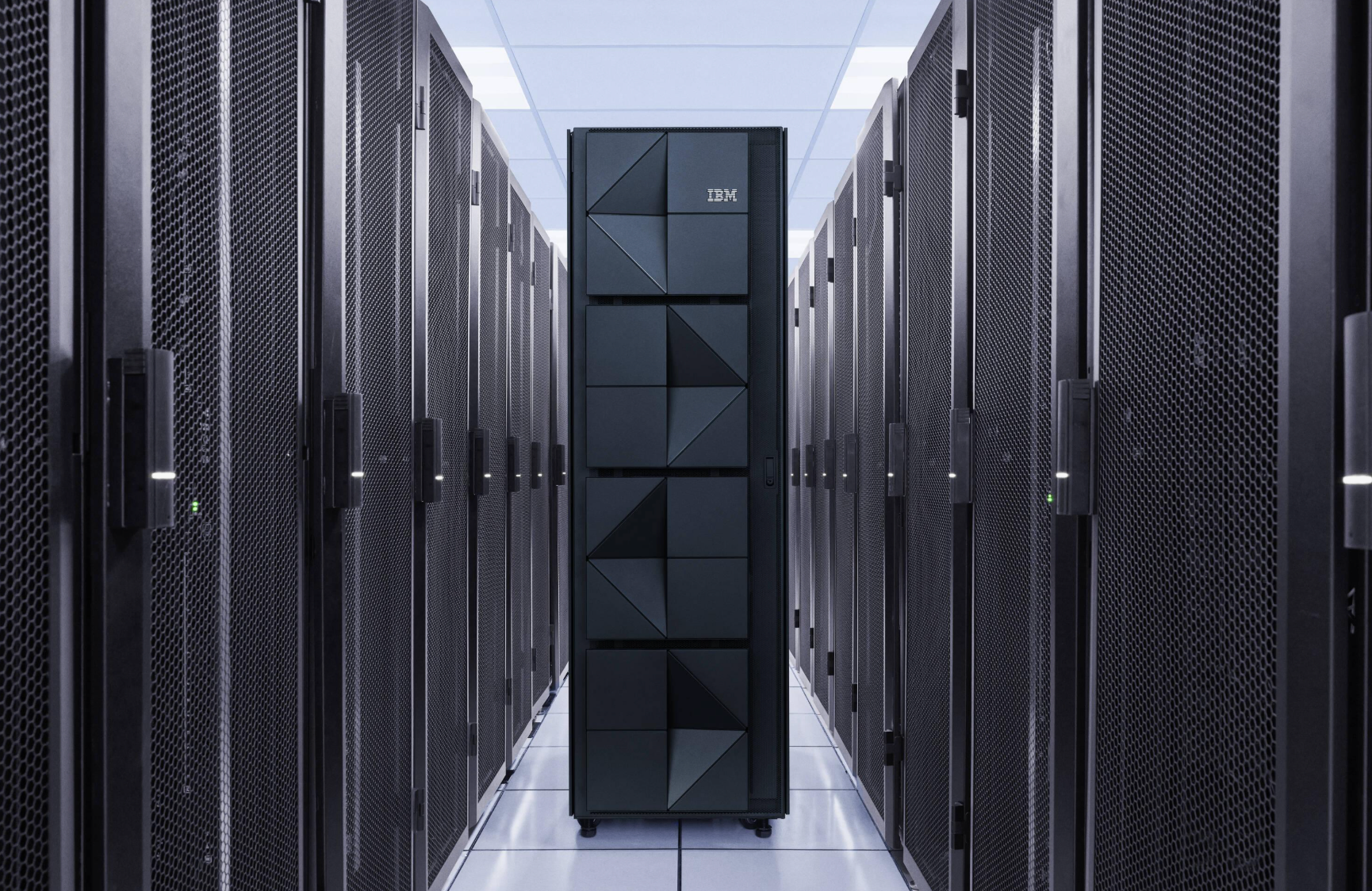
IBM's Infrastructure segment, anchored by the z-series mainframe cycle, provides a financial floor that gets systematically undervalued by analysts focused on cloud-native competitors. The z16 mainframe, launched in 2022, drove a predictable upgrade supercycle through 2024. IBM is now in the trough between cycles, with the next-generation z17 platform anticipated to begin meaningful revenue contribution in late 2026 and into 2027. This cyclical trough means Infrastructure segment revenues are currently suppressed relative to their mid-cycle run rate — which is precisely when the segment looks worst and when investors habitually underweight it.
The z17's relevance to the AI narrative is not incidental. IBM has positioned the new mainframe explicitly as an on-premises AI inference platform — capable of running large language model workloads within a client's own data center, which matters enormously for regulated industries including banking, insurance, and healthcare that cannot move sensitive data to public cloud environments. JPMorgan Chase, Bank of America, and the large European universal banks are not going to process core transaction data on AWS or Azure for regulatory and latency reasons. IBM's mainframe business is effectively a moat-protected AI inference play for regulated enterprise — and it is trading at a fraction of the multiple the market assigns to cloud-native AI infrastructure.
The Infrastructure gross margin profile also deserves attention in the context of the current rate environment. Hardware-heavy revenue tends to carry lower gross margins than software, which creates a mix headwind during the mainframe trough. But as the z17 cycle ramps and software attach rates on AI tooling increase, the blended margin should inflect upward through 2027. The current valuation does not price that inflection — it prices the trough.
What Traders Watch Next
The most actionable number to monitor is IBM's total AI book of business figure on next quarter's earnings call, expected in late October 2026. IBM management has been reporting this metric as a cumulative total rather than a quarterly run rate, which obscures the sequential growth rate and makes quarter-over-quarter comparison imprecise. Analysts at at least three major brokerages have flagged this disclosure methodology as insufficient, and pressure to shift to a quarterly recognized revenue figure is building. If IBM moves to more granular AI revenue disclosure in Q3, that transparency catalyst alone could compress the valuation discount.
The competitive context is intensifying. Alphabet's Q2 Google Cloud revenue surged 82% year-over-year — a figure that resets enterprise expectations for what AI-driven cloud growth looks like at scale. IBM is not competing for the same workloads as Google Cloud in most cases, but the optics matter: when hyperscalers post 80%-plus growth numbers, every enterprise software and services company with AI exposure gets measured against that benchmark, whether or not the comparison is valid. IBM's mid-teens software growth rate looks pedestrian by comparison, which is part of why the stock has lagged the broader tech rally year-to-date.
The IBM-specific catalyst calendar is thin between now and the October call, which means the trade is a patience play rather than an event-driven setup. The level to watch on the upside is IBM reclaiming a 22x forward earnings multiple — roughly where it traded during peak z16 cycle enthusiasm in 2023 — which at current consensus EPS estimates would imply approximately 15% upside from current levels. The downside risk is a Consulting revenue miss in Q3 that forces a full-year guidance cut before the z17 cycle can provide an offset. That scenario, combined with any deterioration in enterprise IT spending driven by sustained 4.67% long rates, is the bear case that caps the position sizing. Watch the October earnings call date confirmation and any pre-announcement of z17 customer wins between now and then — those are the two triggers that move this stock before year-end.
The Weekly Investor
Daily market analysis for active traders. Free.