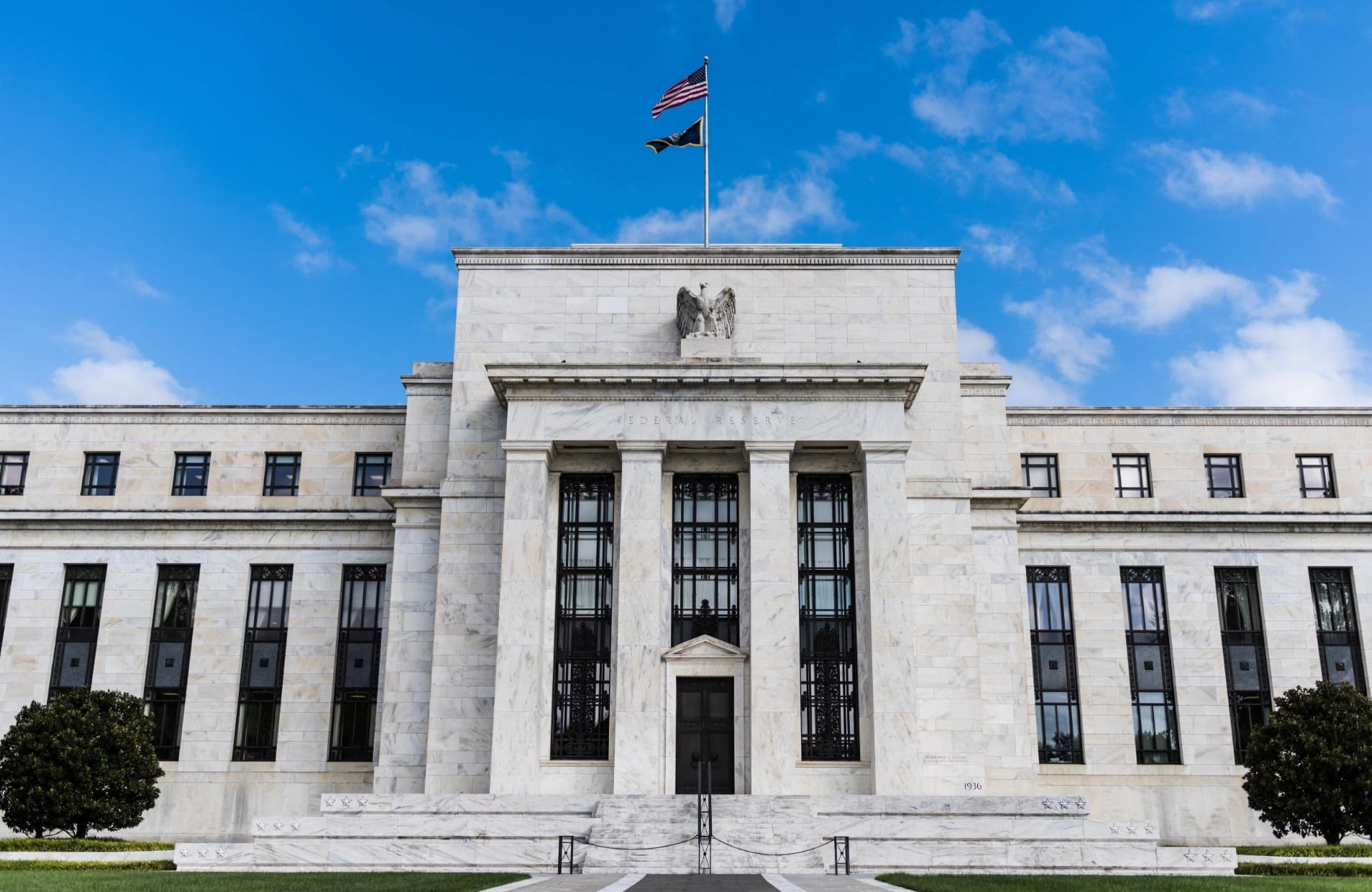
FOMC Minutes Drop at 2 PM: What the Fed Said in September
The Fed's September FOMC minutes release today at 2 PM ET — with payrolls at +29K and only 22% odds of an October hike, every word matters.
Key Points
- The Fed raised rates 25 bps to 3.75%–4.00% in September, its first hike since 2023, and today's minutes will reveal how close the committee actually was to not pulling that trigger.
- A shockingly weak +29,000 September payrolls print directly undercuts the "solid economic activity" language the Fed used to justify that September hike.
- Watch the 10-year yield at 5.322% and the 2:00 PM ET minutes release — any hawkish dissent language will be the clearest tradeable catalyst of the session.
The Federal Reserve releases minutes from its September 15–16 meeting at 2:00 PM ET today, and the single number hanging over that release is +29,000 — the September nonfarm payrolls print that landed last Friday and instantly reframed every assumption the committee made when it voted to hike. The Fed raised the federal funds target range by 25 basis points to 3.75%–4.00% on a unanimous vote, calling it an "inflation-risk-management increase." What the minutes must now explain is how that rationale holds up when the labor market just produced one of its weakest monthly prints in years.
The Hike That Already Looks Awkward
Walk through the Fed's own logic from September 16: the statement said economic activity was expanding "at a solid pace" and inflation "remains elevated relative to the Committee's 2% goal." Both of those sentences are true in isolation. The problem is what arrived seventeen days later. September payrolls of +29,000 are not consistent with an economy expanding at a solid pace. The unemployment rate held at 4.2%, but it has been pinned between 4.1% and 4.3% since March — a range that signals stagnation, not tightening labor conditions that would independently warrant a rate increase.
The dot plot from that same September meeting shows 16 of 18 participants projected at least one additional hike this year, with four seeing room for two more. That internal consensus looked reasonably firm on September 16. It looks considerably shakier on October 7. Since the meeting, Fed Governor Bowman has said explicitly she would prefer no further hikes in 2026. Fed Presidents Williams and Jefferson have both stated there is no urgency to move again. Against that backdrop, the CME FedWatch tool is pricing only a 22% probability of a hike at the October 27–28 meeting — meaning the market has already decided the dot plot is stale.
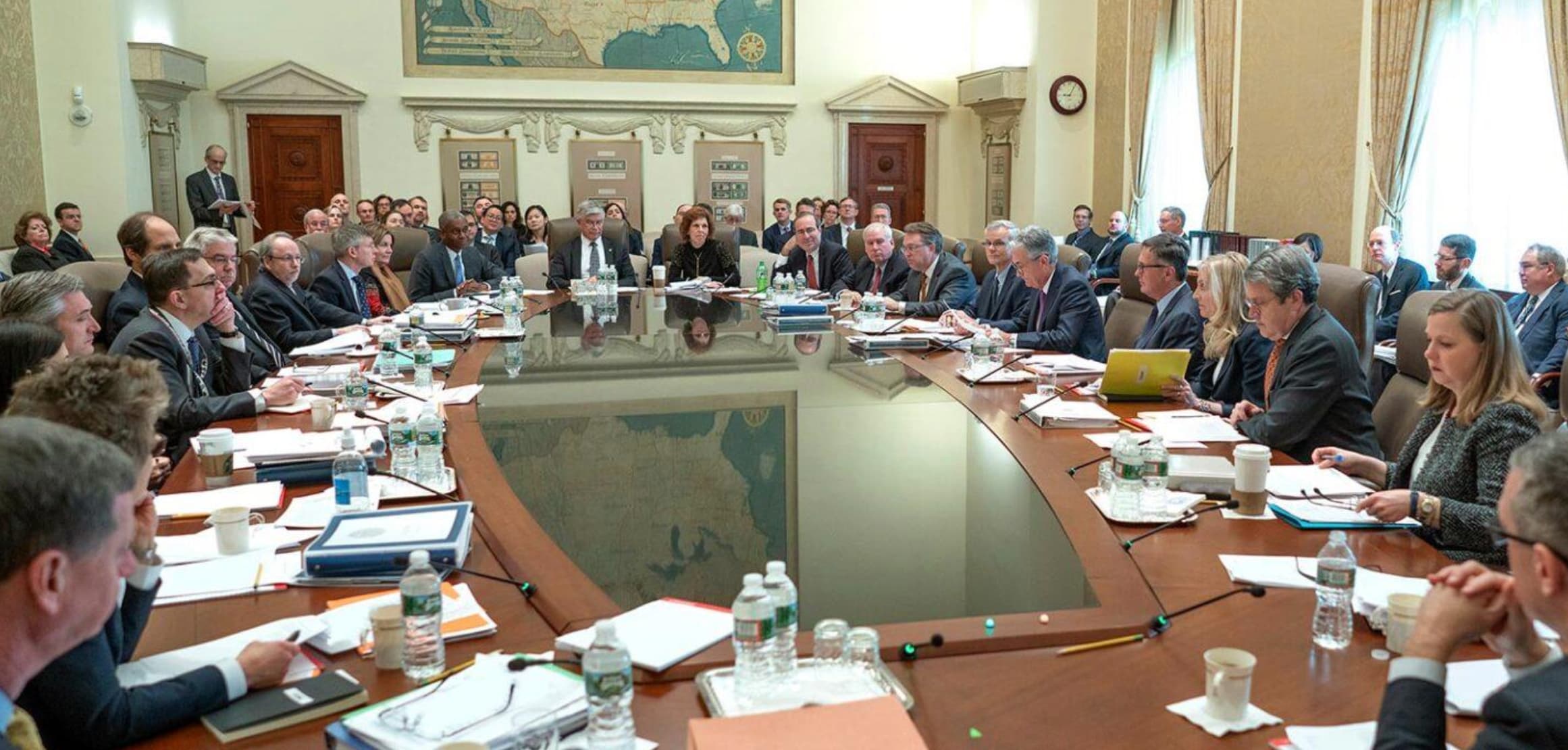
What traders need from today's minutes is the texture underneath that unanimous vote. Unanimous does not mean enthusiastic. The minutes will show how many members framed the September hike as a one-and-done risk-management move versus the opening of a tightening sequence. Under Chair Warsh's preference for minimal forward guidance, the public statement gave almost nothing away on sequencing. The minutes are where that internal debate surfaces — and given what happened to payrolls, the degree of hawkishness embedded in those deliberations is now directly tradeable information.
The Treasury Market Is Already Sending a Signal
The bond market is not waiting for the minutes to form a view. The 10-year Treasury yield is up 6 basis points today to 5.322%, and the 30-year has risen 6 bps to 5.703%. The 2-year, most sensitive to near-term Fed expectations, is up just 1 basis point to 4.806% — a spread that tells its own story. Long yields are being driven by structural factors: persistent inflation concerns, expanding fiscal deficits, and what the Fed's own Schmid flagged today as AI-related debt issuance putting sustained upward pressure on the long end. Short yields are relatively anchored because the market simply does not believe the Fed has a clear path to additional hikes in the current data environment.
Schmid's comments this morning deserve particular attention heading into the minutes. He struck a notably hawkish tone, saying the labor force "remains in a good place" — a characterization that runs directly counter to the +29,000 payrolls print — while insisting inflation is "frustrating" and "must be fixed." He also made the specific claim that AI is "one of the largest drivers of inflation," a framing that, if echoed in today's minutes, would signal the committee is prepared to look through soft labor data and focus on the structural inflation impulse from AI-driven capital spending. That is a hawkish read with real consequences for the rate path.
The DXY dollar index slipping below the 102.00 zone this morning reflects the market's base case: the minutes will be measured rather than alarming, the October hike probability stays near 22%, and the Fed is effectively on hold until data clarifies. But that positioning creates asymmetric risk. If the minutes reveal more hawkish deliberation than expected — heated debate about doing 50 bps, or explicit language conditioning the next hike on a single inflation print rather than a series of data points — the dollar snaps back and the short end reprices fast.
What Traders Watch Next
The 10:00 AM ET NY Fed 1-year consumer inflation expectations print is the appetizer. The prior reading was 3.6% — already elevated relative to the Fed's 2% target. A reading above 3.7% would reinforce Schmid's "inflation is frustrating" framing and set a hawkish tone heading into the 2:00 PM minutes. A reading below 3.4% would do the opposite and push the October hike probability below 20%.
At noon, the 10-year Treasury note auction closes with a previous yield of 4.834%. Given that the current 10-year is trading at 5.322% — nearly 50 basis points above that prior auction level — this auction will price at a meaningfully higher yield, and the bid-to-cover ratio will tell traders whether institutional demand is holding up at these yield levels or whether the market requires additional concession to absorb supply. Weak demand at this auction, combined with hawkish FOMC minutes, would be a significant negative for equities and long-duration bonds simultaneously.
At 2:00 PM ET the consumer credit data also drops — forecast at $14.40 billion versus a prior $18.06 billion — alongside the FOMC minutes. A continued deceleration in consumer credit, paired with the +29,000 payrolls print, builds the case for an economy that is cooling faster than the Fed's September language acknowledged. Fed's Logan speaks later in the day and could either reinforce Schmid's hawkish framing or walk it back, which makes her remarks a second-order catalyst after the minutes themselves. The cleanest trade setup is this: if the 10-year yield holds above 5.30% after the minutes and Logan does not push back on Schmid, the probability of a November hike — not October, but November — begins repricing higher, and the 2-year yield at 4.806% becomes the level to watch for a break toward 5.00%.
The Weekly Investor
Daily market analysis for active traders. Free.