DRAM ETF Hits $25B While SOXX Leads June Flows
Roundhill's DRAM ETF tops $25B in assets after a 166% gain since April. SOXX pulled $4.1B in June. Here's what the semiconductor flow data tells traders now.
Key Points
- The Roundhill Memory ETF (DRAM) has surpassed $25 billion in AUM after gaining 166% since its April launch, making it the most successful U.S. ETF launch of the first half of 2026.
- DRAM's structural differentiation — holding SK Hynix and Samsung Electronics, which neither SMH nor SOXX include — gives it pure-play HBM exposure that traditional semiconductor ETFs cannot replicate.
- Despite today's tech and semiconductor selloff, SOXX is still up 113% year-to-date and pulled $4.1 billion in June inflows, meaning any dip is being watched closely by momentum traders as a potential re-entry point.
Roundhill's DRAM ETF, which launched in April targeting the high-bandwidth memory chip market, has already crossed $25 billion in assets under management after posting a 166% gain in roughly three months of trading — numbers that describe the most successful ETF launch of the first half of 2026 and one of the fastest AUM accumulations in the history of U.S.-listed funds. On the same day those figures circulate, the Nasdaq is hitting fresh lows and semiconductor ETFs are among the hardest-hit sectors in today's rotation. That tension — between extraordinary year-to-date performance and today's sharp technical pressure — is exactly the setup traders in this space need to understand before touching either DRAM or SOXX on Monday.
Two Funds, Two Different Bets
SOXX and DRAM are frequently mentioned in the same sentence because both offer semiconductor exposure and both have been dominant flow recipients in 2026. They are not the same bet. SOXX is a broad-based semiconductor ETF managed by iShares, covering the full spectrum of chip design, manufacturing equipment, and foundry exposure across U.S.-listed names. It pulled in $4.1 billion in June alone and is up 113% year-to-date — performance that has made it one of the defining funds of this bull cycle in technology hardware. Its AUM has scaled dramatically on the back of AI infrastructure spending and the broader buildout of data center capacity.
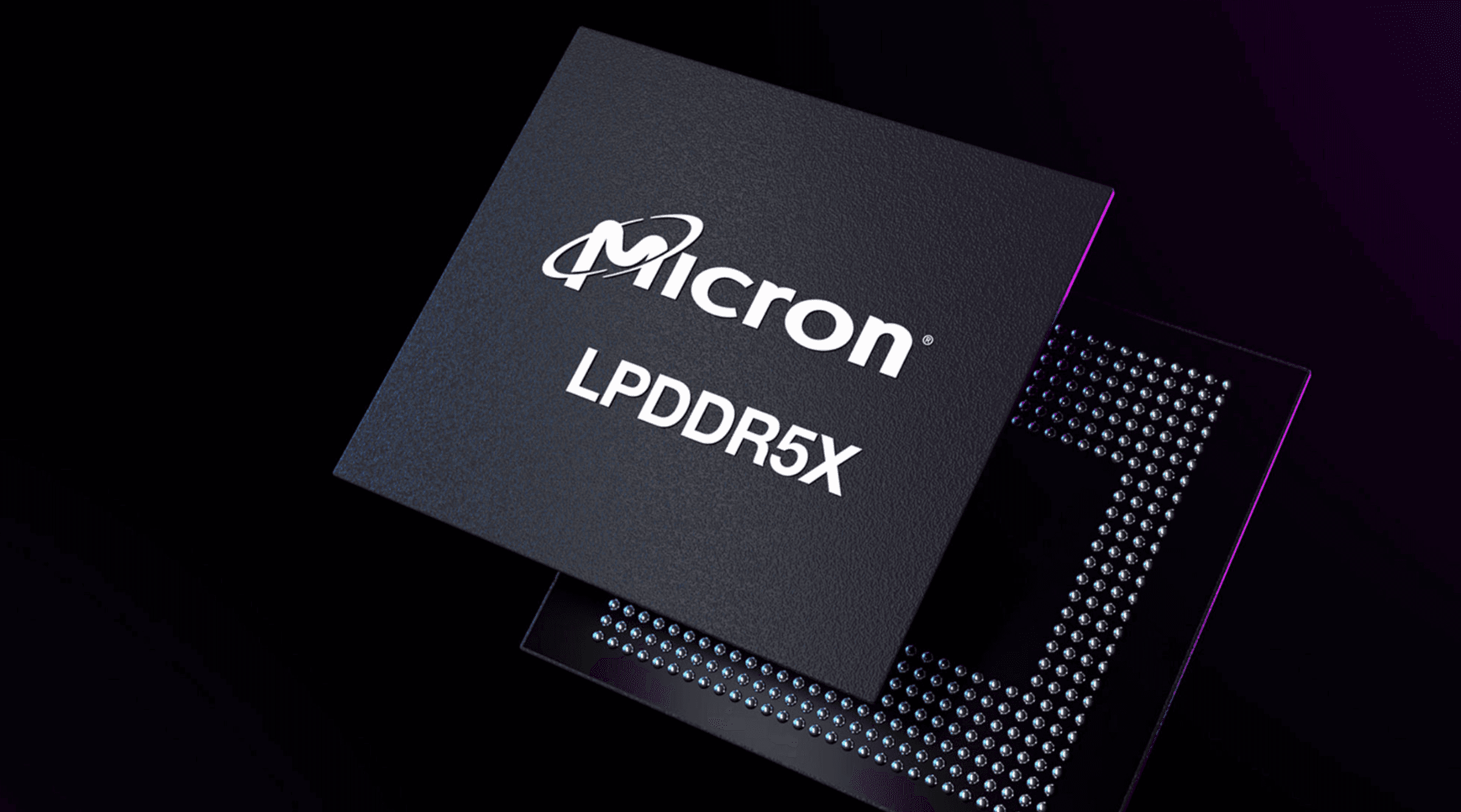
DRAM is a narrower, more concentrated instrument. Its mandate is high-bandwidth memory — the specific chip architecture that sits between a GPU and its memory stack and has become the critical bottleneck in large-scale AI model training. The fund's three core holdings, SK Hynix, Samsung Electronics, and Micron Technology, control more than 90% of the global HBM market and together account for over 70% of DRAM's portfolio weight. The structural differentiator is geographic: as of the most recent available data, neither SMH nor SOXX holds SK Hynix or Samsung Electronics, both of which trade on Korean and over-the-counter markets rather than U.S. exchanges. DRAM's ability to hold those positions gives it a form of exposure that the two dominant legacy semiconductor ETFs simply cannot offer within their index construction rules.
That differentiation is the primary reason DRAM collected nearly $10 billion in June inflows alone, according to available monthly flow data, at a time when ETF inflows across the entire industry surpassed $1 trillion year-to-date. Investors are not choosing DRAM instead of SOXX in most cases — they are layering it on top as a way to add concentrated HBM exposure that their existing semiconductor allocation does not provide.
Today's Selloff and What It Means for Positioning
July 27 is a bad day for both funds on a relative basis. The Nasdaq Composite is hitting fresh session lows, tech and semiconductors are the clear laggards in today's sector rotation, and Intel fell sharply, adding to the negative tone across chip-related names. SPY closed up a marginal 0.1%, but that gain was built on healthcare, financials, and energy — sectors that are absorbing capital flowing out of the names that drove the first half of the year. SOXX and SMH are both under pressure in this environment.
The geopolitical backdrop is adding weight. Oil prices are running near $100 per barrel in broader market sentiment — though the most recent WTI print from July 17 was $80.77 — and the 10-year Treasury yield sits at 4.71% as of July 23, a level that compresses the valuation premium that high-multiple technology and semiconductor stocks depend on. The Fed funds effective rate is 3.63%, and the spread between the 2-year at 4.37% and the 10-year at 4.71% reflects a market that has largely abandoned the rate-cut expectations that were more aggressively priced at the start of the year. That macro configuration — elevated long rates, reduced cut expectations, geopolitical risk — is specifically hostile to momentum-driven technology trades that are priced for sustained growth.
For DRAM specifically, the HBM thesis is not a momentum story in the traditional sense — it is a supply-constraint story. SK Hynix, which manufactures the HBM chips used in Nvidia's H100 and H200 GPU configurations, is operating near capacity utilization on its leading-edge HBM3E production lines. Samsung is in a qualified supplier position with several major customers and is ramping its own HBM capacity through 2026. Micron, the U.S.-listed component of the trio, reported strong HBM revenue growth in its most recent earnings. A one-day selloff driven by a broad tech rotation does not alter any of those supply-side dynamics.
Where the Trades Set Up From Here
The critical level for SOXX traders to watch is the fund's behavior relative to its 50-day moving average during this selloff. SOXX is up 113% year-to-date, which means it has accumulated a substantial cushion above any medium-term technical support. A pullback that stays above the 50-day is a rotation-driven correction in an intact uptrend. A close below the 50-day, particularly on elevated volume, changes the technical read to something more cautionary and would likely accelerate institutional rebalancing that has only begun today.
For DRAM, the $25 billion AUM threshold is now a psychological anchor. Fund flows of the magnitude DRAM attracted in June — nearly $10 billion in a single month — are characteristic of either a genuine paradigm shift in investor demand or a momentum-driven allocation that can reverse with equal speed. The difference is usually visible in the underlying earnings data. Micron's most recent results and SK Hynix's guidance updates through the first half of 2026 will be the fundamental check on whether the HBM demand curve is as durable as the flows imply. The next major data point for this trade is Nvidia's earnings report, which will include specific commentary on HBM procurement volume and pricing — the single most direct read-through to DRAM's three core holdings. Any guidance that suggests HBM supply is loosening faster than expected would remove the supply-scarcity premium from all three positions simultaneously. Conversely, a Nvidia beat with upward HBM volume guidance would likely push fresh capital back into DRAM within 48 hours of the print, regardless of what the Nasdaq does on any individual session between now and then.
The Weekly Investor
Daily market analysis for active traders. Free.