CPI Wednesday Is the Fed's Fork in the Road
Wednesday's CPI print — consensus 3.6% YoY, core 2.5% — will decide whether the Fed hikes again on October 28. Here's what traders need to know.
Key Points
- Wednesday's CPI is expected to show headline inflation accelerating to 3.6% YoY from 3.4%, with core edging up to 2.5% — the single number that determines whether the Fed hikes on October 28.
- A core MoM print above +0.2% would re-ignite hike bets that the Fed has spent the past week deliberately cooling, after minutes from the September 16 meeting contained no explicit tightening signal for October.
- Traders should watch the 10-year yield and fed funds futures immediately after Wednesday's 8:30 AM ET release — any core beat will reprice October 28 odds that have already pulled back from 70%.
The Federal Reserve's next move hinges on a single number dropping Wednesday morning at 8:30 AM ET. September CPI is expected to show headline inflation at 3.6% year-over-year — a 0.2 percentage point acceleration from August's 3.4% — while core is forecast at 2.5% YoY and +0.2% MoM. That core monthly print is the fulcrum: beat it, and October 28 becomes a live meeting again. Miss it, and the Fed has its cover to skip.
The Fed's Deliberate Retreat
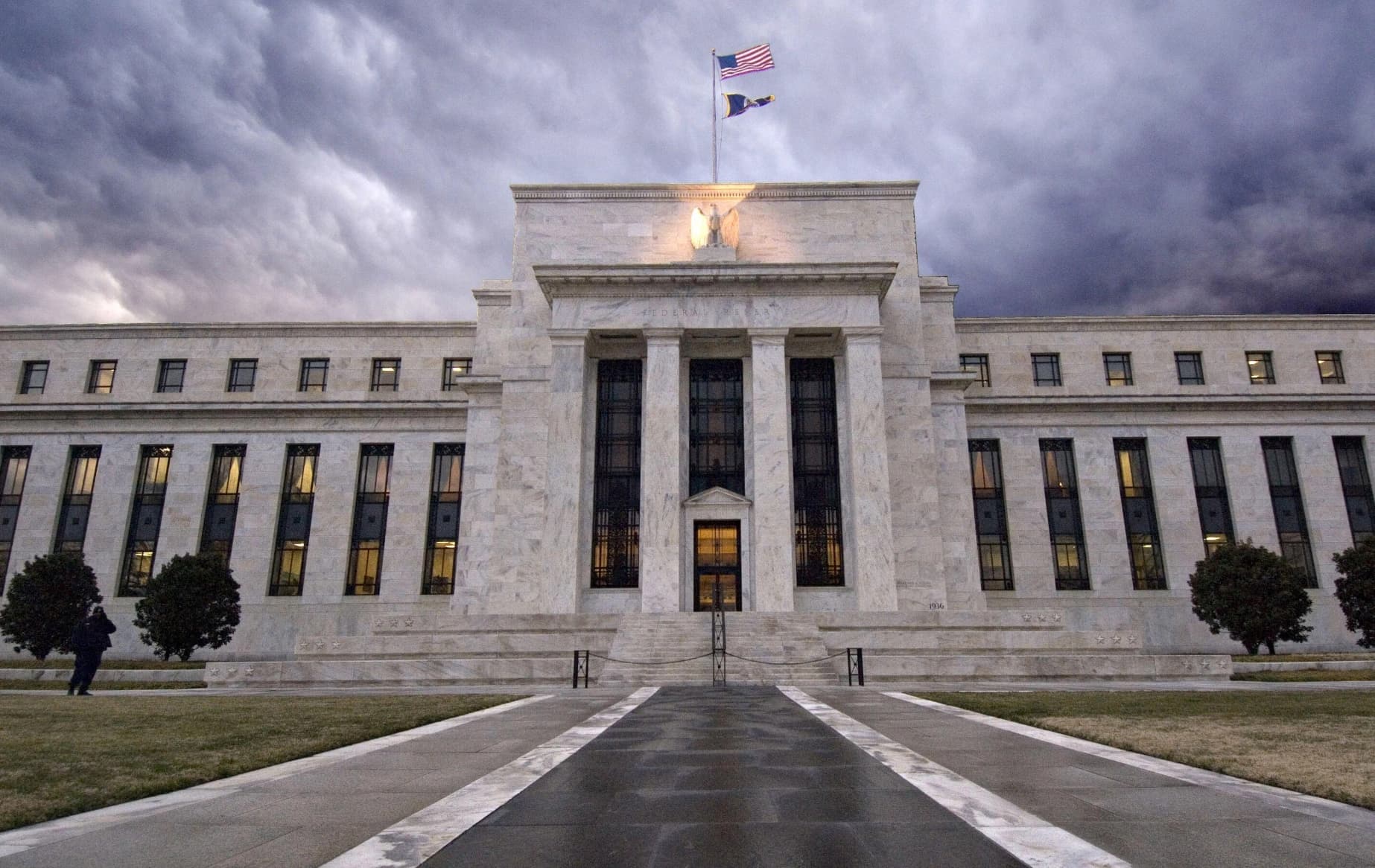
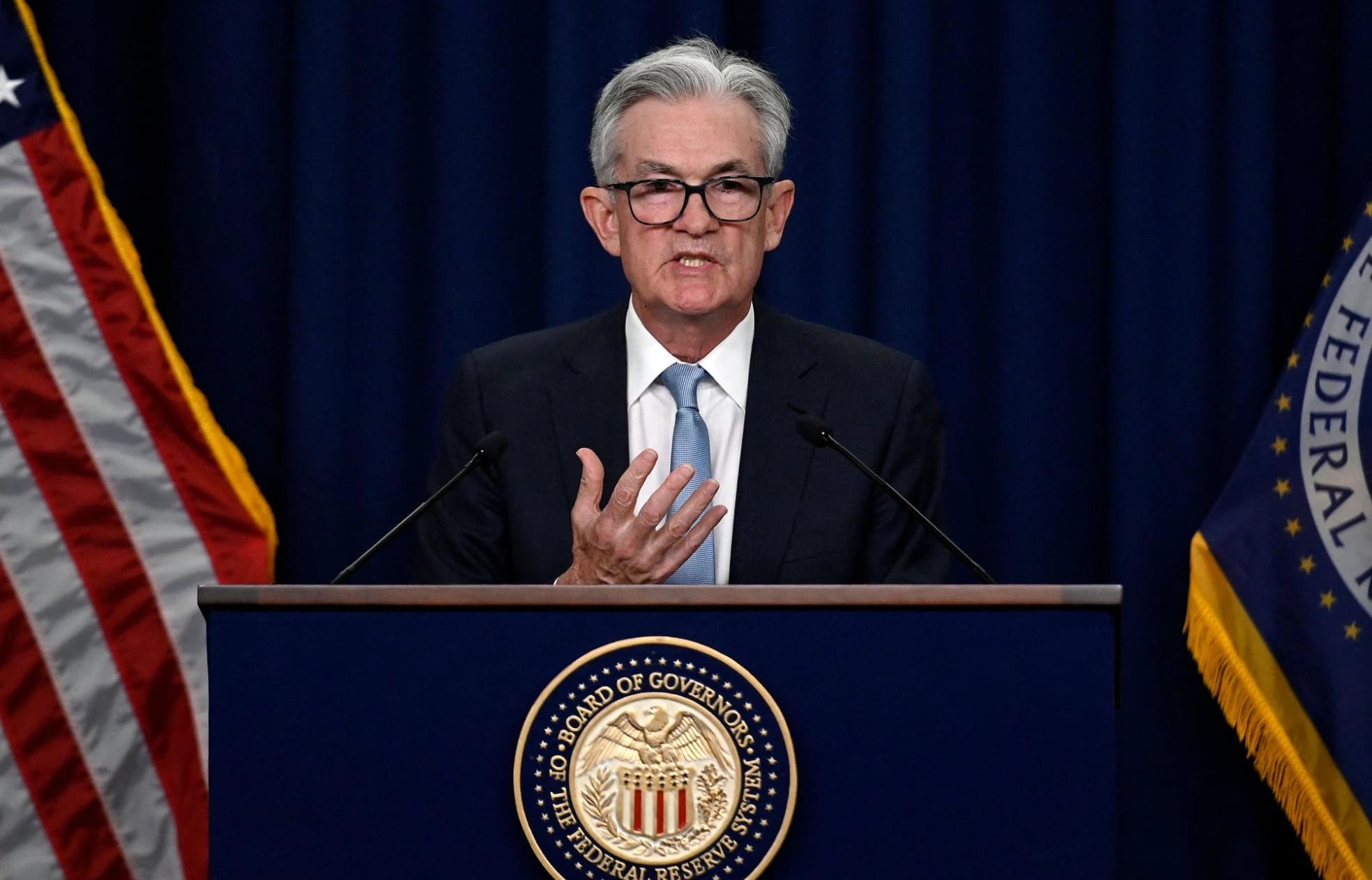
The September 16 FOMC decision to hike 25 basis points — lifting the federal funds target to 3.75%–4.00% — was framed explicitly as an inflation-risk-management move, not the opening salvo of a new tightening cycle. Fed Chair Warsh offered minimal forward guidance at the press conference, and the FOMC minutes released October 7 contained no language explicitly telegraphing a follow-up hike at the October 27–28 meeting. That absence was intentional. When October hike probabilities climbed above 70% in the days that followed, the Fed's communication apparatus shifted into managed retreat mode.
Governor Waller moved first. In an October 8 speech, he flagged energy prices, AI-related price increases, and tariffs as forces complicating the path back to 2% — but his broader tone was one of caution rather than urgency to act again immediately. The message, coordinated or not, has been consistent across speakers: the bar for a back-to-back hike is real, and the data needs to justify it. Cleveland Fed President Beth Hammack reinforces that framing tonight at 19:10 GMT, speaking with a recently hawkish tilt — she has argued the labor market's stabilization reduces the case for near-term easing and flagged Middle East energy price risk as a fresh inflation wildcard. Her remarks arrive with the bond market closed for Columbus Day, reducing the immediate price discovery mechanism, but any fresh hawkish framing will set the tone for Wednesday's reaction.
What the Data Actually Shows
The inflation setup heading into Wednesday is genuinely uncomfortable for the Fed. The expected 0.6% MoM headline gain is driven primarily by oil and transportation costs — neither of which is within the Fed's direct control, and both of which are being turbocharged by the Iran conflict's effect on energy markets. Brent crude has been a persistent upside risk to the inflation calculus since the conflict escalated, and that pressure has not abated. The ECB faces the same dynamic; with the deposit rate now at 2.65% and eurozone inflation being reassessed in light of higher energy import costs, the geopolitical inflation feedback loop is a global problem, not just a Fed problem.
What gives the Fed its potential cover is the core. The +0.2% MoM core forecast represents a deceleration from recent monthly prints, and if that number holds, it suggests underlying price dynamics are not re-accelerating — only the energy and food components are. That distinction matters enormously to the Committee. A core print of +0.3% MoM or higher would effectively erase the deceleration narrative and force the hawks — Hammack, Waller, Bowman — to argue loudly for October action. The Street consensus on Q3 GDP sits at 3.15%, with the Atlanta Fed's GDPNow tracking at 3.6%, meaning the economy is clearly not breaking under existing policy. The Fed cannot point to slowing growth as a reason to pause if inflation is re-accelerating on both headline and core measures simultaneously.
Thursday's data dump compounds Wednesday's read. Retail Sales for September are forecast at +0.3% MoM, a sharp deceleration from August's +1.2%, with ex-autos expected at +0.5% versus the prior +1.4%. The Chicago Fed models ex-auto sales at +0.4%, slightly softer than consensus. A retail miss — particularly if combined with a soft core CPI — gives the Fed its clearest path to an October skip. PPI also prints Thursday, with the annual rate expected to ease a tick to 5.3% from 5.4%; a downside surprise there would reinforce the pipeline disinflation case. Initial jobless claims are consensus 200K versus 197K prior — tight enough that labor cannot be cited as a reason for caution, but not so tight that it independently demands a hike.
What Traders Watch Next
The bond market's Columbus Day closure today creates a deceptive calm. Equity markets are open but trading in a reduced-liquidity environment, which historically amplifies intraday moves on any catalyst. Hammack's speech tonight — 19:10 GMT, after the U.S. equity close — is the first live Fed input of the week and could reprice overnight futures positioning if she delivers fresh language on energy pass-through or explicitly raises the probability of an October hike. With blackout beginning ahead of the October 27–28 meeting, this week's speaker gauntlet is the last opportunity for the Fed to shape market pricing. Warsh himself speaks Thursday night in Bangkok alongside IMF Managing Director Georgieva — that appearance, coinciding with G20 finance minister meetings on the sidelines, is the week's highest-stakes communication event.
The week ahead is unambiguous in its market implications: the 10-year Treasury yield and the December fed funds futures contract are the two instruments to watch in real time Wednesday at 8:30 AM ET. A core CPI print at or above 2.5% YoY will reprice October hike odds back toward 60%–70%, pushing the 10-year back toward its recent highs and pressuring TLT. A miss — core at 2.4% or below — and the October 28 meeting becomes a near-certain hold, shifting focus entirely to December. The specific level to track: fed funds futures pricing an October hike above 50% is the line at which equity risk-off and bond selloff dynamics become self-reinforcing. Wednesday's print sets that trajectory. Everything else this week is noise.
The Weekly Investor
Daily market analysis for active traders. Free.