Bumble Surges 57% on $1.3B Take-Private; LQDA Soars 47%
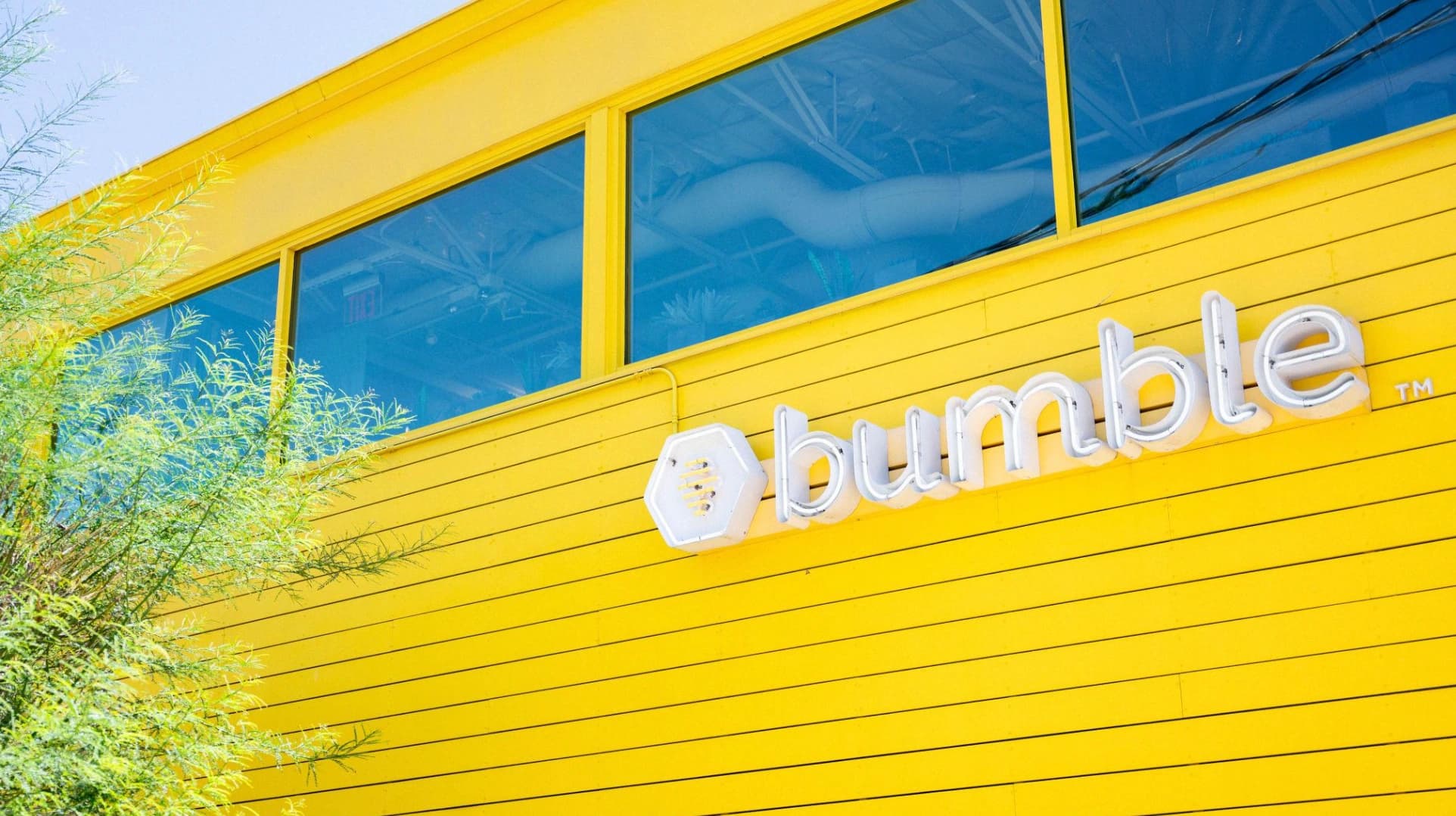
Bumble stock explodes 57% premarket on a $1.3B take-private deal with Ithaca Holdings. Liquidia surges 47% on a $380.7M United Therapeutics settlement.
Key Points
- Bumble Inc. surged 57% in premarket trading on 11.3 million shares after a definitive $1.3 billion take-private agreement with Ithaca Holdings was reported Wednesday morning.
- Liquidia Corporation jumped 46.7% after announcing a global settlement with United Therapeutics resolving all six outstanding lawsuits for a net payment of $380.7 million, eliminating the single largest legal overhang on the stock.
- Both moves represent binary-event resolution trades — the key risk for each is deal execution and timeline, not fundamental deterioration.
Two stocks are printing the kind of numbers that rewrite trading plans in real time Wednesday morning. Bumble Inc. is up 57% on 11.3 million premarket shares following reports of a definitive $1.3 billion take-private agreement with Ithaca Holdings, while Liquidia Corporation has surged 46.7% after resolving all six active lawsuits with United Therapeutics for a net payment of $380.7 million. Both moves are binary-event trades, and each carries a distinct risk profile for traders trying to determine whether to chase, fade, or wait.
Bumble's Exit Price and What Ithaca Is Buying
A 57% single-session move in a consumer technology stock almost always signals one of two things: a massive earnings beat or a control transaction. This is the latter. Ithaca Holdings' $1.3 billion bid for Bumble represents a take-private of a company whose market cap had been compressed by multiple years of user growth deceleration, monetization questions, and the broader re-rating of dating app platforms as a category. Bumble had been trading at a fraction of its 2021 IPO-era valuation — the take-private offer is landing at a level that implies Ithaca sees either breakup value, a restructuring opportunity, or a longer-horizon path to profitability that public market investors were not willing to fund.
For current shareholders, the 57% jump compresses most of the arbitrage spread that would normally exist between announcement and close. In a clean strategic take-private at a fixed price, the spread post-announcement typically narrows to 1%–3% as merger arbitrage funds step in. The fact that BMBL is trading on 11.3 million premarket shares — elevated but not extreme for a deal of this size — suggests institutional positioning is active but not yet saturated. Retail traders who missed the initial print and are evaluating entry at current levels need to do one calculation: what is the deal price per share versus where the stock is now trading, and how wide is the remaining spread relative to expected close timeline.
The strategic logic for Ithaca Holdings is worth examining. Bumble's core asset — a differentiated, women-first dating platform with meaningful brand recognition globally — is worth more in a private restructuring context than its recent public valuation suggested. Subscription revenue, even at slowing growth rates, generates predictable cash flow. The take-private removes quarterly earnings pressure and gives new ownership the runway to reposition the product without the scrutiny of public markets. Whether that results in a re-IPO in three to five years or a secondary sale to a strategic acquirer in the media or technology space is the long-term question — irrelevant for traders today, but central to Ithaca's thesis.
Liquidia's $380.7 Million Settlement Removes the Overhang
Liquidia's 46.7% surge is a different kind of binary resolution. The pharmaceutical company had been locked in protracted litigation with United Therapeutics across six separate lawsuits, with the disputes centered on Liquidia's pulmonary arterial hypertension therapy and its competitive positioning against United Therapeutics' established franchise. Litigation of this scope and complexity is a stock-price anchor: it introduces outcome uncertainty, legal cost drag, and delays commercial ramp. The $380.7 million net payment to resolve all six cases simultaneously removes every one of those variables at once.
The settlement structure matters for how traders should think about LQDA's path forward. A global settlement — covering all active disputes in a single agreement — signals that both parties concluded continued litigation was more expensive and uncertain than resolution. For Liquidia, the net payment represents a defined cost that can be absorbed and modeled, rather than an open-ended liability that could have escalated with adverse trial outcomes. For United Therapeutics, the settlement removes the distraction of six parallel legal tracks and allows management to focus on its own pipeline and commercial execution.
The LQDA commercial opportunity in pulmonary arterial hypertension is now substantially derisked on the legal dimension. The remaining question — which the market is now free to price without litigation noise — is commercial execution: prescription volume ramp, payer coverage, and competitive response from United Therapeutics' own portfolio. PAH is a high-value specialty therapeutic area with a defined patient population and strong pricing power; a cleared legal path in that market is genuinely valuable. Liquidia's premarket move reflects the market repricing the stock from a litigation-discounted value to something closer to its commercial potential.
How Traders Should Size These Moves
The critical mistake traders make with gap-up stocks of this magnitude is treating 57% and 46.7% as equivalent situations requiring the same analytical framework. They are not. Bumble is a deal arb trade now — the upside from current levels is capped by the $1.3 billion deal price, and the risk is deal failure or renegotiation. Liquidia is a fundamental re-rating trade — the litigation discount has been removed, but upside from here depends on operational execution, and there is no fixed ceiling the way there is in a take-private.
For BMBL specifically, traders sitting long at current premarket levels are effectively running merger arbitrage. The spread will compress further at the open as arb desks establish positions. The risk premium embedded in that spread reflects deal completion probability — regulatory review, financing conditions, and any material adverse change clauses in the definitive agreement. Until the full deal terms are published and the financing structure confirmed, the spread will remain slightly wider than a clean cash deal with no regulatory complications would justify.
Liquidia's move has more room to run or reverse depending on what investors hear from management in the days following the announcement. A settlement of this complexity — resolving six lawsuits with a named net payment — typically triggers an investor call or updated commercial guidance. Watch for LQDA management commentary on near-term revenue trajectory in the pulmonary hypertension market and any updated timeline for expanded formulary access. The specific level to track on LQDA is its pre-litigation range from early 2025 — if the stock can reclaim and hold that territory in the sessions following today's announcement, it would confirm the market is treating this as a genuine fundamental reset rather than a one-day relief trade. Broader premarket context, including today's bank earnings wave, will shape risk appetite for both names through the session.
The Weekly Investor
Daily market analysis for active traders. Free.