AMD Jumps 6% on TSMC-Driven Q4 Price Hike Reports
AMD surged 6.3% after supply-chain reports showed a 10% Q4 chip price hike tied to TSMC wafer cost increases on sub-5nm nodes.
Key Points
- AMD shares jumped as much as 6.3% intraday after supply-chain reports surfaced that the company notified partners of a 10% price increase on AI accelerators, Radeon GPUs, and chipsets starting Q4 2026.
- The move is upstream-driven: TSMC formally notified major customers of 8%–10% wafer price hikes on sub-5nm processes, hitting AMD's highest-margin Zen 6 datacenter products hardest.
- Traders need an official AMD pricing confirmation to size the next leg — without it, this is still a supply-chain rumor running on momentum.
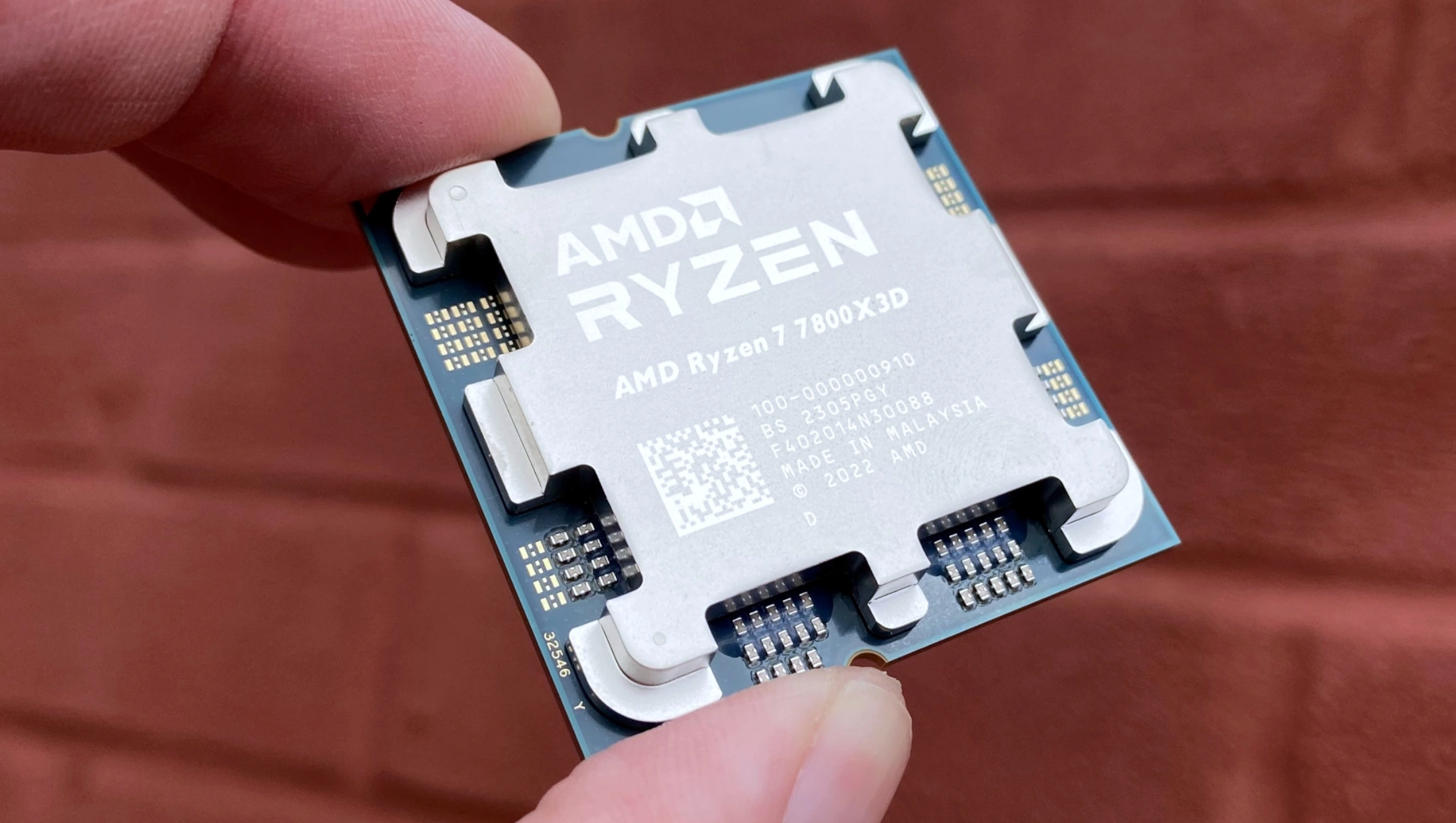
AMD shares surged as much as 6.3% on Thursday after supply-chain reports landed that the company had told partners to expect a roughly 10% chip price increase starting Q4 2026, covering AI accelerators, Radeon graphics cards, and motherboard chipsets — but critically, not Ryzen desktop or laptop CPUs. The stock had already gained 1.4% in premarket, extending a three-session winning run, before the full report hit. As of Friday's open, AMD has confirmed none of it. There is no official pricing statement. The market is trading the implication, not the announcement.
The TSMC Cost Wave Behind the Move
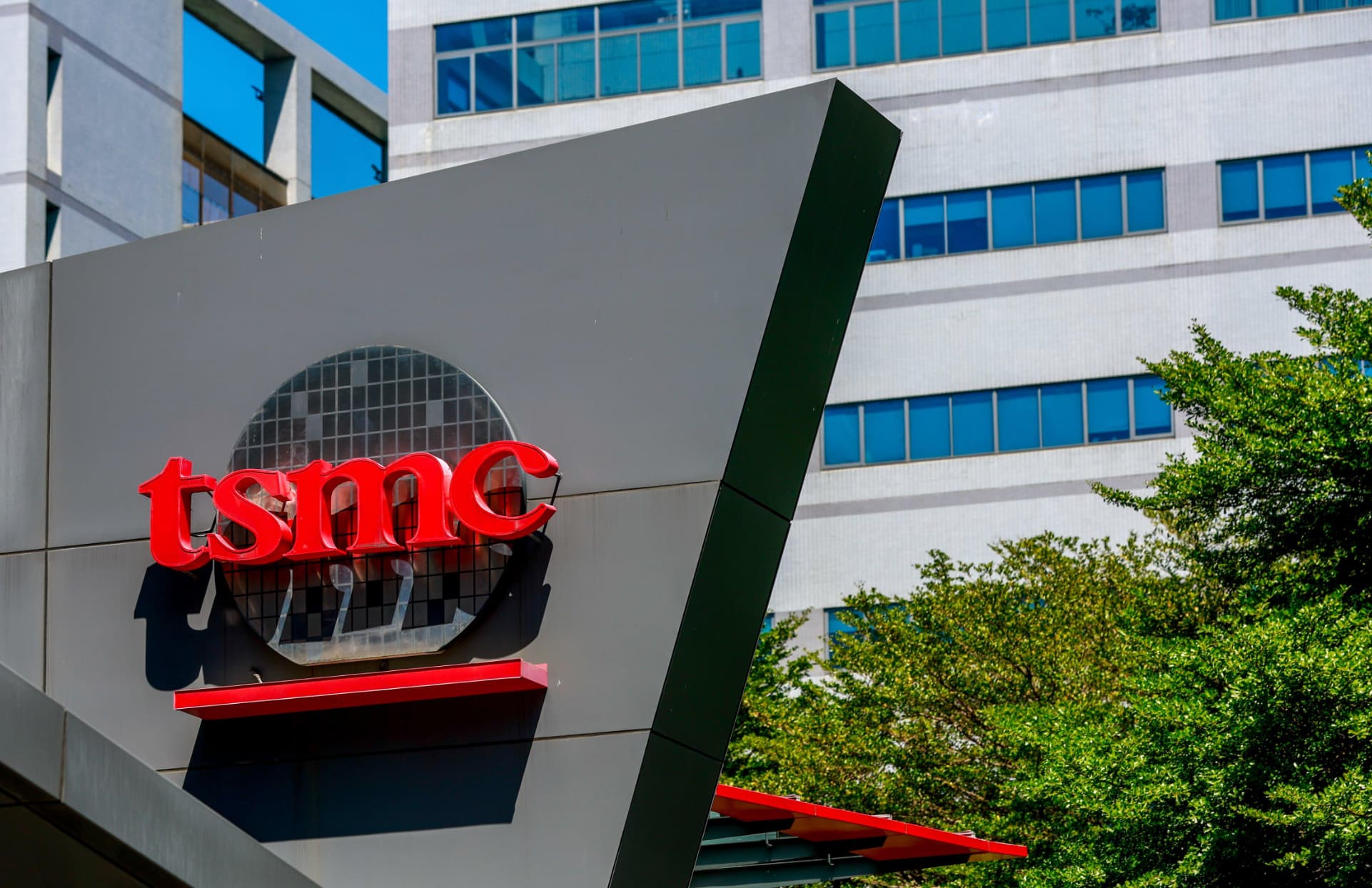
The upstream catalyst is not in dispute even if AMD's response to it is. TSMC formally notified its major customers — Nvidia, Apple, AMD, and Qualcomm among them — of wafer price increases ranging from 5% to 10%, with the steepest adjustments, 8% to 10%, concentrated on sub-5nm process nodes. That is precisely where AMD's highest-margin products live. AMD's Zen 6 datacenter architecture, which launched July 23, 2026, runs on TSMC's N2P process node and scales server variants up to 256 cores. A 10% foundry cost increase on N2P wafers is not a rounding error for a product line competing directly against Nvidia's custom silicon in the AI infrastructure buildout.
TSMC's own financials make it impossible to argue this is a distressed supplier seeking relief. The company reported August revenue of NT$514.81 billion, up 53.3% year-over-year. Net income grew 50.91% year-over-year and 23.51% quarter-over-quarter in the most recent reporting period. TSMC controls 72% of the global chip foundry market — every major AI chip, from Nvidia's Hopper and Blackwell GPUs to Broadcom's custom ASICs, runs through its fabs. When TSMC raises prices, it raises them from a position of structural monopoly on leading-edge nodes, not operational necessity. The increase is a demand signal dressed as a cost story.
Mature nodes are not exempt either. Automotive and industrial chips manufactured on older process generations reportedly face similar percentage increases, suggesting TSMC is moving its entire price book rather than selectively targeting AI silicon. That breadth matters for traders: this is not a one-product adjustment. It is a structural repricing of the foundry layer that underlies every major chip company's cost structure simultaneously.
Why the Market Is Reading This as Bullish
The conventional read on input cost increases is margin compression — a supplier raises prices, manufacturers absorb the hit or lose customers. The market is reading this story in the opposite direction, and it is not wrong to do so, at least in the near term. The 6.3% intraday jump in AMD reflects a specific bet: that AMD has enough pricing power in AI accelerators and data-center GPUs to pass the foundry cost increase through to customers without demand destruction.
The Nebius data point is the demand signal that supports that thesis. The cloud provider announced on September 17 that rental rates for AMD EPYC Genoa CPUs would climb 25% starting October 1. That is not a company in a weak negotiating position quietly eating cost increases. That is a downstream buyer raising its own prices by 2.5 times the foundry cost increase, which implies healthy margin capture at every layer of the stack. If cloud providers can push 25% CPU rental rate increases and expect customers to absorb them, AMD has room to push 10% at the chip level.
The broader chip sector rebound on Thursday reinforces the sentiment shift. Intel gained 7.67% in the same session, Micron climbed 5.5%, Nvidia advanced 2.54%, and Broadcom rose 2.29%. The Philadelphia Semiconductor Index closed up 3.4%. Investors are not fleeing foundry cost increases — they are interpreting tight supply and resilient data-center demand as a pricing-power cycle for the entire sector, not just AMD. That is the macro frame that makes Thursday's AMD move coherent rather than idiosyncratic.
What Traders Watch Next
The single most important unresolved question is what the AMD price hike actually covers at the retail and OEM level. Supply-chain reports describe the increase hitting at the partner level first — meaning AIBs and OEMs receive the cost increase before it reaches end customers. Whether AMD formally communicates a consumer-level price adjustment, and how AIB partners respond, is the variable that determines whether this trade has a second leg or stalls at current levels. The absence of Ryzen from the reported hike list is notable: AMD appears to be protecting its consumer CPU market share while moving on AI accelerator and data-center pricing, where competitive dynamics are different and demand is less elastic.
The tariff layer adds a separate risk dimension that the Thursday rally largely ignored. Commerce Secretary Lutnick has signaled semiconductor-specific tariff action is coming, putting the entire AI chip supply chain — Nvidia, AMD, Broadcom — under a cost overhang that compounds the TSMC wafer increase. A tariff announcement that lands before AMD formalizes its pricing would scramble the calculus entirely, potentially forcing AMD to absorb costs it was counting on passing through.
For AMD specifically, the critical near-term trigger is an official pricing statement or management commentary. An investor day comment, an earnings pre-announcement, or even an analyst day remark confirming the 10% Q4 hike would likely push AMD through the $200 resistance level that has capped several rallies this year. Analyst price targets on TSMC currently range from $530 to $650 — and that valuation range, combined with TSMC's Q3 gross margin guidance of 65%–67%, tells traders the foundry itself sees no ceiling on its pricing cycle. AMD is riding that wave. The confirmation trade is still open.
The Weekly Investor
Daily market analysis for active traders. Free.