Fed's Inflation Fight Heats Up: Michigan Sentiment Hits 47.8
UMich final September sentiment prints at 47.8 with 1-year inflation expectations at 4.6% — the data the Fed needs to justify a December hike.
UMich final September sentiment prints at 47.8 with 1-year inflation expectations at 4.6% — the data the Fed needs to justify a December hike.
August core durable goods orders beat at +0.6% ex-transport while the headline swings to -0.3%, sharpening the case for a December Fed hike.
The Fed's unanimous 25bp hike to 3.75%-4.00% and a hawkish dot plot put another move squarely on the table. Here's what traders need to know now.
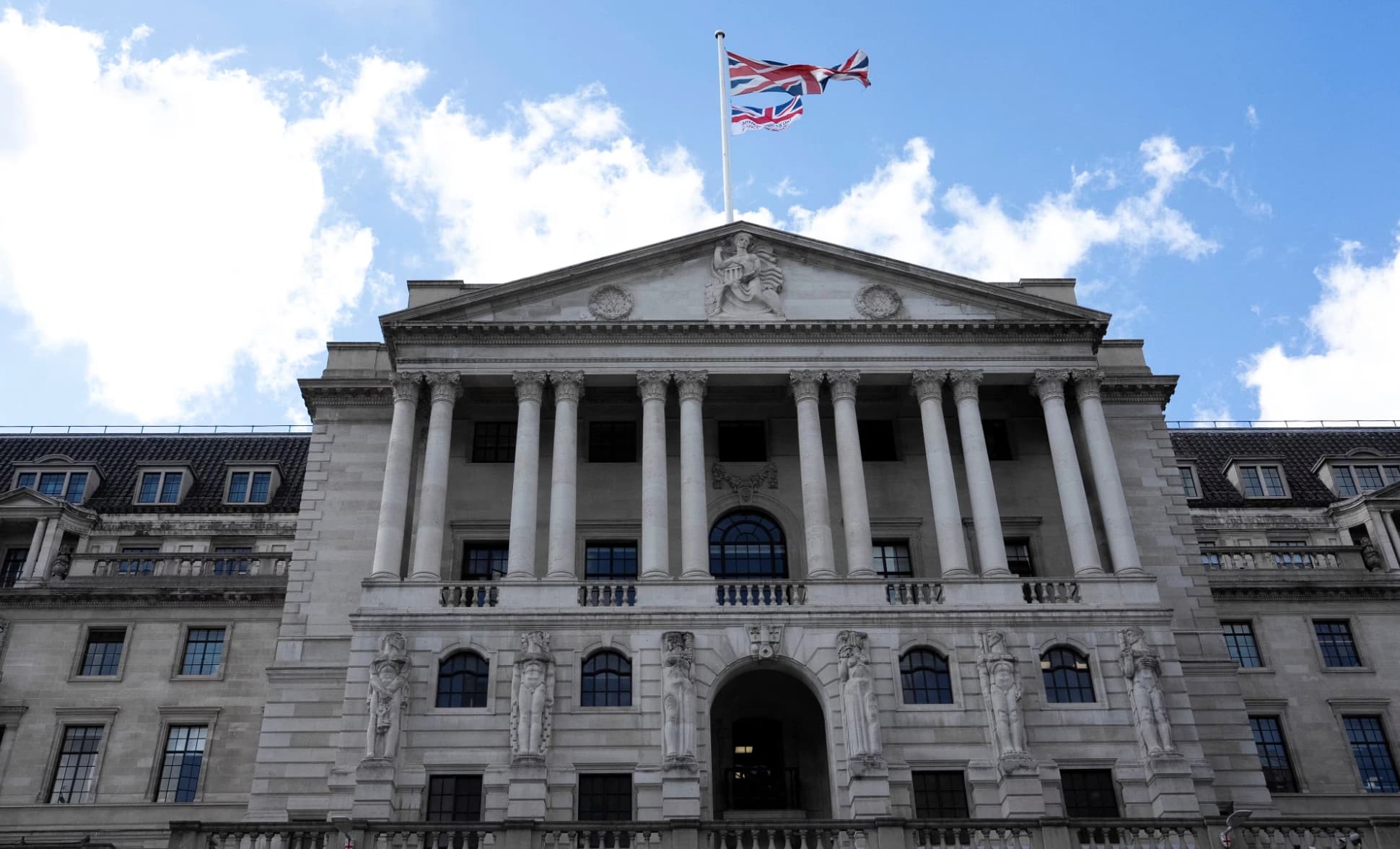
Three major central banks issue rate decisions September 24 as the Iran war warps global inflation. Here's the divergence trade every macro player needs to track.
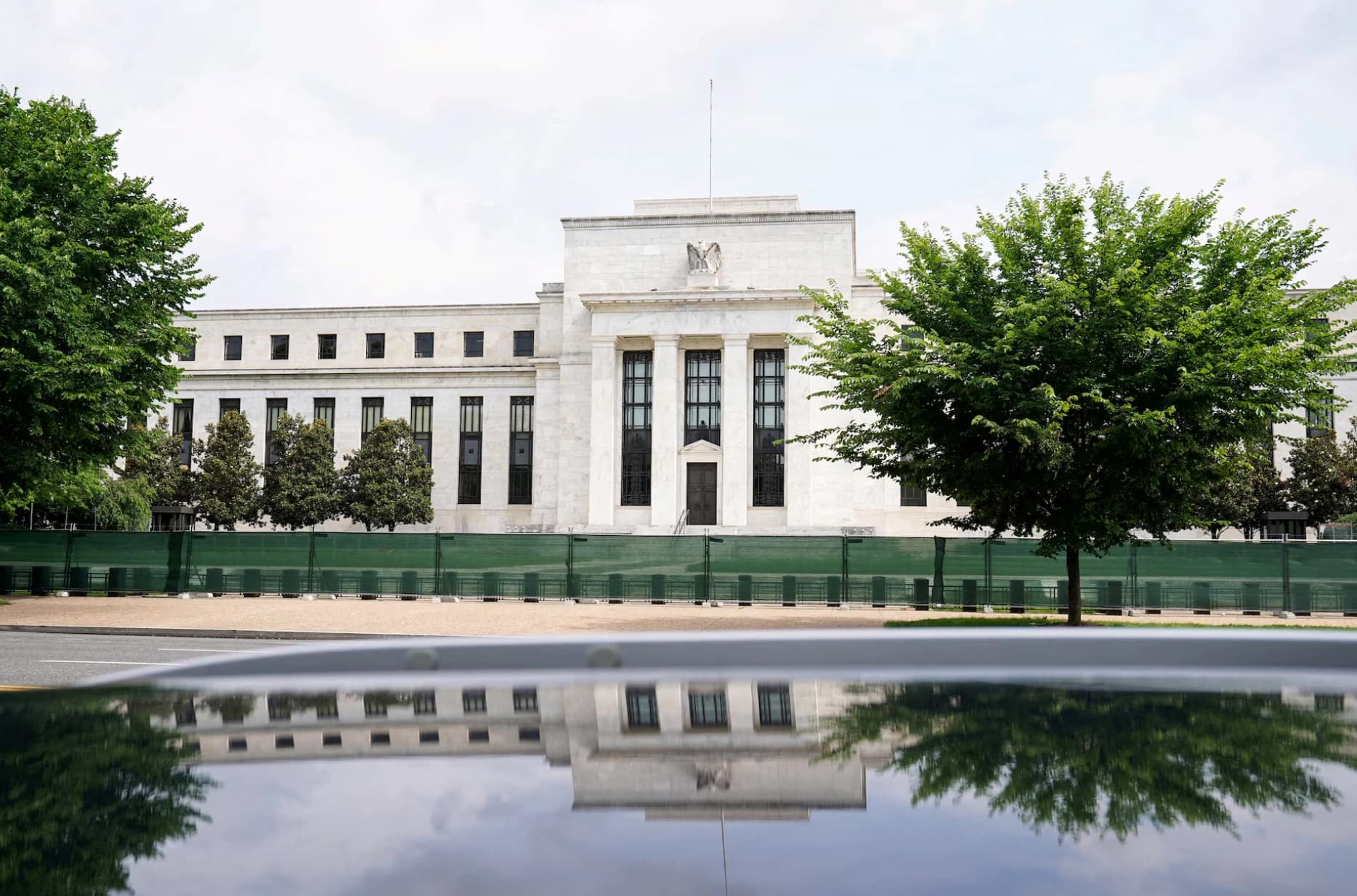
The Fed's first hike in three years just landed. With 16 of 18 officials penciling in more, here's what traders must watch before October 28.
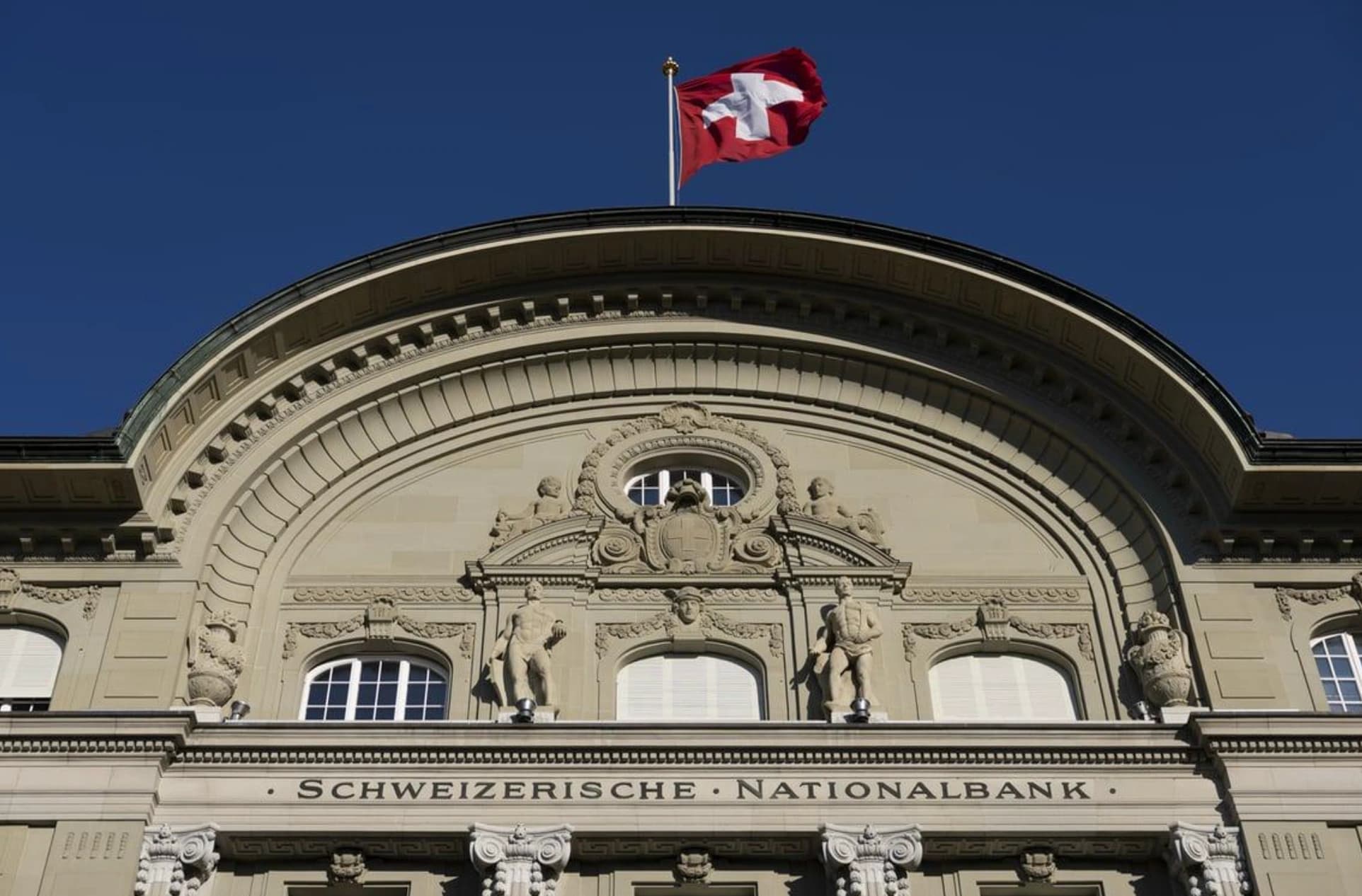
The Swiss National Bank decides tomorrow at 07:30 GMT with its rate at 0%. Here's what the ECB's September hike means for Thursday's SNB call and EUR/CHF.
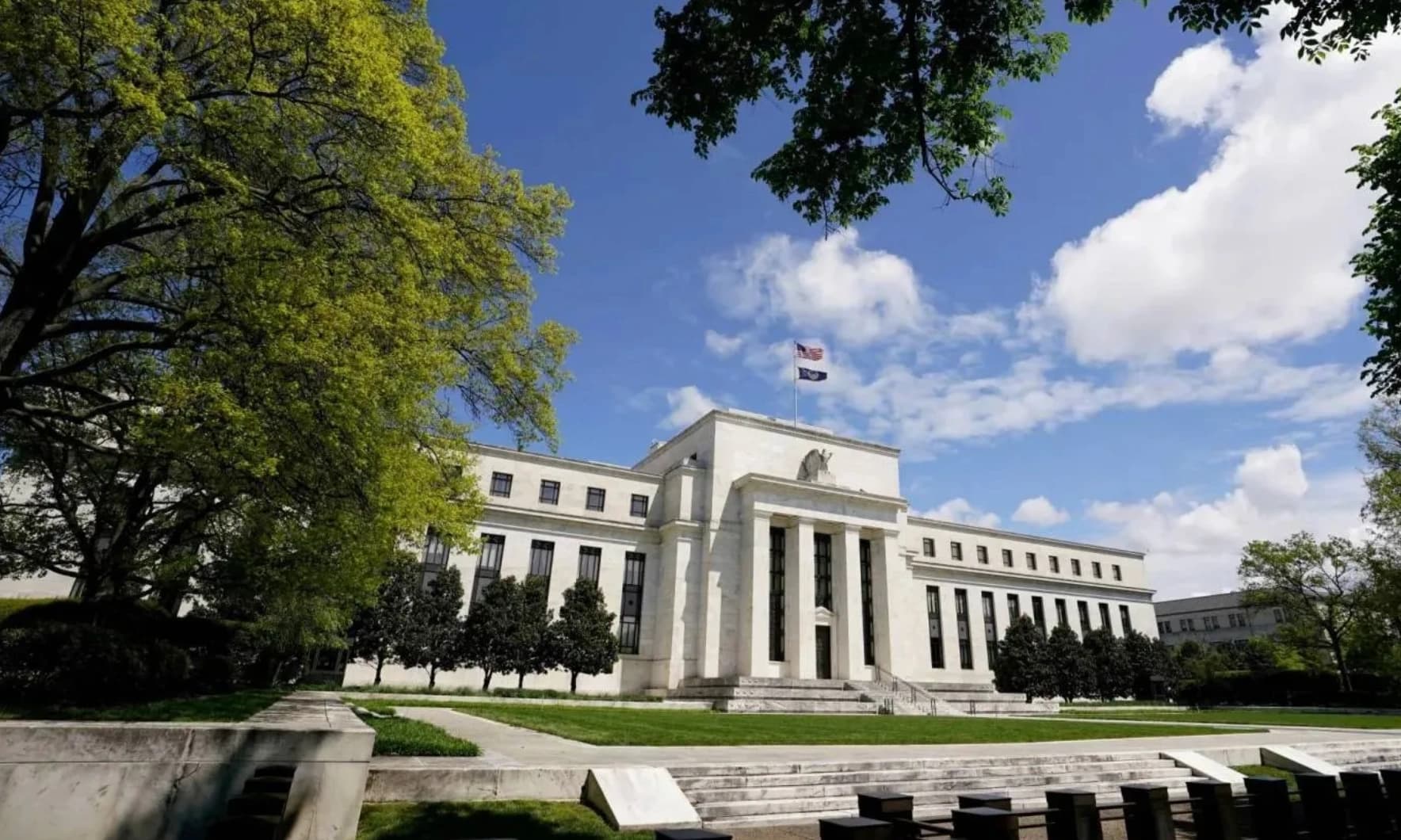
The Fed raised rates 25bps to 3.75–4.00% at its September meeting. Here's what the hawkish dot plot means for traders positioning now.
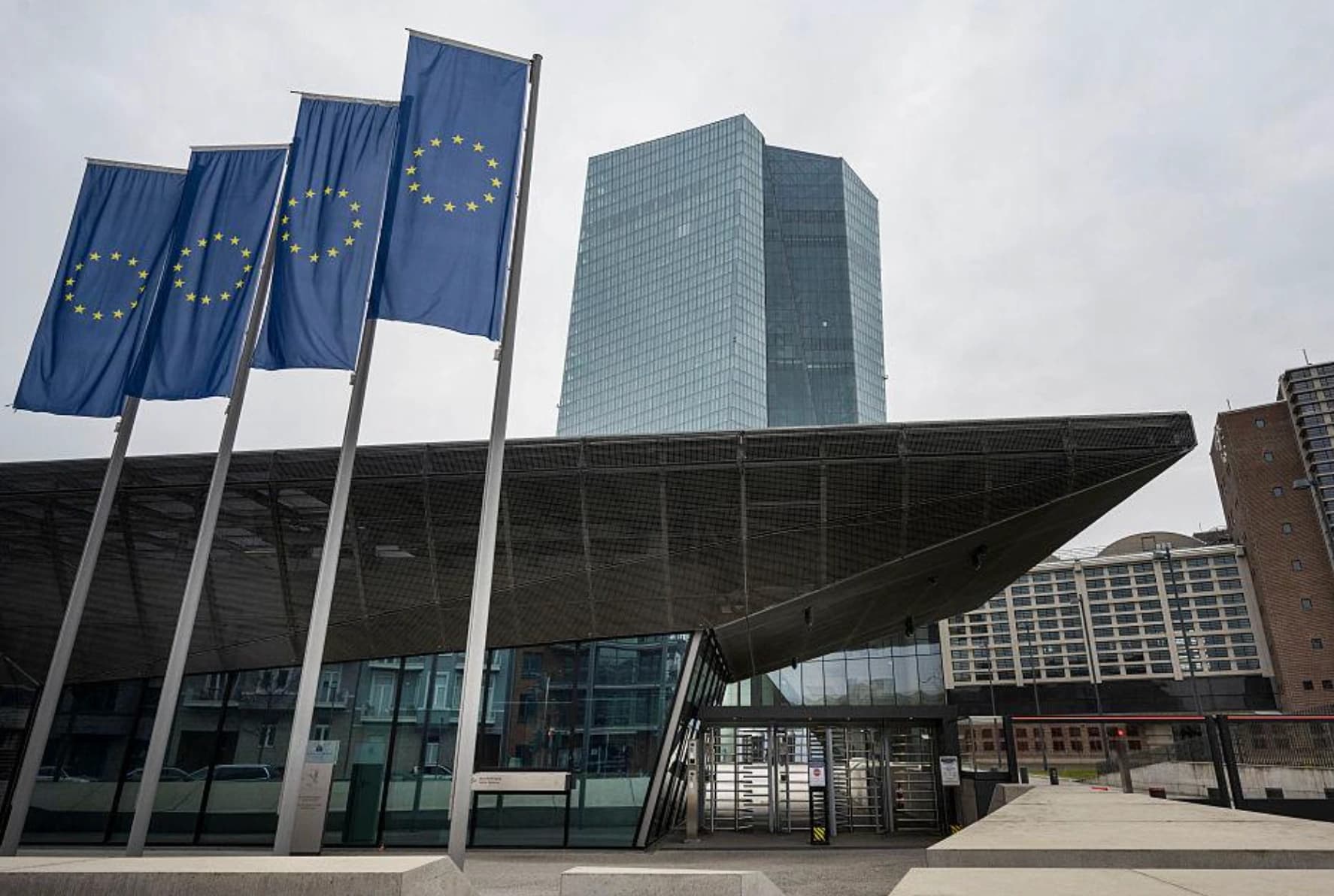
The ECB hiked 40bps to 2.65% while the SNB cut to 0.00%. Global central bank divergence in 2026 is reshaping FX, bonds, and carry trades in real time.
The Fed raised rates 25 bps to 3.75%-4.00% in a unanimous vote. The dot plot now signals 4.10% through end-2027. Here's what traders must know.
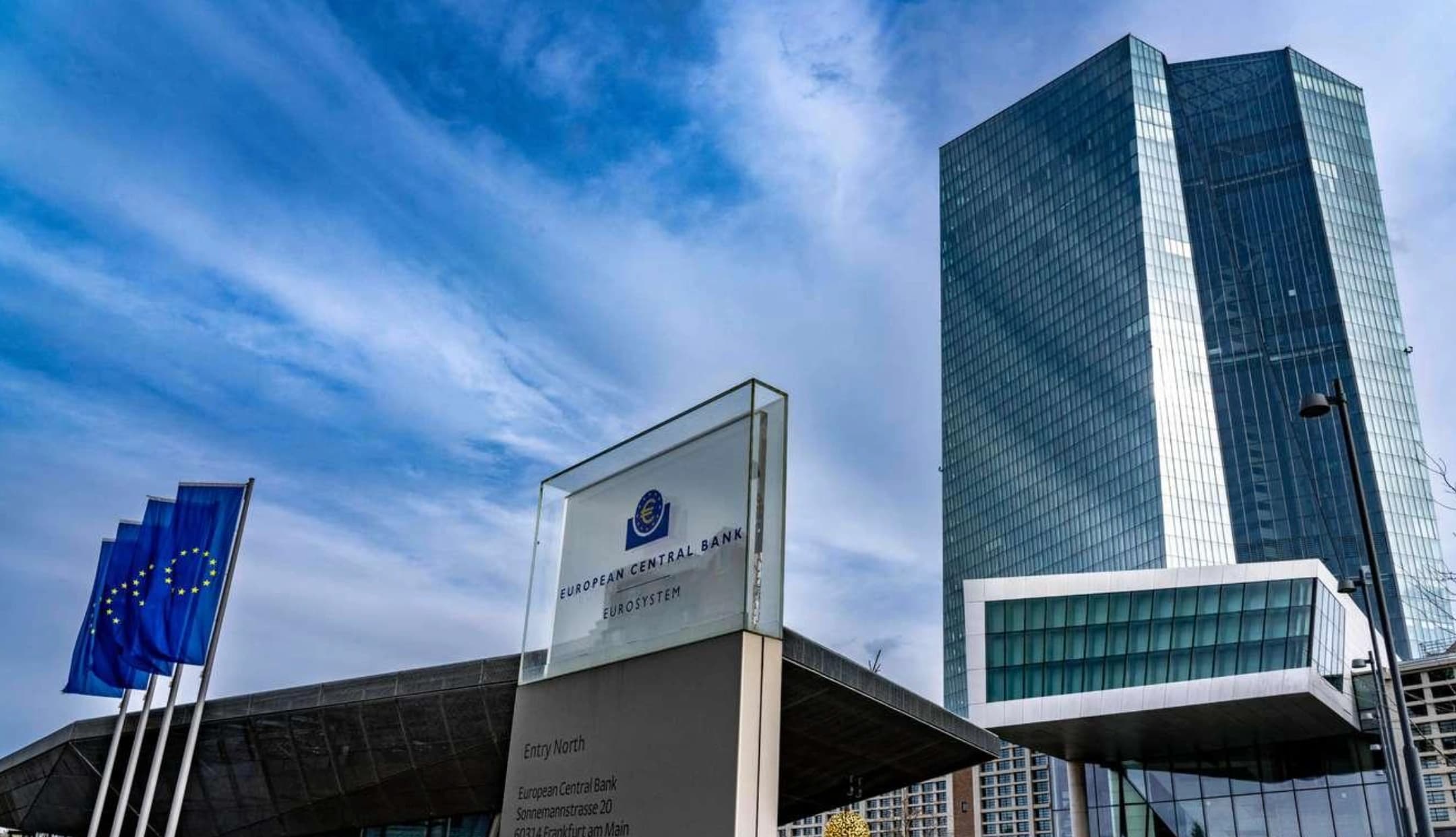
The BOJ hit 1.25% — highest since 1995. The ECB raised again on 3.0% inflation. Three of four major central banks are tightening simultaneously.
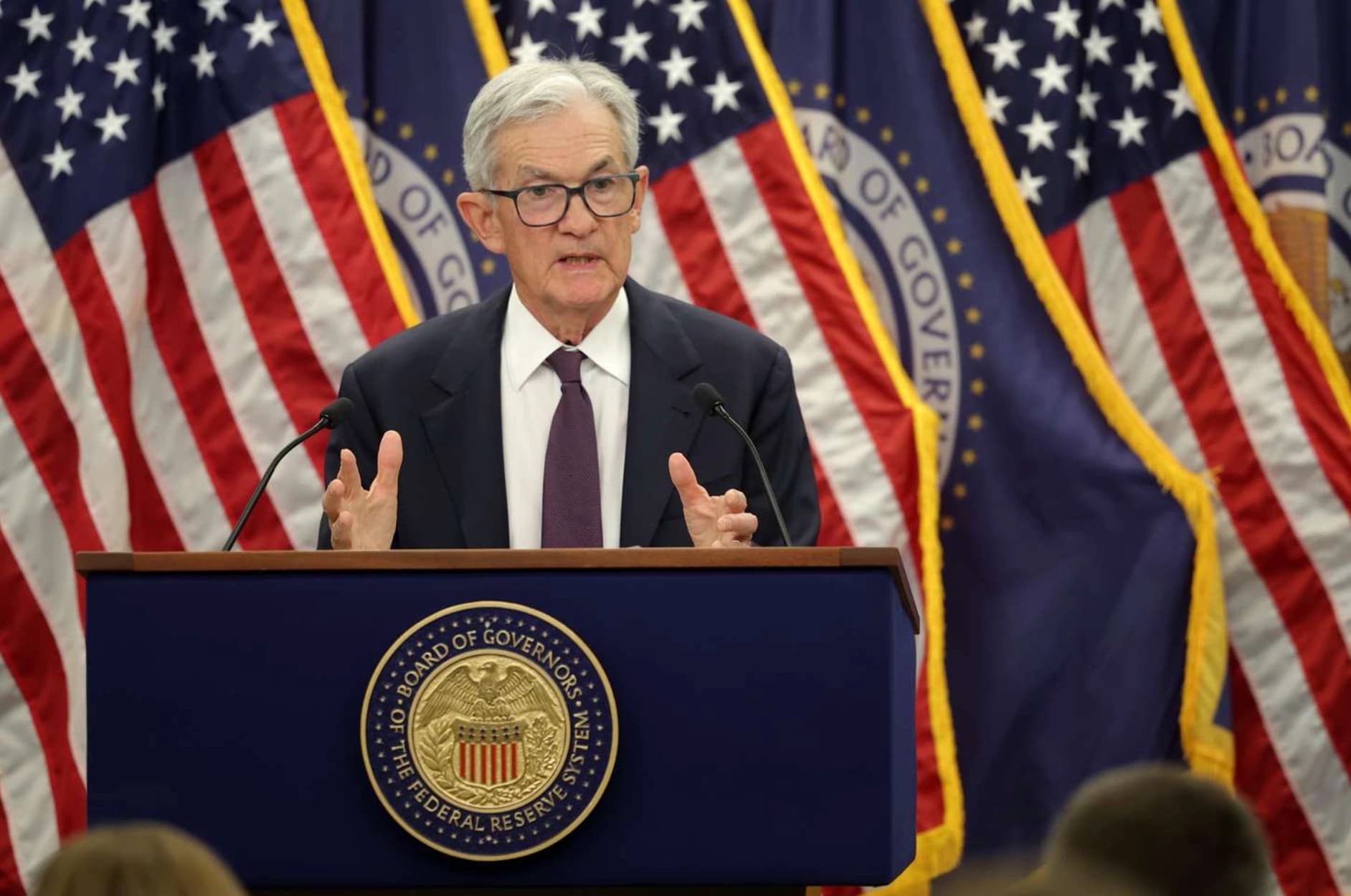
The Fed raised rates 25bp to 3.75%-4.00% on Sept. 16 — its first hike since 2023. Here's what the dot plot signals for November and beyond.
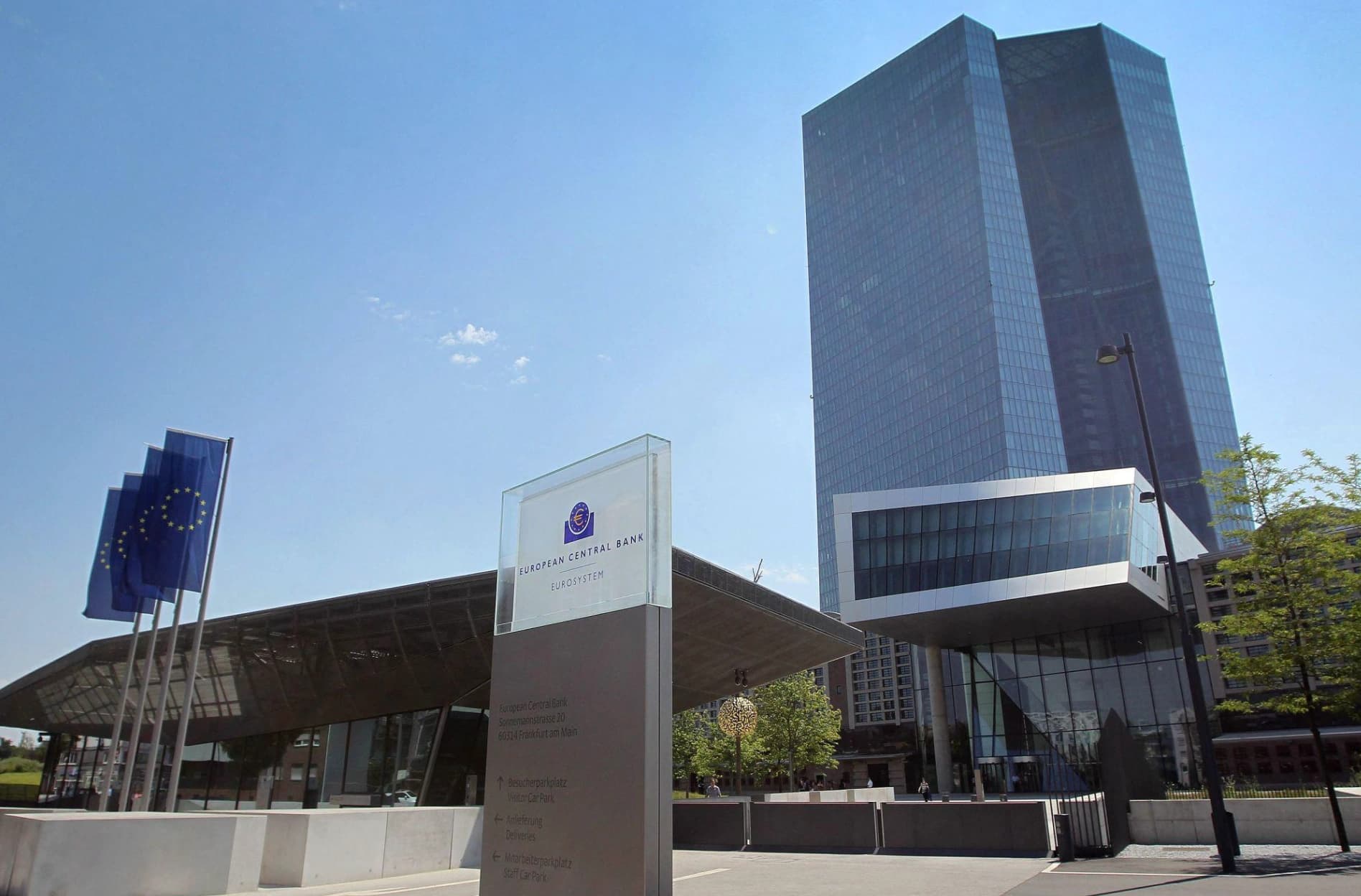
The ECB raised 40bp to 2.65%, the SNB cut to 0%, and the BoJ meets Sept. 24. Global rate divergence is accelerating — here's the trade.
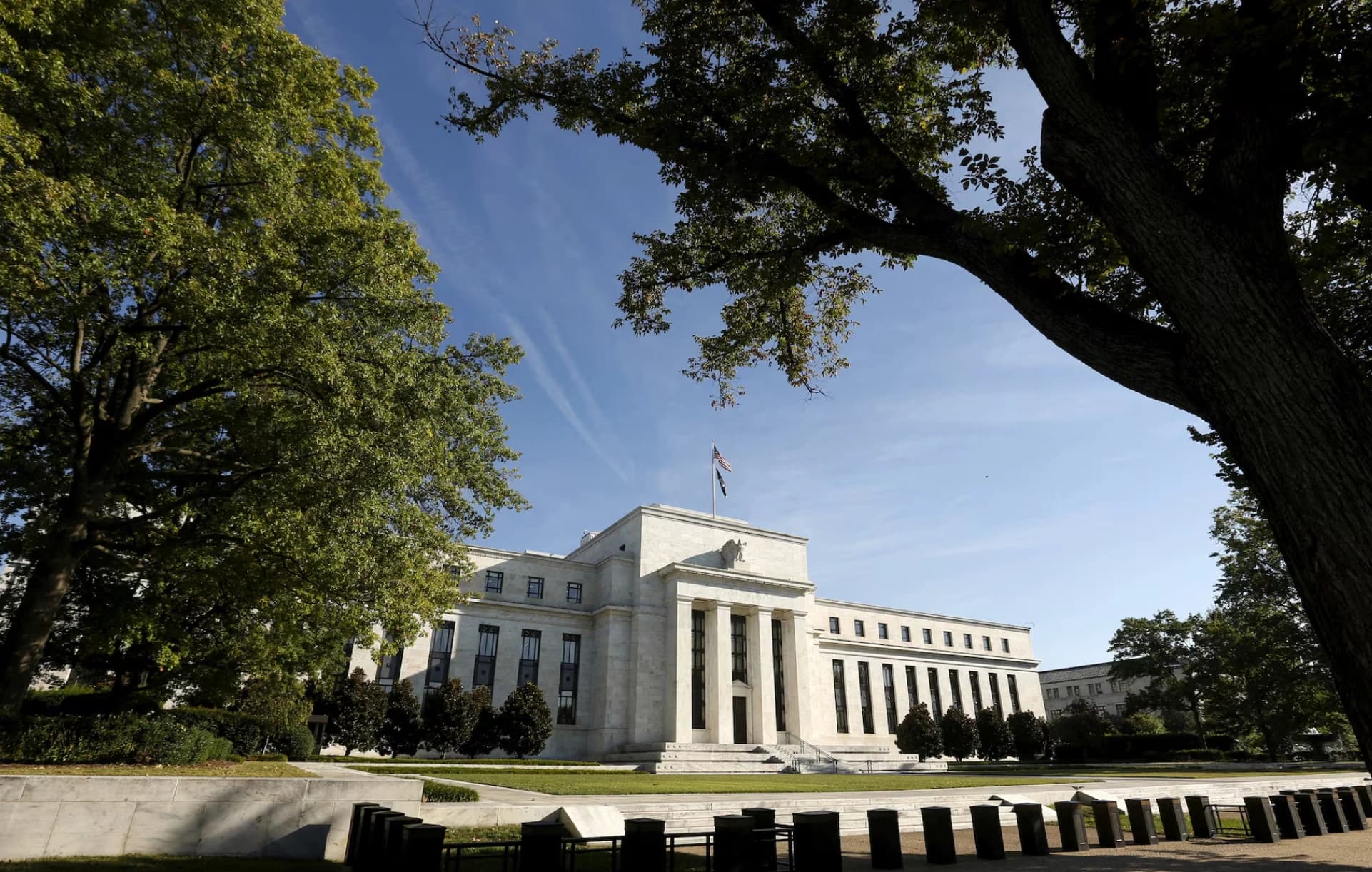
The Fed raised rates 25 bps to 3.75%–4.00% in a unanimous 12-0 vote. The dot plot shows 16 of 18 officials expect another hike. December is live.
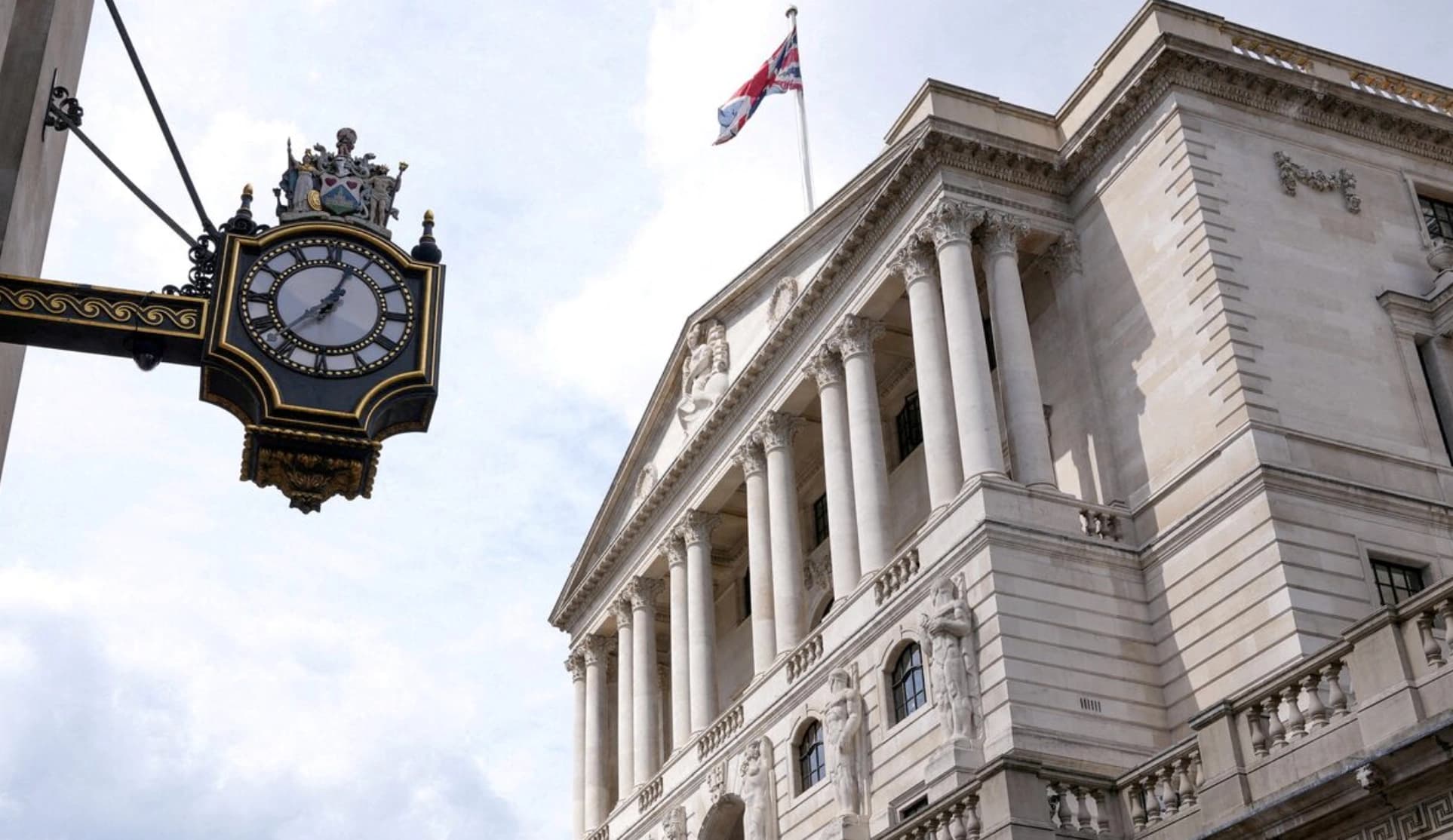
Bank of England holds rates at 3.75% as GBP/USD trades near 1.3400. Bank of Japan expected to hike 25 bps to 1.25% Friday — a 30-year high.
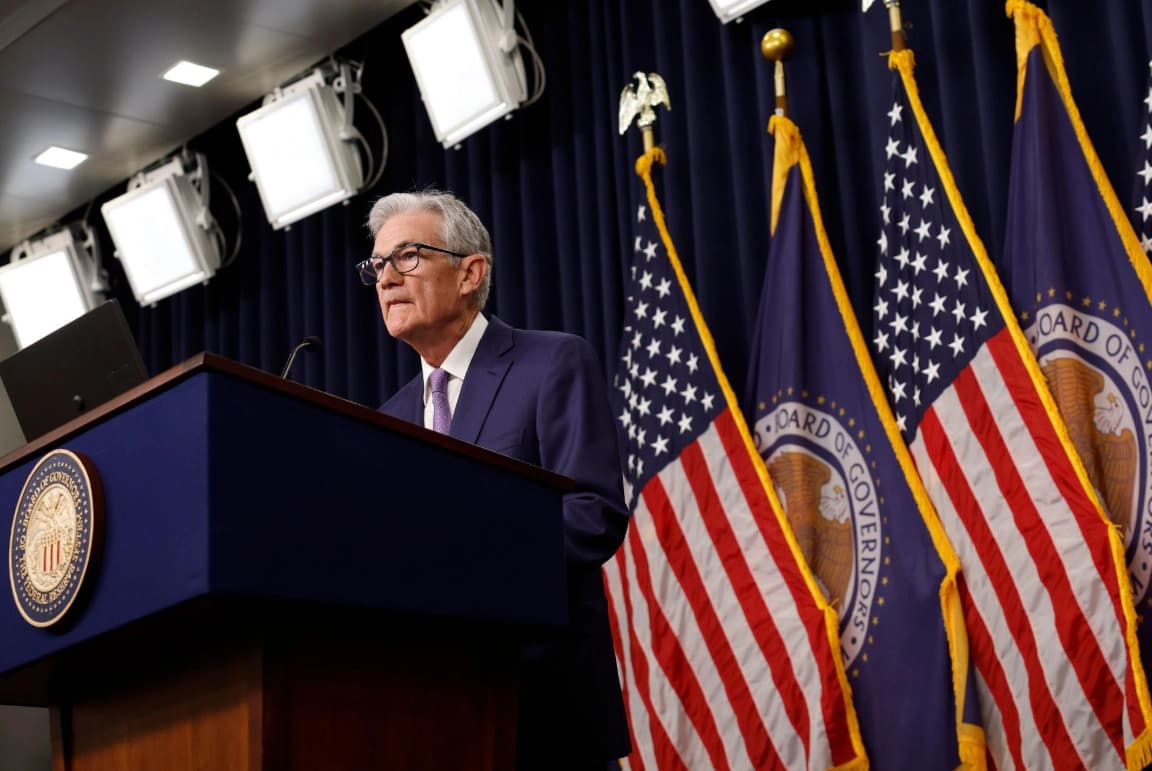
The Fed raised rates 25bps to 3.75%-4.00% on September 16, 2026 — the first hike since 2023. Here's what the dot plot and Warsh signal next.
The ECB raised rates 25bps on September 10 with eurozone inflation at 3.0% in 2026. Here's what the new projections mean for EUR, bonds, and global policy.
The September FOMC meeting opens today with three dissenters pushing for hikes, Brent at $89.70, and tomorrow's dot plot set to move markets.

The ECB hiked 40bp to 2.65% while Brazil cuts toward 13%. A fractured global rate map creates FX and fixed income trades right now.
August core CPI rose 0.3% MoM, beating forecasts. With 80-87% odds of a Fed hike Wednesday, here's what traders need to watch at the FOMC.
ECB raised rates 25bps on Sept. 10 as oil tops $100. Bank of England and Bank of Japan decisions this week add to a central bank-heavy macro calendar.
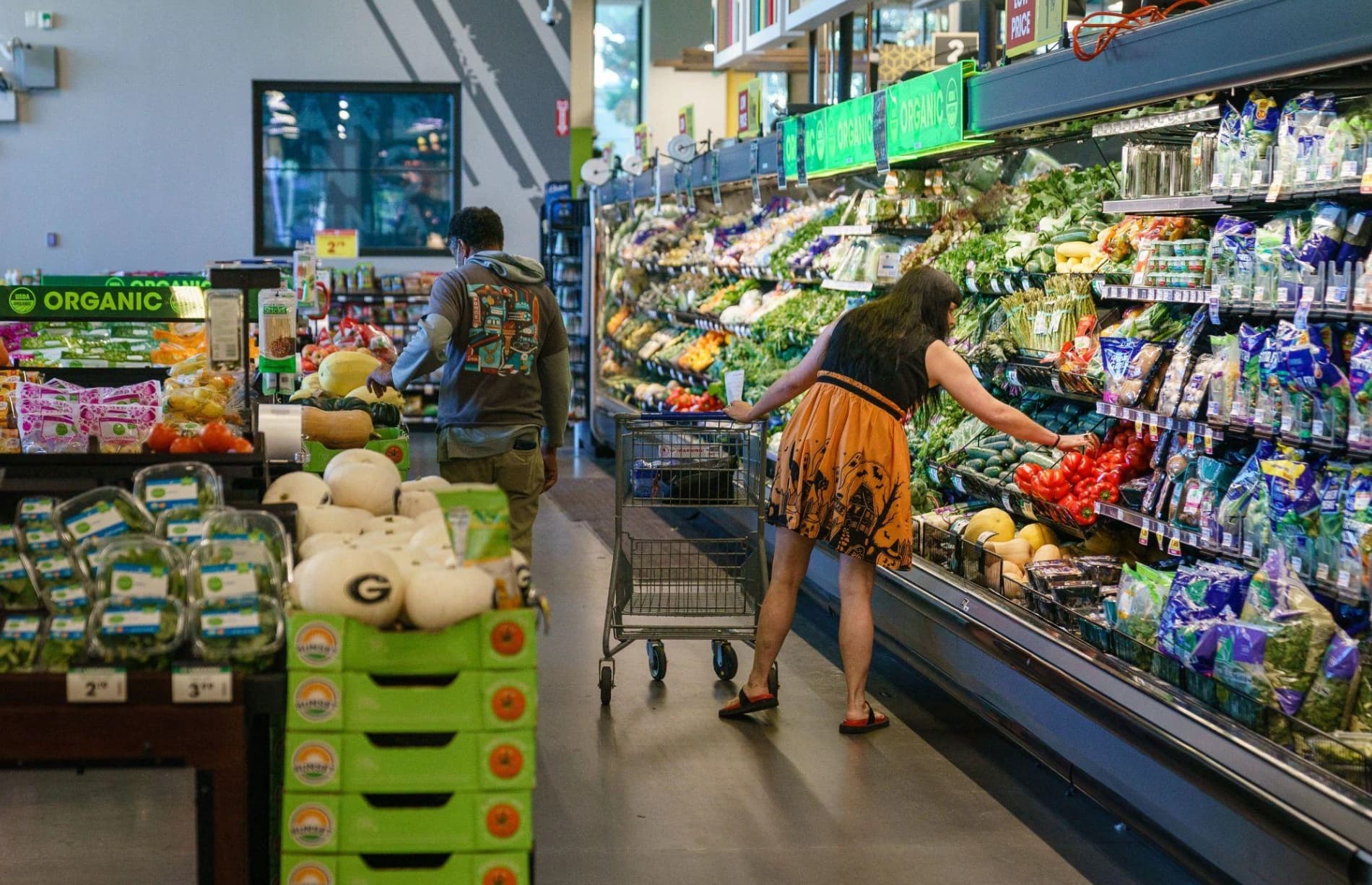
August CPI drops today at 8:30 AM ET. A print above 3.4% YoY locks in a 25 bps Fed hike on September 16. Here's what traders need to know.
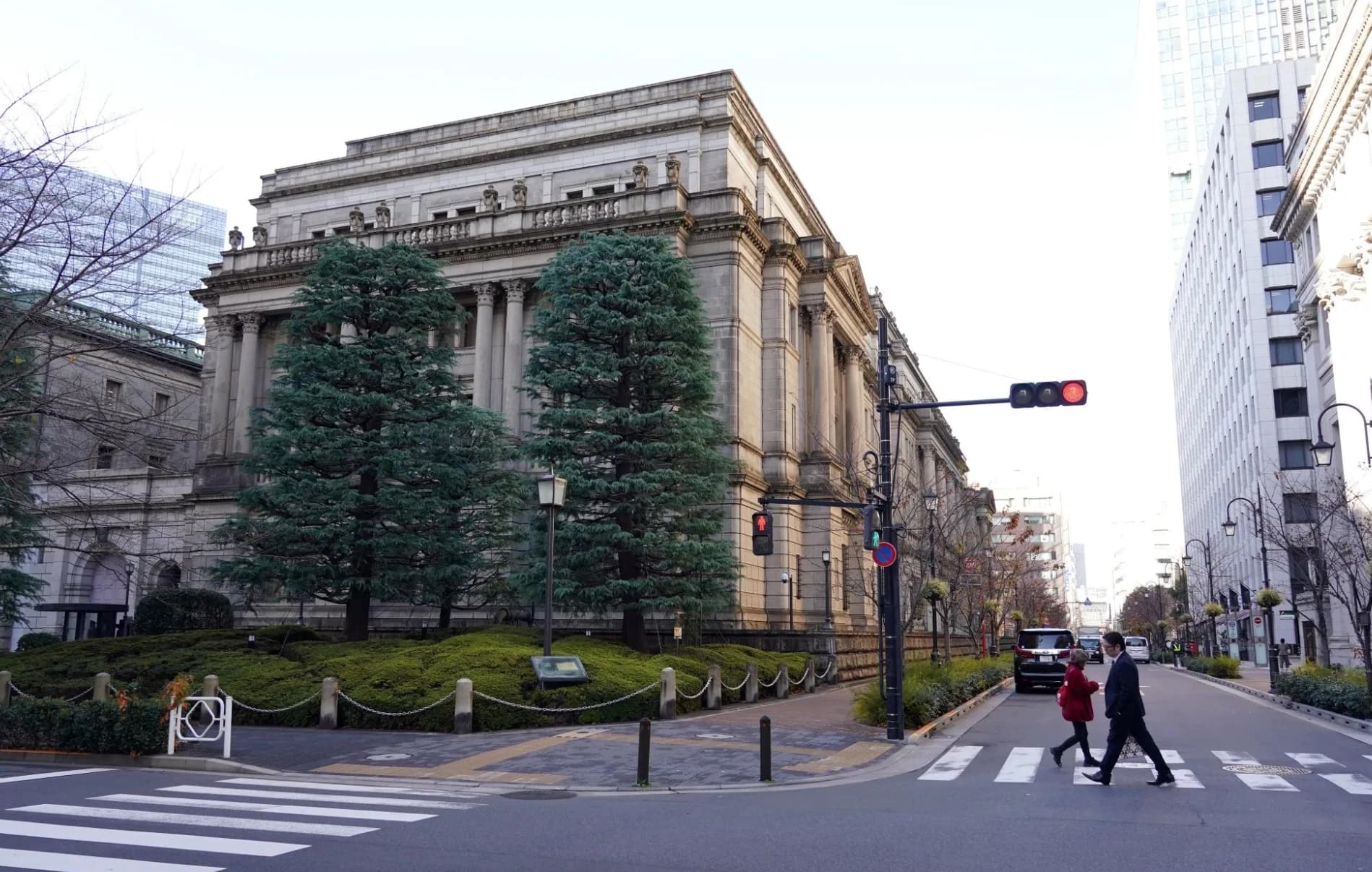
BoJ board member Takata signals rate hikes ahead on September 18. ECB projects 3.0% eurozone inflation in 2026. Global central bank divergence is accelerating.
August PPI drops at 8:30 AM ET with Fed hiking odds at 60%. Three FOMC hawks already dissented in July. Here's what the data means for September 16.
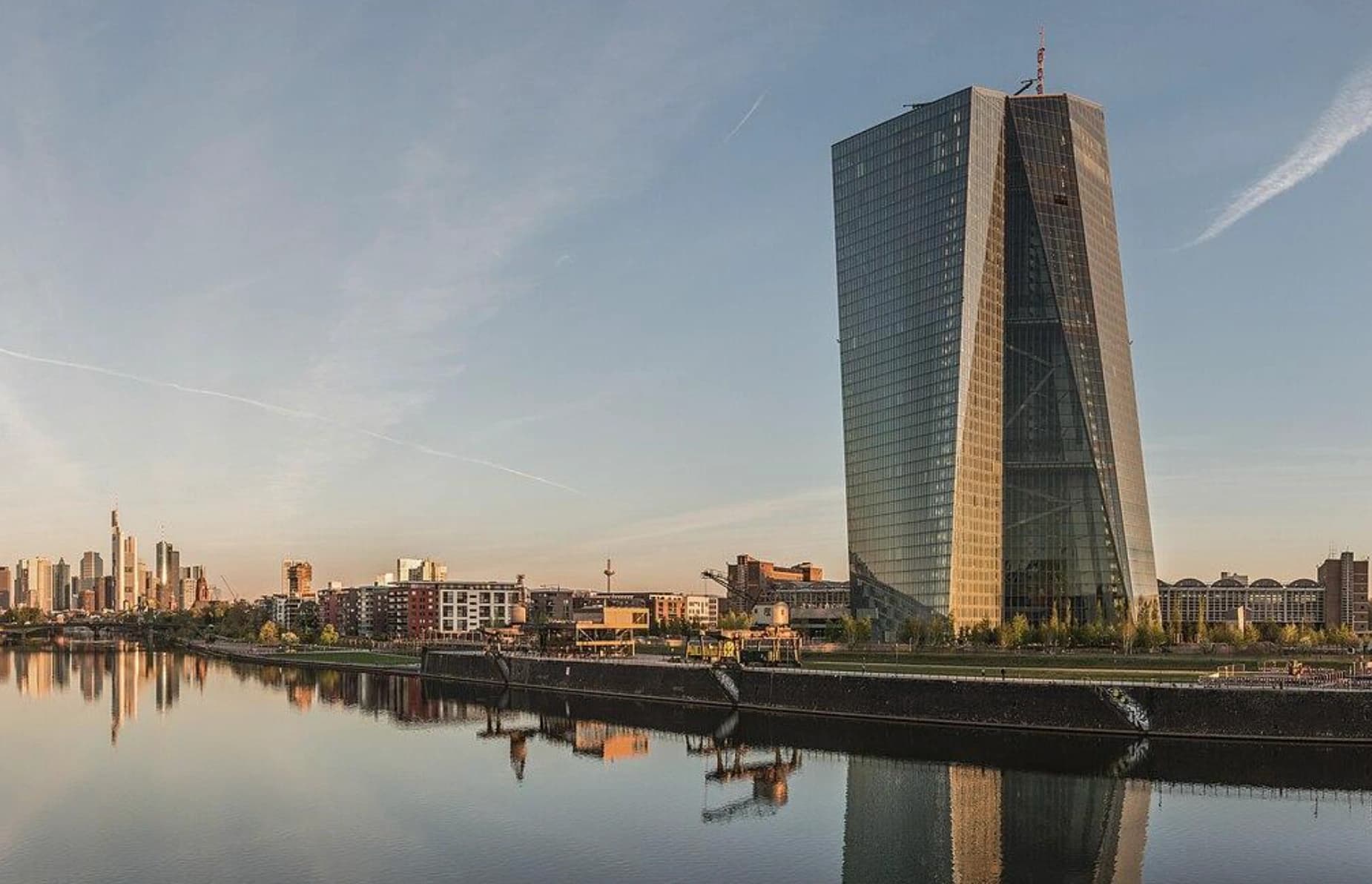
ECB deciding now on September 10 after June's 25bp hike to 2.25%. BOJ's Takata calls 2026 a regime change. Global tightening cycle pressures USD/JPY and U.S. bonds.
With three Fed dissenters and Governor Waller on record for a potential hike, Friday's August CPI is the most consequential data print of 2026.
U.S. GDP decelerated to 1.5% in Q2 2026 and the trade deficit hit $101.5B in June. Here's what the macro data says about where the economy is headed.
August CPI prints Friday at 8:30 AM ET — nowcasts show 3.38% YoY re-acceleration. Here's what it means for the Sept 15–16 FOMC decision.
ECB hiked in June, BoE's Pill wants 4.00%, and the BOJ is eyeing September. A synchronized global tightening cycle is back — and it's dollar-negative.
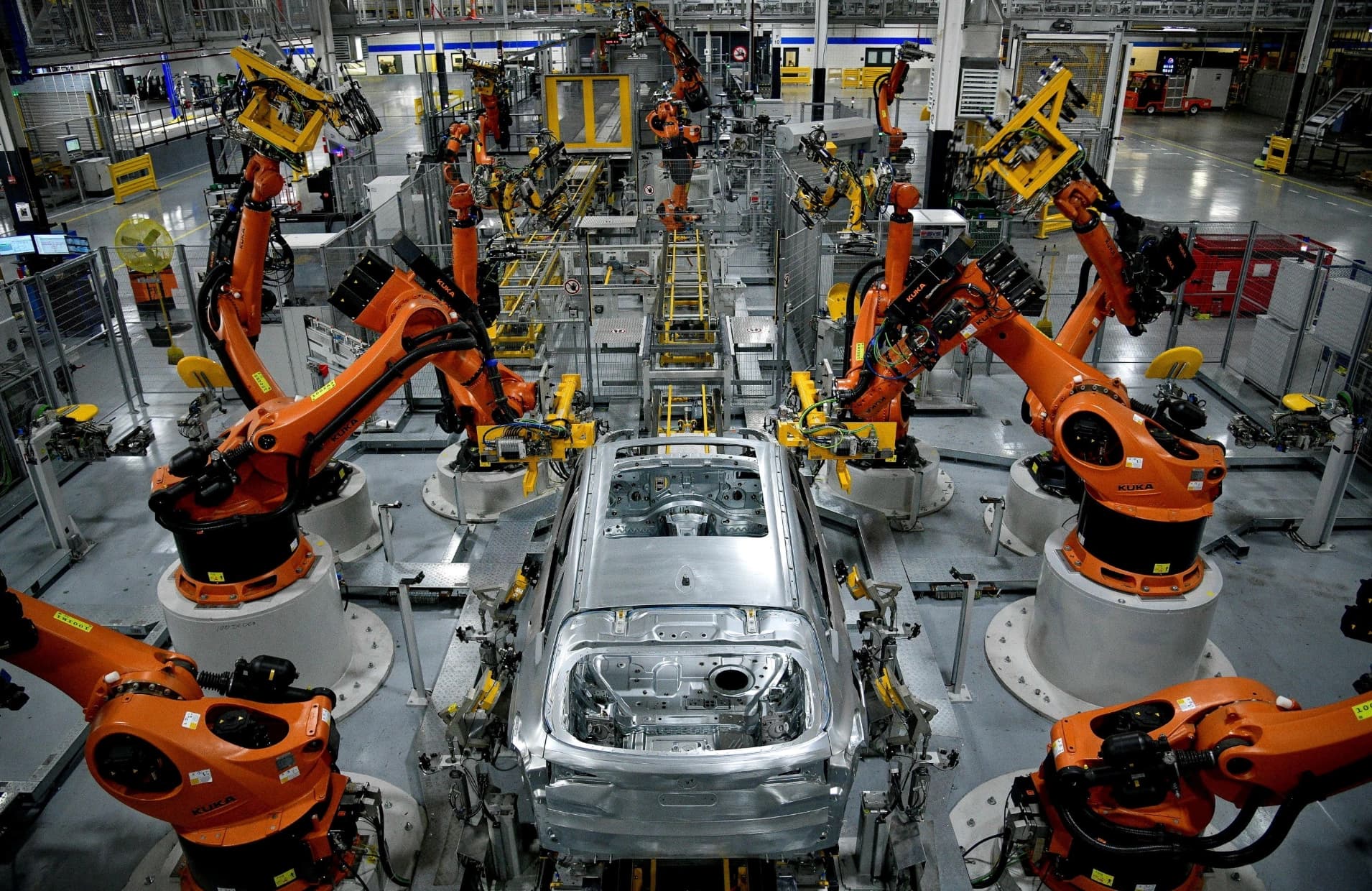
August nonfarm payrolls surged 162,000 vs. 53,000 consensus, reshaping Fed rate hike odds to 59% ahead of the September 16 FOMC decision.

August CPI nowcast tracks at 3.38% YoY — above that level, a Fed rate hike to 4.00% on September 16 becomes near-certain. Here's the full inflation setup.
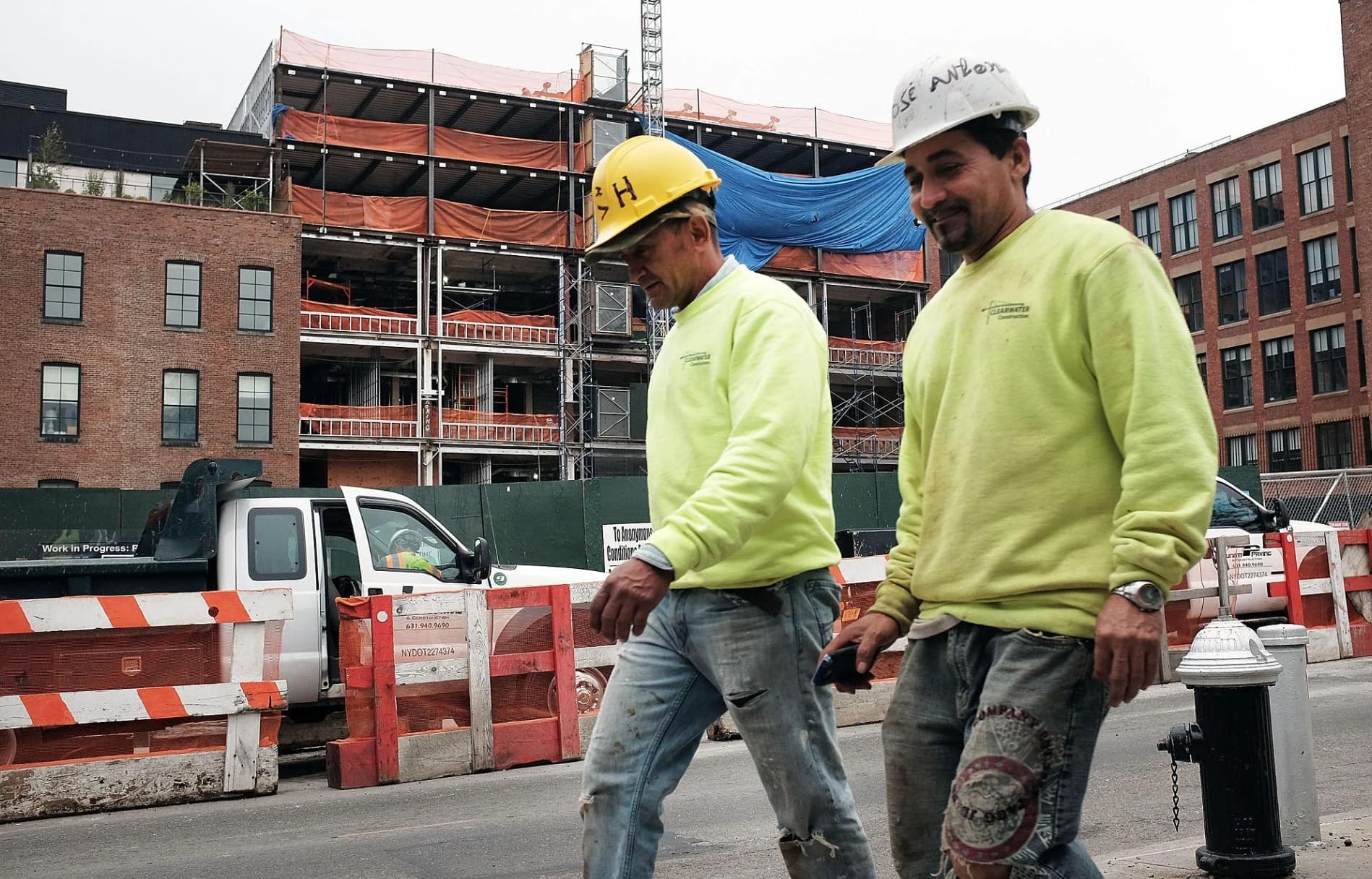
August nonfarm payrolls crashed to +22,000 — far below the +75,000 consensus. Here's what the jobs data means for the Sept. 16 FOMC decision.

ECB meets September 10 and BoJ decides September 18 — two live central bank events that could reshape rates, euro, and yen in a single week. What traders need now.
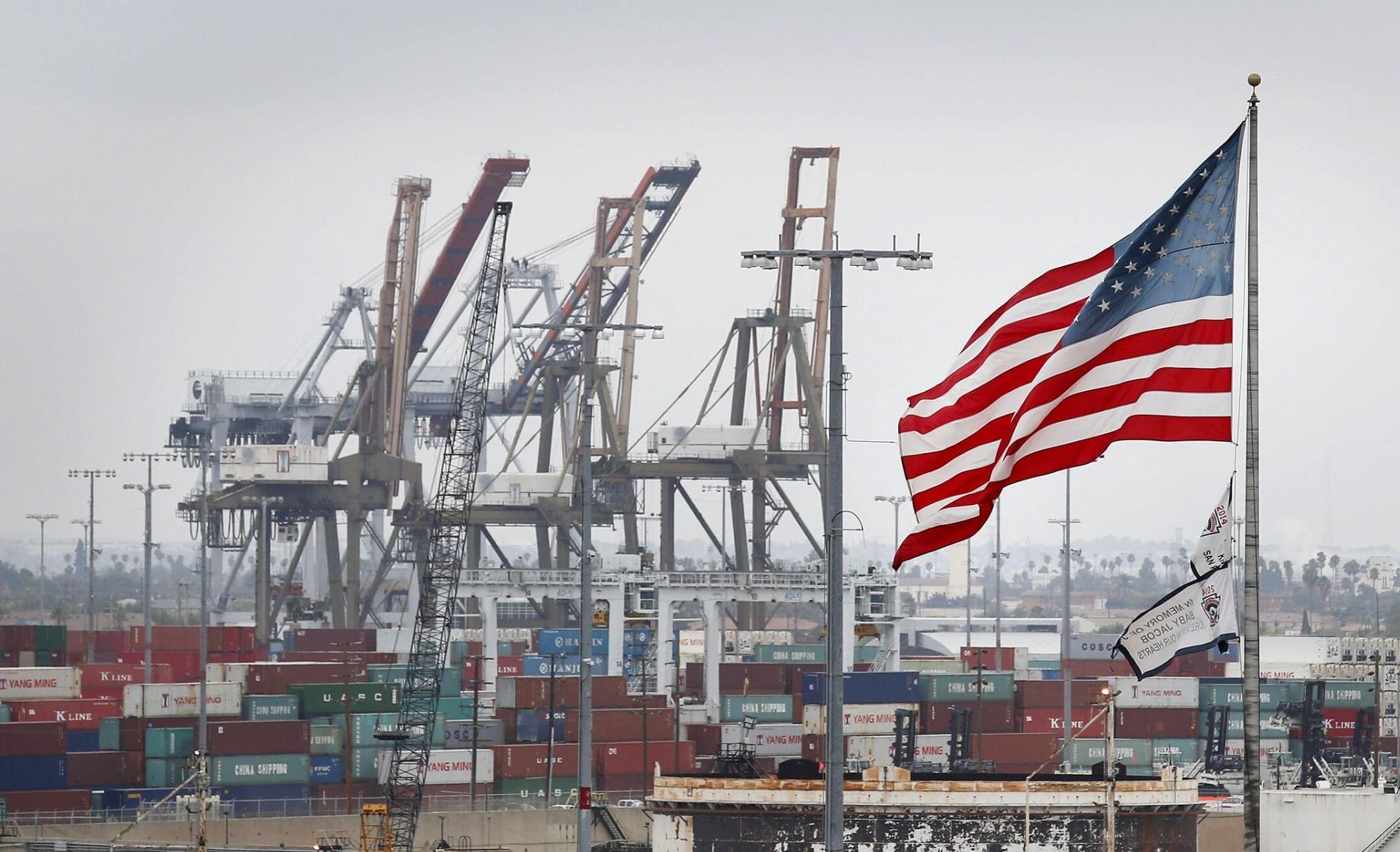
The July US trade deficit is expected to widen sharply to -$90B from -$73.3B in June. Here's what the number means for stagflation risk and Fed policy.
Cleveland Fed's Beth Hammack speaks at 3 PM ET today, the first Fed voice before the September 15-16 FOMC. A hike signal could immediately move 2-year yields.
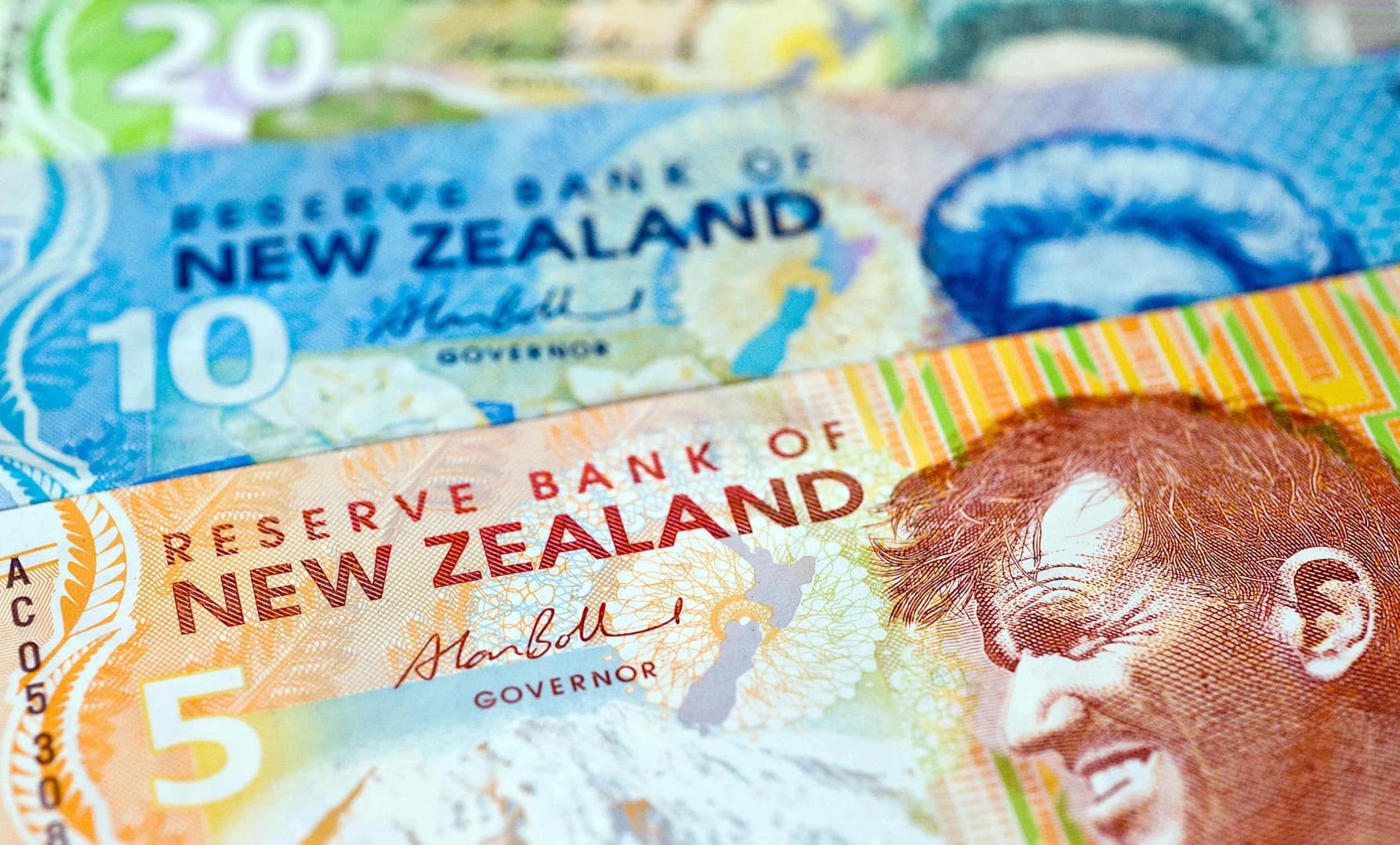
RBNZ raises OCR 25bp to 2.75% by consensus, ending July's 3-3 split. One more hike expected in December. What it means for NZD and global rate outlook.
August payrolls hit Friday at 8:30 AM ET. With PCE stuck at 3.7% and markets pricing a Sept. hike, one weak jobs number reshuffles everything.
August ISM Manufacturing PMI hits at 10:00 AM ET. Nine straight months above 50 are on the line — and the September 16 FOMC hike odds depend on it.
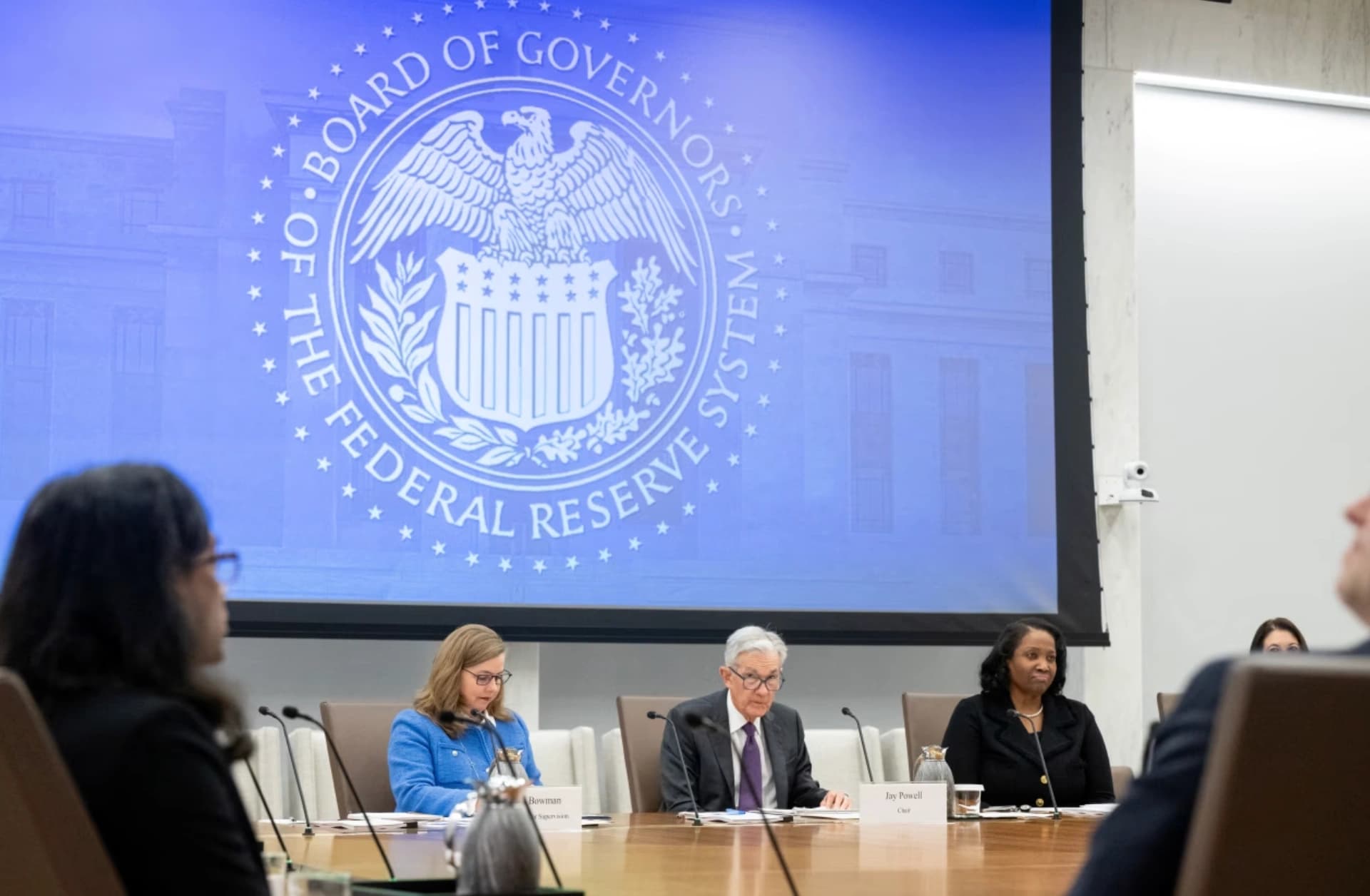
Three FOMC members voted for a hike at the July 29 meeting — the most hawkish internal split this cycle. Here's what it means for September 16.
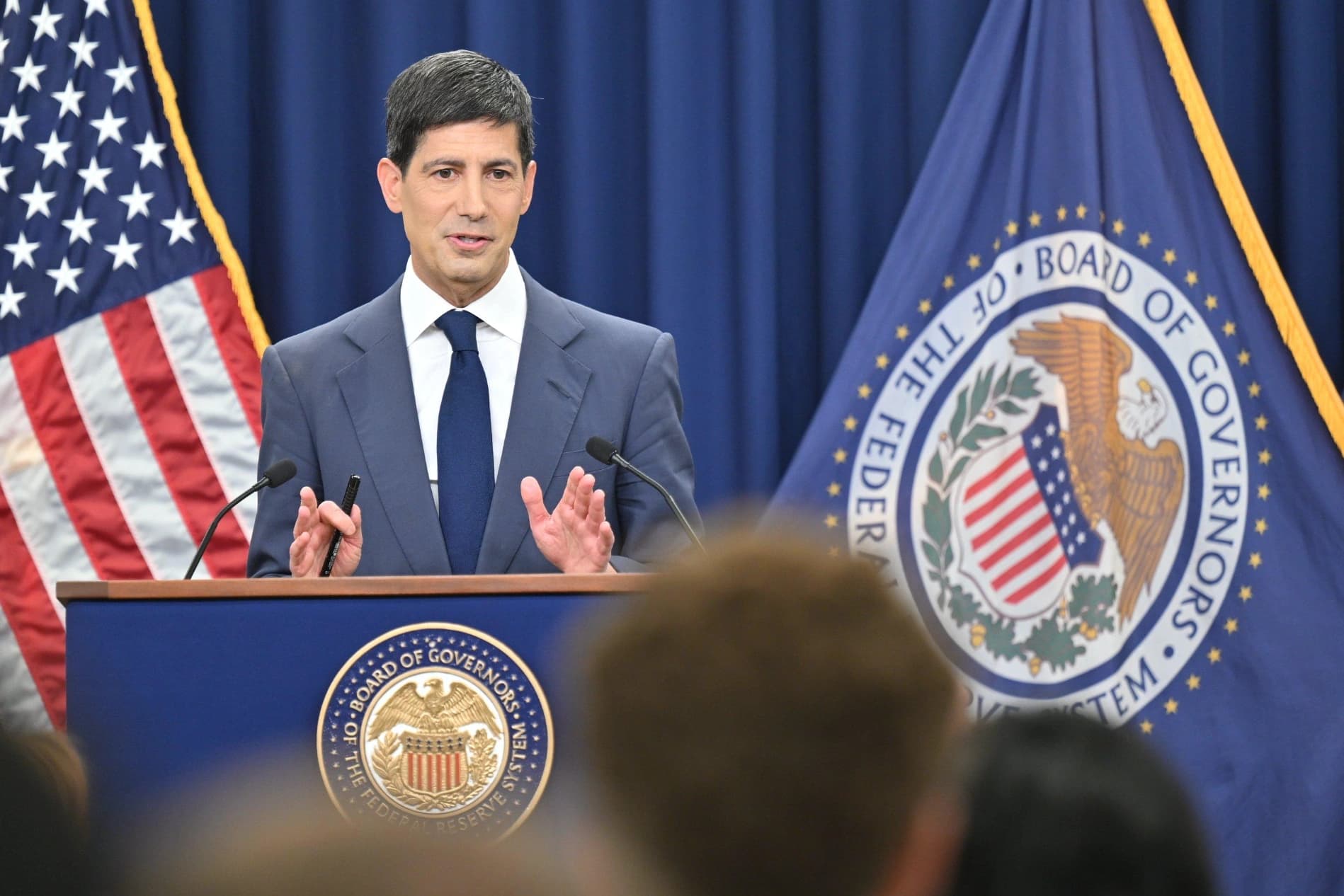
Fed Chair Kevin Warsh delivers his first Jackson Hole keynote with core PCE at 3.3%, three FOMC dissents for a hike, and September odds at one-in-three.
The 10-year Treasury at 4.66% and 2-year at 4.19% signal a 47-basis-point positive spread — and what it means for traders heading into September's FOMC.
July core PCE tracks near 3.2% YoY — exactly where the Fed needs it to justify a hold at the September 16 FOMC meeting.
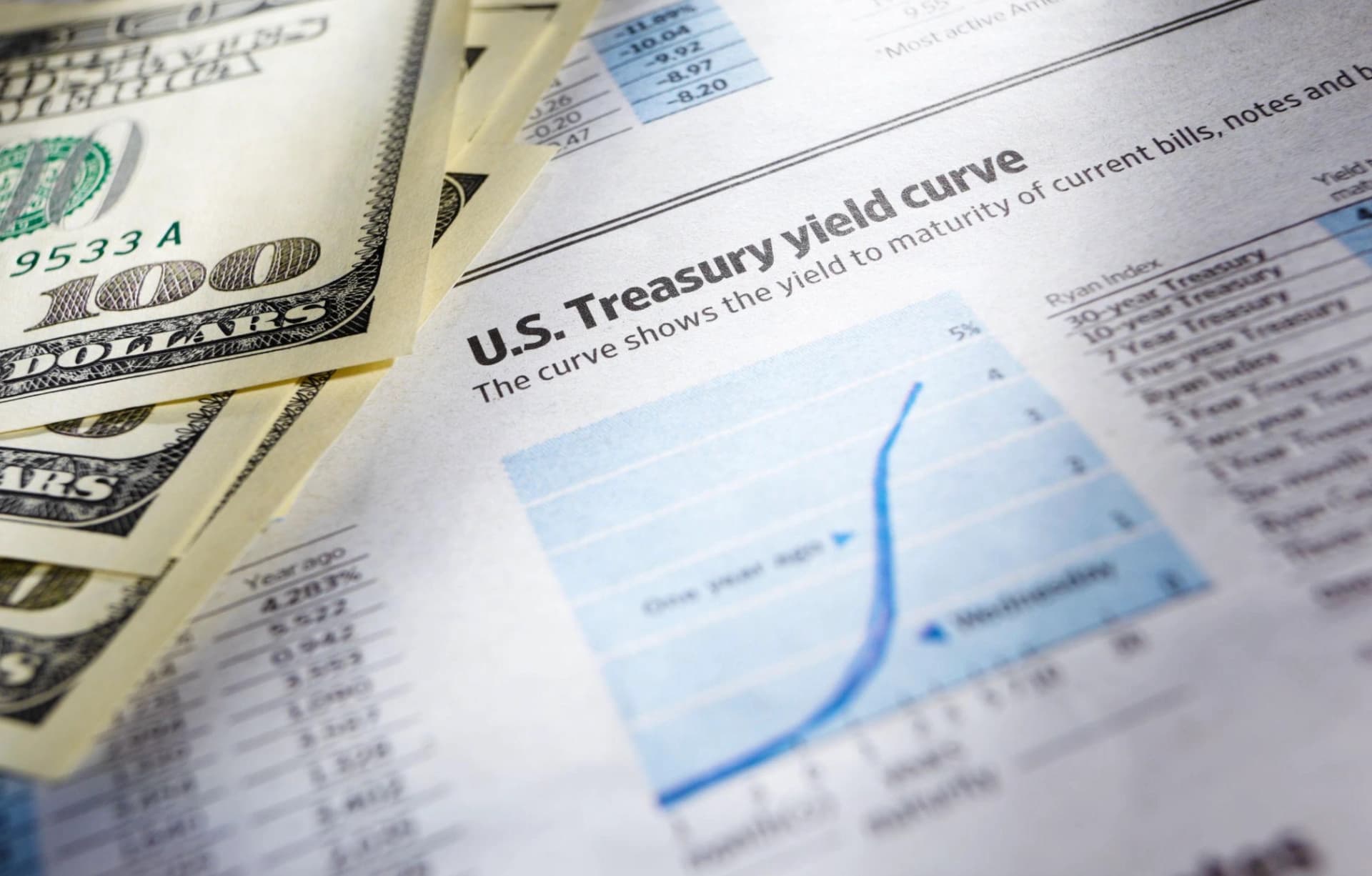
The 10-year Treasury at 4.64% vs. the 2-year at 4.17% produces a 47bp positive spread — a macro signal traders can't afford to ignore heading into September.
July PCE and Q2 GDP second estimate drop at 8:30 AM ET today. Core PCE at 3.3% and GDP at 1.5% spell stagflation trouble for rate markets.
Fed Chair Warsh speaks Friday at Jackson Hole as three FOMC dissenters push for hikes. September 16 decision is live. Here's what to watch.
Fed Chair Kevin Warsh speaks Friday at Jackson Hole — his first keynote. With three hawkish dissenters and a 30-year yield near a 19-year high, any deviation from neutral moves markets.
The 2s10s spread sits at +50 bps, but with core PCE tracking 3.2% and three Fed hawks pushing for hikes, the curve's return to positive slope carries a warning.
Fed Chair Warsh delivers his first Jackson Hole keynote Friday with three FOMC dissenters on record and core CPI stuck at 2.5%. What traders must watch.
The 10-year Treasury at 4.69% and a 50bp positive spread over the 2-year signal markets are pricing persistent inflation — not a Fed pivot. Here's the trade.
FOMC July minutes reveal officials open to rate hikes if inflation stays elevated. September 16 meeting is now live. Here's what traders must watch.
Existing home sales bounce to 4.0M units in July but the trend is flat. The Fed's housing warning in July minutes signals the sector's real danger ahead.
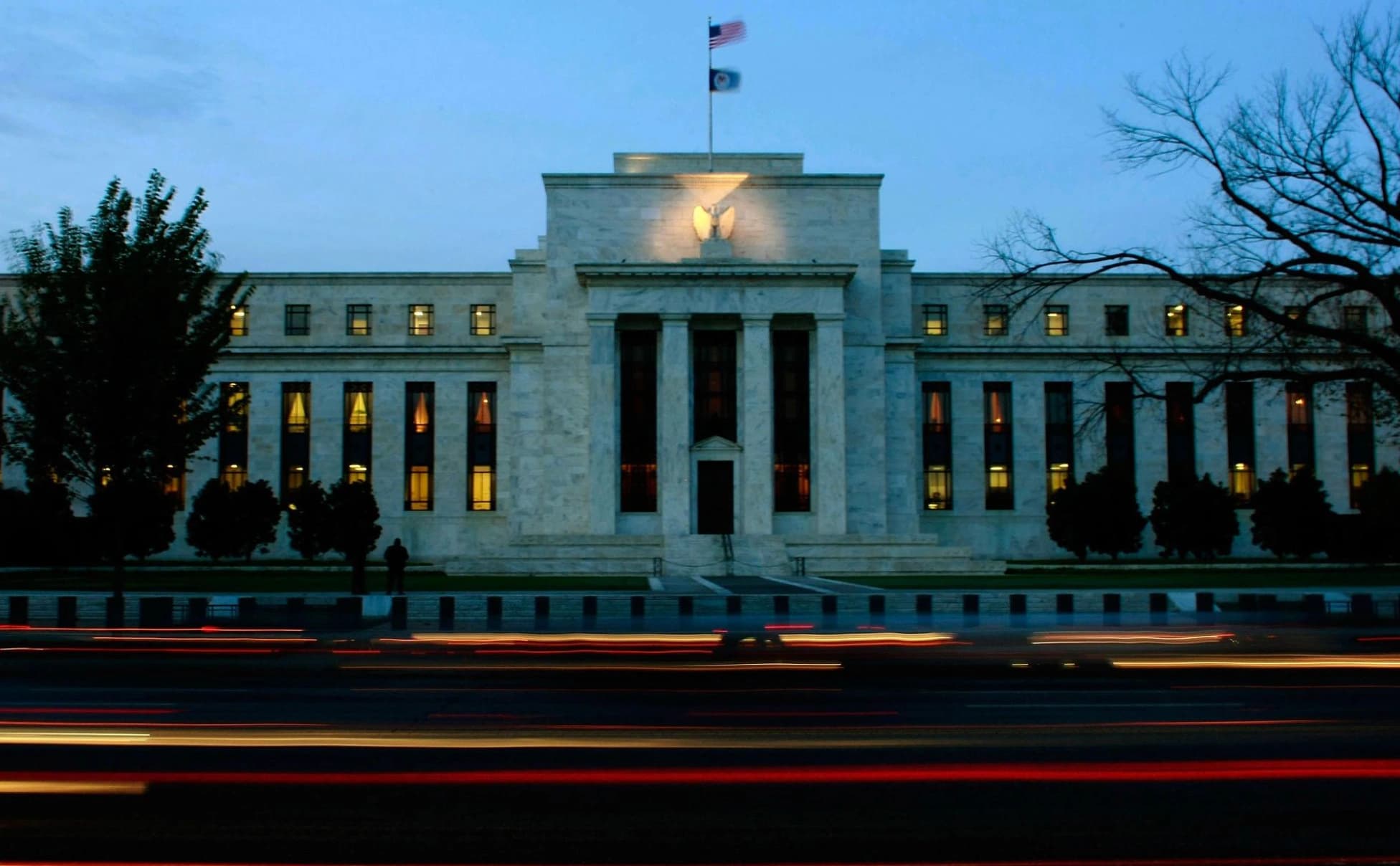
Yesterday's FOMC minutes revealed three dissenters favoring rate hikes — the most aggressive internal split since 2022. Here's what traders must price in now.
Brent crude at $92.51 and WTI at $84.05 are embedding inflation the Fed cannot hike away. Here's how energy is reshaping the macro trade in August 2026.
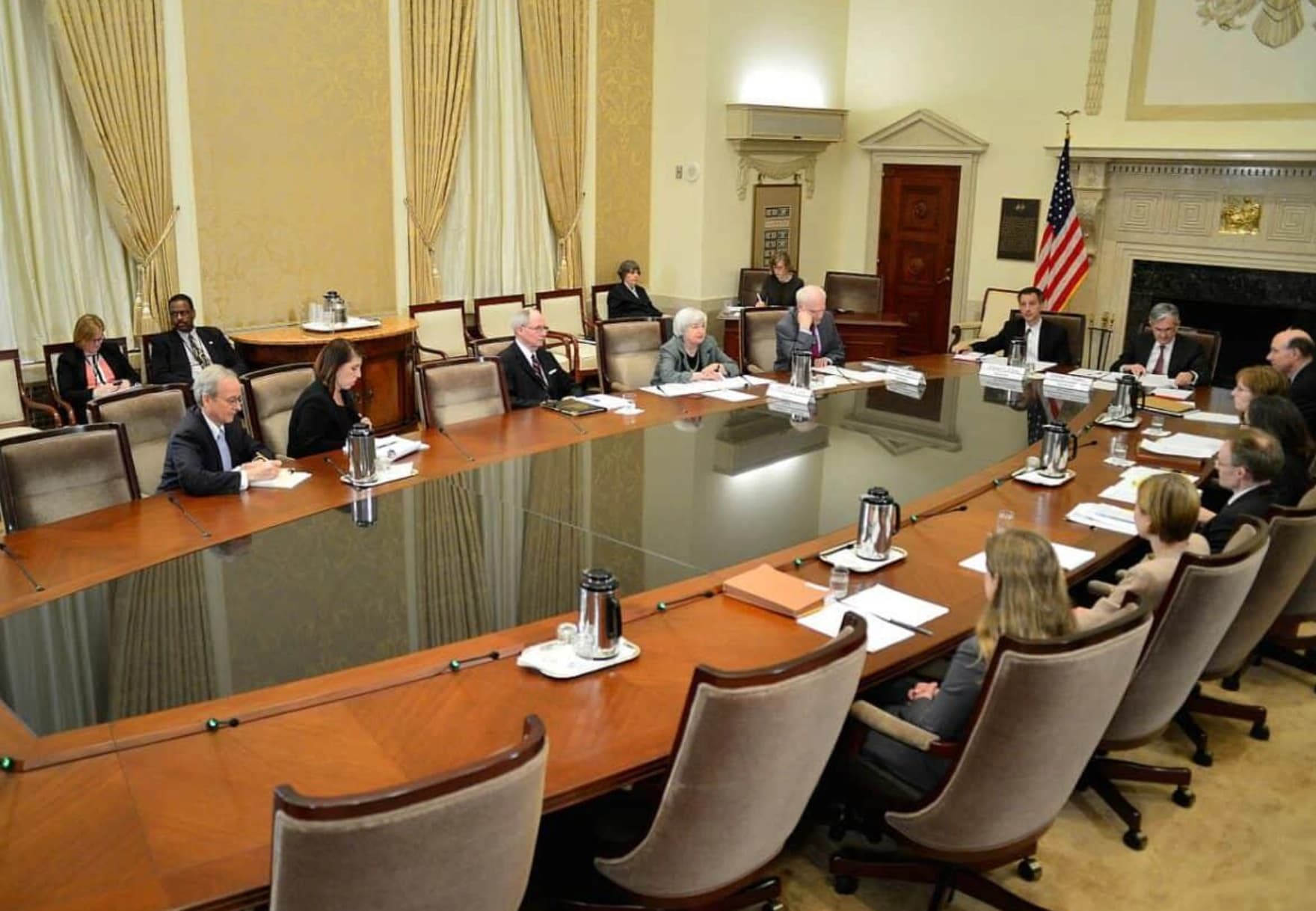
Three Fed officials voted to hike at the July 29 meeting. Tomorrow's FOMC Minutes reveal how close the committee came to raising rates above 3.75%.
The 2s10s Treasury spread hit 53 basis points as the 10-year yield closes at 4.72%. What the steepening curve signals for rate policy and risk assets.
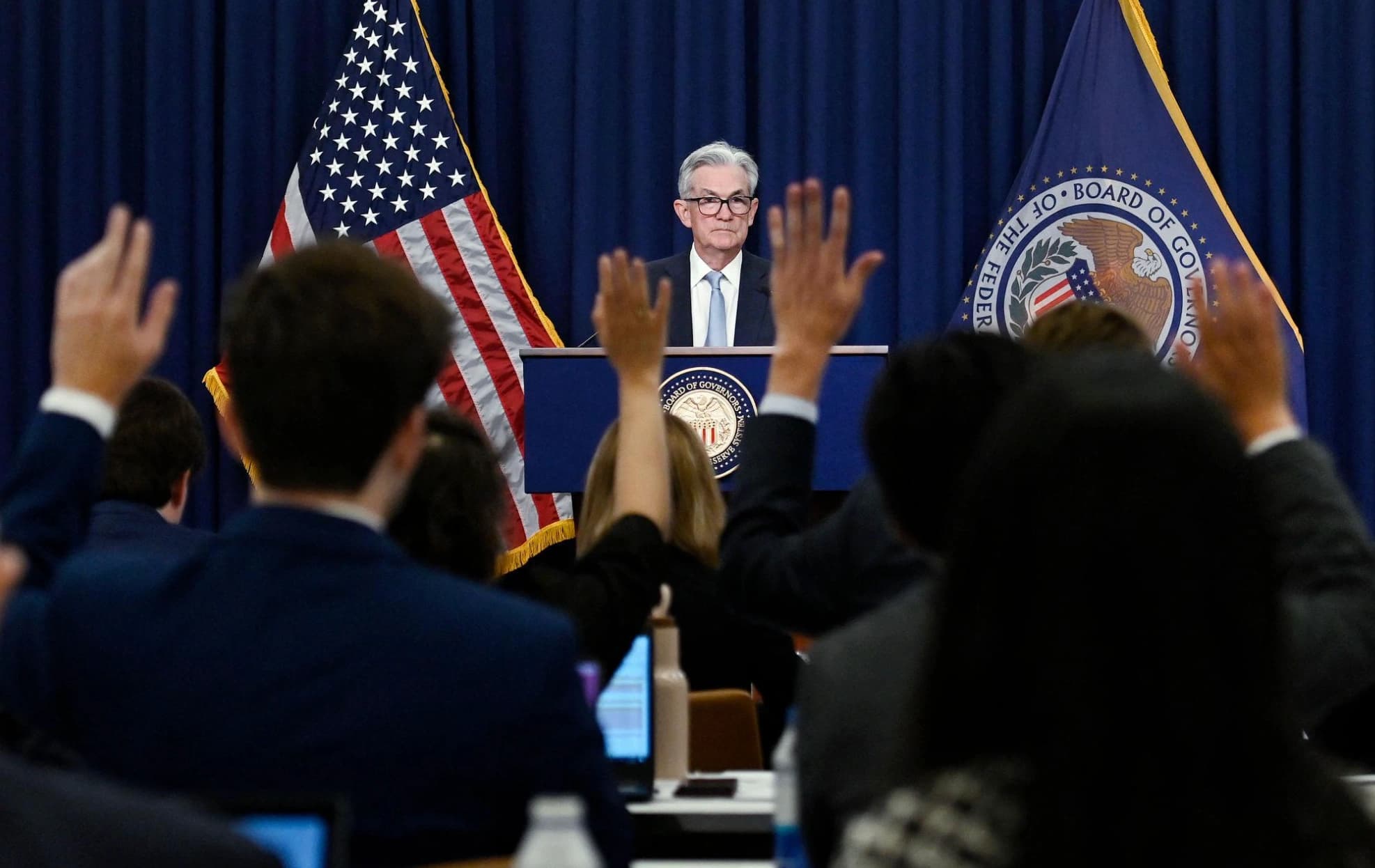
Three FOMC dissenters demanded a July rate hike. Wednesday's minutes at 2 PM ET will reveal how deep the hawkish coalition runs before September 16.
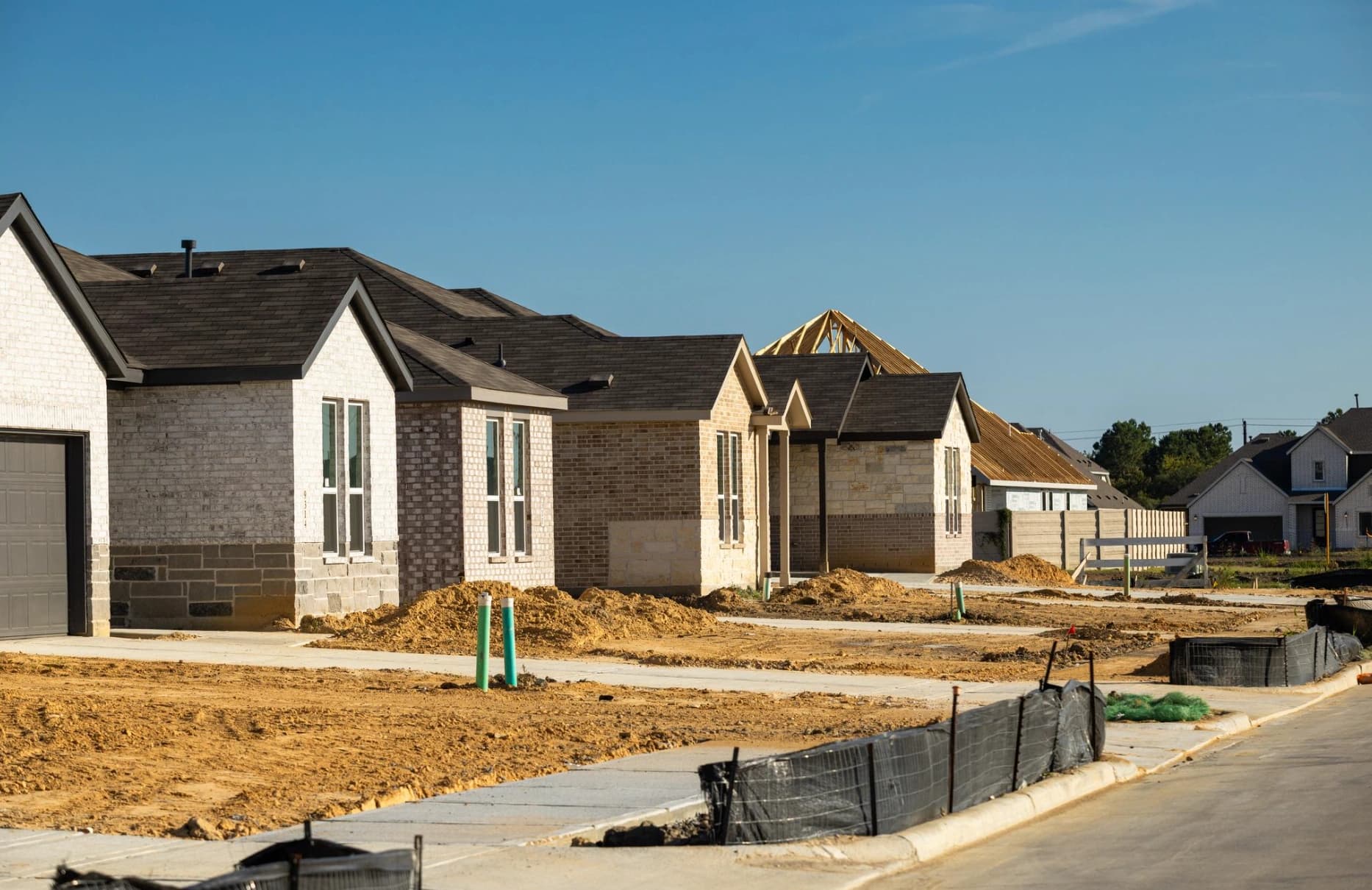
July housing starts expected to fall from 1.427M as the 10-year yield holds at 4.68% and NAHB sentiment drops for a second straight month.
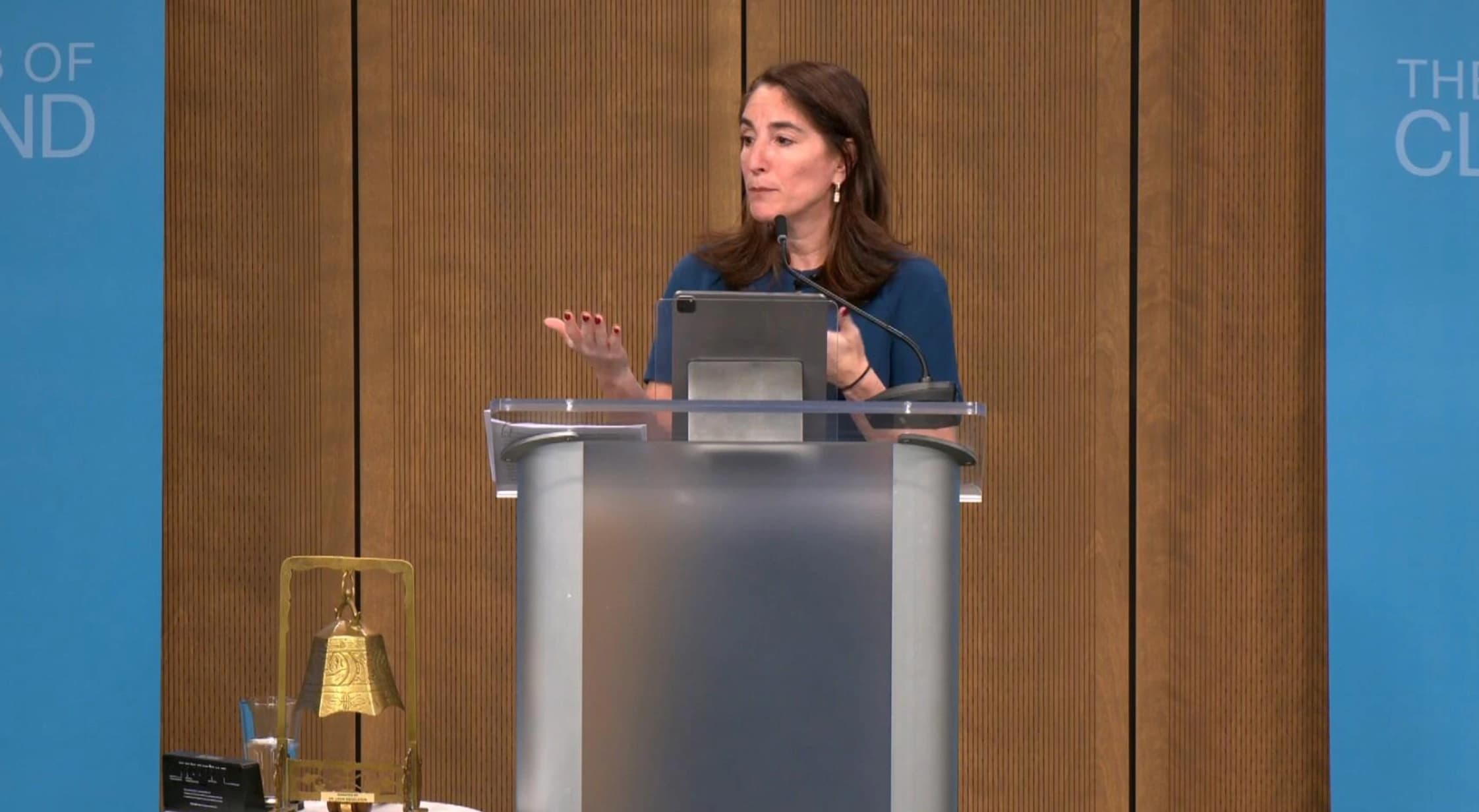
Three FOMC members voted to hike at July 29 meeting. With CPI at 3.3% and mid-week minutes dropping, rate hike risk is back on the table.
ECB hiking, BoJ at 31-year highs, Fed paralyzed by dissent. The synchronized central bank era is over — here's what that means for your trades.
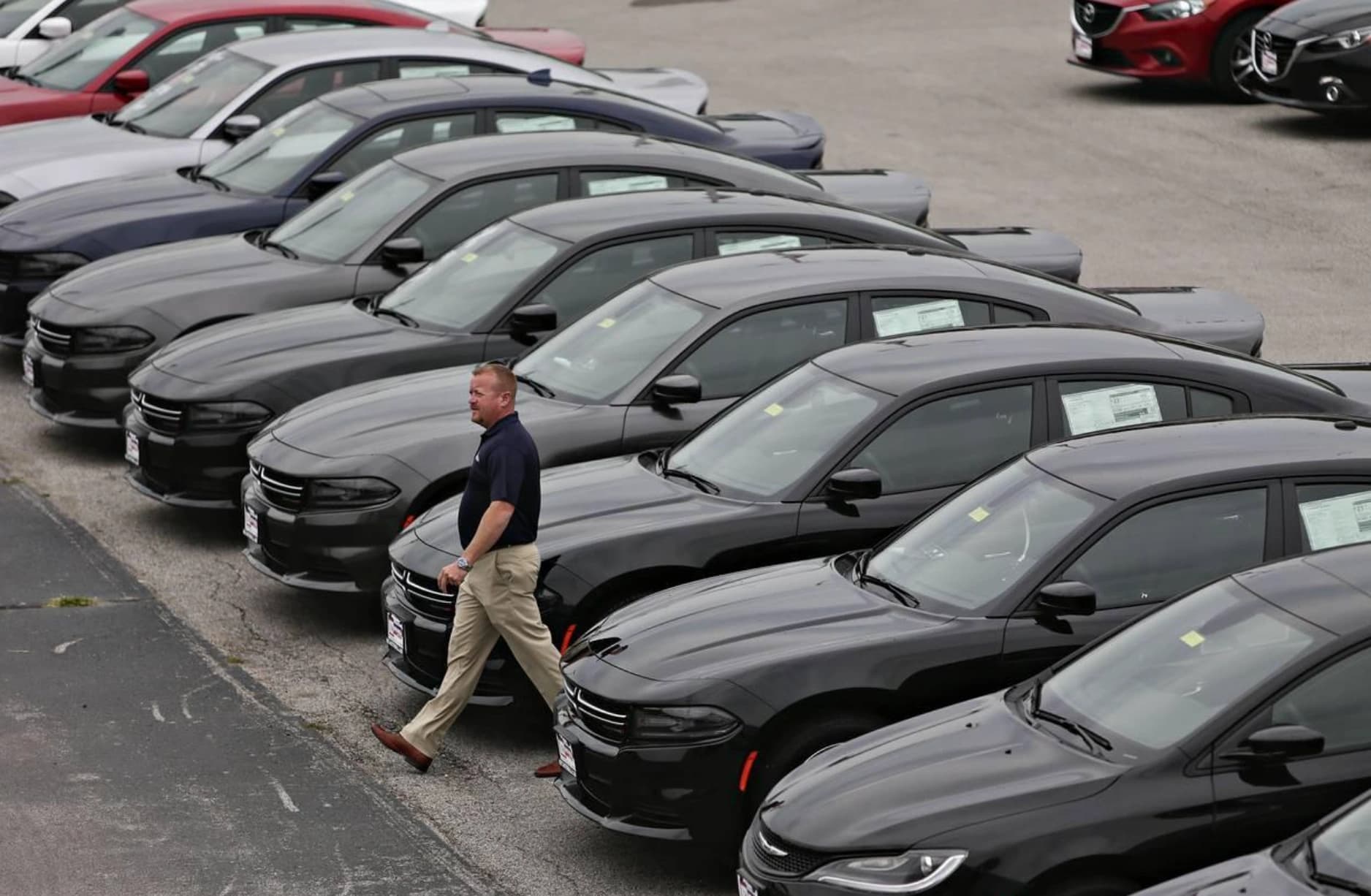
July retail sales beat flat forecasts as NRF data showed core sales up 0.32% MoM — but the control group reading is what the Fed's hawks are watching.
Three FOMC members voted to hike at July 29 meeting — the first 3-way hawkish dissent since 2016. August 19 minutes and Jackson Hole will define September 16.
July PPI releases at 8:30 AM ET today. After a -0.3% June drop and a 5.5% YoY run, this number moves the September rate decision needle.
The 10-year Treasury at 4.70% and the 2-year at 4.22% show a 48-basis-point spread. History says this matters — here's what traders need to act on.
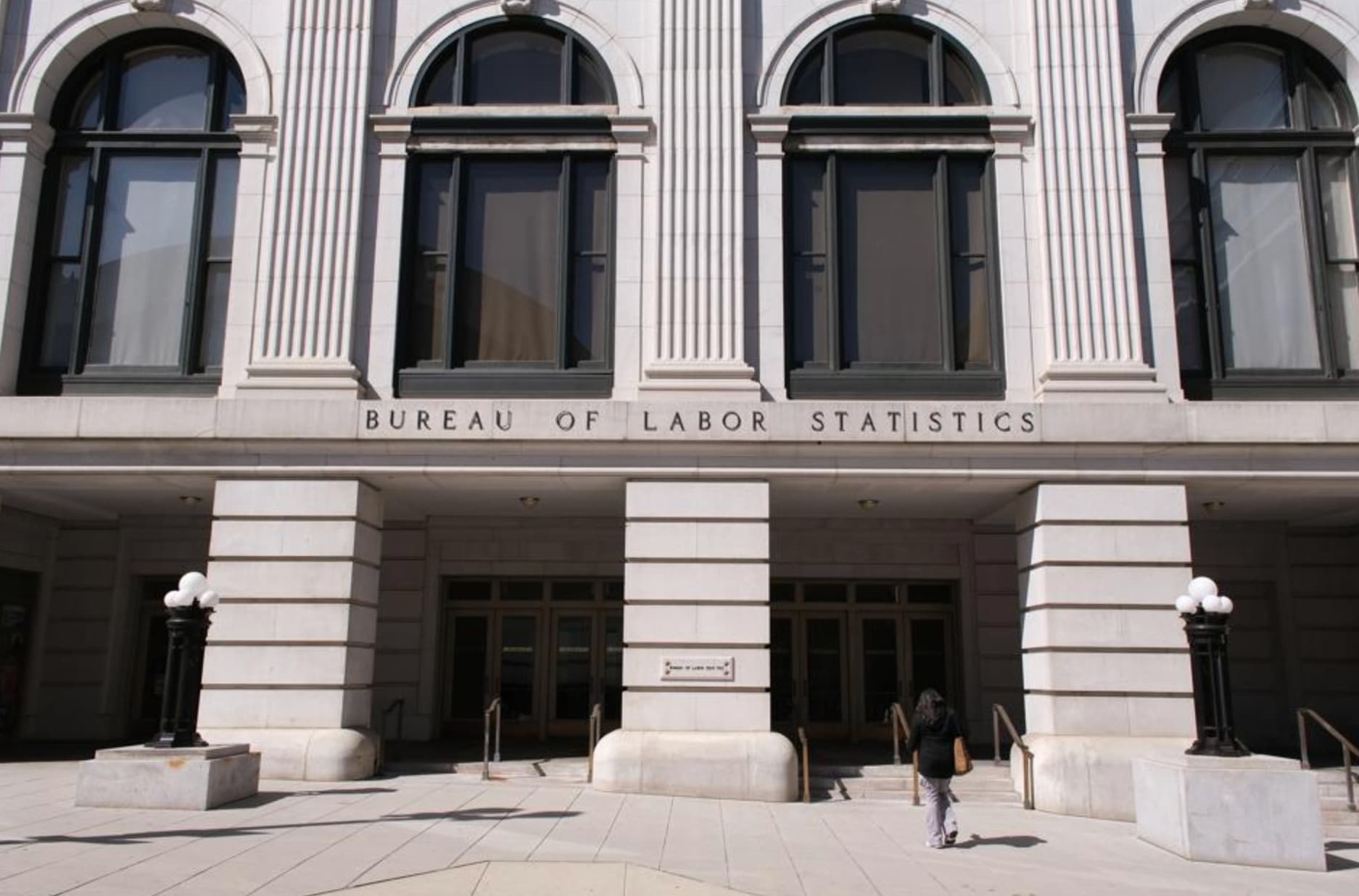
July CPI hits the tape at 8:30 AM ET. Consensus is 3.4% headline, 2.5% core. One number reprices September rate hike odds in real time.
The 10-year Treasury yields 4.72% versus 4.25% on the 2-year — a 47-bp positive spread that's repricing growth and inflation risk simultaneously.
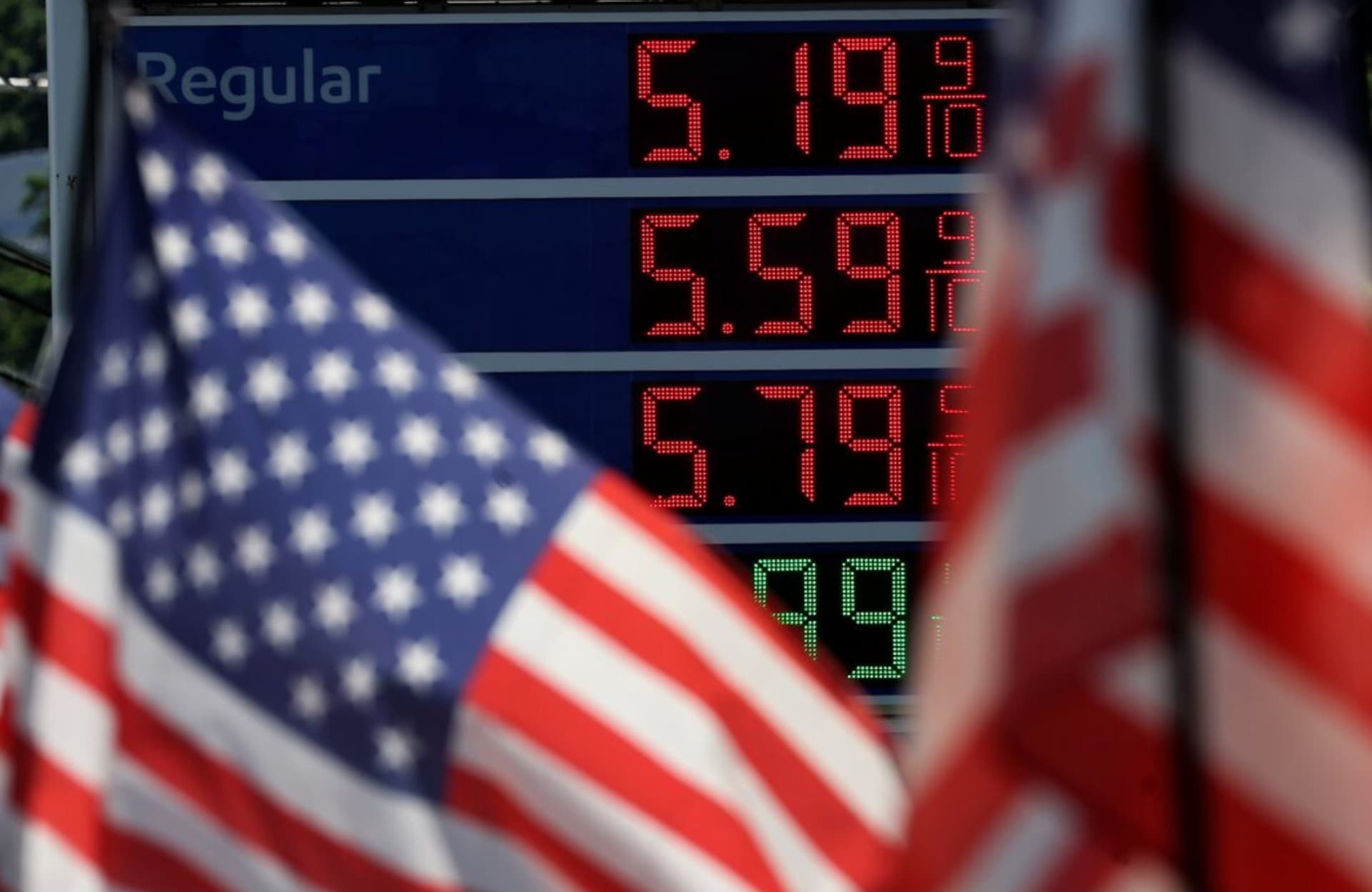
July CPI prints Wednesday 8:30 AM ET. With three FOMC dissenters already pushing for a hike and inflation at 3.5%, this number moves markets.
The 2s10s spread hits +46 bps as the ECB hikes, BOJ tightens to 0.75%, and the BOE eases. Here's what the divergence means for U.S. rate traders.
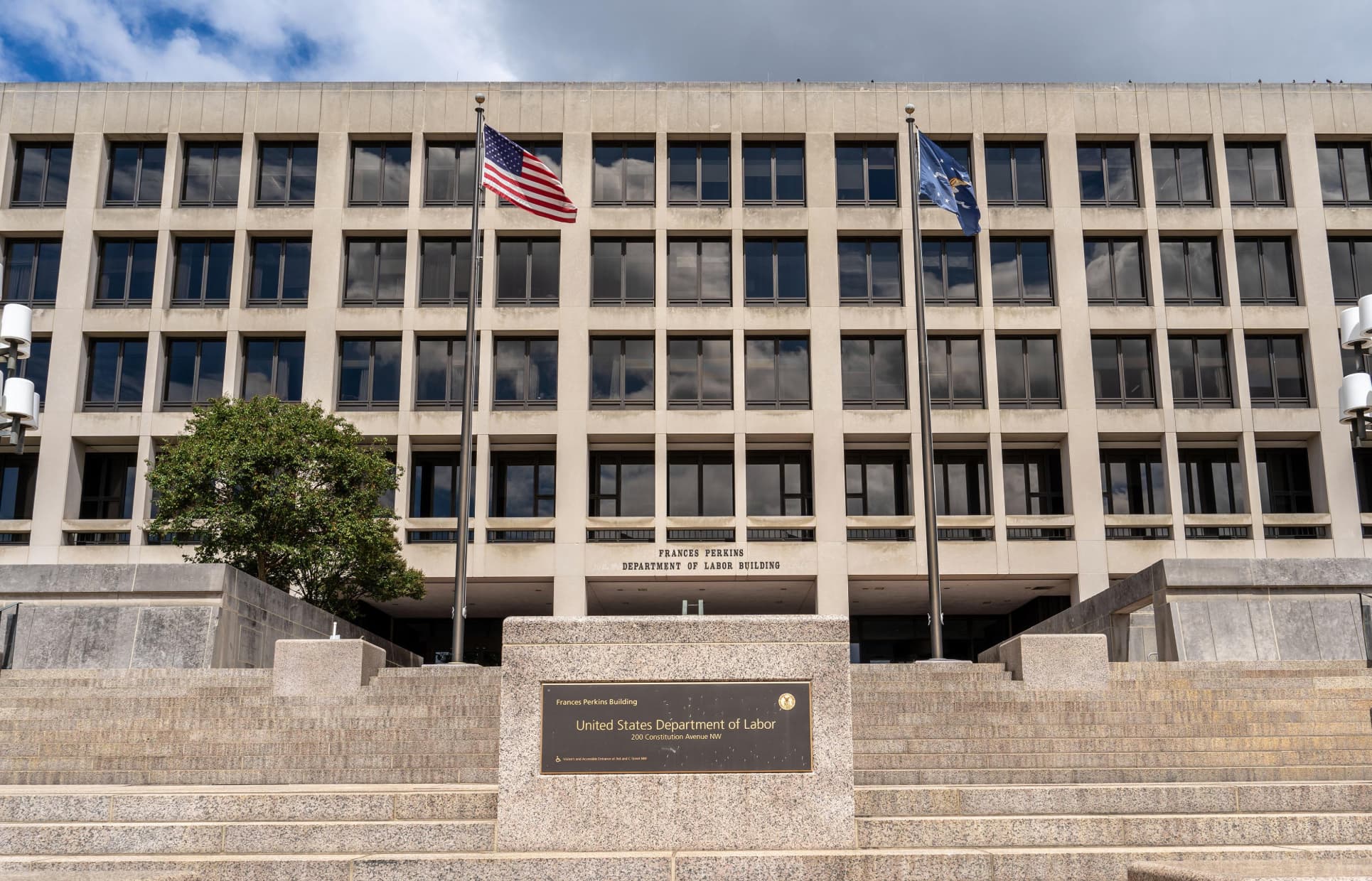
Three Fed hawks wanted a July hike. Wednesday's July CPI at 8:30 a.m. ET is the single data point that decides whether they get their way in September.
The 10-year Treasury at 4.69% vs. the 2-year at 4.25% marks a 44bp positive spread — a steepening that signals higher-for-longer risk, not rate cuts.
July nonfarm payrolls hit at 8:30 AM ET with an 83K consensus. A miss could kill September hike odds; a beat validates the Fed's three dissenters.
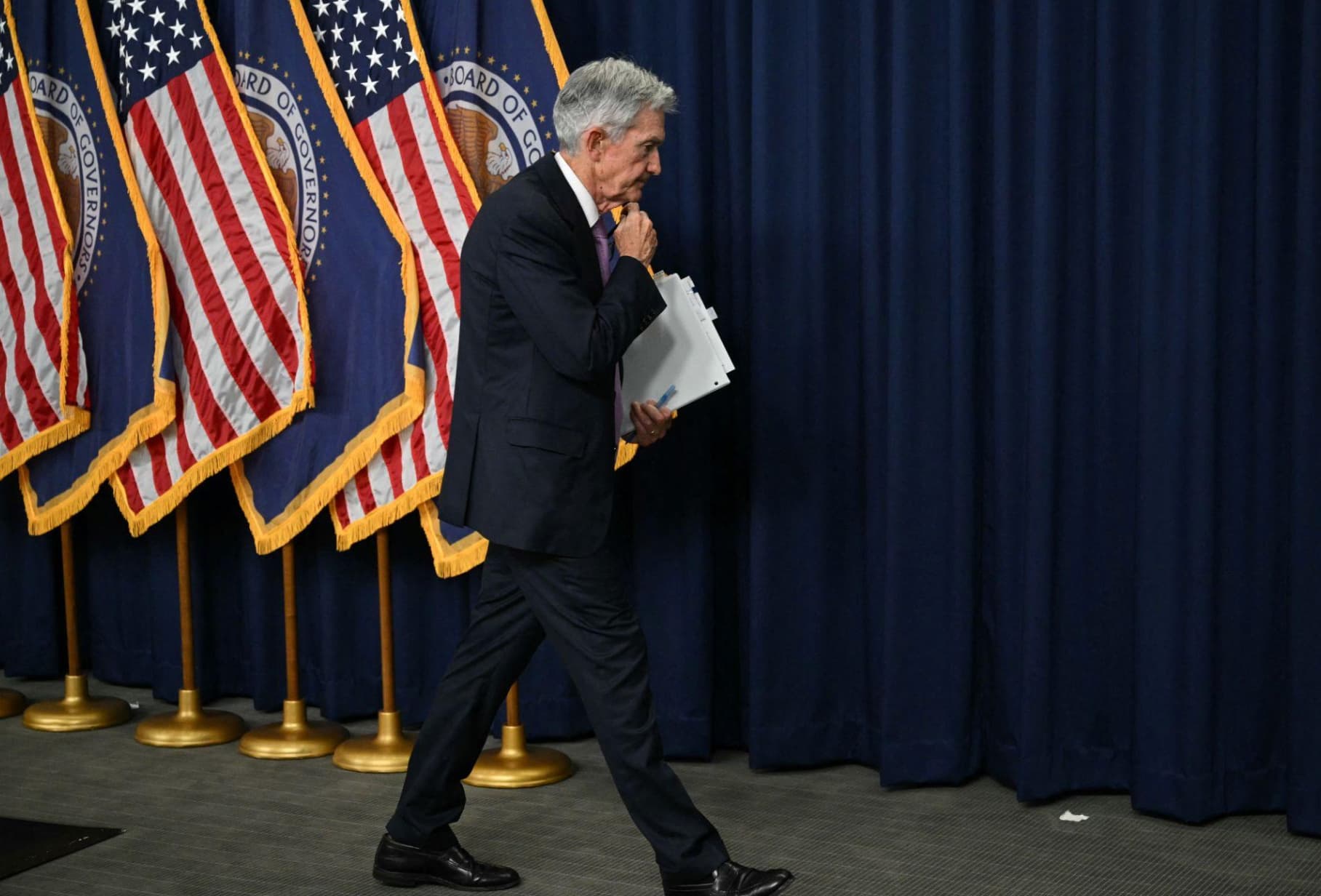
Three FOMC dissenters wanted a hike on July 29. With 10-year yields at 4.63% and CPI at 3.5%, the September meeting is now a live event.
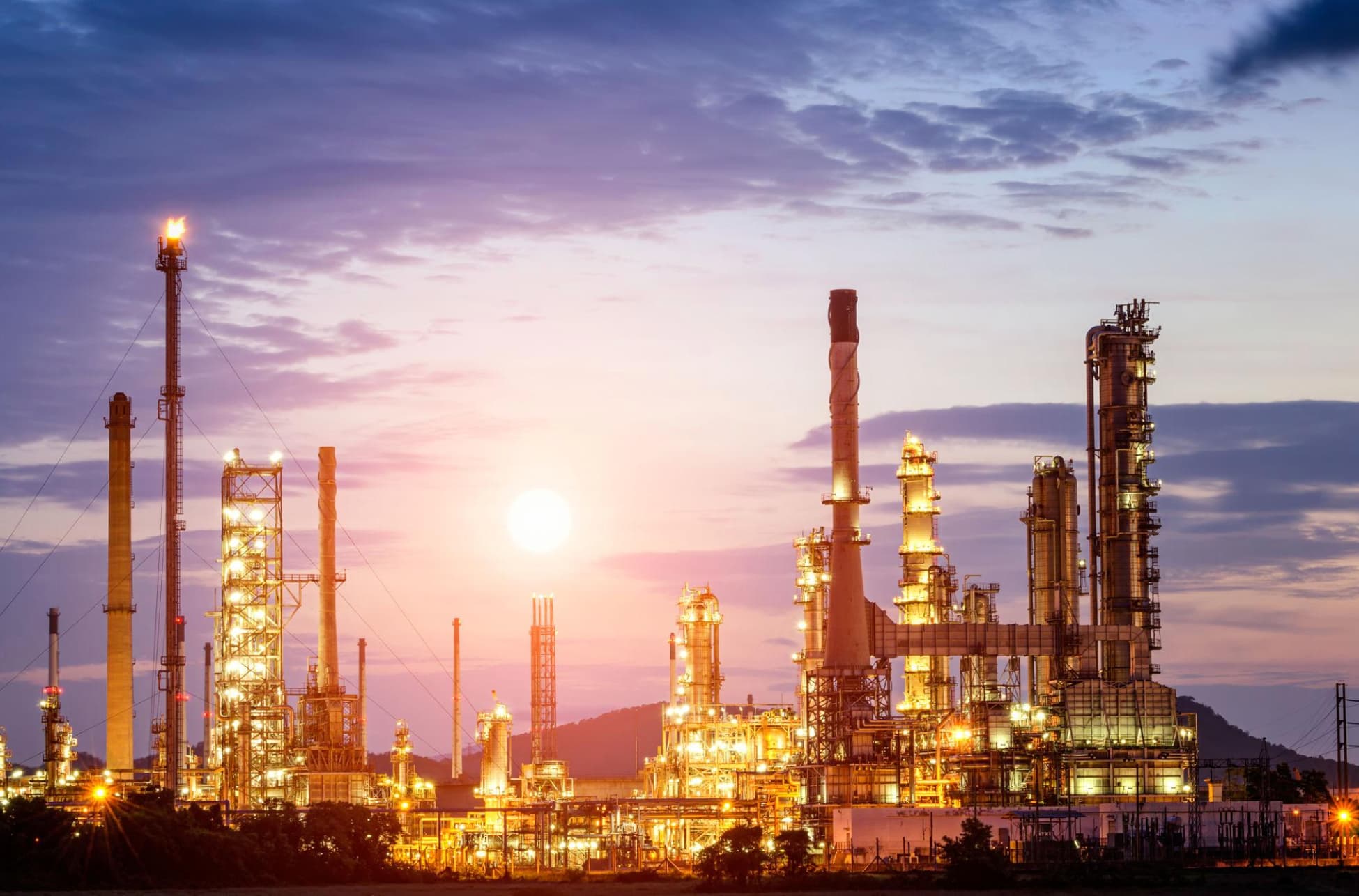
Brent crude at $91.63 and WTI at $84.51 are the Fed's inflation problem in commodity form. Here's what the energy bid means for September policy.
Q2 2026 GDP grew just 1.5% annualized, decelerating sharply from Q1's 2.1% — and three FOMC dissenters wanted a hike anyway. Here's what it means.
The Bank of Japan raised rates 25 bps to 1.00% on July 31 — highest since 1995 — as yen intervention and global yield spillovers hit multi-asset traders now.
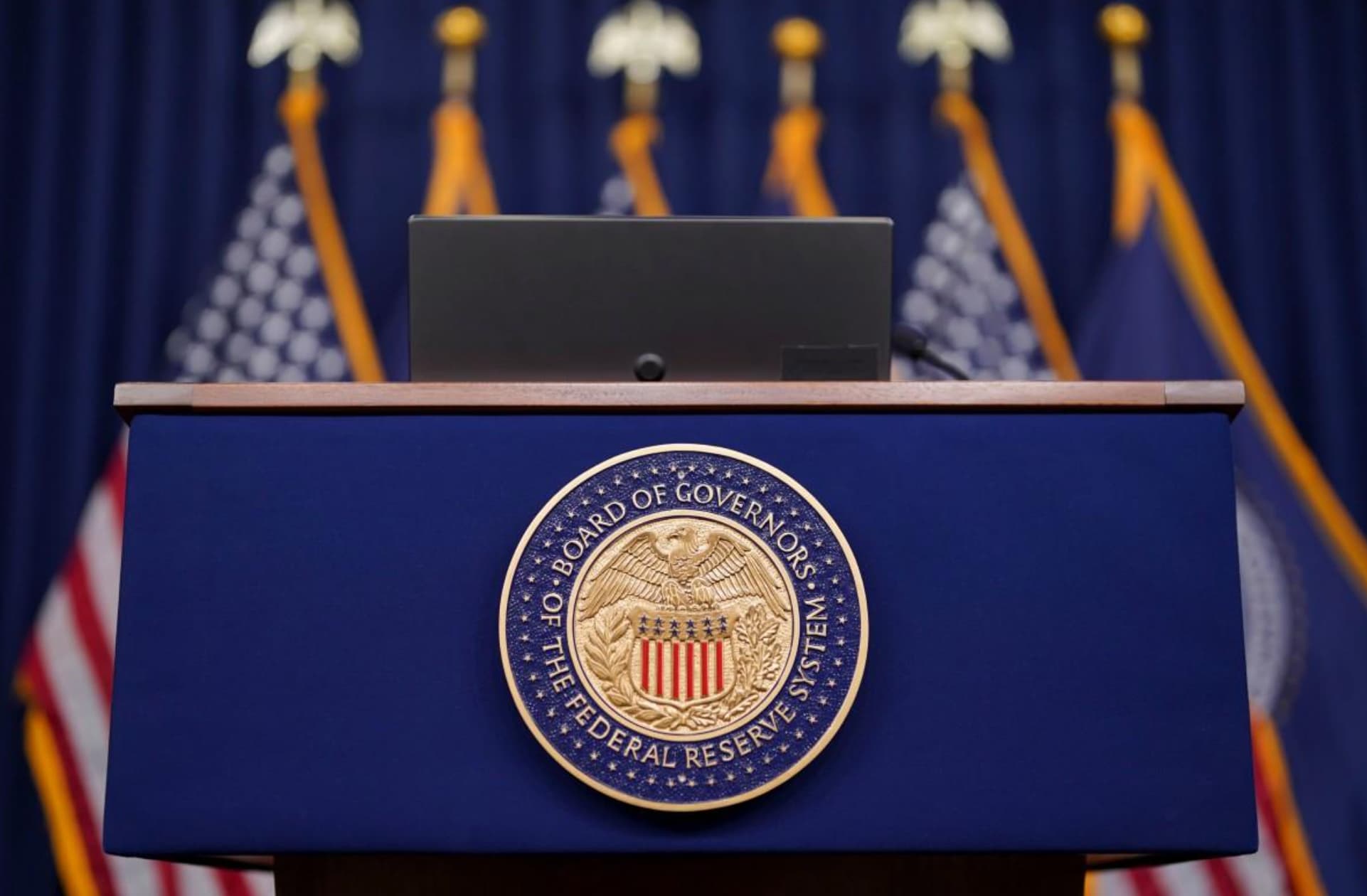
Three FOMC dissenters pushed for a hike at the July 29 meeting. With CPI at 3.5% and the 10-year at 4.75%, September 16 is a two-way meeting.
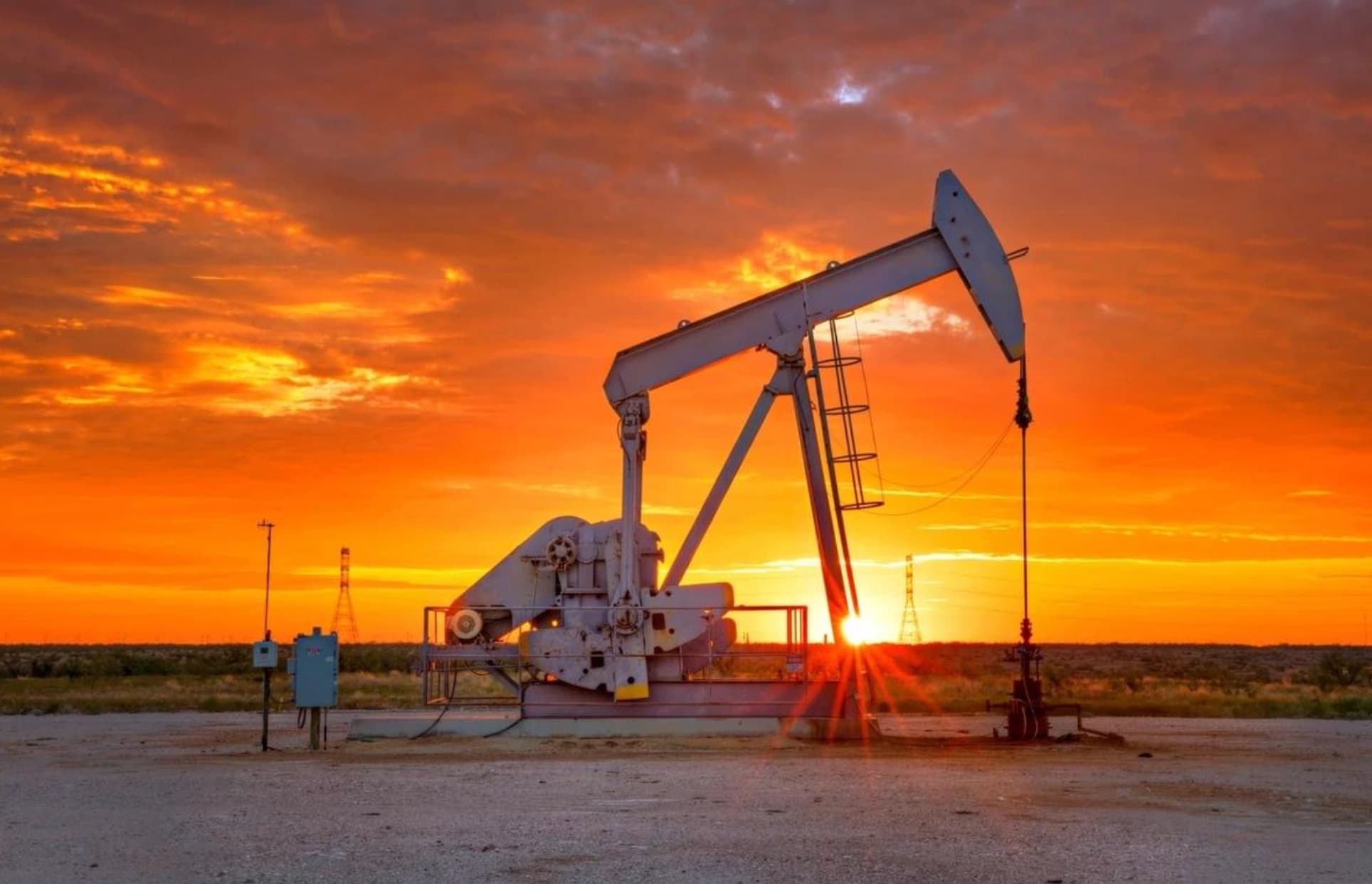
Brent crude at $96.12 and WTI at $88.58 are feeding a central bank inflation loop. The ECB hiked in June. The Fed and BoE are under pressure to follow.
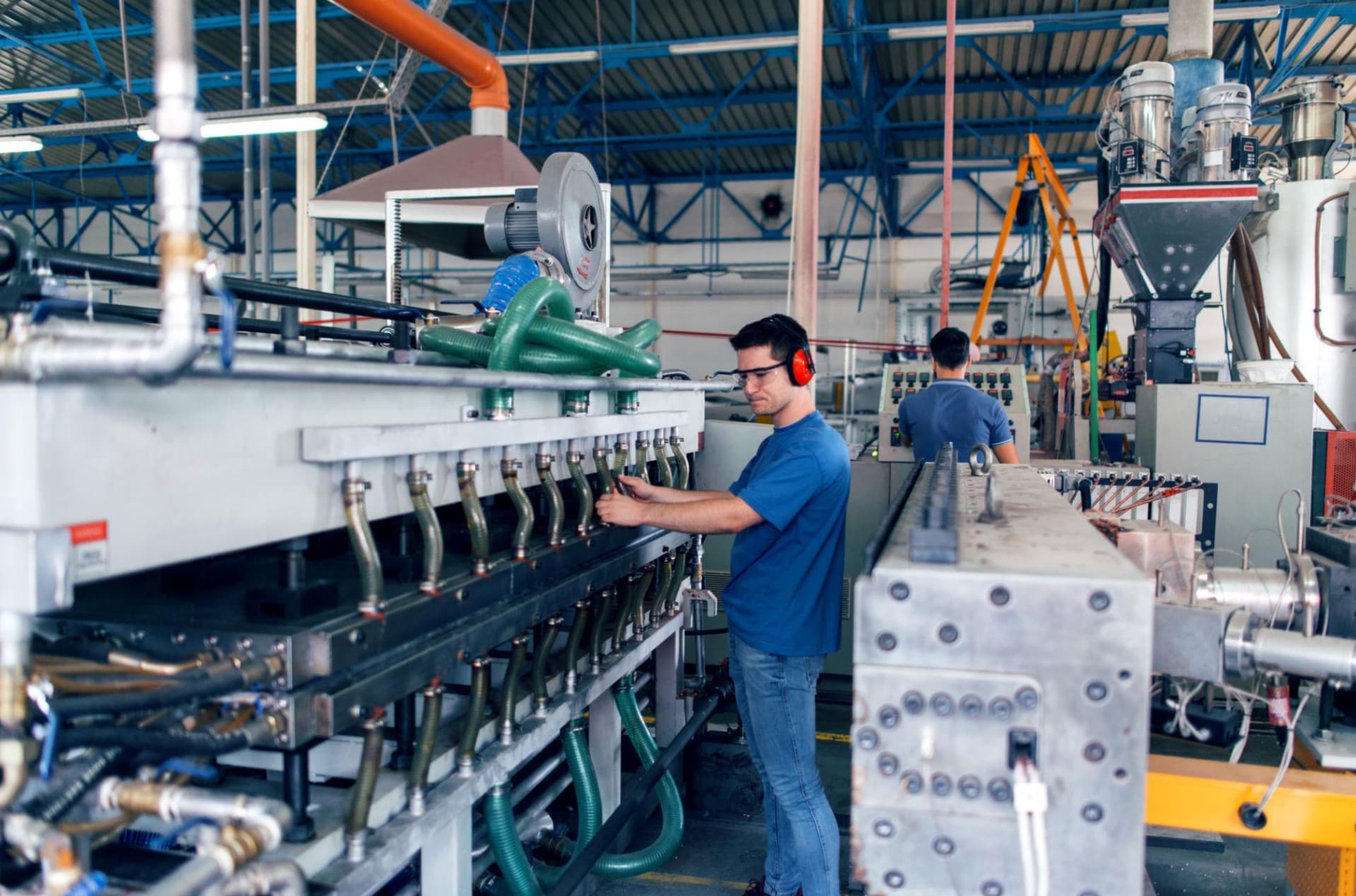
ISM Manufacturing PMI July 2026 expected at 54.0 vs prior 53.3 — the Prices Paid sub-index at 70+ is what rate traders are watching most closely today.
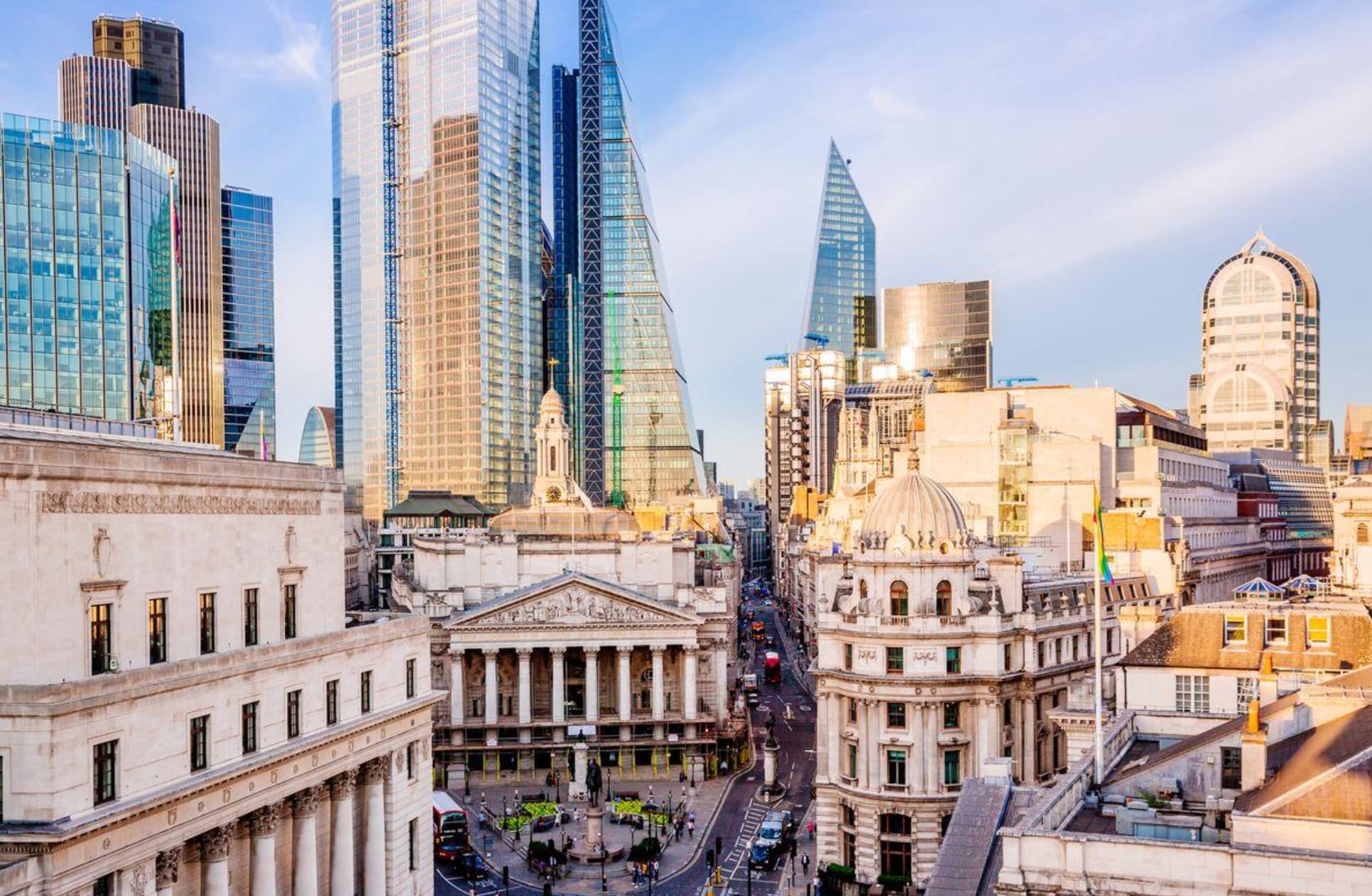
UK Manufacturing PMI demolishes 49.7 forecast with a 52.1 print; Bank of England holds at 3.75% with BofA calling no more hikes in 2026. GBP/USD at 1.3450.
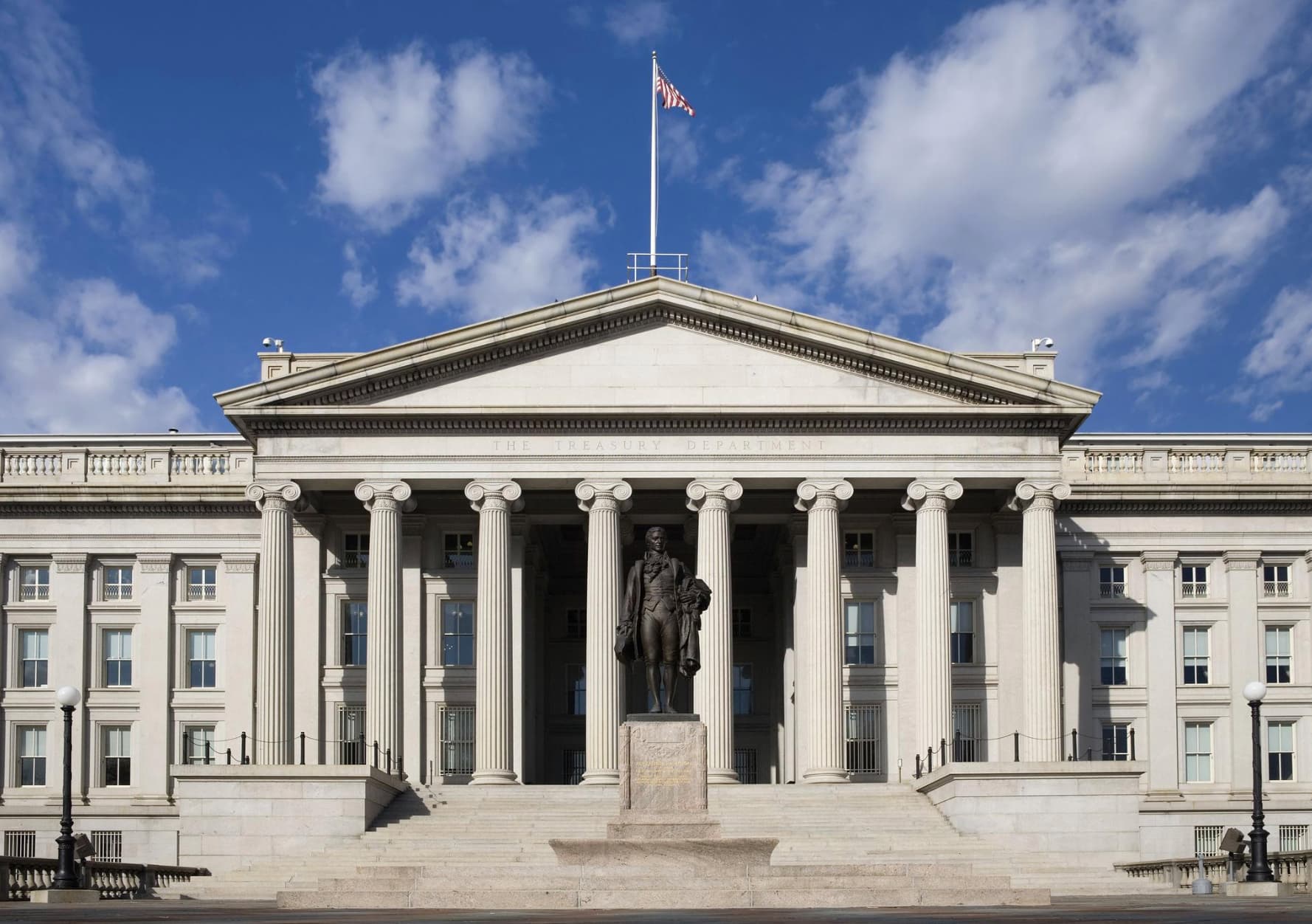
Three Fed hawks dissent as the 30-year Treasury hits 5.19%—the highest since 2007. What the split vote means for September rate pricing.
Bank of Japan holds at a 30-year high of 1.0% but cuts its FY2026 inflation forecast to 2.5%. BoJ hawk Tamura wants hikes every few months.
Three FOMC members voted to hike rates at the July meeting. With oil up 20% in July and claims at 60-year lows, September is suddenly in play.
Q2 GDP, Core PCE, and jobless claims all print at 8:30 AM ET today. Here's what each number means for the September Fed hike decision and your portfolio.
The FOMC holds rates unchanged for a fifth consecutive meeting as Warsh prepares to speak. No dot plot today — the press conference is all traders get.
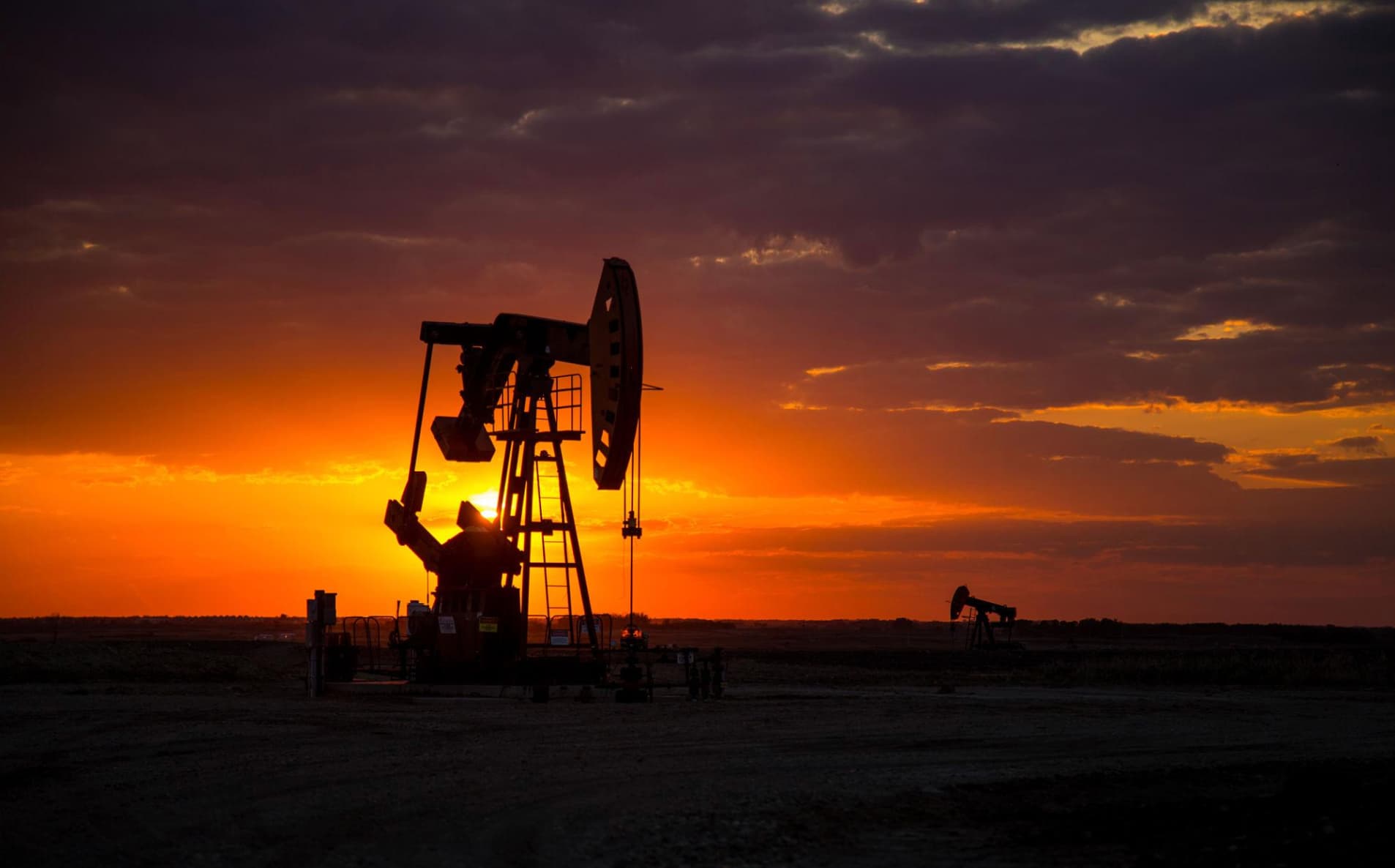
WTI crude topped $100 a barrel in July, up 20% on the month. That energy shock will hit PCE data and could force a Fed hike in September 2026.
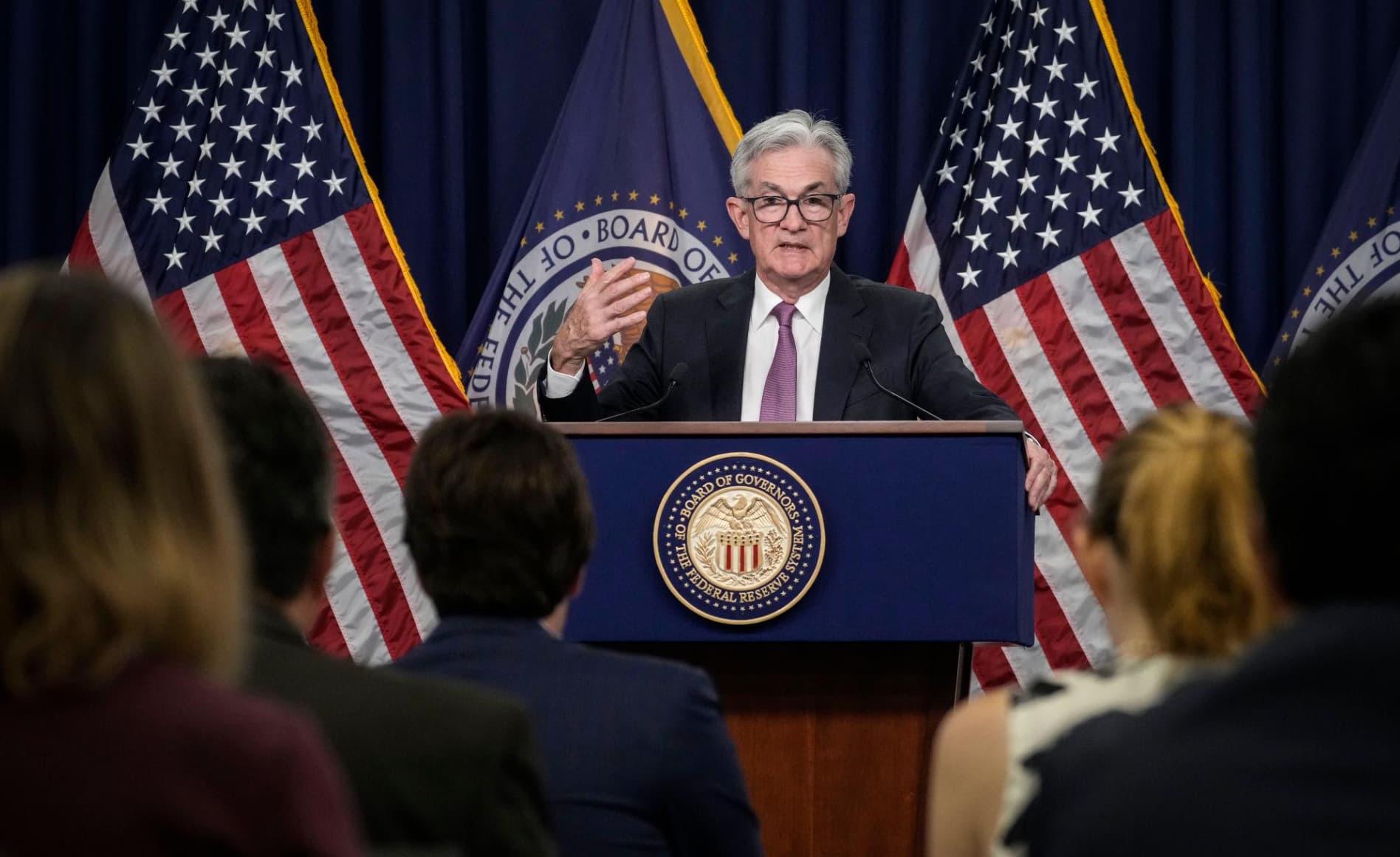
The FOMC convenes today with a 64.2% hold probability — down 23 points in one week. Here's what the Warsh presser must deliver tomorrow.
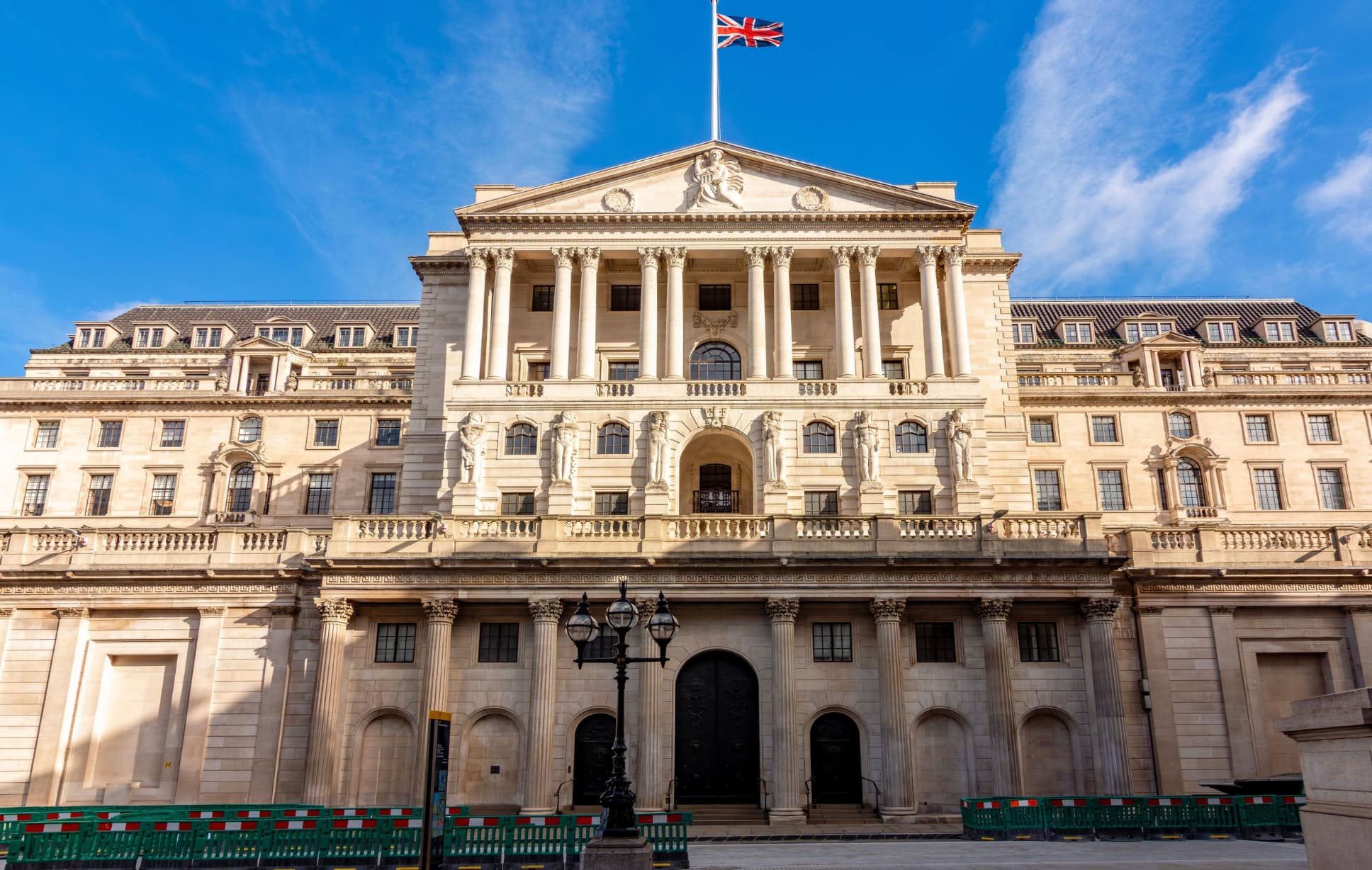
ECB held rates at 2.25% July 23 with a hawkish tone. BOJ decides Thursday, BOE Friday — a three central bank week with real FX implications.
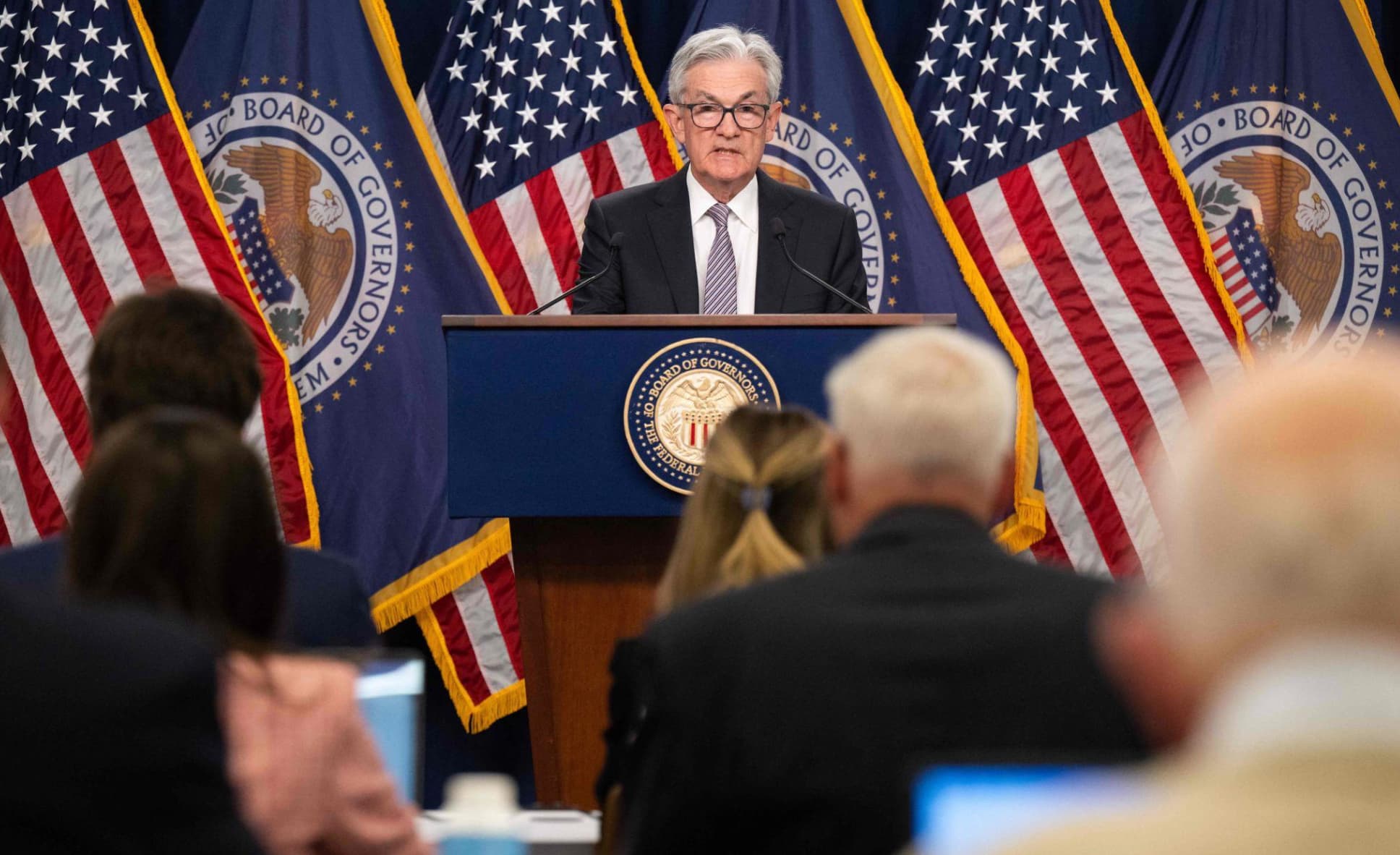
June durable goods orders jumped 1.6% with core capex proxy up 1.4%, complicating the FOMC's July 29 rate decision as hawks gain ground.
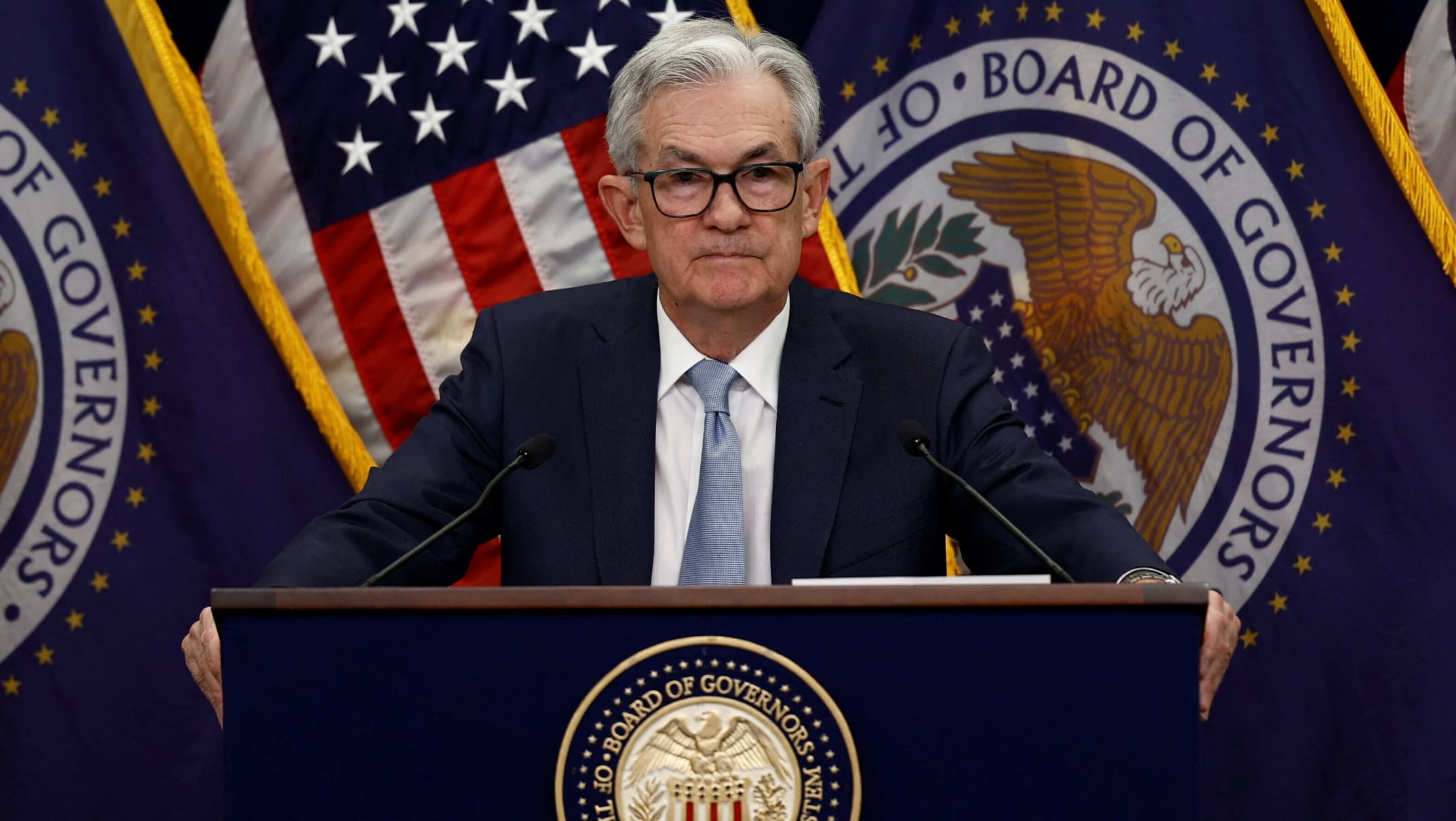
Fed holds at 3.50–3.75% with 64% probability, but a 23-point swing in one week signals hawks are gaining. Wednesday's statement is the only trade that matters.
The Fed holds 3.50–3.75% into its July 29 FOMC decision with no dot plot, no SEP. Statement language is the only policy signal traders get.
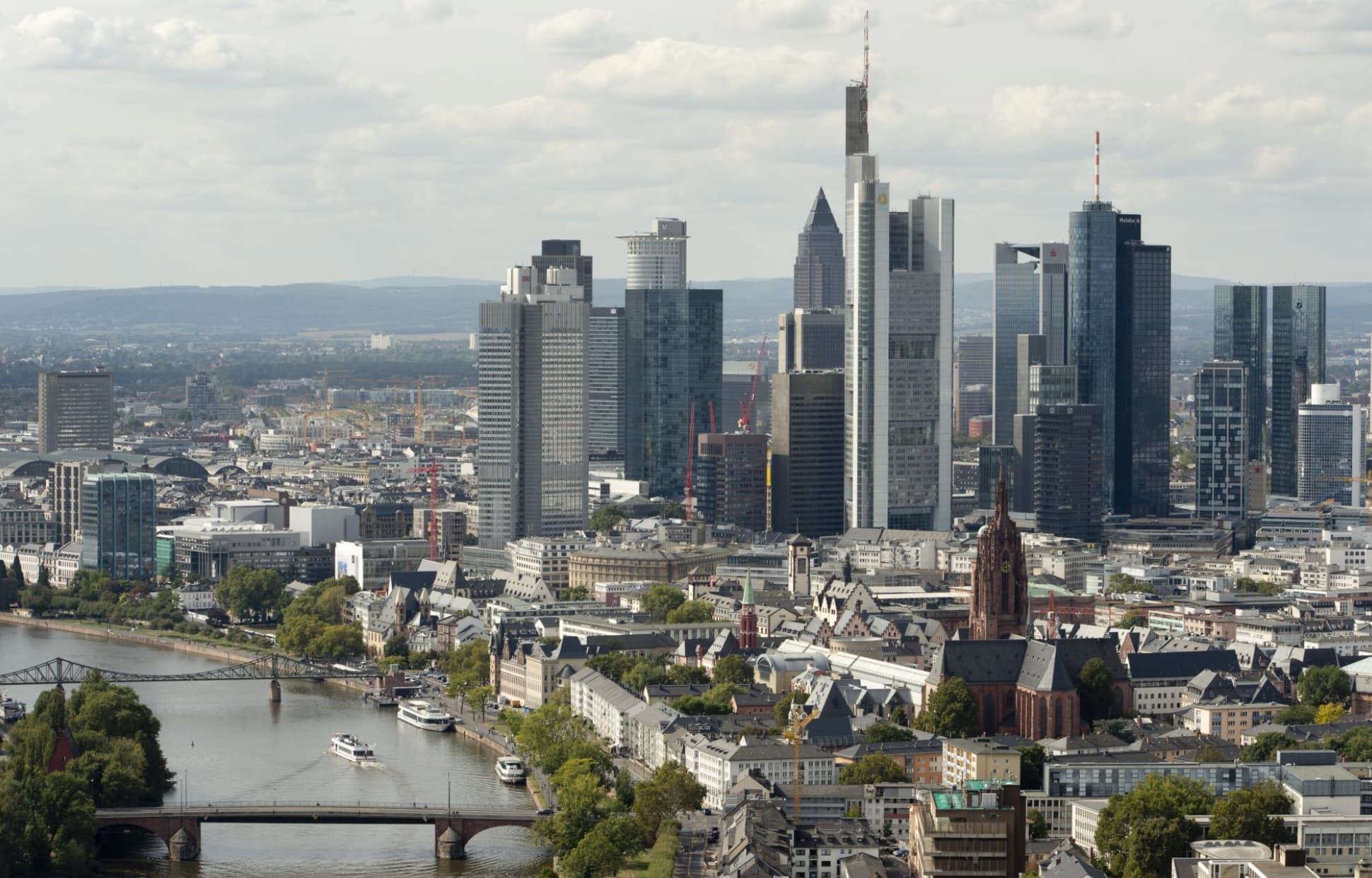
ECB holds deposit rate at 2.25% on July 23 after June's shock 25bp hike. Middle East inflation risk keeps the door open for further tightening.
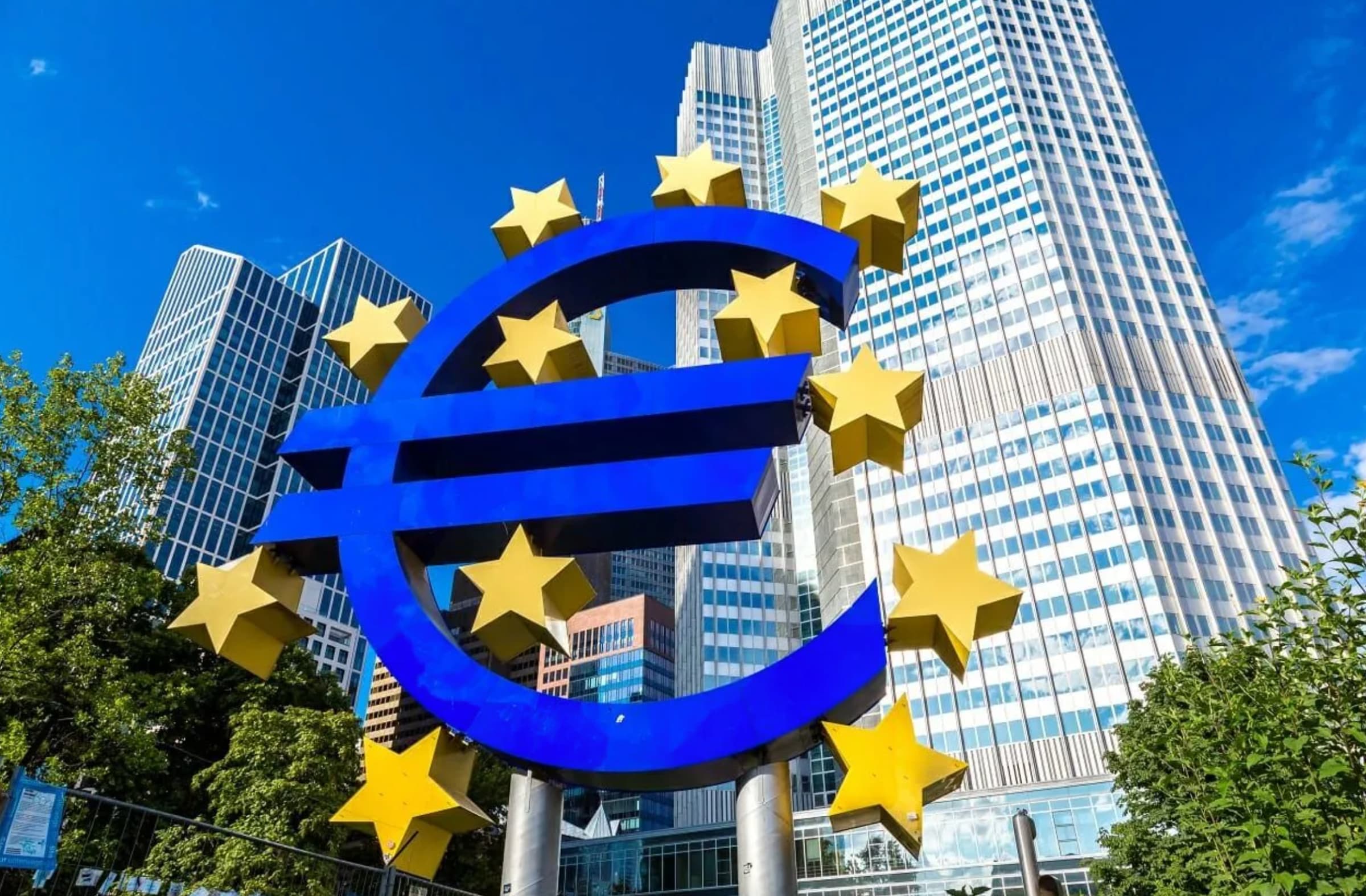
ECB holds rates at 2.25% July 23 as Lagarde signals inflation risks. September hike nearly fully priced. What her language means for EUR/USD and Bunds.
The 10-year Treasury yield sits at 4.63% vs. 4.26% on the 2-year. With FOMC July 28-29 six days out, the steepening curve signals a key rate inflection.
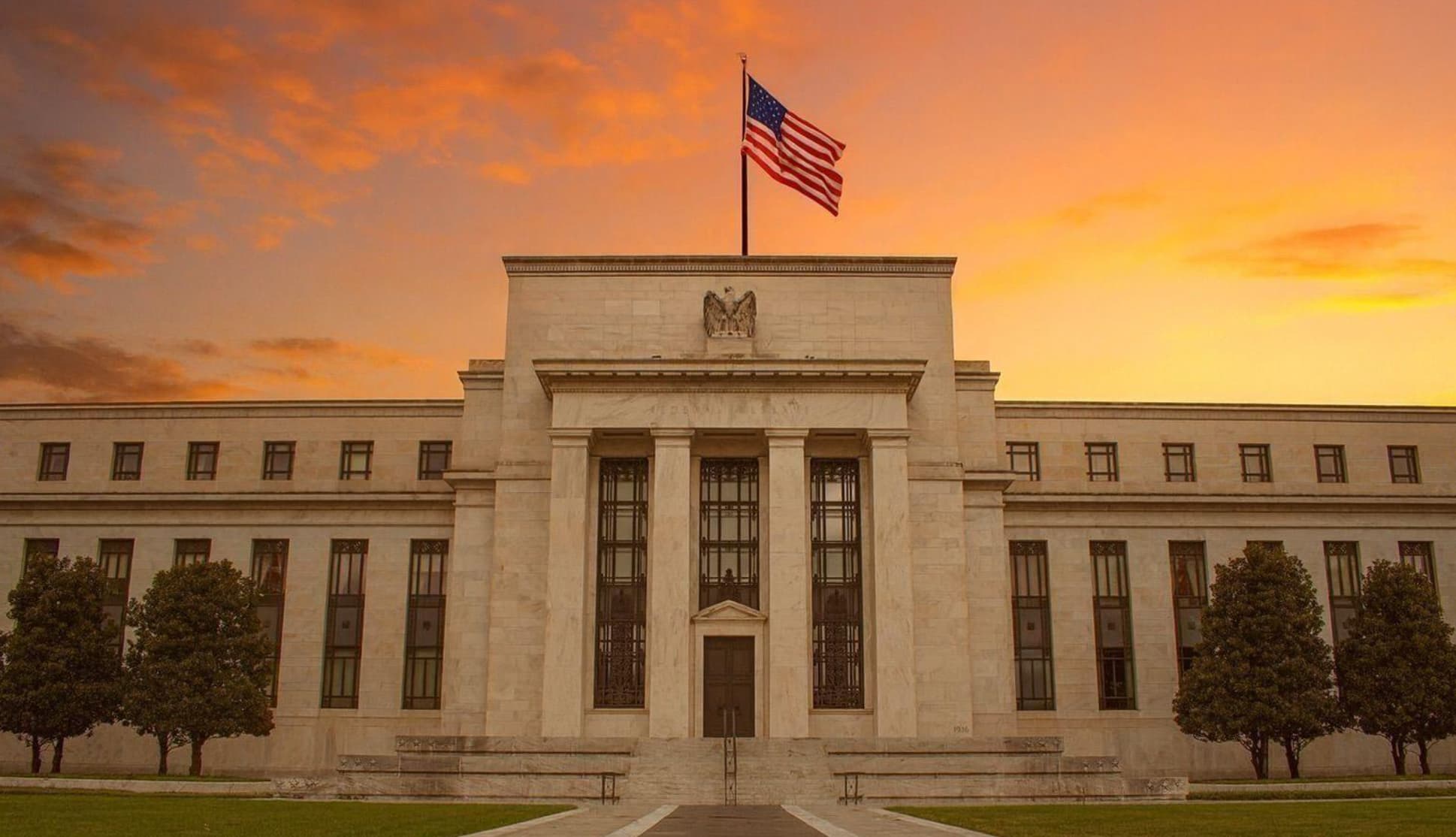
The FOMC meets July 28-29 with a hold at 3.50-3.75% near-certain. The real trade is in the statement language on inflation and the Middle East.
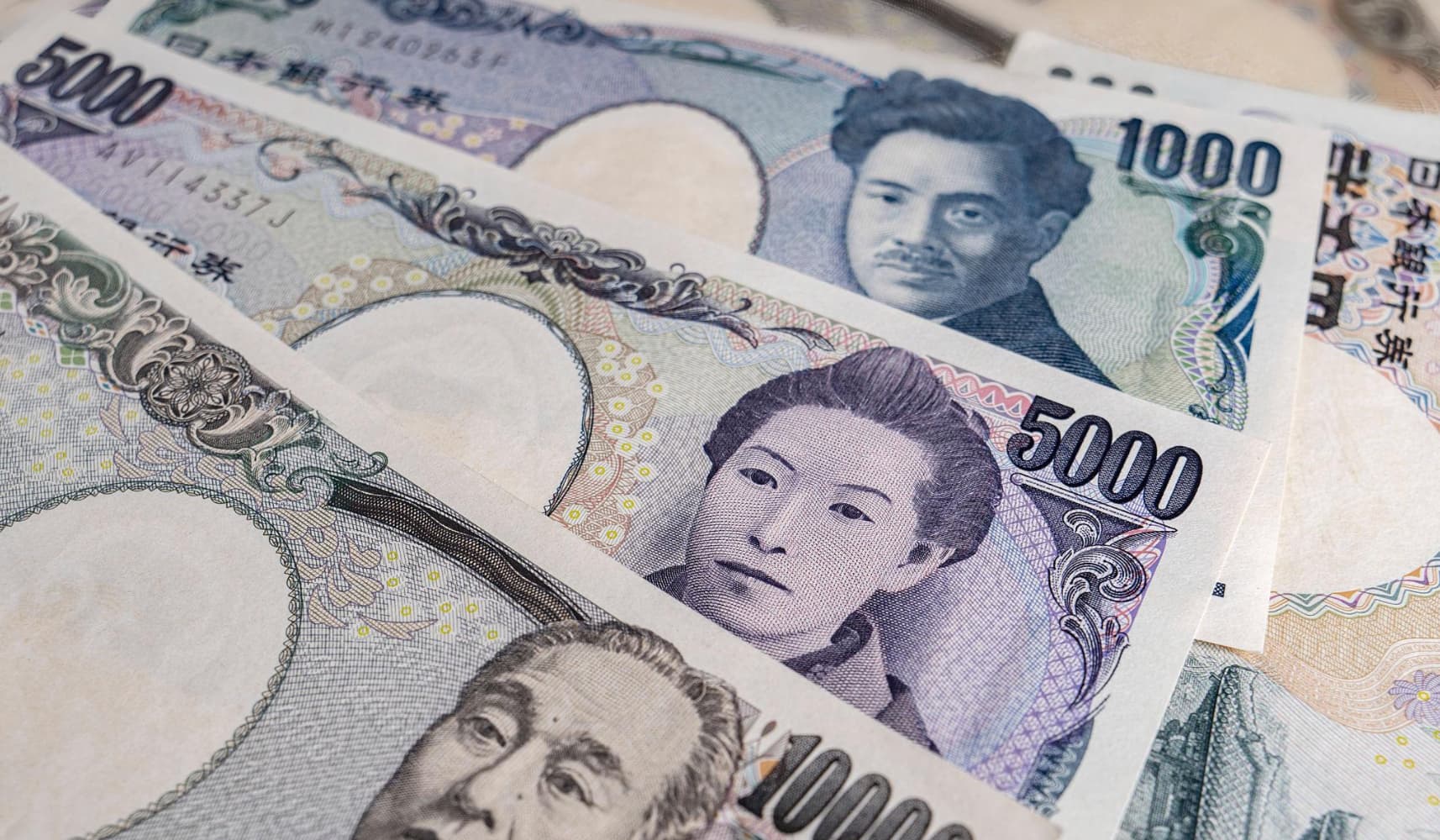
The BOJ holds at 1.00% on July 31 — a near-certainty. But Goldman's 165 USD/JPY forecast and sticky Japanese inflation keep Q4 hike risk alive.
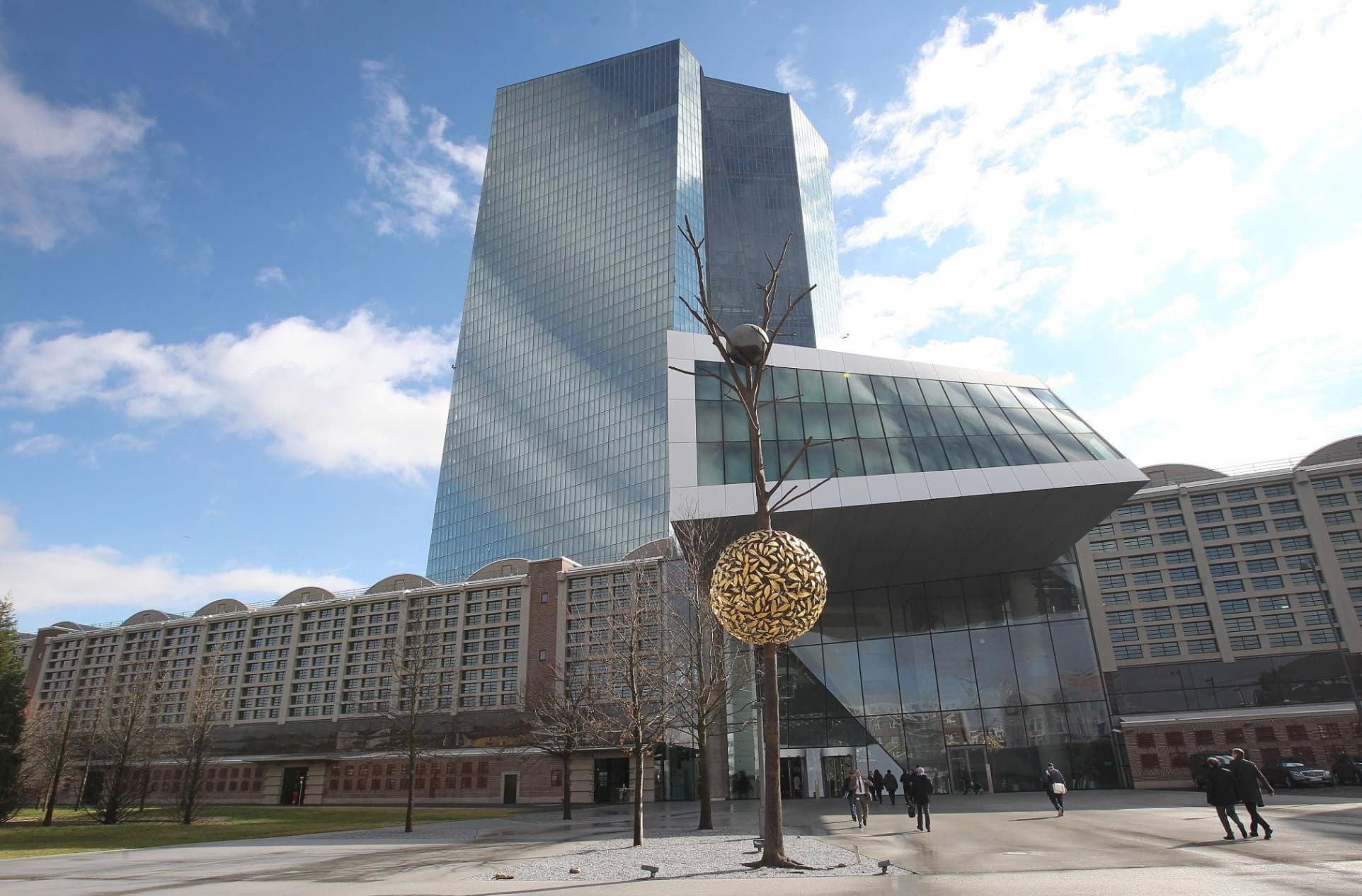
ECB rate decision hits Thursday at 8:45 AM ET. Hold is 90% priced in, but Lagarde's September forward guidance is where the real trade lives.
The Fed holds July 29 at 3.50–3.75%. With CPI at 3.5% and a 4-to-8 FOMC dissent, the only question is whether Warsh signals a September cut.
With CPI at 3.5% and the July 31 FOMC meeting days away, the Fed's one-hike dot plot signal is the most important macro trade of the summer.

The ECB holds at 2.25% Thursday, but Lagarde's press conference carries the real trade — September hike odds sit at 70% and the euro hangs on every word.
June CPI fell 0.4% MoM — the biggest monthly drop since April 2020 — but core inflation held flat. Here's what it means for the July 29 FOMC.
The 2s10s spread hit +42 bps as the 10-year holds 4.55%. This isn't a recovery signal — it's stagflation pricing. Here's what the curve is telling traders.

June retail sales consensus calls for +0.2% MoM — but ex-auto strip expected to go negative. Here's what the 8:30 ET print means for July 29 FOMC.

Bank of Japan raises rates 25bps as Goldman Sachs targets 165 USD/JPY. Here's what the global carry trade repricing means for cross-asset positioning.
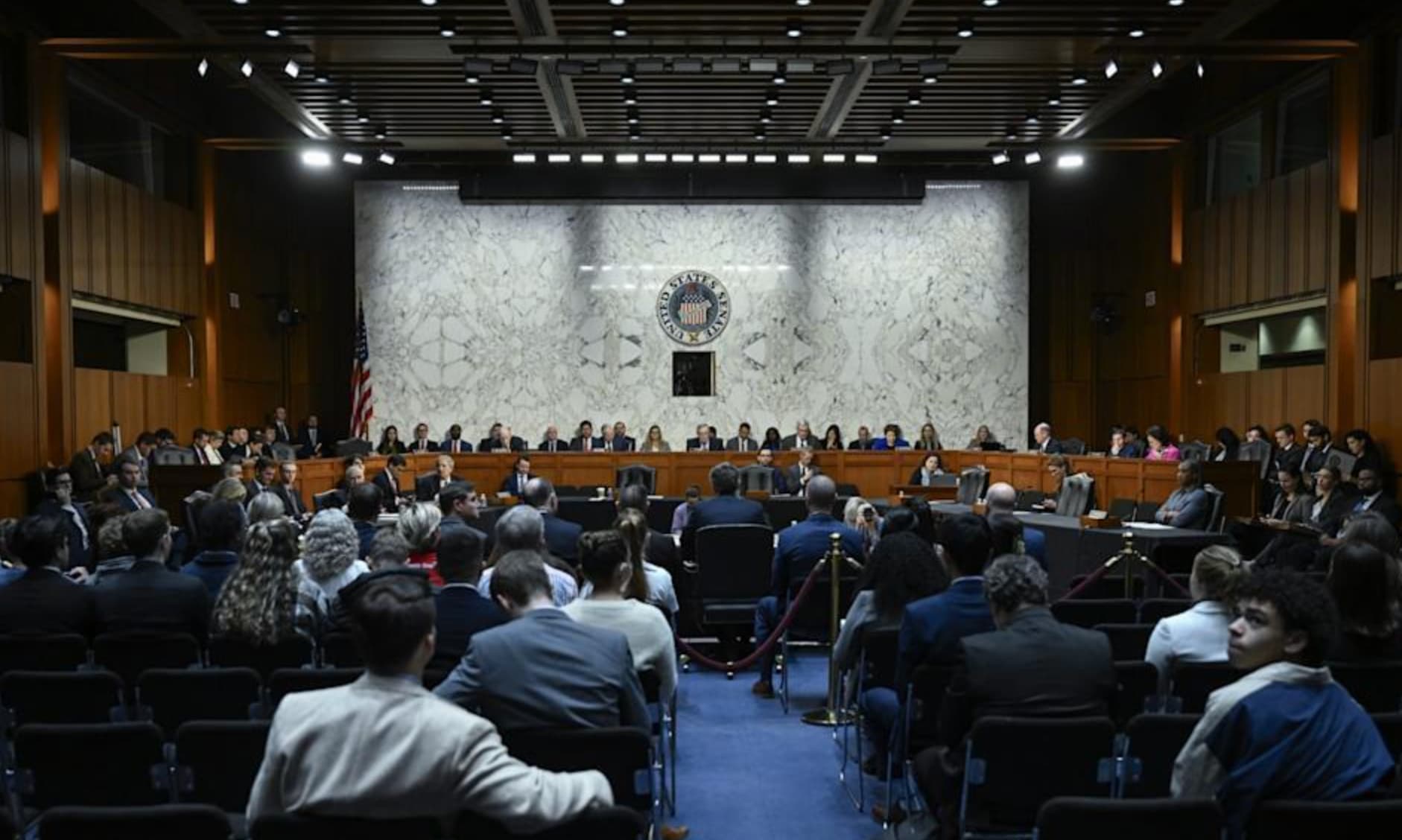
Fed Chair Warsh testifies before the Senate Banking Committee today at 10 AM ET. June CPI's -0.4% MoM print hasn't killed the September hike risk.
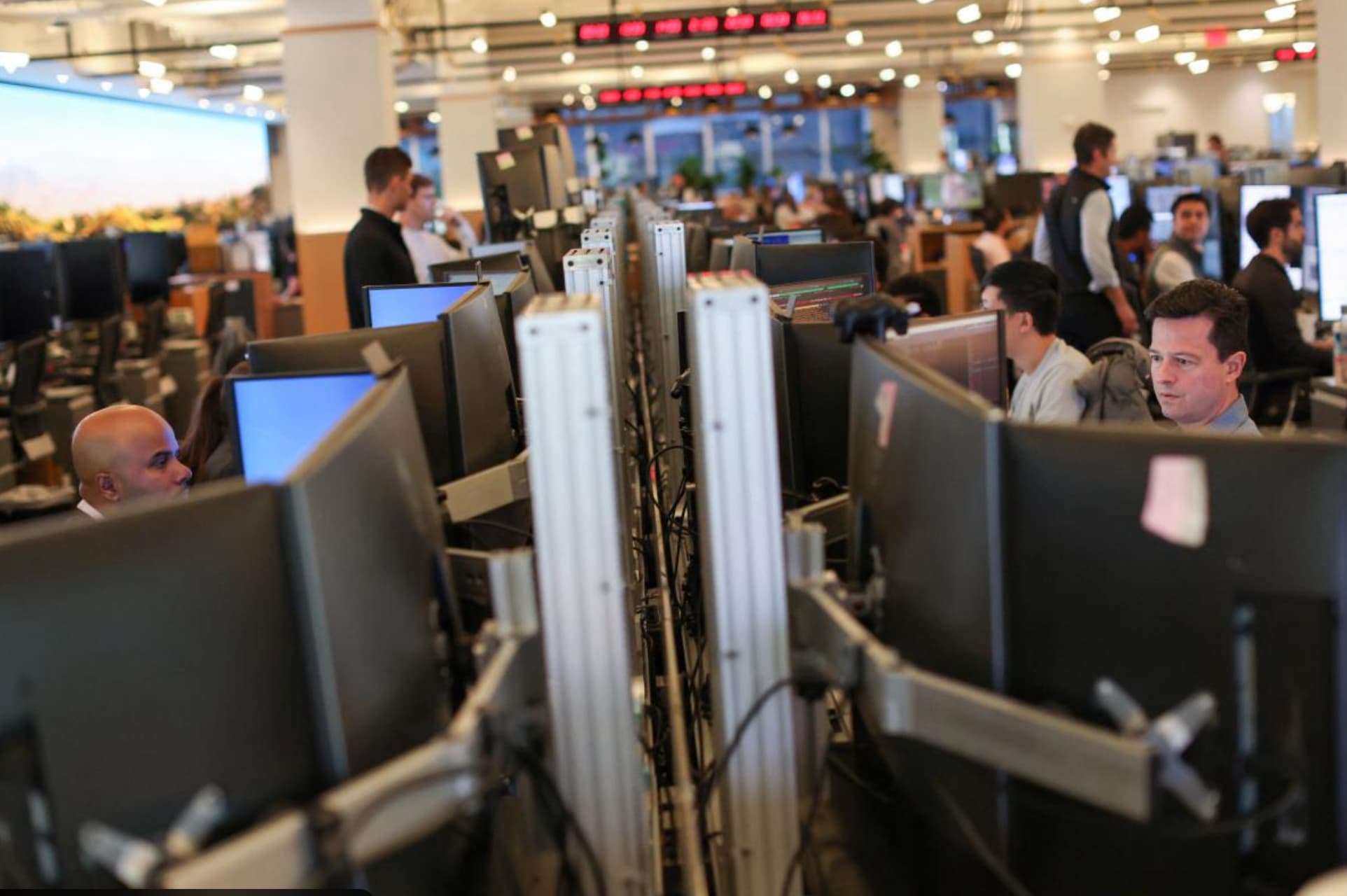
The 10-year Treasury yield at 4.62% versus a 2-year at 4.26% signals persistent rate hike risk, not a soft-landing. Here's what the curve means right now.
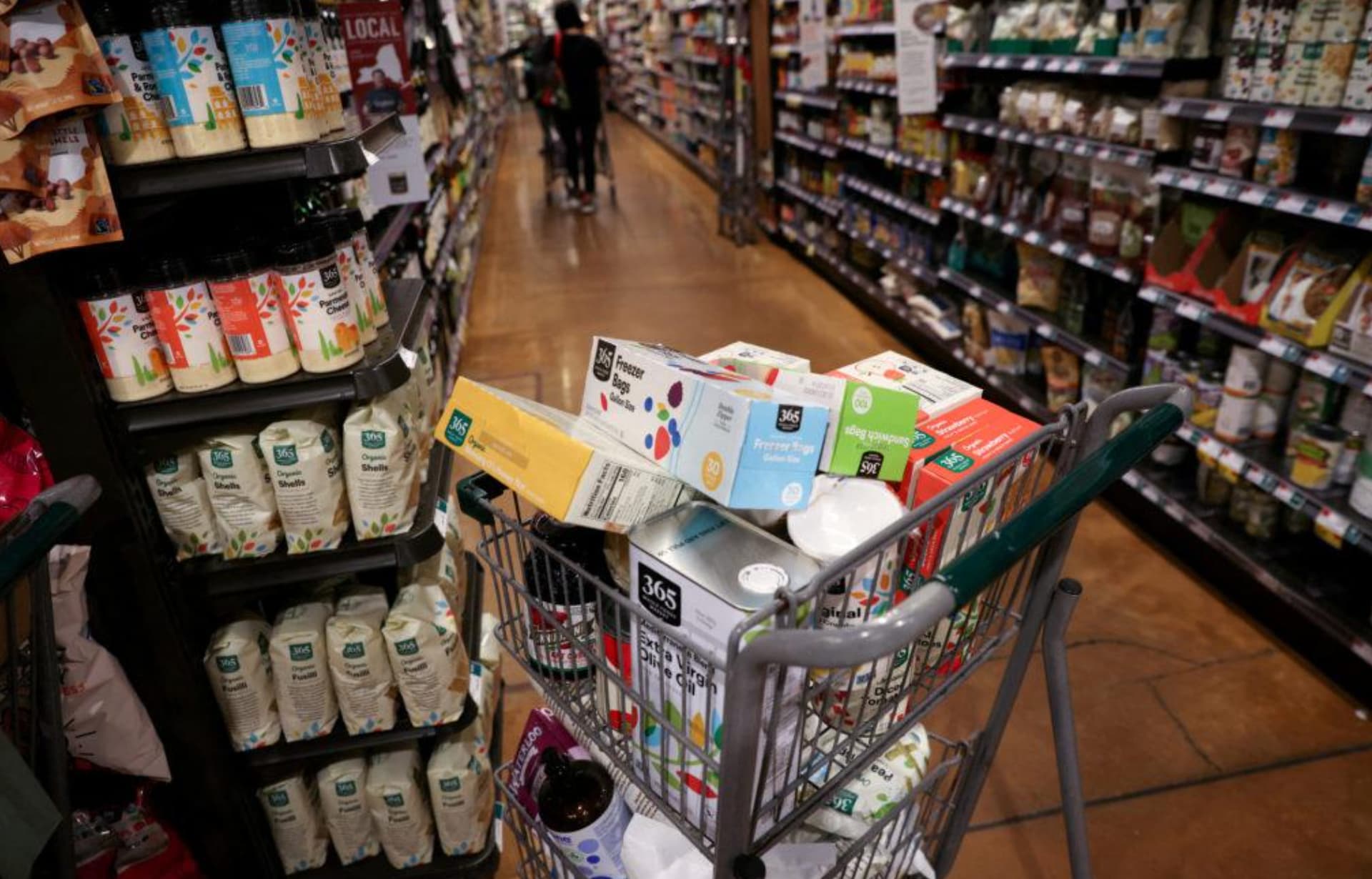
June CPI headline falls on energy reversal, but core inflation holds near 2.9%. Here's what the print means for the July 29 FOMC decision.
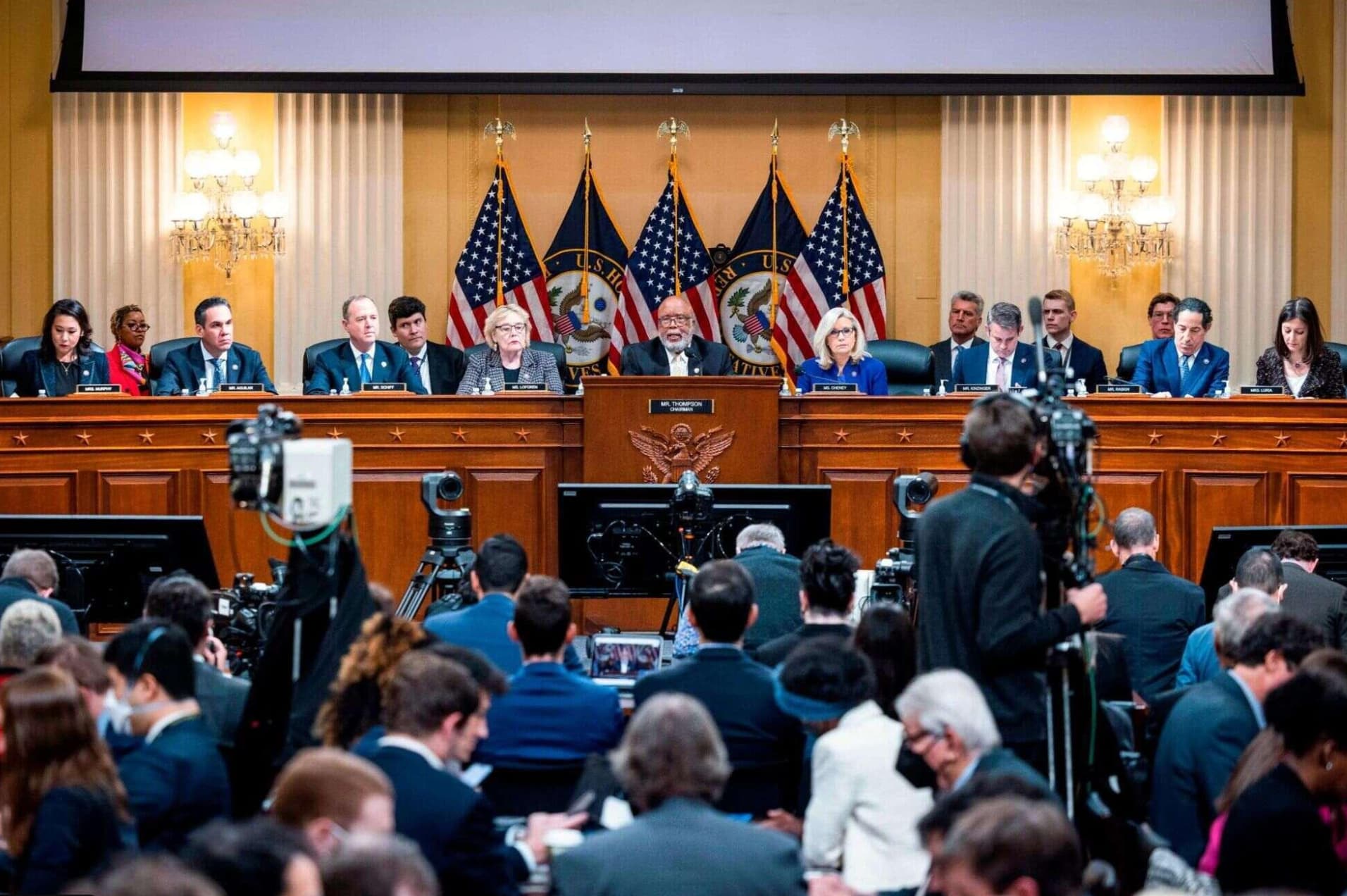
Fed Chair Kevin Warsh testifies at 10 AM ET as the FOMC sits split 9-to-8 on rate hikes. What his language on inflation means for July 29.

June CPI drops Tuesday at 8:30 a.m. ET. Consensus sees 3.8% headline, 2.8% core. Here's what every number means for the July FOMC.
ECB raised rates to 2.25% in June while the Fed held at 3.62%. Five central banks, five strategies on the same global shock — here's the trade.
June CPI drops Tuesday at 8:30 a.m. ET. With May YoY at 4.2% and the Fed's dot plot flagging a hike, this is the week's defining number for traders.
The 10-year Treasury yield sits at 4.56% with the 2-year at 4.21%. The steepening curve signals stagflation risk — here's how to trade the spread.
The June 17 FOMC minutes release at 2:00 p.m. ET today. Four dissenters, a hawkish dot plot, and 4.2% CPI make this the week's most important macro event.
The ECB raised rates to 2.25% while the Fed holds at 3.50–3.75%. The 2026 divergence trade is live — here's what it means for rates, FX, and risk assets.
Fed minutes land today at 2PM ET revealing a 9-8 split on rate hikes. With September odds at 50-55%, today's release is the most important macro event of the week.
The 10-year at 4.48% and 2-year at 4.13% signal a market stuck between a hike and a hold. Here's what the 35bp spread means for traders right now.
FOMC minutes drop July 8 at 2 p.m. With CPI at 4.2% and Warsh turning hawkish, a September hike is now a live risk traders can't ignore.
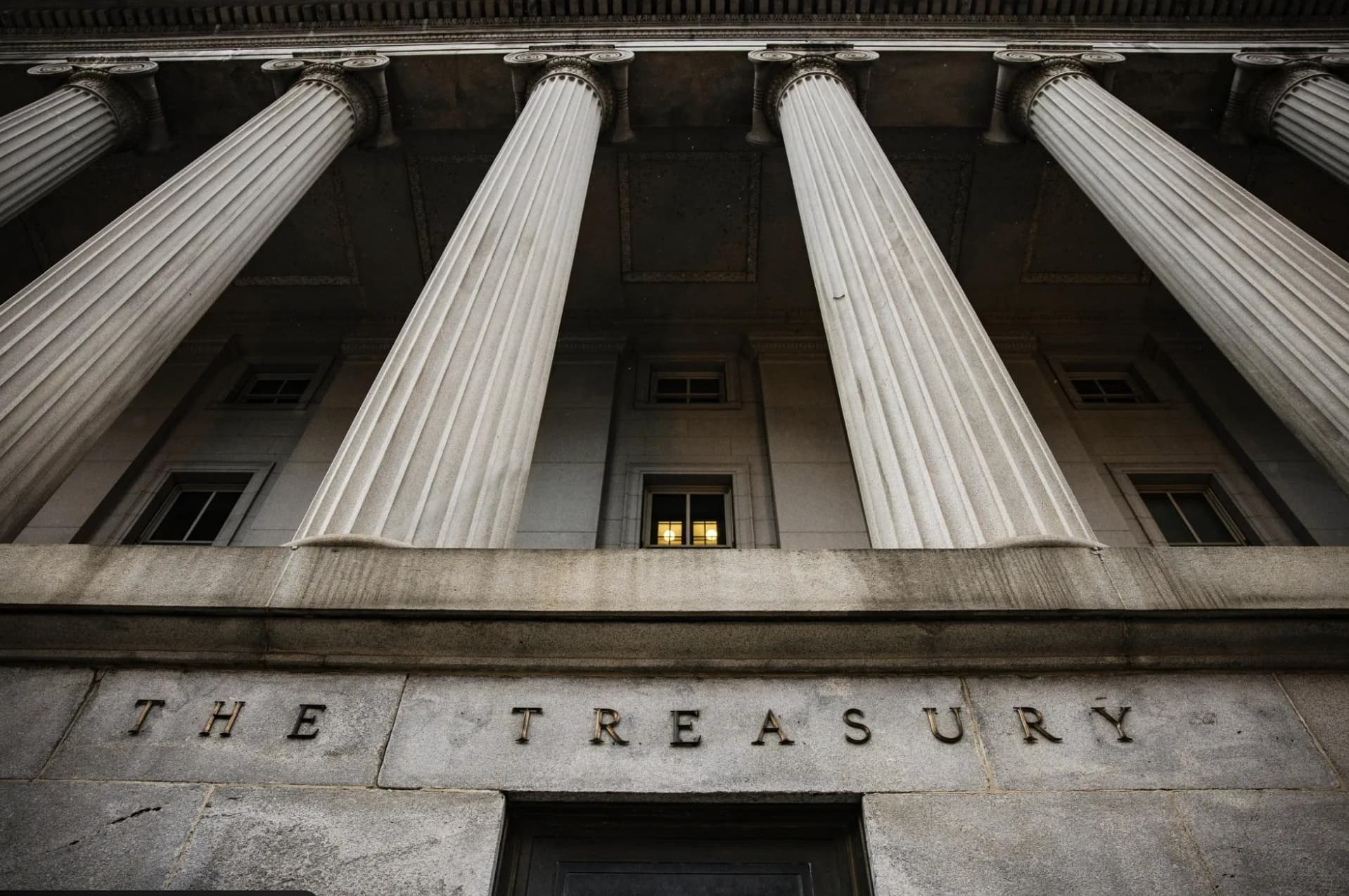
The 10-year/2-year spread hit +35 bps as the curve fully un-inverts. With CPI at 4.2% and the Fed hawkish, normalization may be short-lived.
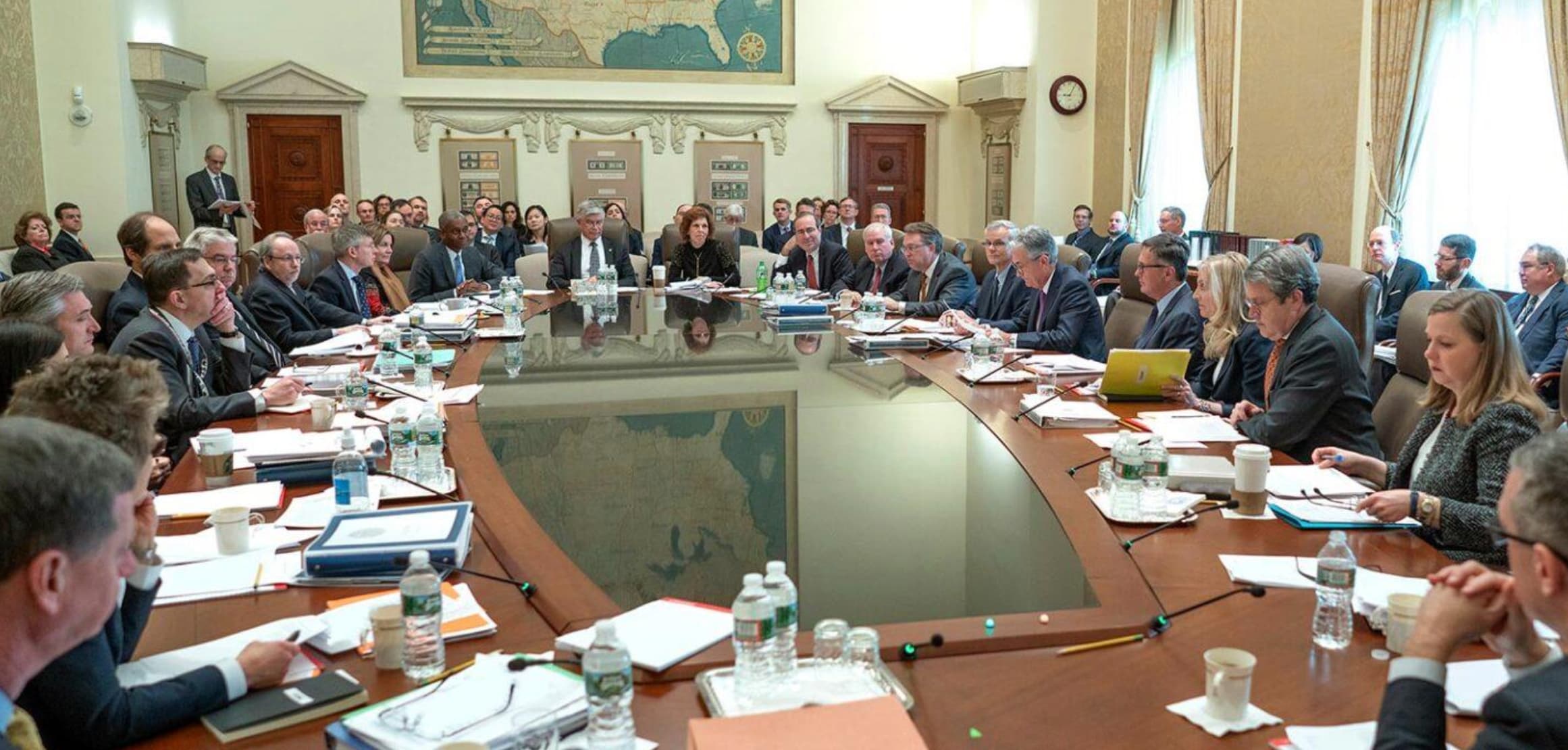
Nine of 19 Fed officials favored a rate hike at June's meeting. Wednesday's FOMC minutes could confirm October as the live date. Here's what to watch.
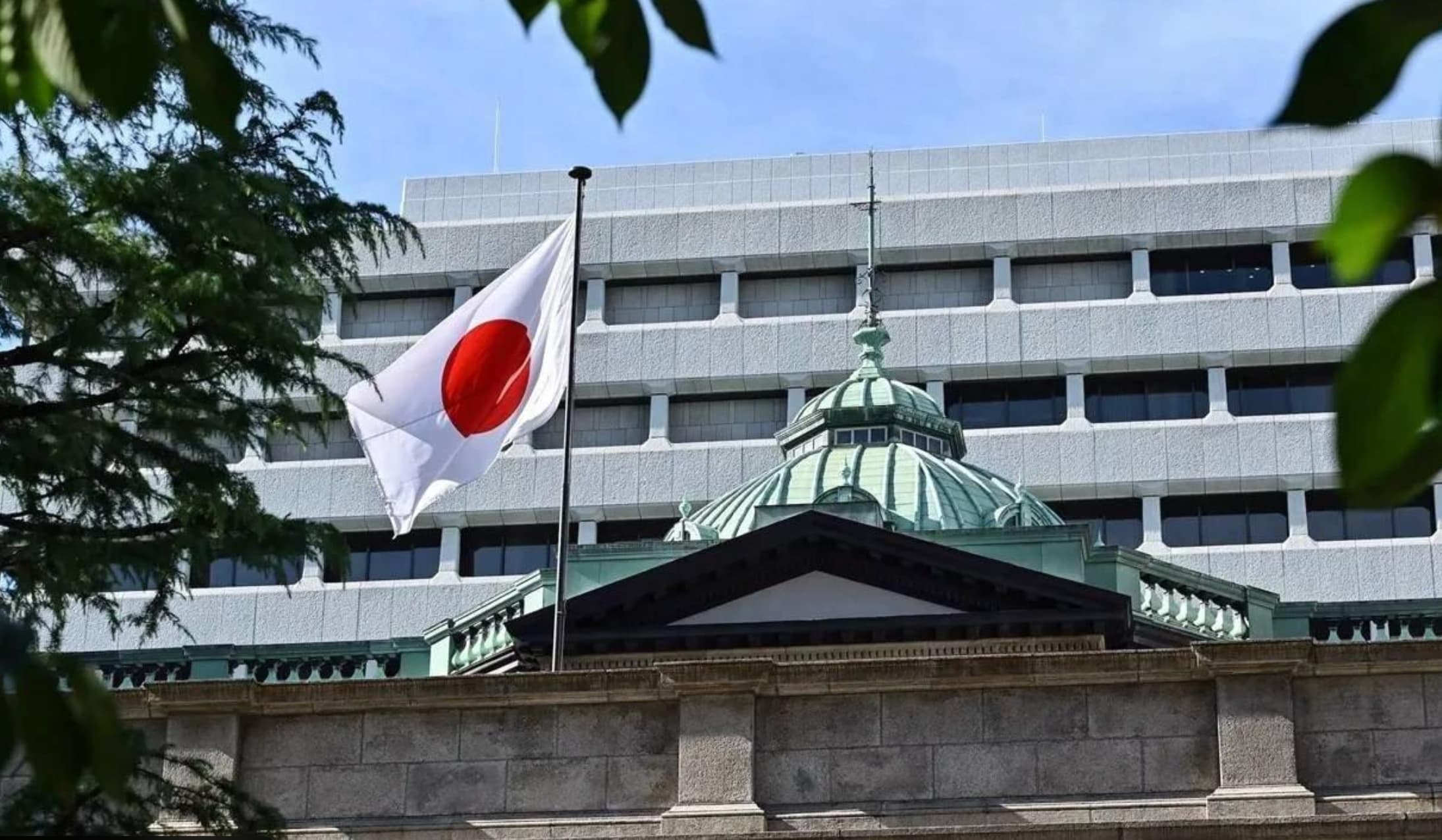
The BOJ just hit 1.00% — a 31-year high. The ECB hiked in June. The BoE hikes next month. Global central bank divergence is the macro trade of 2026.
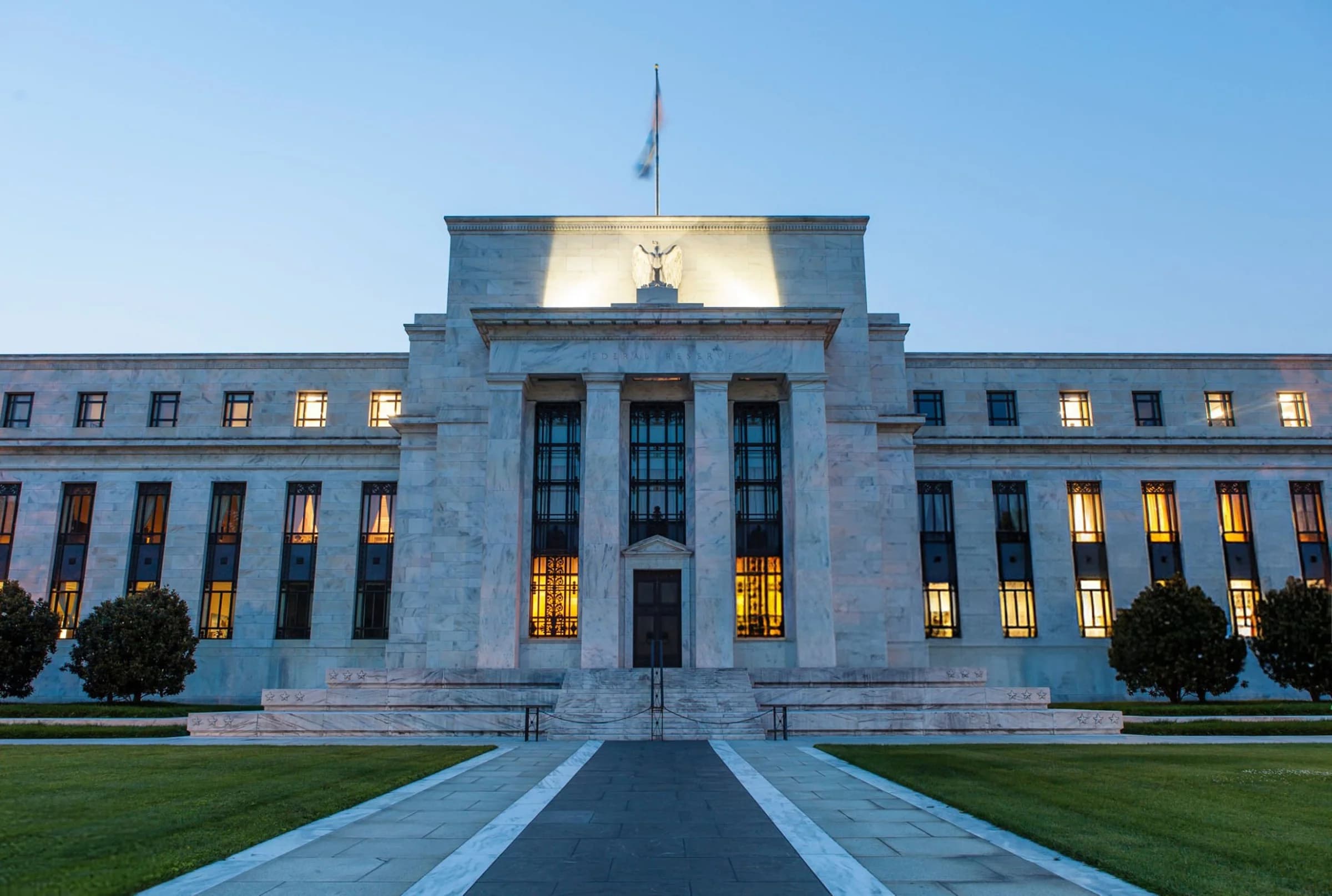
Kevin Warsh's first FOMC meeting held rates at 3.50–3.75% but the dot plot shifted hawkish. ECB hiked 25bps. Global central banks are diverging fast.

June nonfarm payrolls crashed to 57K vs. 115K expected. September Fed hike odds drop to 53%. What traders must know before July 8.
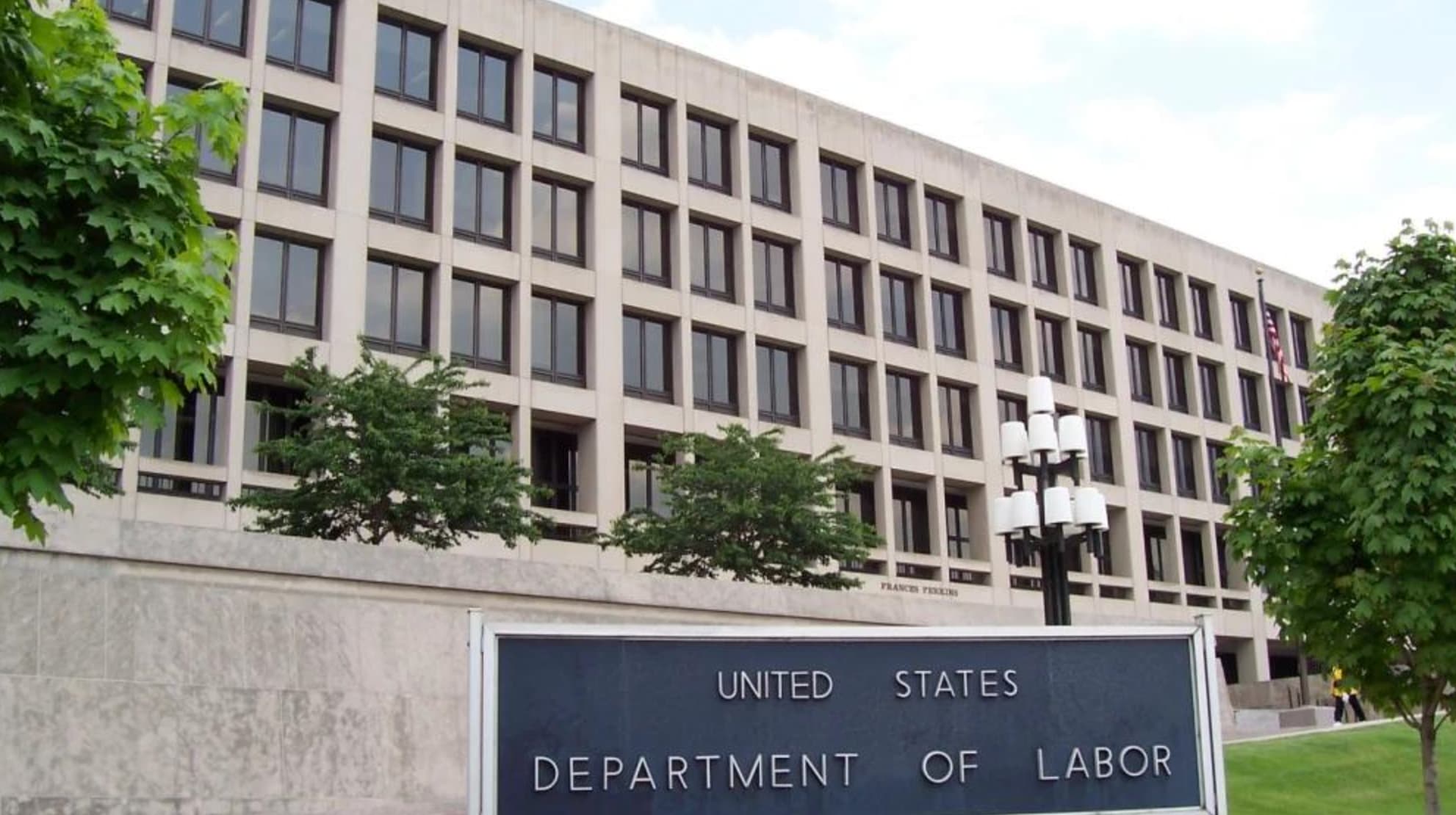
BLS June nonfarm payrolls drop at 8:30 AM ET today. ADP missed at 98K vs. 110K forecast. Here's what the number means for Fed rate policy.
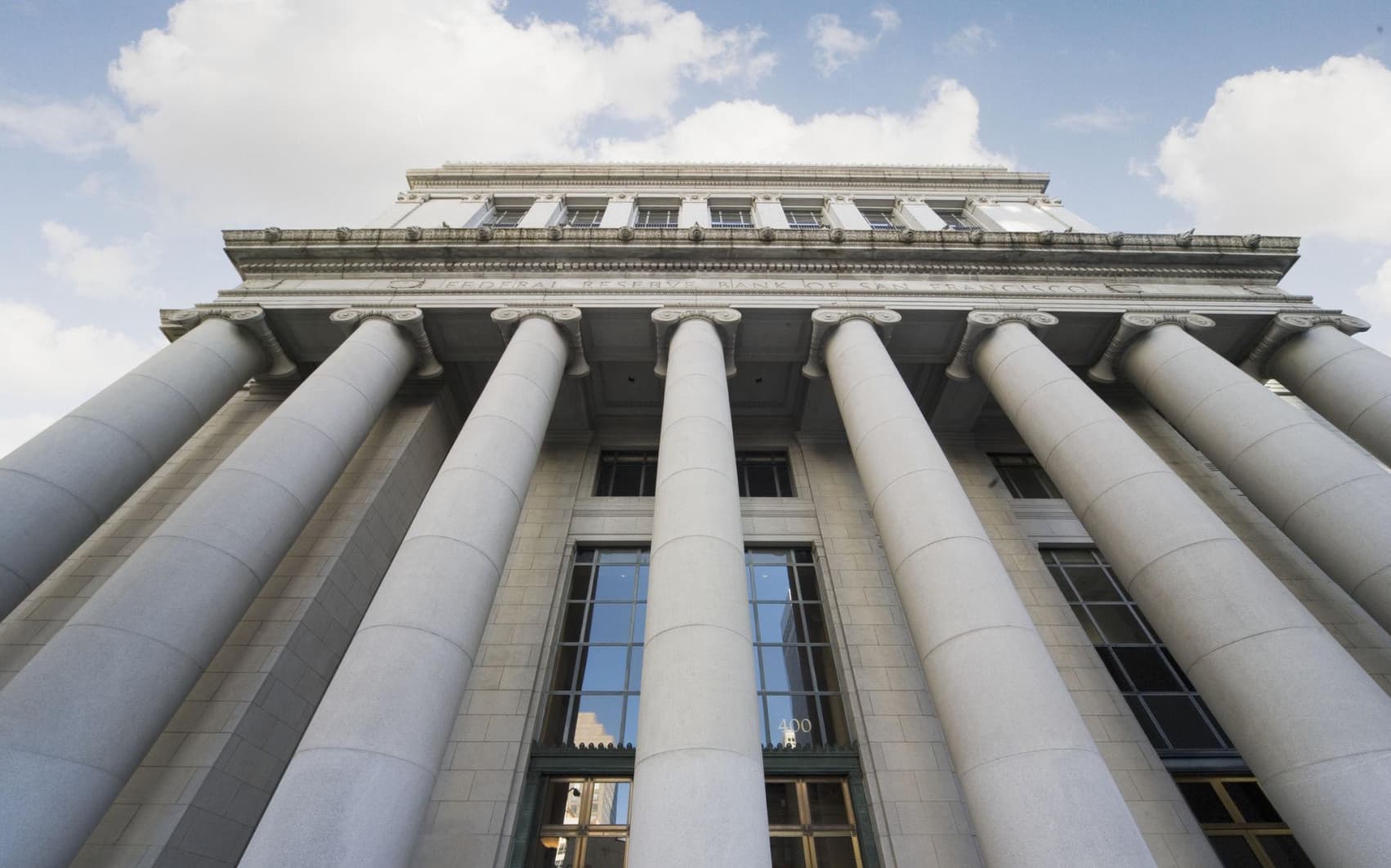
Fed Chair Warsh told the ECB Forum inflation remains too elevated. With CPI at 4.2% and a rate hike survey at 50%, July policy odds are genuinely open.
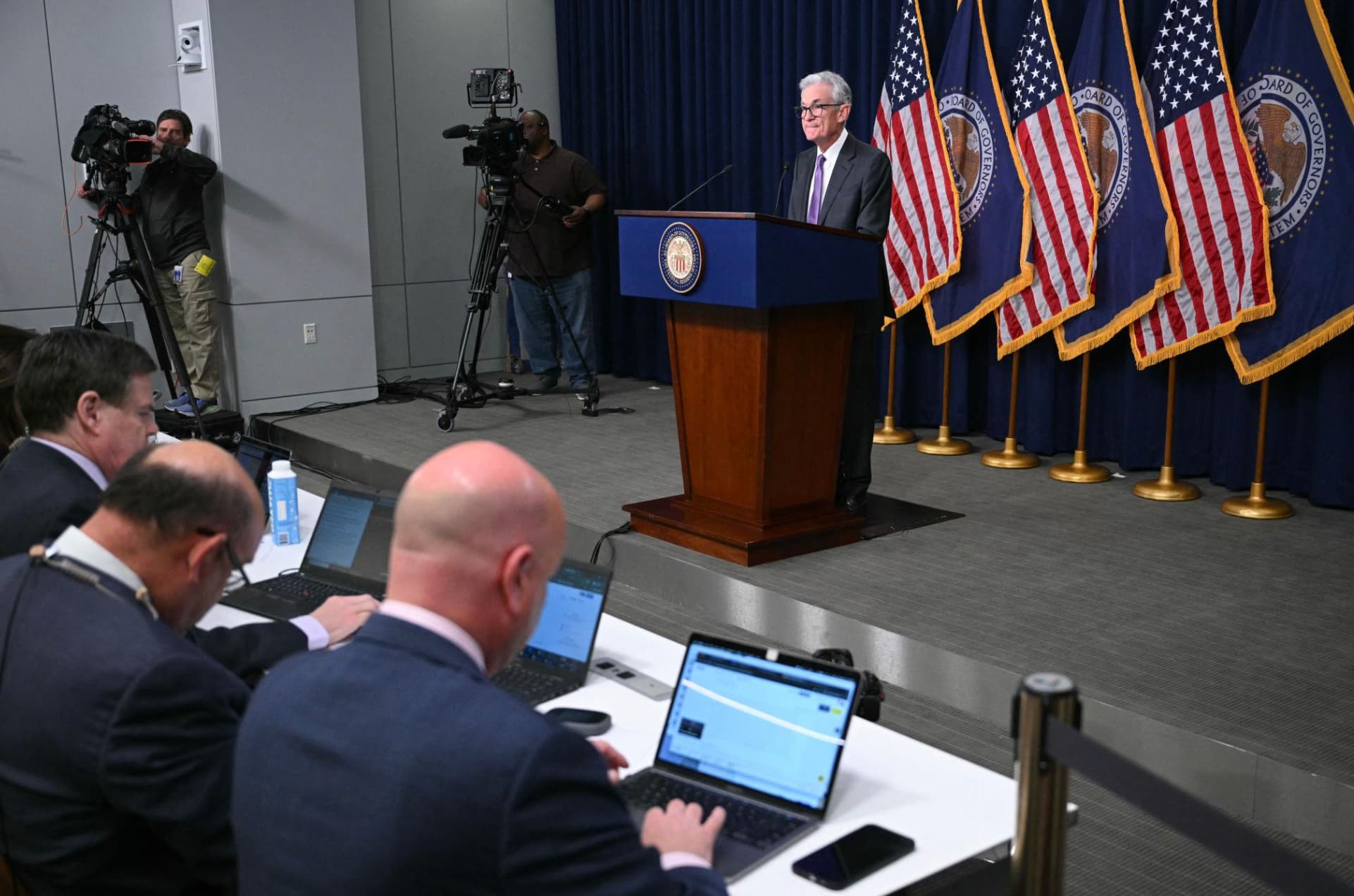
The Fed's June dot plot shifted PCE inflation forecasts to 3.6% and signaled a potential 2026 hike. Here's what that means for yields and rate bets.
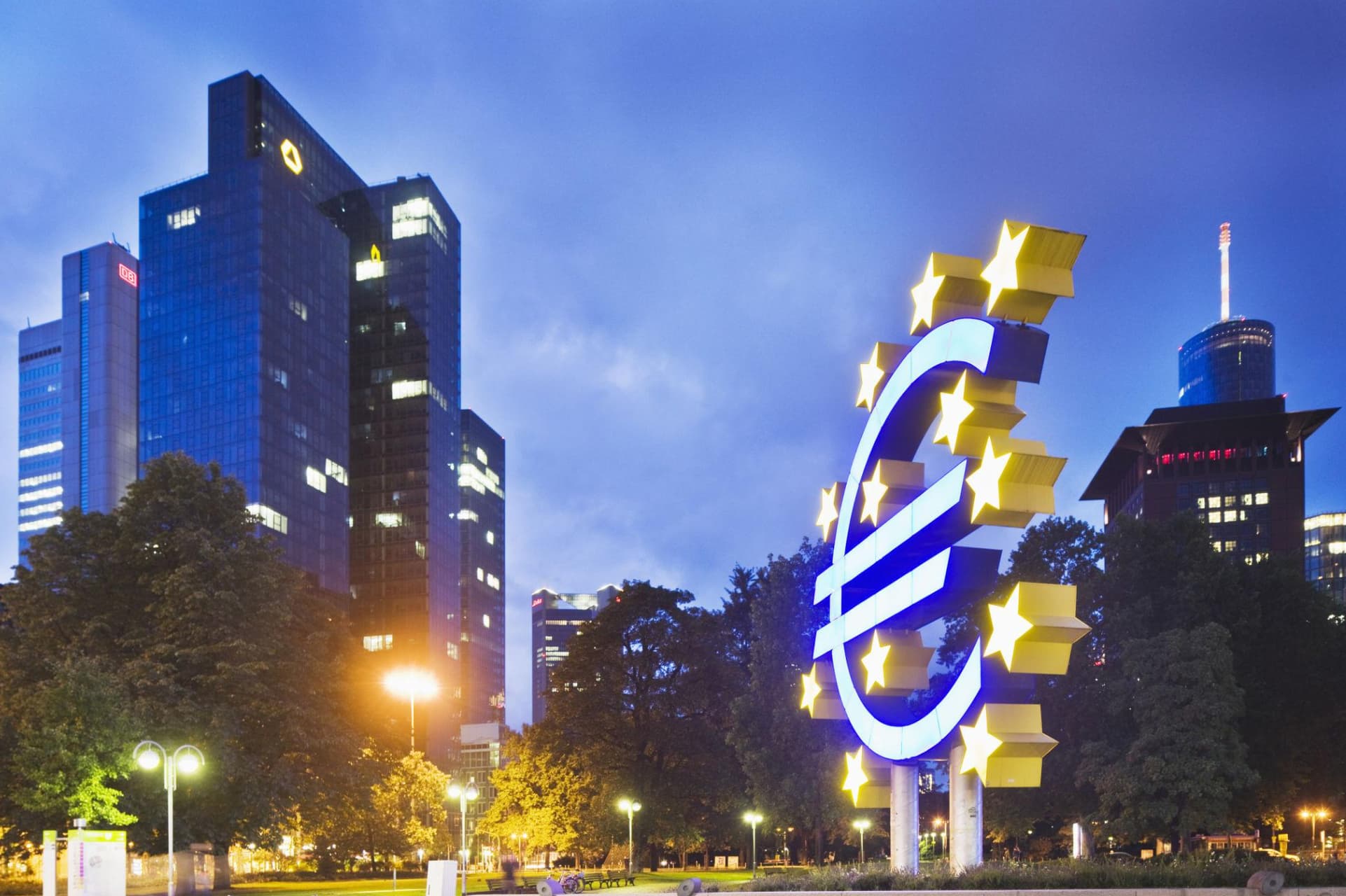
The ECB raised rates 25 bps in June as Middle East war drives stagflation. Markets price two more hikes by September. Here's the global central bank divergence trade.
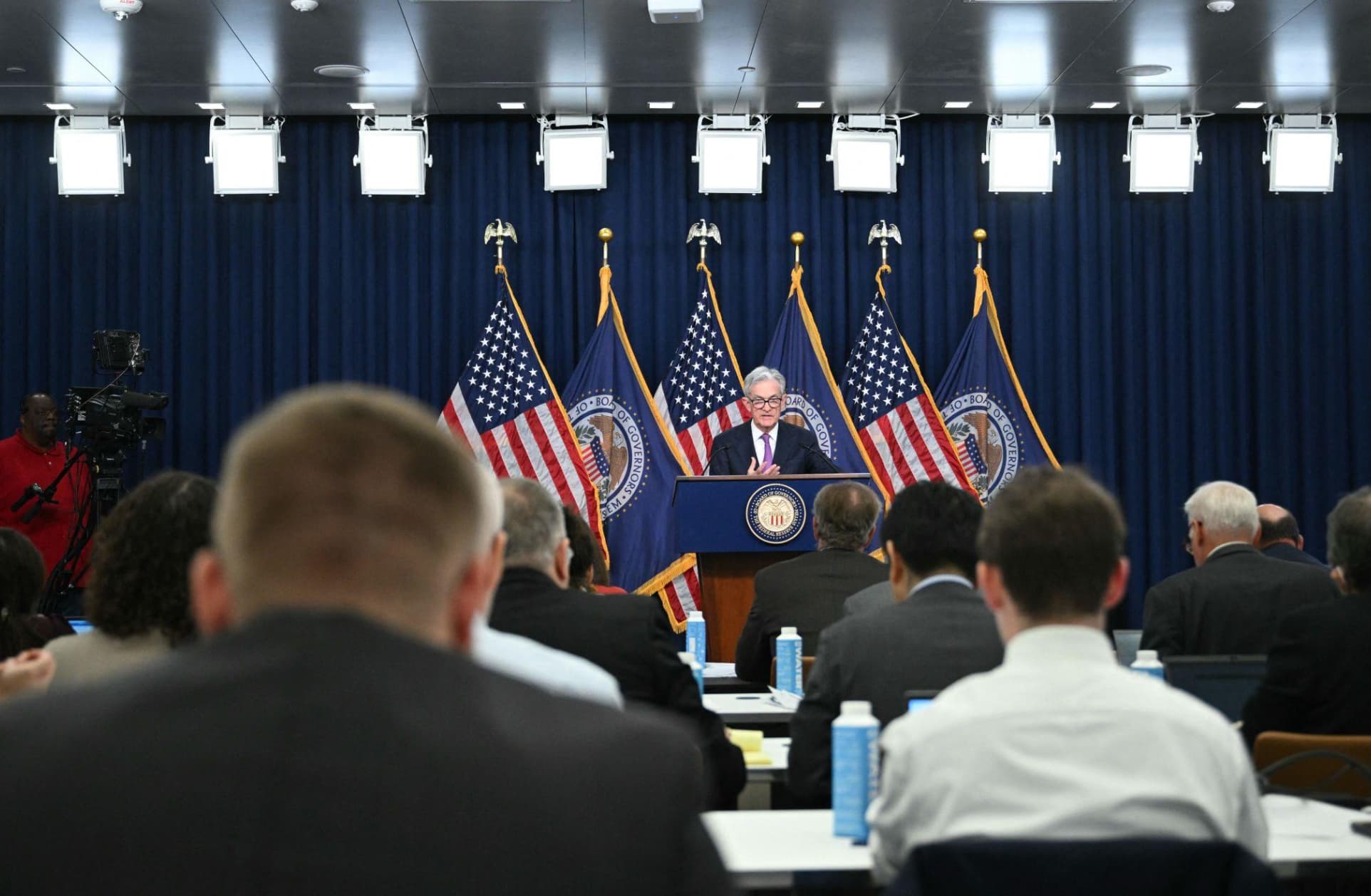
PCE inflation jumped to 4.10% in May, core PCE hit 3.40%, and the Fed's dot plot now signals a 2026 hike. What traders must know before July 2.
The ECB raised rates 25 bps on June 11 as Iran war inflation bites. The BoE held at 3.75%. Global monetary policy divergence is reshaping Q3 macro trades.
The ECB raised rates June 11 while the Fed held at 3.75%. Five central banks, five responses to the same shock — here's how to trade the fracture.
June PCE data hits today as the Fed's own projections show 3.6% inflation for 2026. One hot print could lock in a rate hike before year-end.
May PCE inflation printed 4.1% headline, 3.4% core — both above the Fed's own upgraded forecasts. An October rate hike is no longer a tail risk.
Q1 GDP final estimate holds at 2.1%, but May PCE at 4.1% and a widening current-account deficit frame a stagflation-adjacent macro picture for traders.
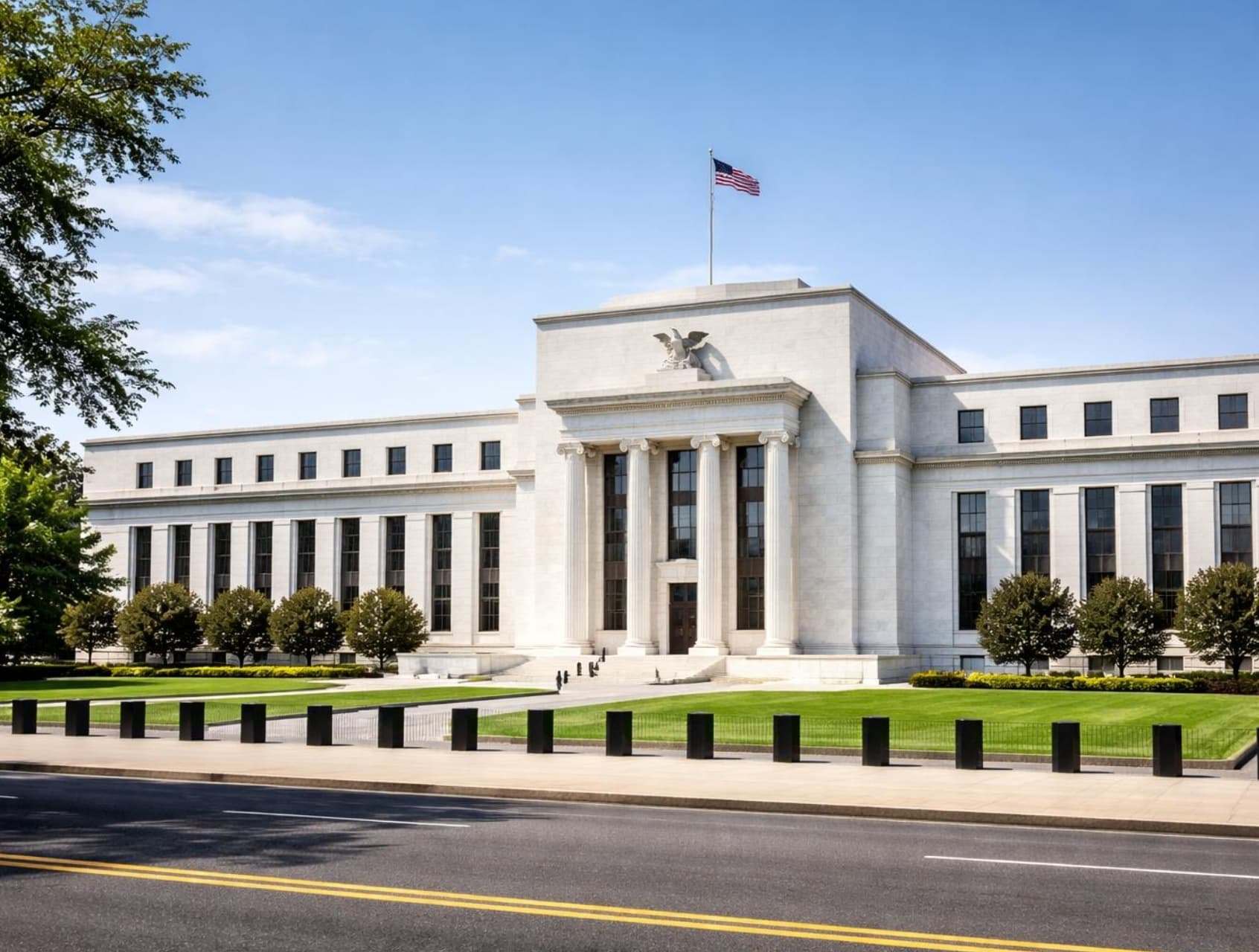
Core PCE for May prints today as Fed dot plot already signals a potential 2026 hike. Here's what traders need to watch at 8:30 AM ET.
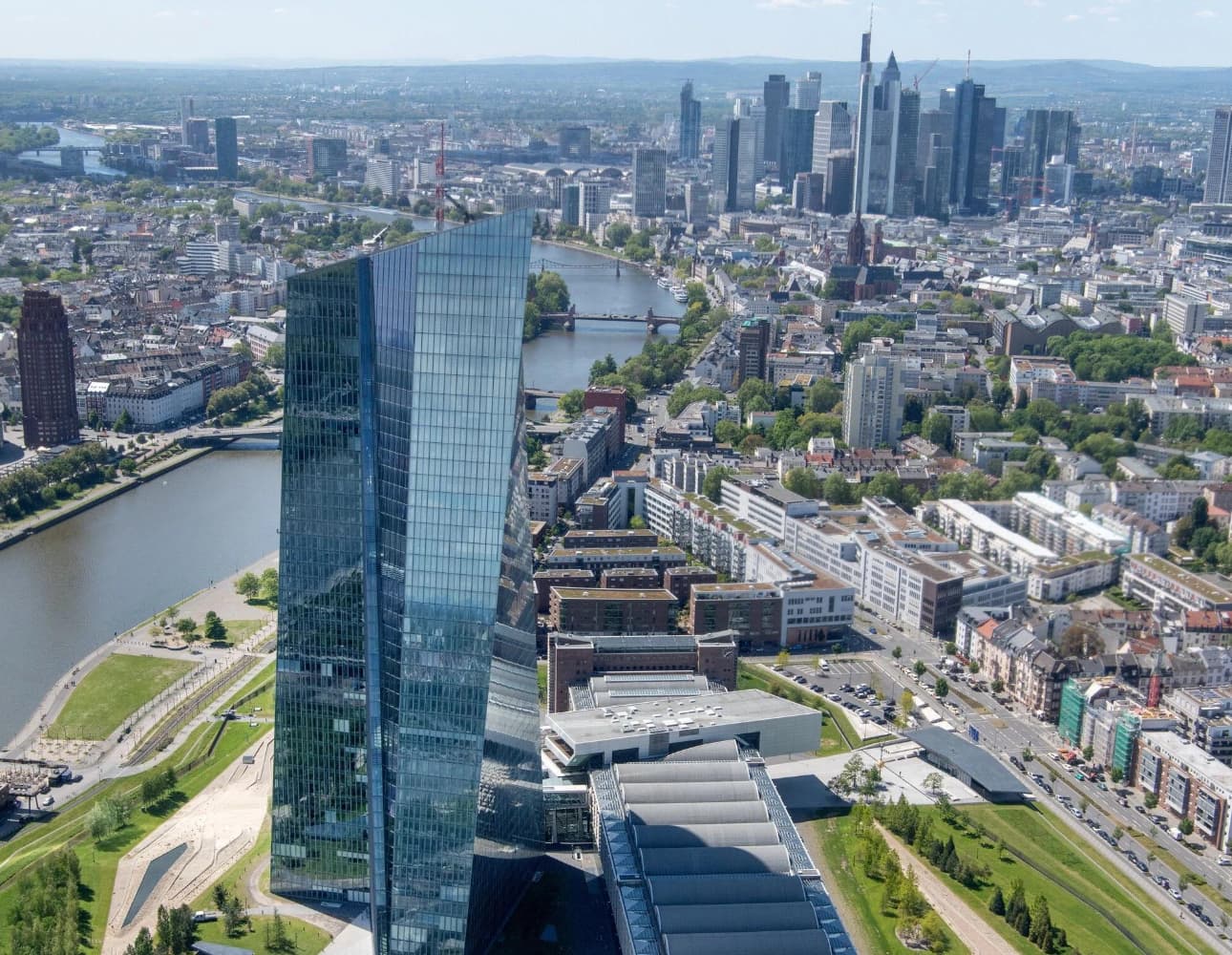
Global central banks are fracturing. ECB raised 25bps June 11, BoJ hit 1.0% in June. The Fed is frozen. Dollar and sovereign spreads are the trade.

The Fed holds at 3.50–3.75% with a 4-to-8 internal dissent and PCE inflation forecast revised to 3.6%. Thursday's CPI print is the week's true catalyst.
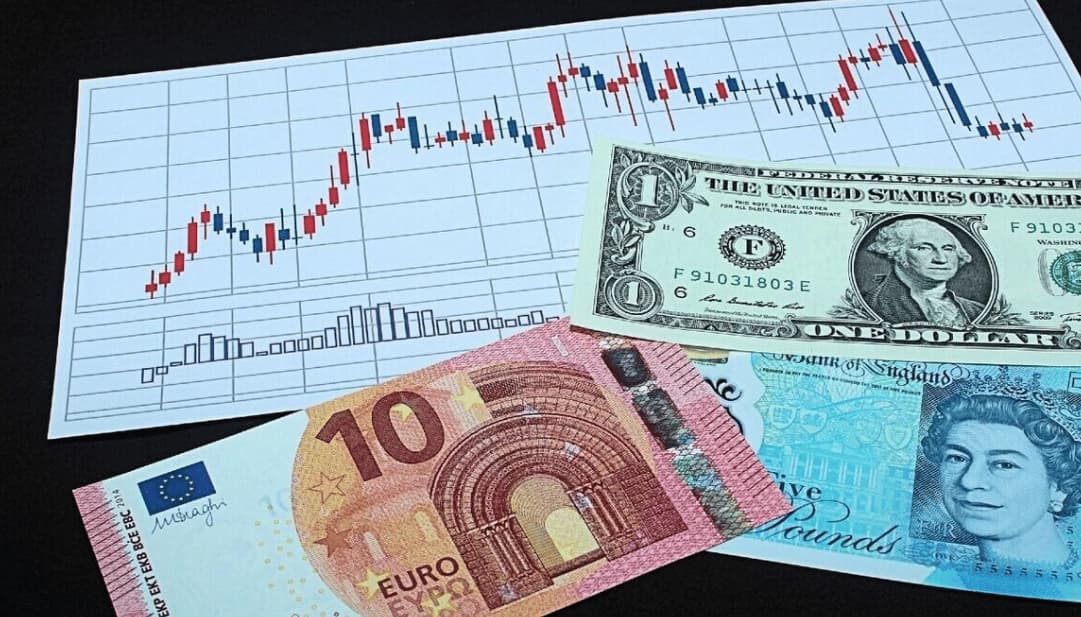
Bank of Japan Deputy Governor Himino confirms tightening bias after 25bps hike to 1.0%, the highest rate since 1995. What it means for USD/JPY traders.
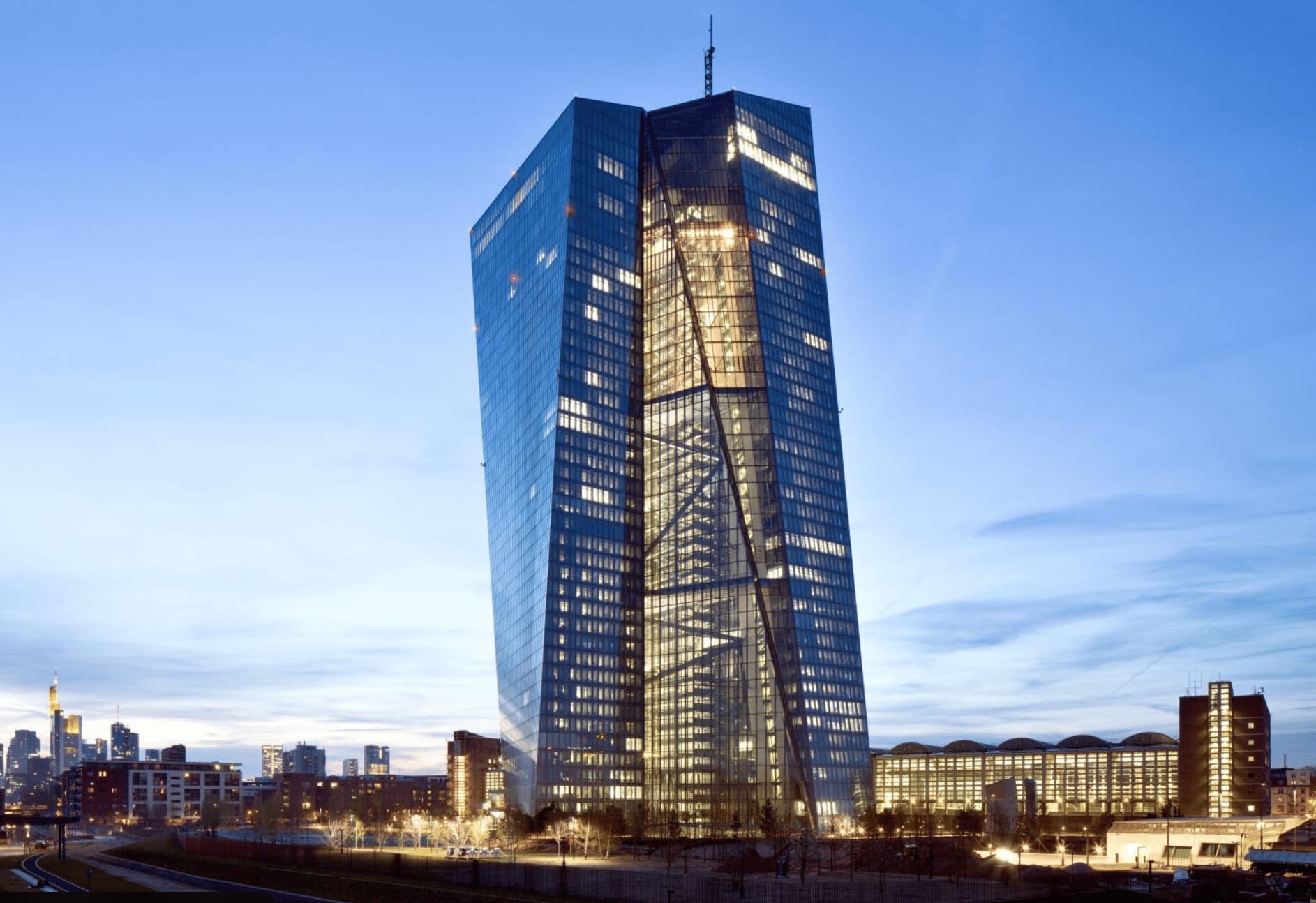
The ECB hiked 25 bps on June 11 and the BoJ hit 1.0% while the Fed holds. Global policy divergence is the macro trade of mid-2026. Key levels inside.
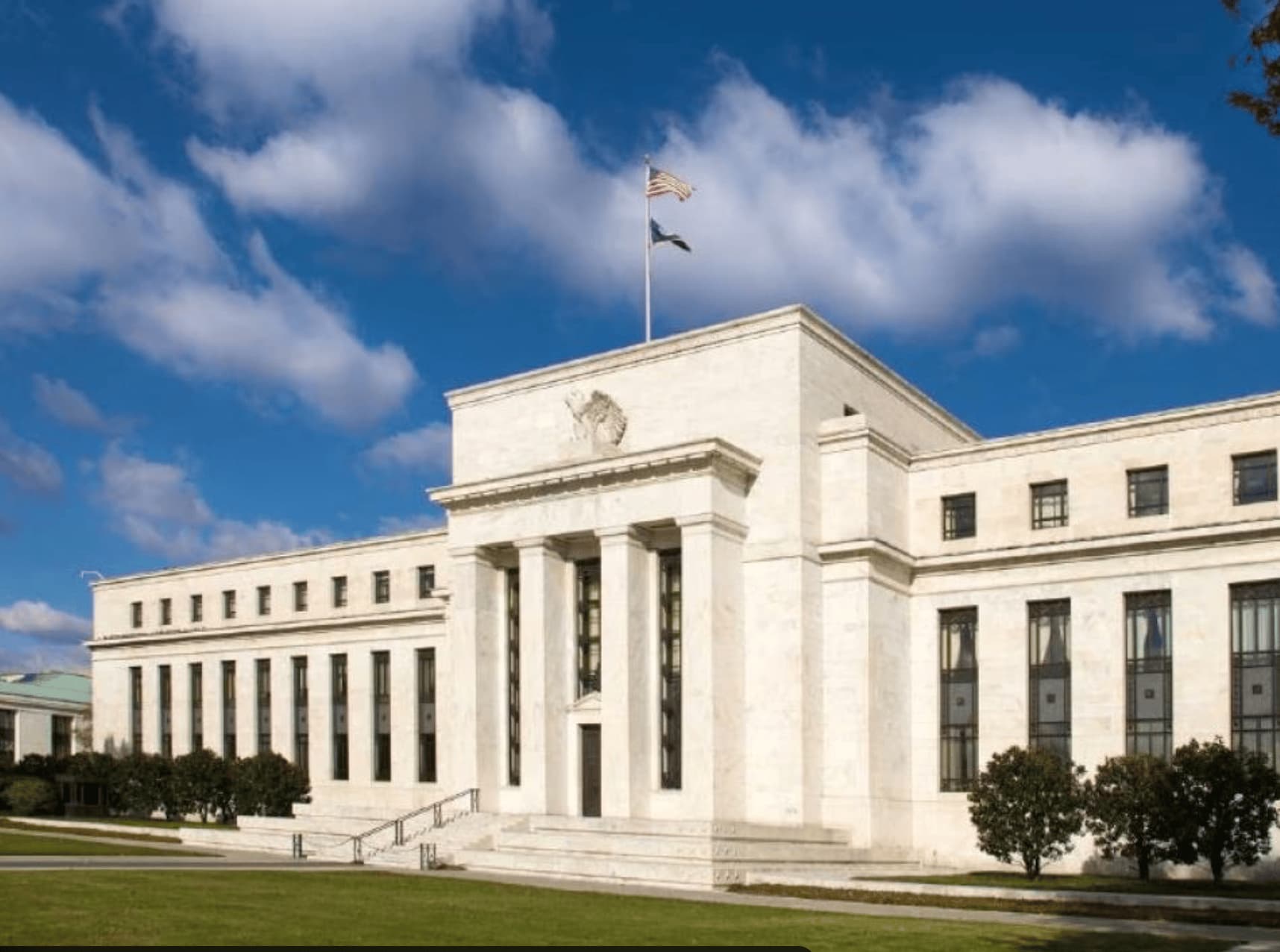
The Fed held rates steady at 3.50–3.75% as May CPI surged to 4.2% YoY. The dot plot now signals a possible 2026 hike. Here's what traders must watch.
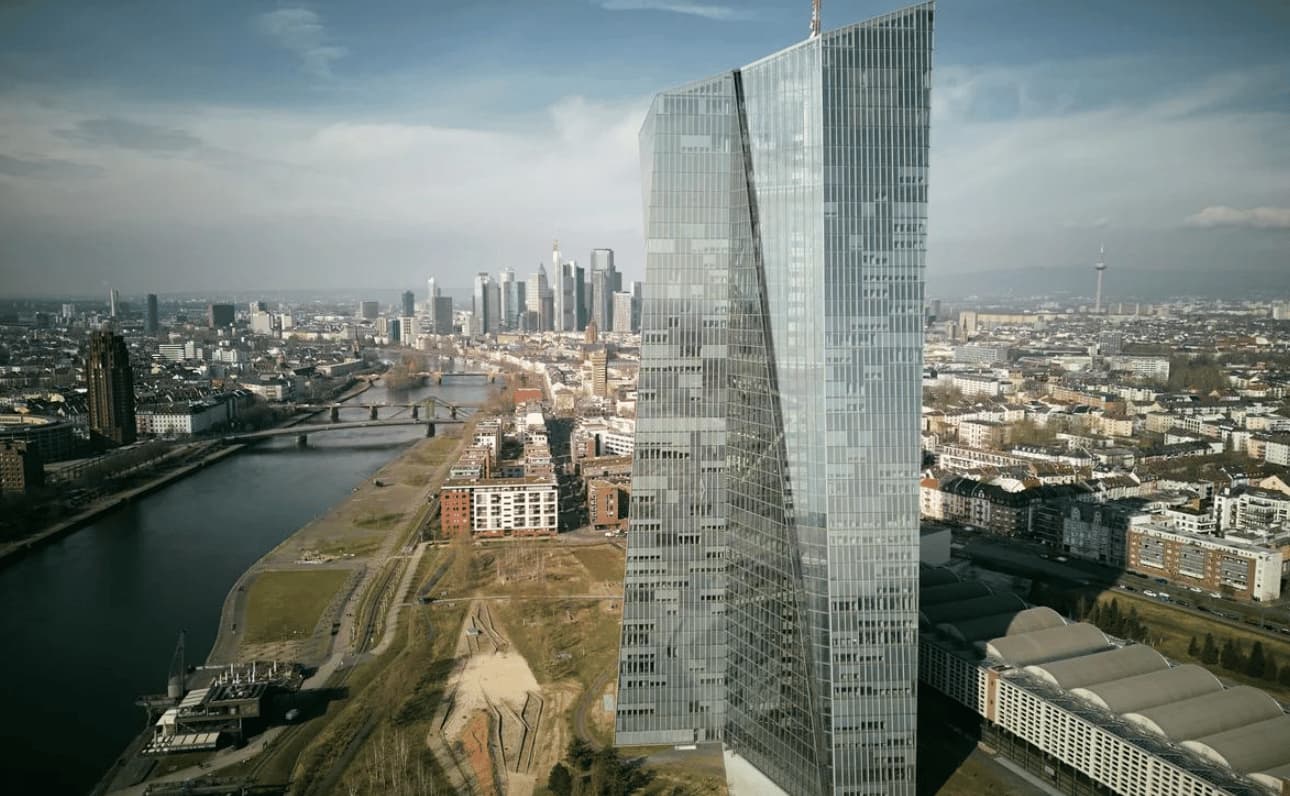
ECB raised 25bp June 11, BoJ hit 1.00% — while the Fed froze. The widest G5 central bank divergence since the 1990s is repricing FX, bonds, and energy.
Fed holds at 3.63% but signals a 25bp hike ahead. With PCE due Thursday and CPI at 4.2%, Warsh's first FOMC move reshapes 2026 rate expectations.
The ECB is hiking, the BoC can't cut, and the BoJ may tighten for currency reasons. Central bank divergence is the macro trade of 2026.
The June FOMC held rates at 3.50–3.75%, but 9 of 18 officials now project a hike in 2026. Here's what the hawkish dot-plot flip means for traders.

May retail sales surged 0.9% vs 0.5% expected, with broad-based gains across sectors. Consumer spending remains resilient despite 6.5% wholesale inflation.

The European Central Bank raised rates 25 basis points to 2.25%, its first hike since 2023, as eurozone inflation hit 3.2% driven by Middle East energy costs.
The European Central Bank raised rates 25 basis points to 2.25% on June 11, its first hike since 2023, as eurozone inflation hit 3.2% from the Iran energy shock.
US CPI inflation surged to 4.2% in May 2026, driven by a 23.5% energy price spike from the Iran conflict. The Fed faces its toughest policy bind in years.
Brent crude plunged over 4% to $83.75 after the U.S.-Iran deal to reopen the Strait of Hormuz. What falling oil means for inflation, the Fed, and global markets.
Five major central banks deliver rate decisions this week, with the BOJ hiking to 1%, the ECB raising rates, and the Fed holding. Here's what traders need to know.

University of Michigan consumer sentiment rose to 48.9 in June from May's record low 44.8. But inflation expectations remain elevated at 4.6%. Full analysis.
Kevin Warsh leads his first FOMC meeting June 16-17 with the US-Iran deal reshaping inflation expectations. What traders need to watch Wednesday.
New Fed Chair Kevin Warsh faces his first FOMC meeting June 16-17 with a divided committee, 4.2% inflation, and markets demanding clarity.
May CPI rose 4.2% year over year, the highest since April 2023, as gasoline prices jumped 40.5% annually. Core inflation held at 2.9%.
The ECB is expected to raise rates 25bps to 2.25% on June 11 as Fitch downgrades global sovereign outlook to "deteriorating" on Iran war fallout.
May CPI surged to 4.2%, the highest in three years, as energy costs drove 60% of the increase. Markets now price a 96% chance of a Fed hike by December.
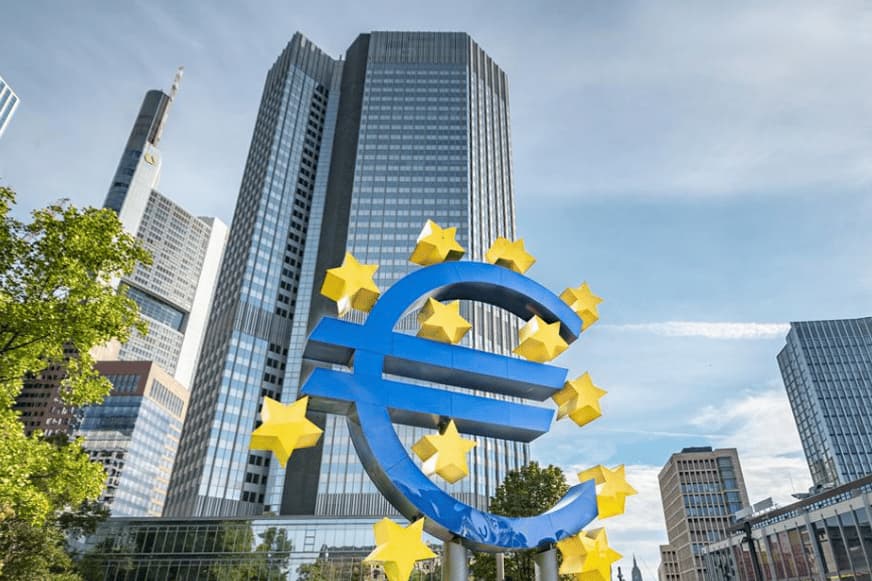
The ECB is expected to raise rates by 25 basis points on June 11, its first hike since 2024, as energy-driven inflation forces a hawkish pivot across global central banks.
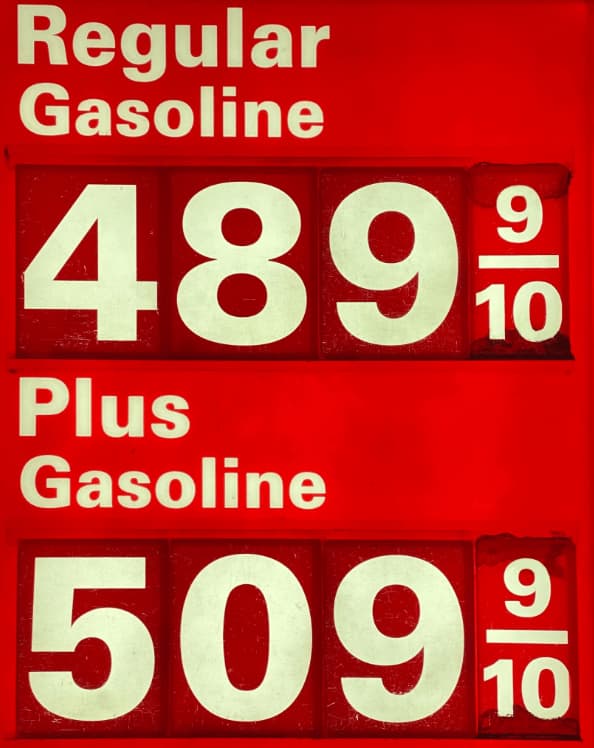
Economists forecast May CPI at 4.2% year over year, the highest since early 2024, as energy costs from the Hormuz crisis drive consumer prices sharply higher.

The European Central Bank is expected to raise rates by 25 basis points on June 11, reversing its easing cycle as the Iran oil shock pushes eurozone inflation to 3%.

Wednesday's May CPI report is expected to show inflation accelerating to 4.2% year-over-year as Strait of Hormuz disruptions push energy prices higher.
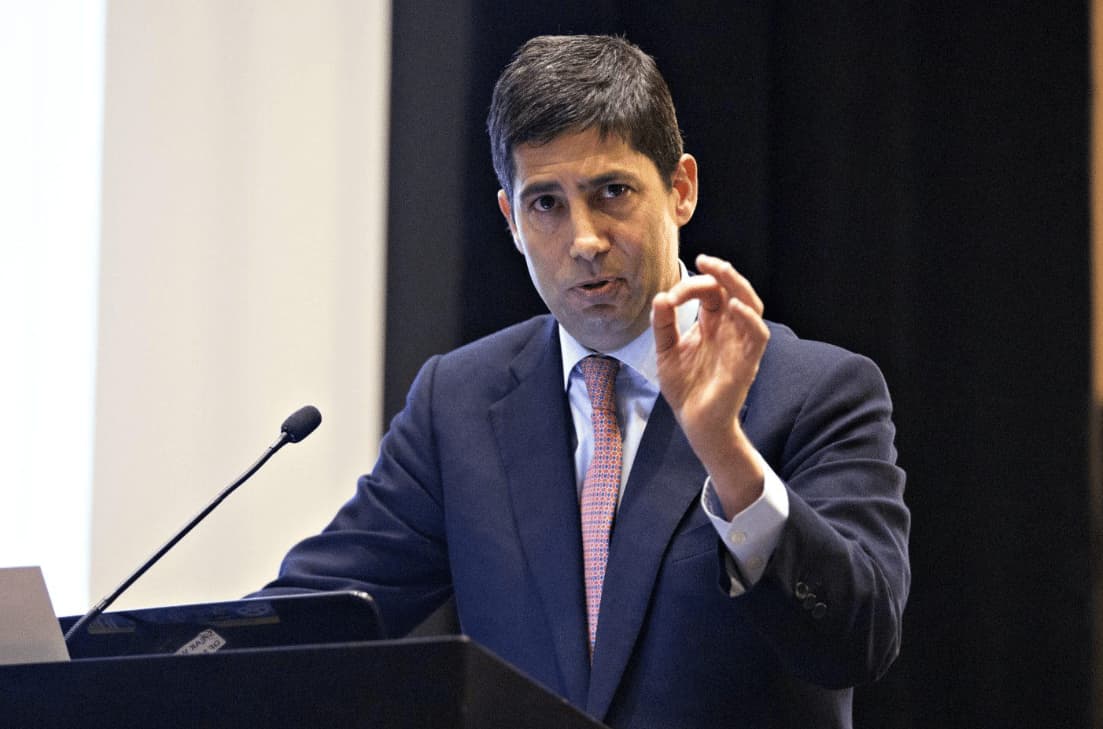
New Fed Chair Kevin Warsh approaches his first FOMC press conference June 17 with inflation at 3.8%, jobs growth at 172K, and rate hike odds near 60%. A hawkish pivot looms.

Wednesday's May CPI report is expected to show inflation accelerating to 4.2% year-over-year, driven by surging energy prices from the Iran war. Here's what traders should watch.

Brent crude trades near $95 as US-Iran peace talks stall over the Lebanon ceasefire dispute. The Strait of Hormuz remains closed, throttling 20% of global energy supply.

The May nonfarm payrolls report drops at 8:30 a.m. ET Friday with economists expecting 85,000 jobs added. The data arrives ahead of Kevin Warsh's first FOMC meeting.
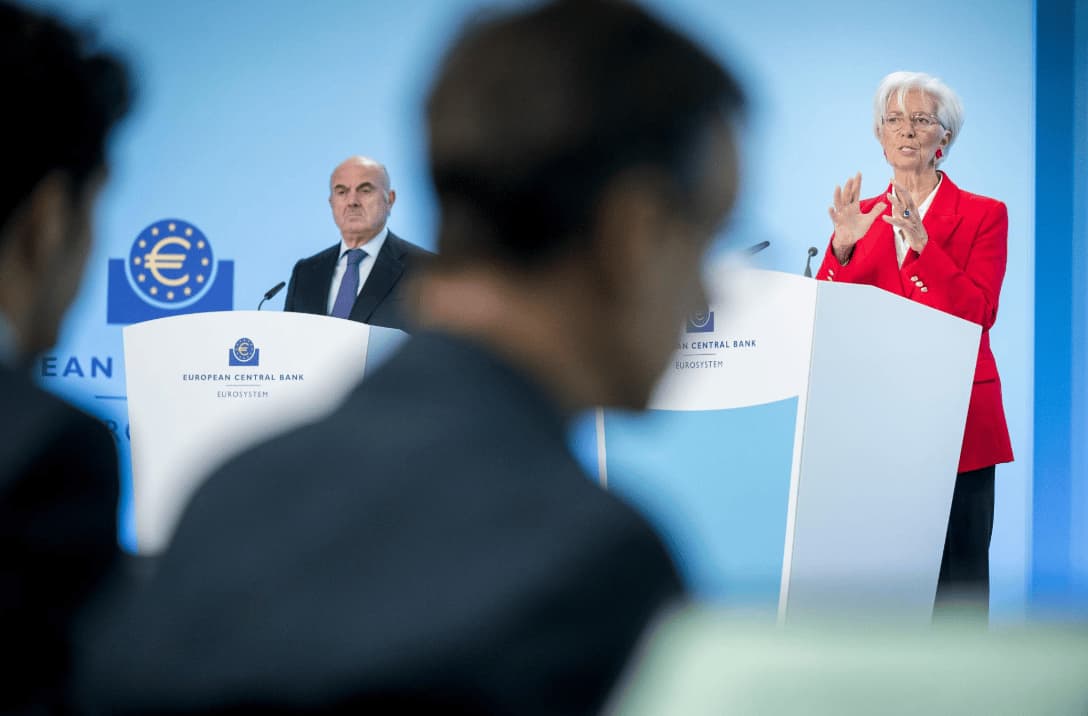
ECB set to raise rates on June 11 as eurozone inflation hits 3% and Iran war pushes oil prices higher. What the first hike since 2023 means for markets.
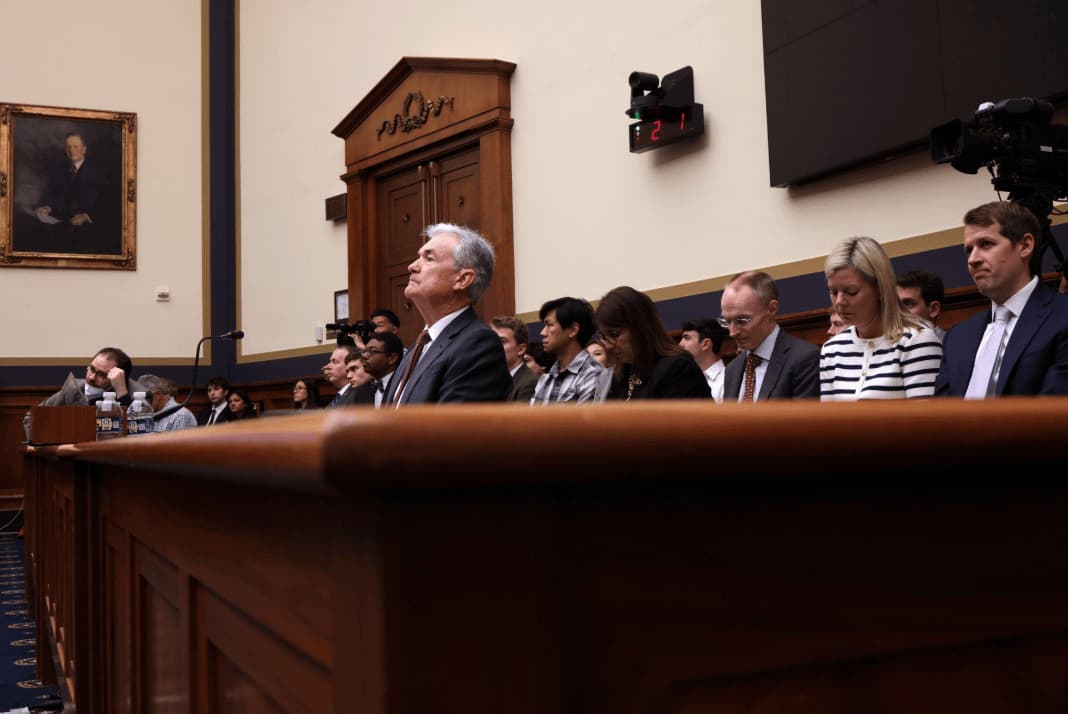
ADP reports 122,000 private jobs added in May, the strongest since January 2025, pushing Fed rate-hike odds to 85%. What Friday's payrolls mean next.
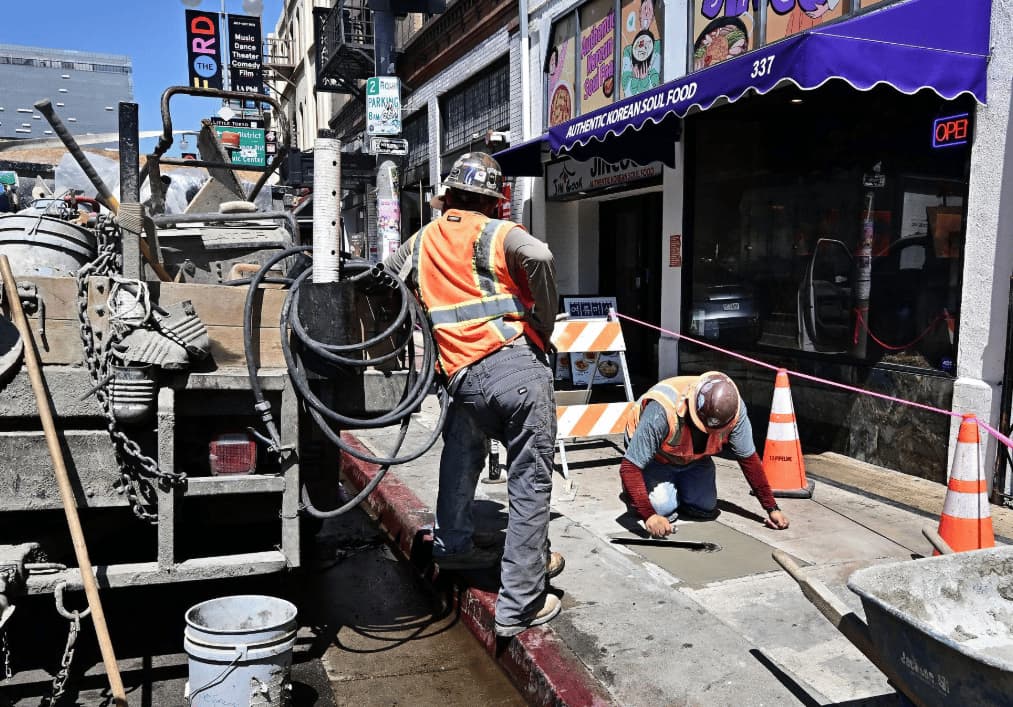
May nonfarm payrolls drop Friday with April's 115K surprise still fresh. What the jobs data means for Fed policy and recession odds.
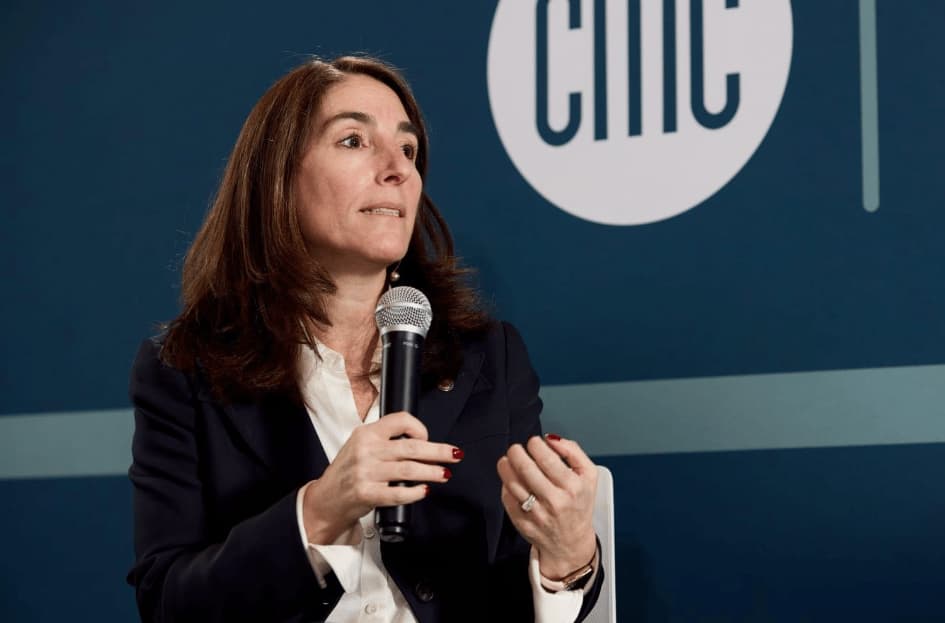
Cleveland Fed President Beth Hammack says rate hikes are possible if inflation trends persist. CPI at 3.8% is the highest since May 2023.
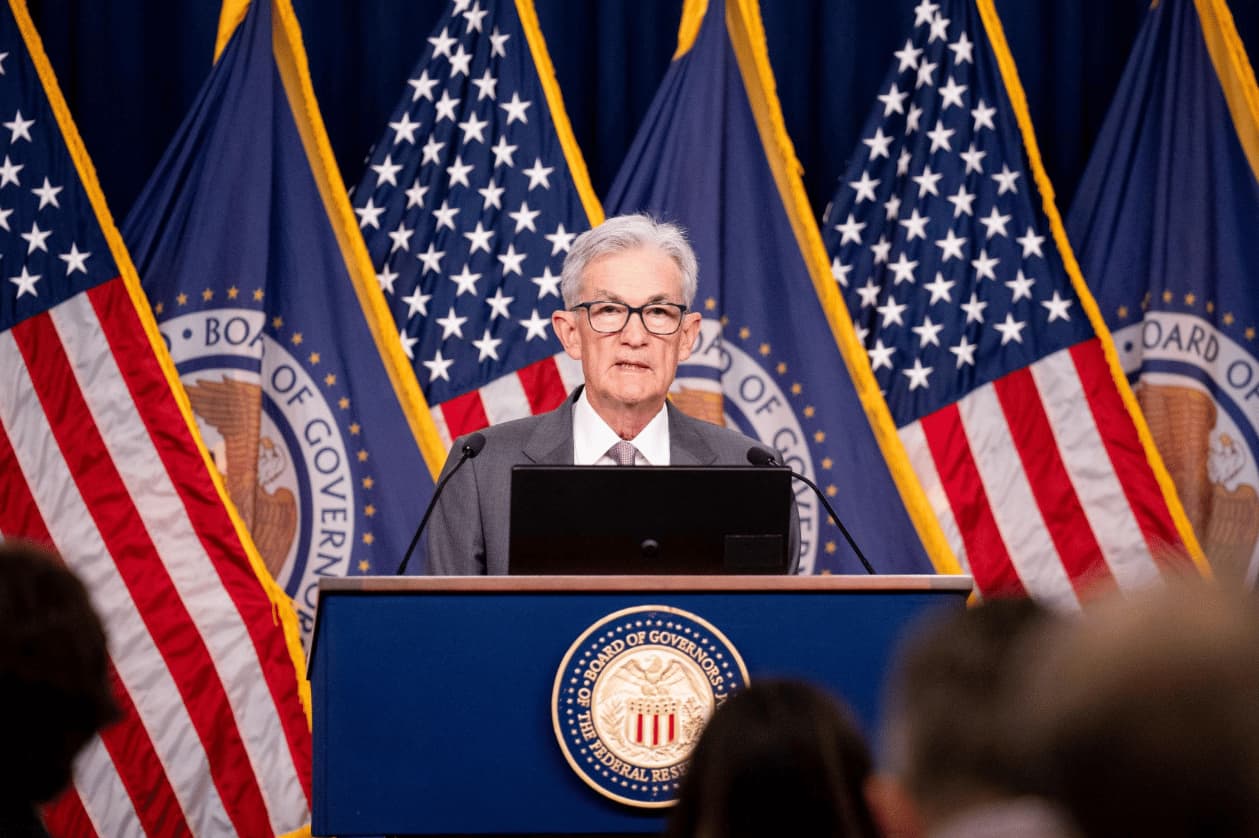
The Fed holds at 3.5%-3.75% as ISM hits a four-year high and oil tops $95. With 75% odds of no change through 2026, here's what the rate path looks like now.

ISM Manufacturing PMI surged to 54 in May, the highest in four years. New orders jumped to 56.8. What the factory boom means for Fed policy and inflation.

Chicago PMI jumped 13.5 points to a four-year high of 62.7 in May 2026, smashing consensus and signaling a potential U.S. manufacturing rebound.
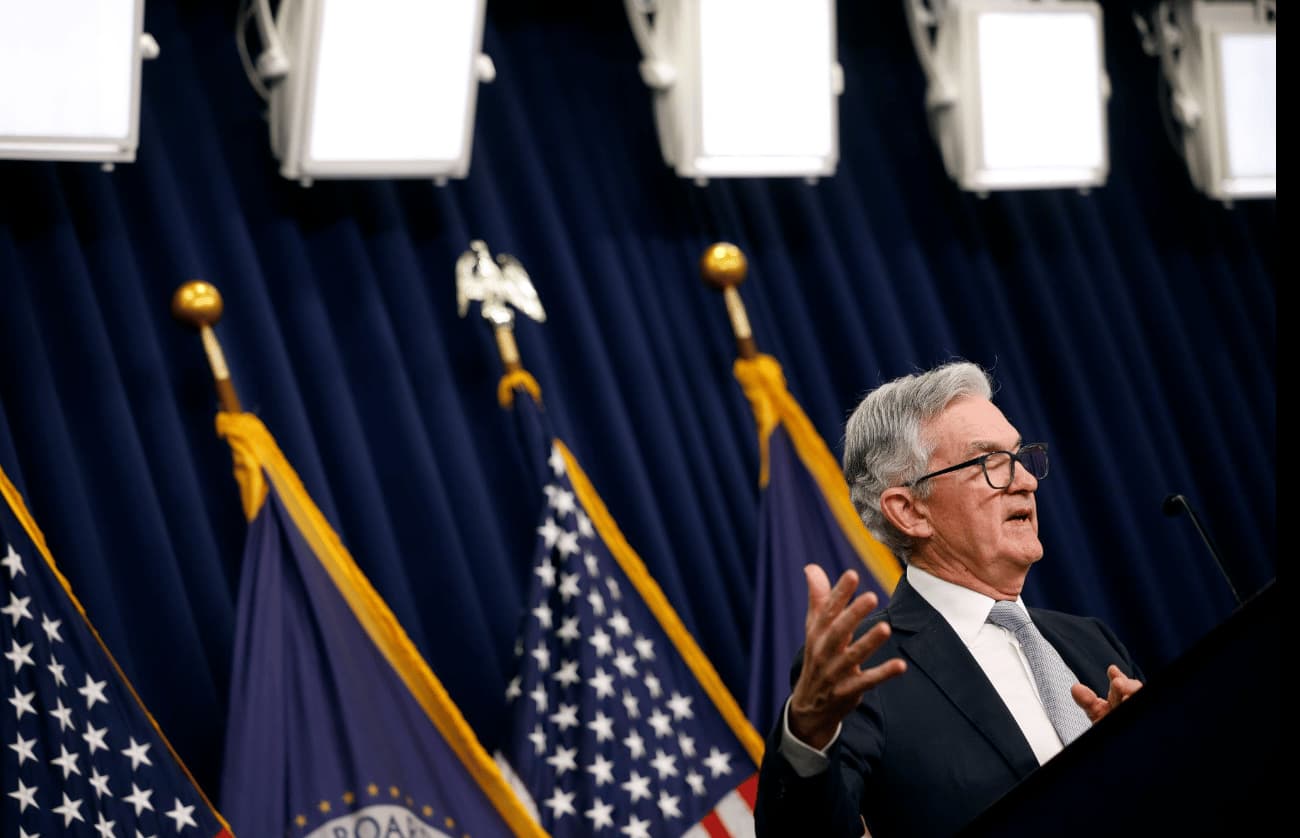
April PCE inflation rose to 3.8% year-over-year, the highest since May 2023, as markets begin pricing a possible Fed rate hike by December 2026.
The BEA revised Q1 2026 GDP growth to 1.6% from 2.0%, citing weaker consumer spending and investment. What the slowdown means for markets and the Fed.
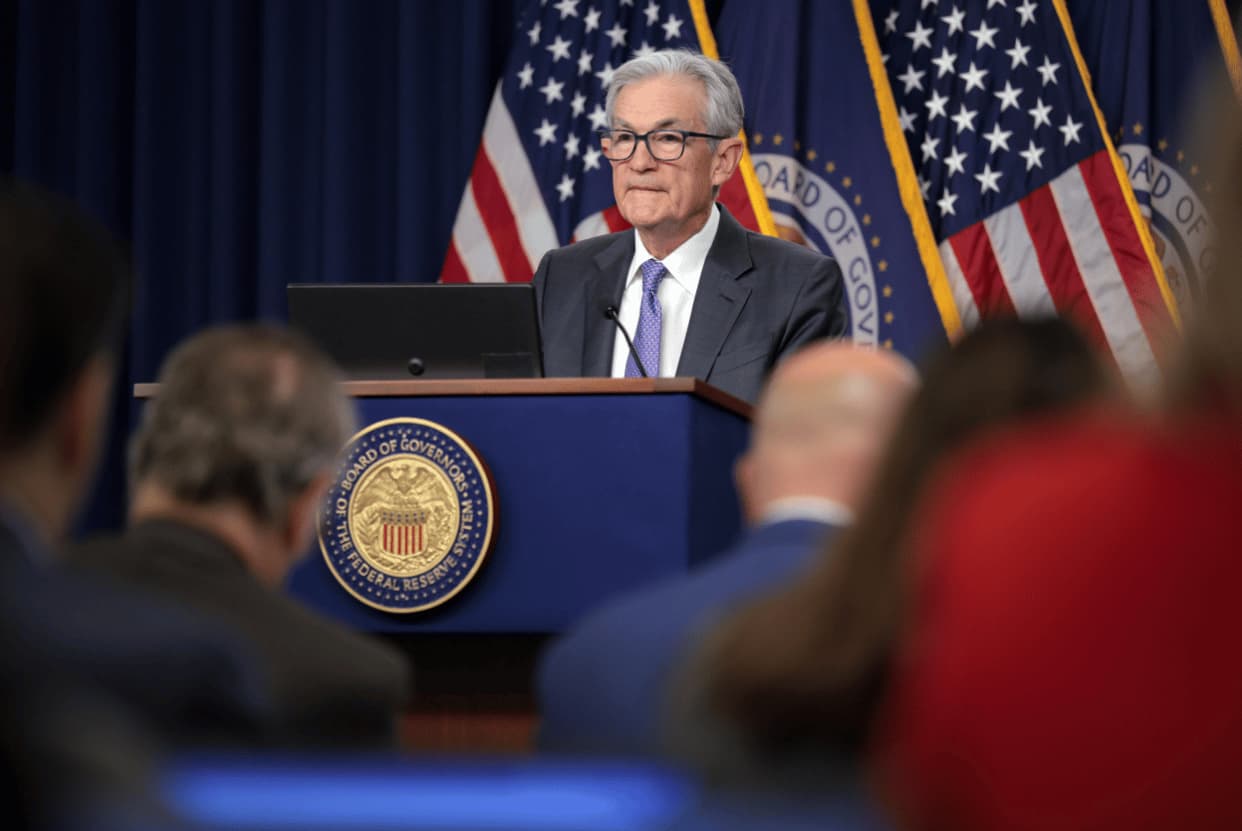
April PCE inflation surged to 3.8% year-over-year, the highest since May 2023. Core PCE rose to 3.3%. Here's why the Fed can't cut or hike.

ECB expected to raise rates in June after eurozone inflation surged to 3% in April on energy costs. Bloomberg survey sees two quarter-point hikes in 2026.
April PCE inflation forecast at 3.8% year-over-year, well above the Fed's 2% target. Core PCE expected at 3.3% as energy shock pressures persist.
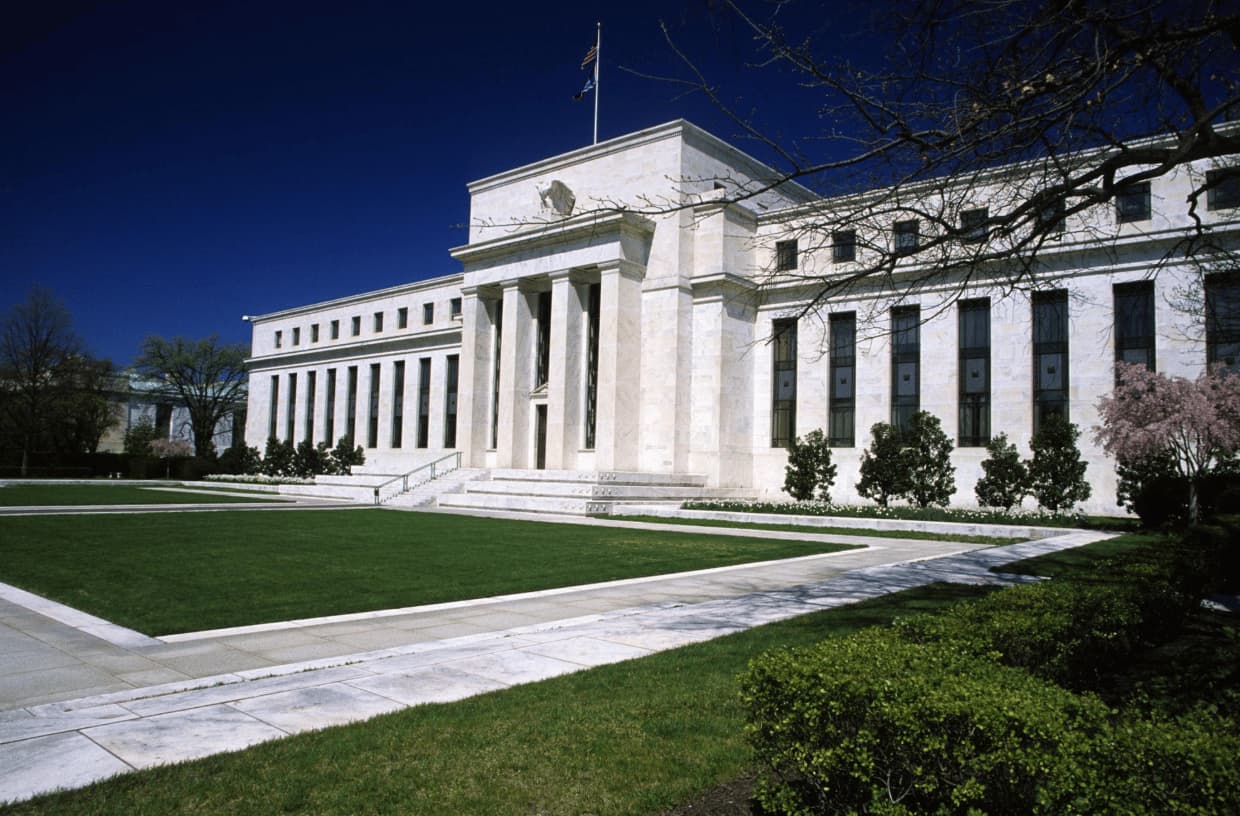
New Fed Chair Kevin Warsh faces his first FOMC meeting in June with inflation at 3%, oil near $100, and markets pricing rate hikes. What comes next for rates.
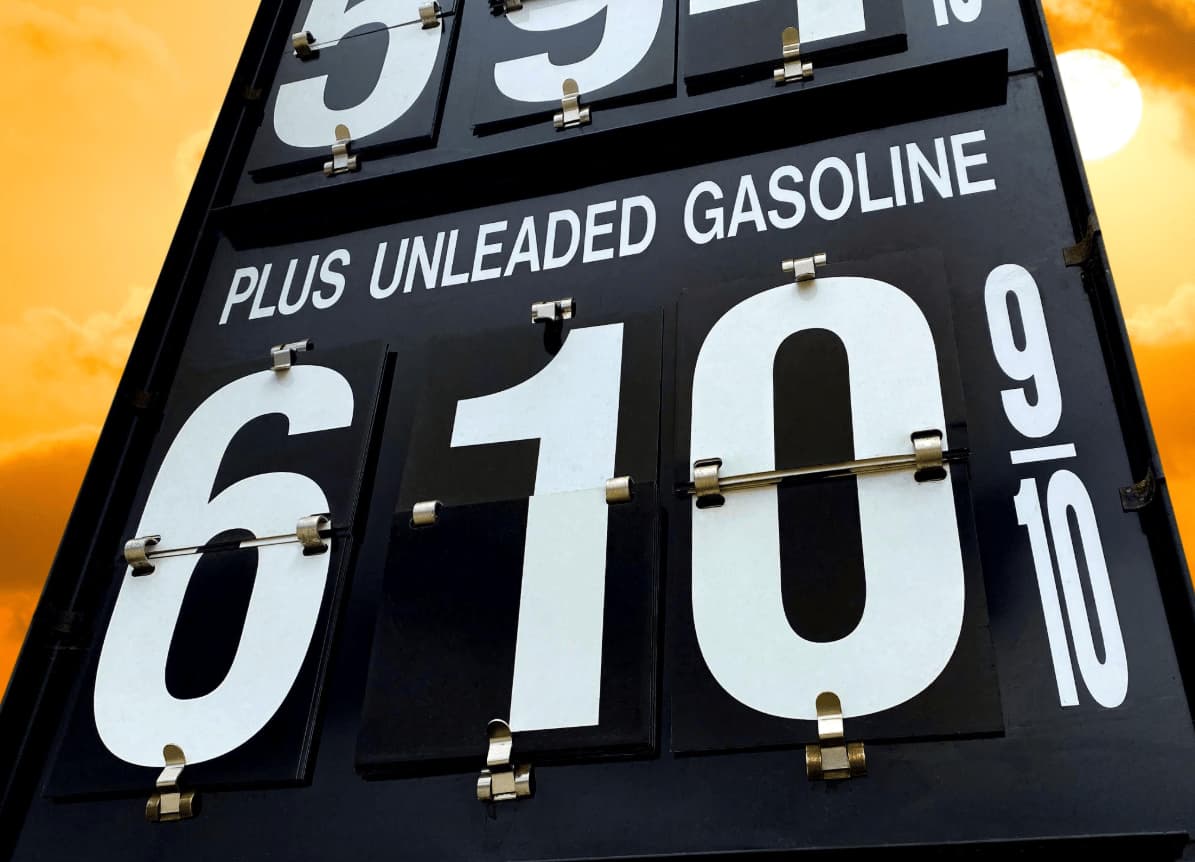
Conference Board consumer confidence fell to 93.1 in May as two-thirds of consumers cut spending due to rising prices from the Iran conflict. Full breakdown inside.

University of Michigan consumer sentiment plunged to 44.8 in May, a record low, as inflation expectations hit 4.8%. What it means for spending and markets.
Kevin Warsh was sworn in as Fed chair after the most divisive confirmation in Fed history. Inflation at 4.8%, oil chaos, and zero rate cuts expected in 2026.
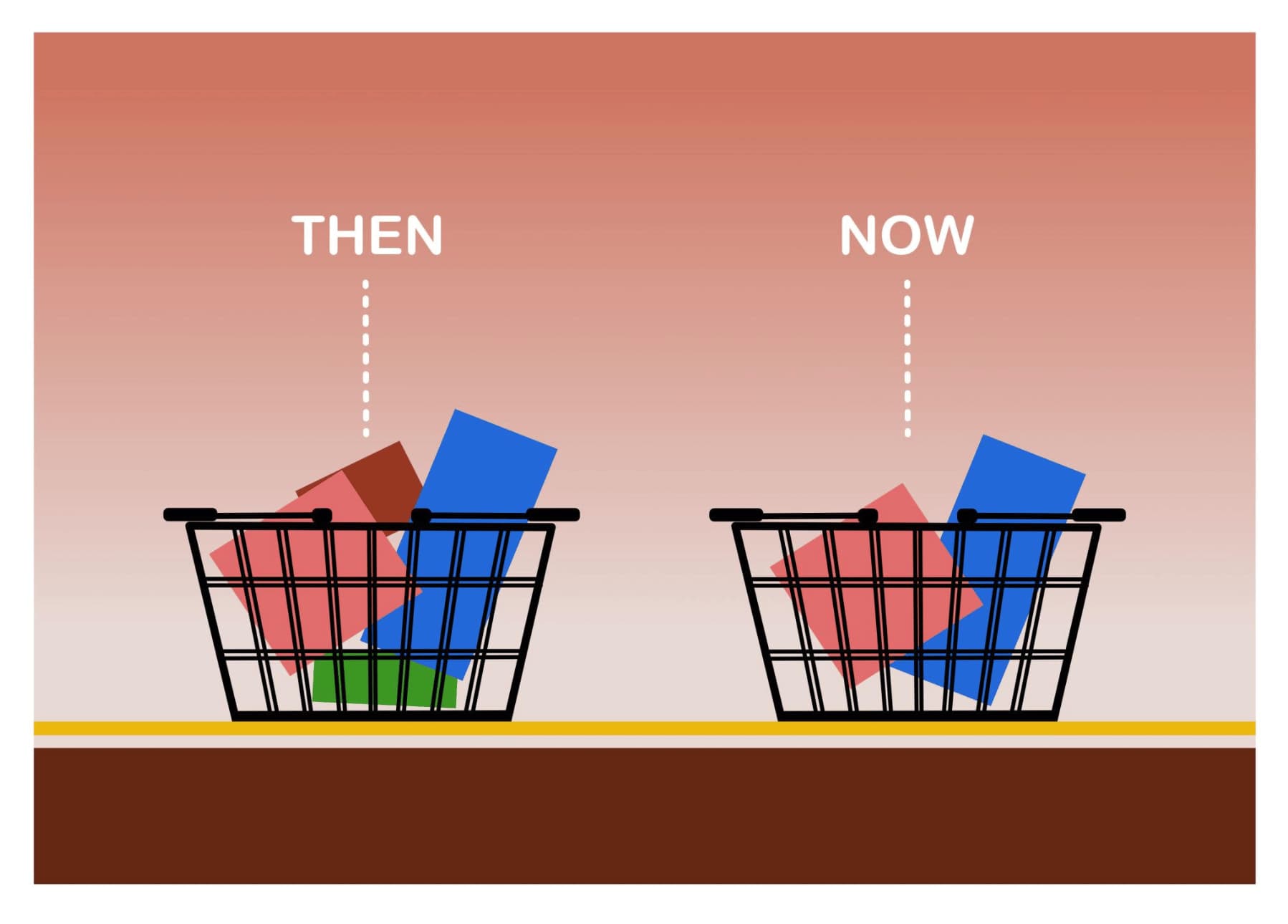
The University of Michigan's final May consumer sentiment lands Friday after a preliminary 48.2 print set the lowest reading since the survey began in 1952.
New Fed Chair Kevin Warsh takes office with inflation above 2% for over five years, complicating any path to rate cuts demanded by the White House.
The 30-year Treasury yield surges to 5.2%, an 18-year high, as inflation fears and the Hormuz crisis push long-duration rates to levels not seen since 2008.
Kevin Warsh takes over as Fed chair with four FOMC dissents, 3.5% inflation, and bond vigilantes testing him. His first meeting is June 16.
Active ETFs captured 38% of all ETF flows in 2026 with $50 billion in April alone. Mutual fund conversions and bond demand are driving the structural shift.
April CPI surged to 3.8%, a three-year high, as energy prices jumped 17.9% annually. The Fed's rate path is being rewritten in real time.
Kevin Warsh takes over as Fed chair with oil above $100, core PCE at 3%, and markets pricing a 40% chance of a rate hike. His first FOMC meeting is June 16-17.
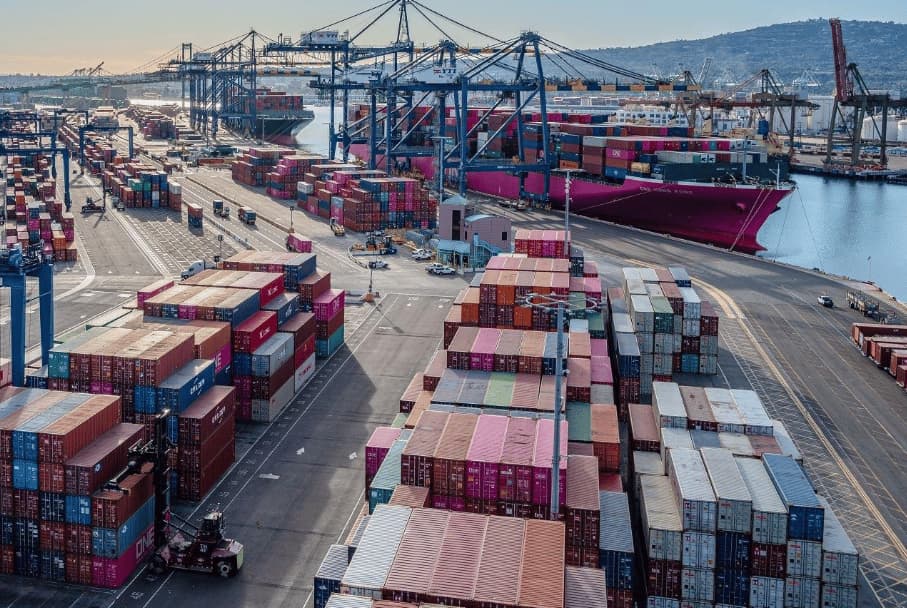
The IMF cut its 2026 global growth forecast to 3.1% and raised inflation to 4.4% as the Strait of Hormuz closure removes 10.5M barrels per day from oil markets.

April CPI hit 3.8% year-over-year with energy up 17.9%. Gas prices at $4.50 a gallon are reshaping consumer spending as Walmart and Target report this week.
Kevin Warsh takes the Fed chair as inflation hits 3.8% and oil tops $100. The new chair inherits the tightest policy corner since the 1970s stagflation era.
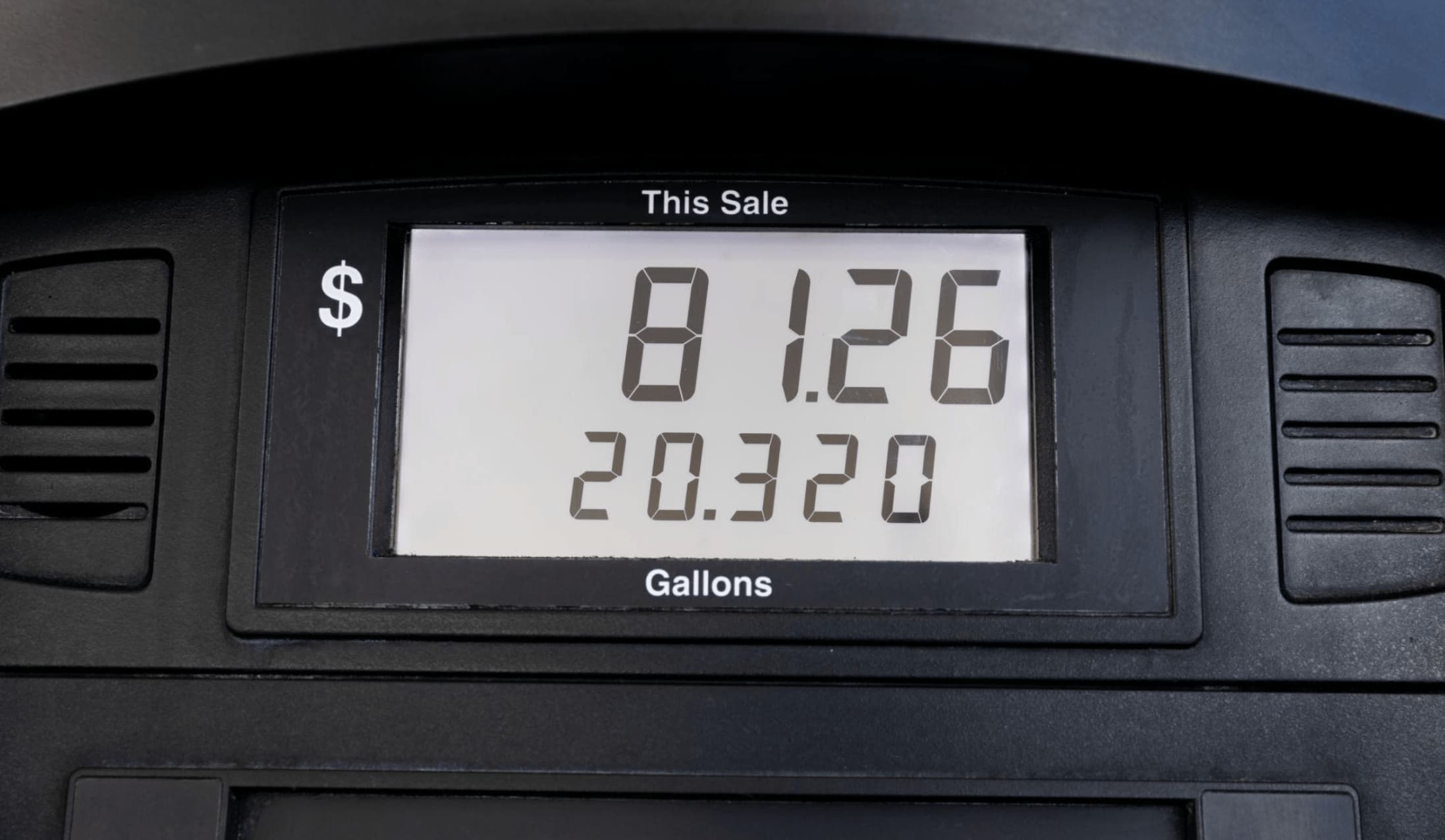
University of Michigan consumer sentiment fell to 48.2 in May 2026, the lowest reading since 1952, as surging gas prices and inflation erode household confidence.
Kevin Warsh officially becomes Federal Reserve chair on May 15 with CPI at 3.8% and PPI at 6%, facing the toughest inflation backdrop since 2023.

Brent crude topped $107.77 and WTI settled at $102.18 as the Iran ceasefire frays, with the IEA warning of a 3.9 million bpd supply hit.
April PPI rose 1.4% on the month and 6.0% year-on-year, the hottest reading since 2022, ending the Fed's rate-cut narrative.
The Senate confirmed Kevin Warsh to the Fed Board 51-45, clearing his path to Chair before Powell's term expires Friday. A rate-cut champion inherits 3.8% inflation.
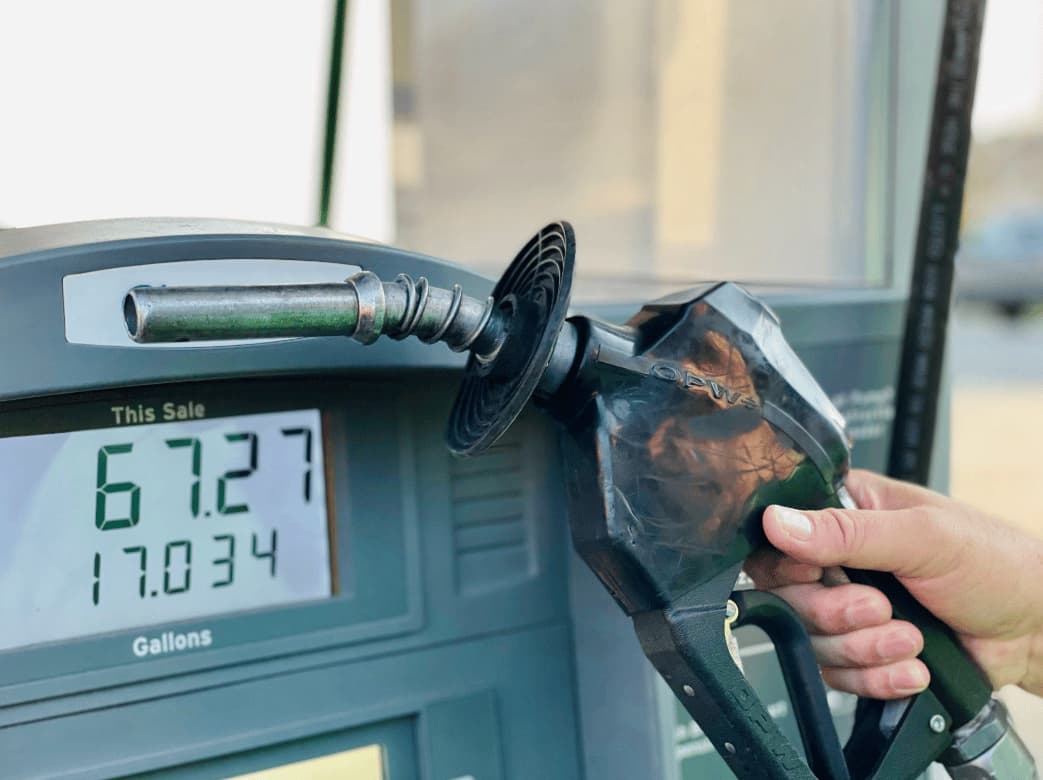
April CPI surged to 3.8% year-over-year, driven by a 28.4% jump in gasoline prices, effectively ending expectations for Fed rate cuts in 2026.
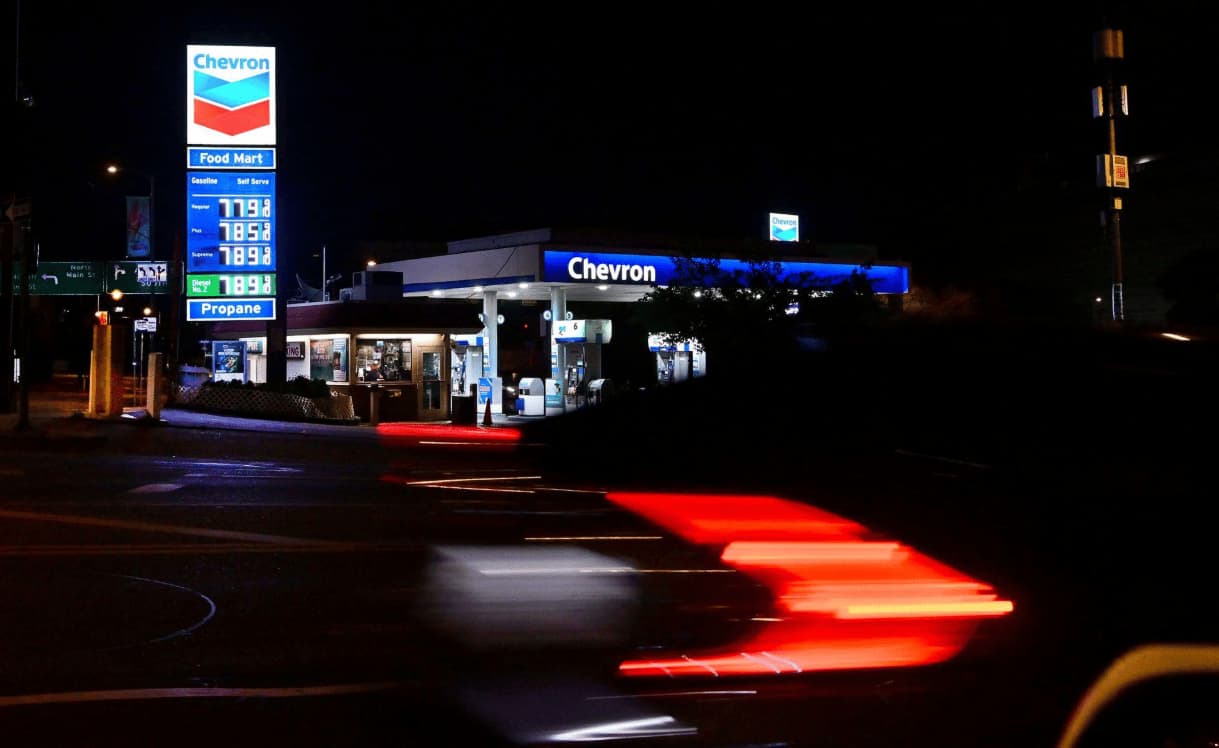
Economists forecast April CPI at 3.7% year-over-year, up from 3.3% in March. Energy costs drive the acceleration as the Hormuz crisis hits inflation data.
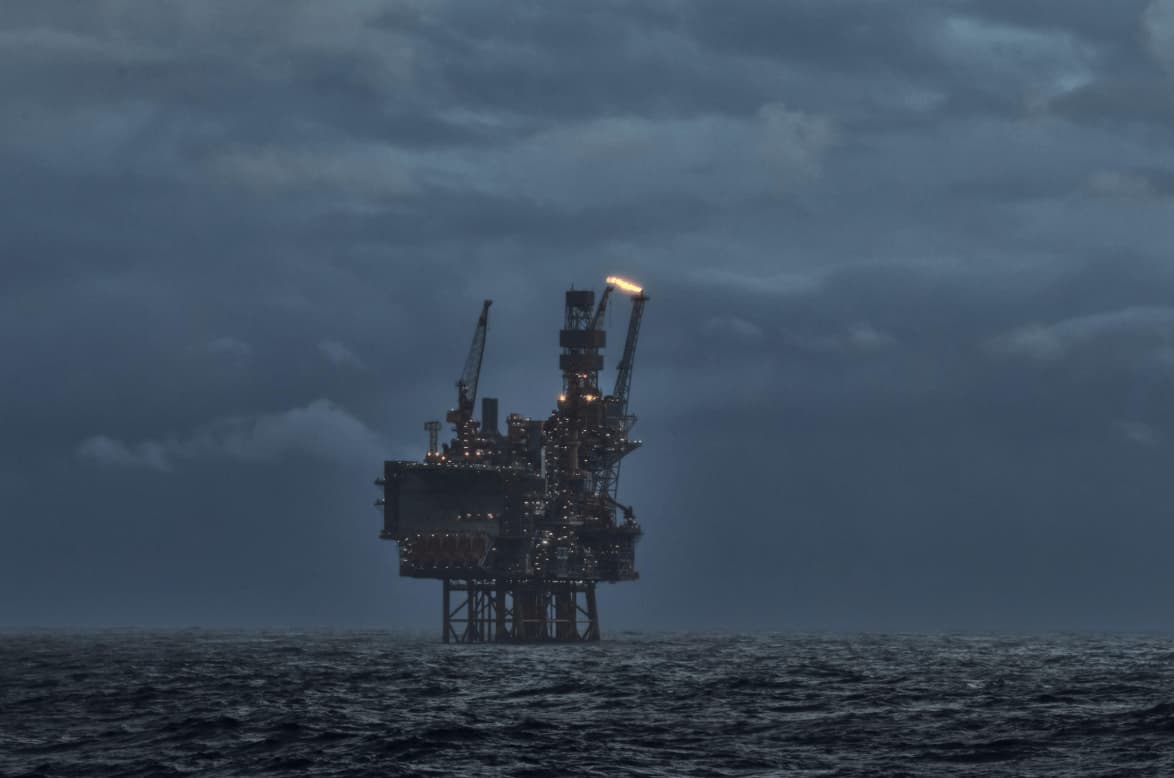
Brent crude surging past $103 on collapsed Iran peace talks is pushing PCE inflation toward 4.5%, recreating a stagflationary trap not seen since the 1970s.
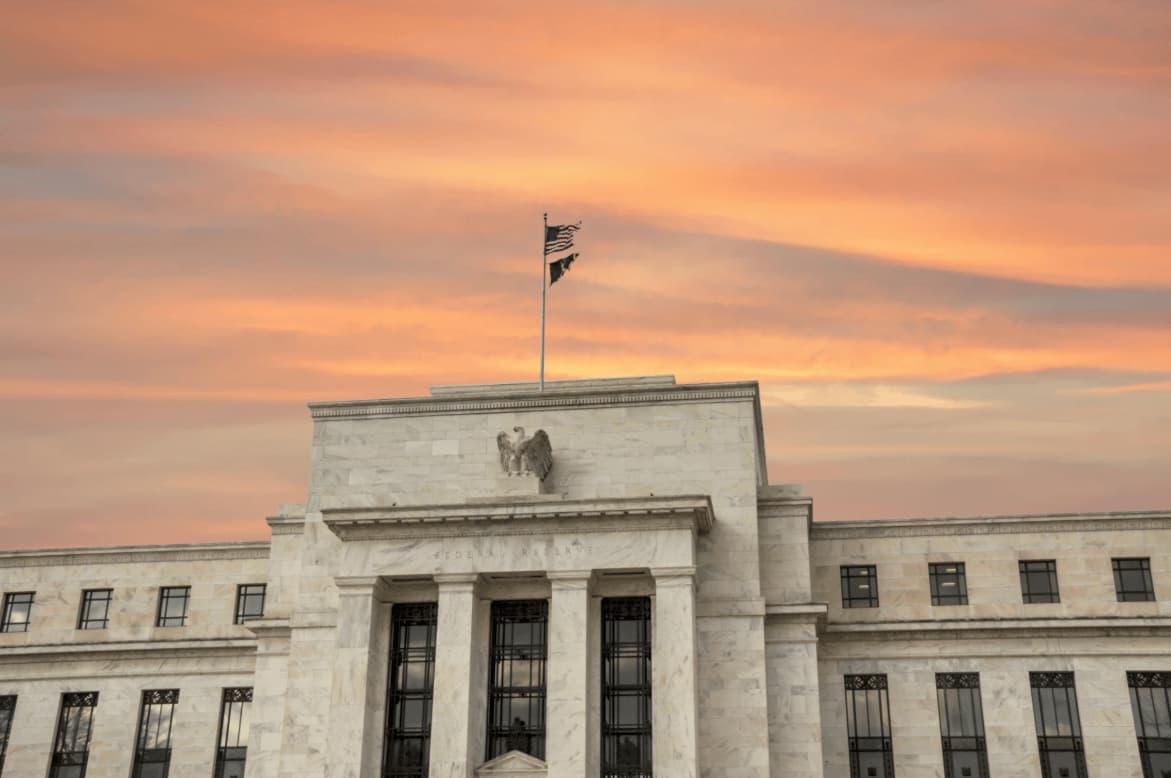
The Senate is expected to confirm Kevin Warsh as Fed Chair today, ending the Powell era and opening a new chapter for monetary policy amid 3.5% inflation.
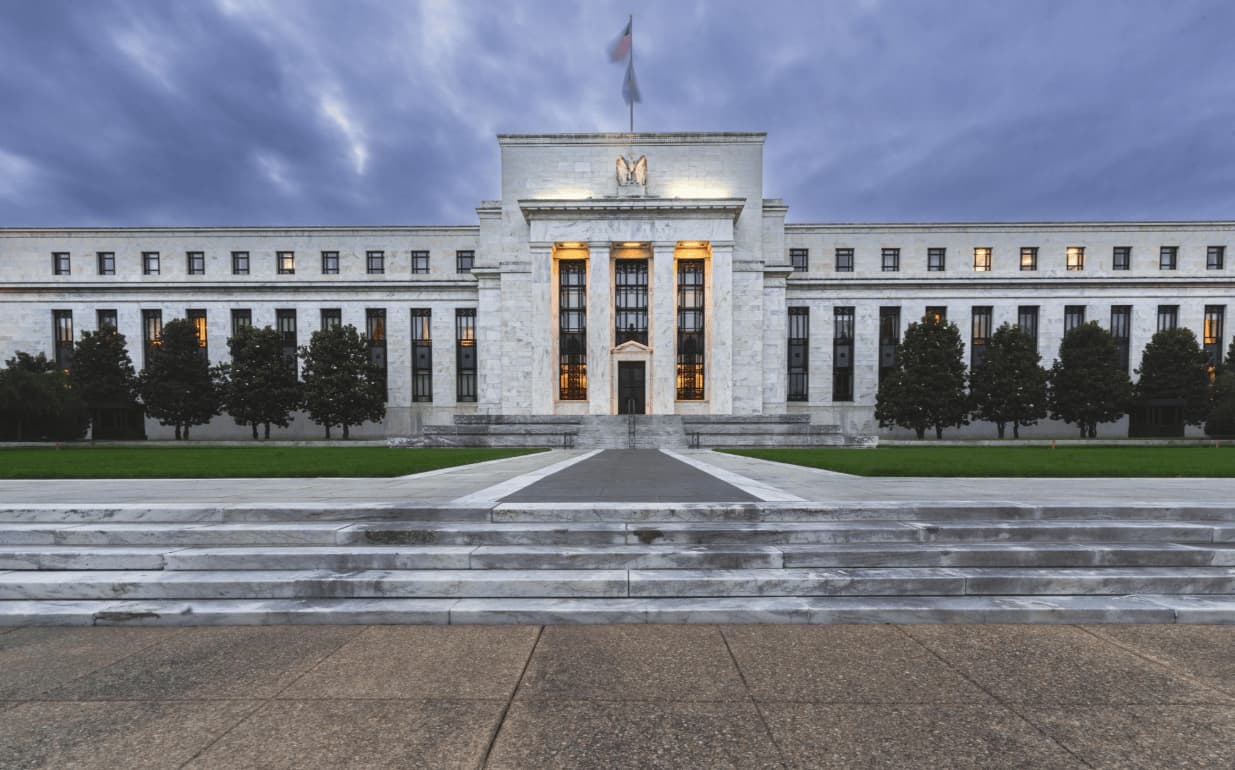
Kevin Warsh is set to become Fed Chair on May 15 after a party-line Senate vote. Here's what his leadership means for interest rates and markets.
April nonfarm payrolls expected at 55K-70K, a sharp slowdown from March. The report drops one week before the Fed's historic leadership change.

The 30-year Treasury yield hit 5.02% before easing to 4.99% as oil-driven inflation fears clash with peace deal optimism. Here's what it means for rates.

April nonfarm payrolls forecast at 70K after March's 178K surprise. A hot or cold number could reshape Fed rate expectations ahead of the June FOMC meeting.
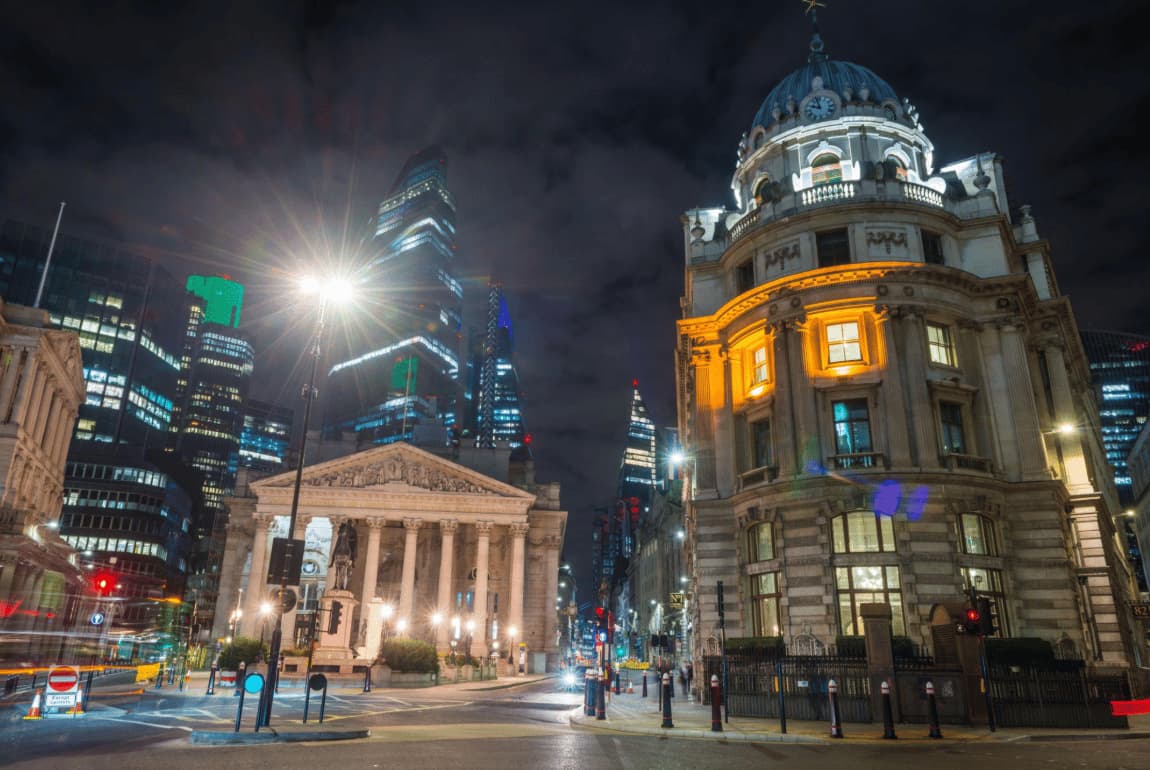
Bank of England holds rates at 3.75% and signals possible hike as Middle East oil shock pushes UK inflation forecast above 3%, stunning rate-cut bets.

Trump pauses Operation Project Freedom in the Strait of Hormuz, signaling progress on Iran peace deal while maintaining blockade of Iranian ports.
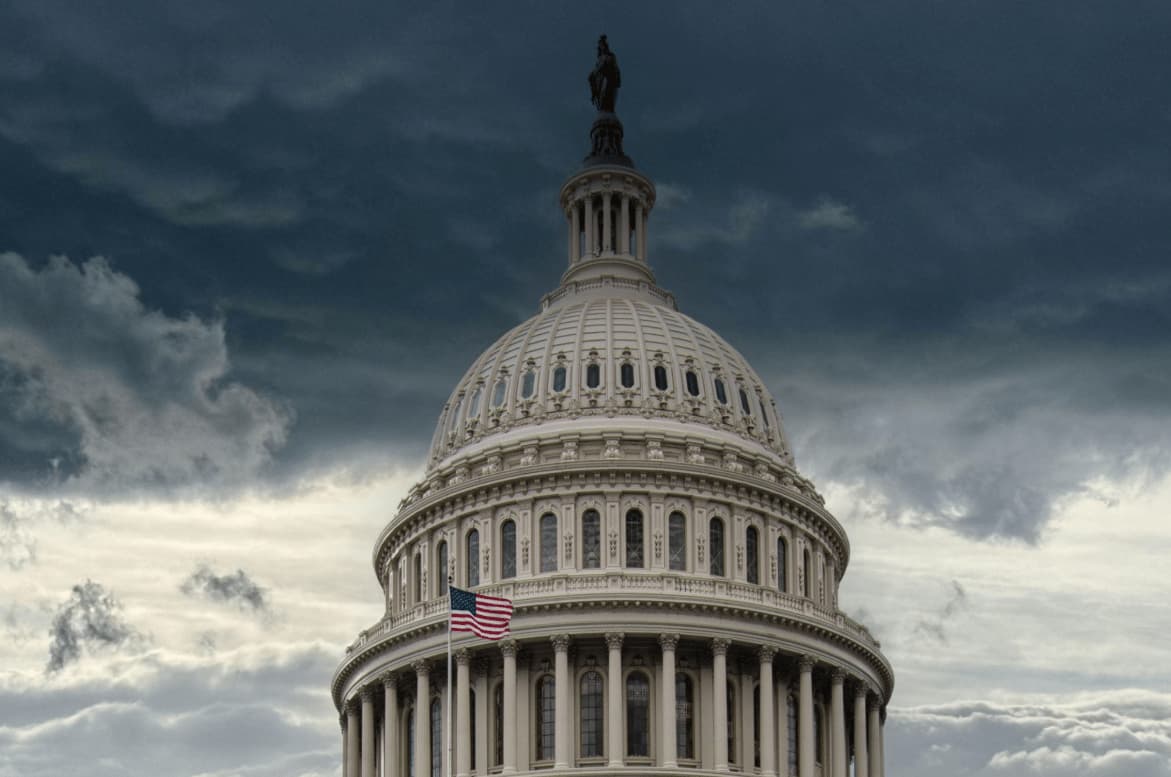
Kevin Warsh advances toward Fed chair confirmation as Powell confirms exit May 15. Markets face a leadership transition at the worst possible time.
Brent crude at $114 and the Strait of Hormuz still closed put the Fed's 2026 rate cut forecast at risk. How the oil shock complicates the inflation fight.
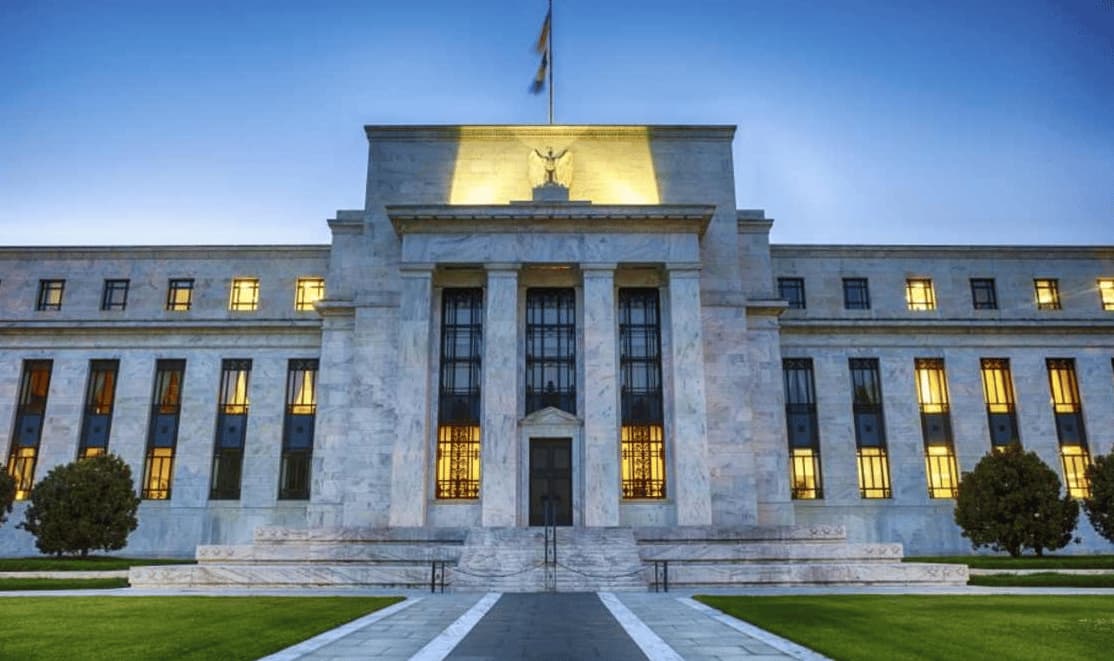
Jerome Powell hands the Fed gavel to Kevin Warsh on May 15 with four dissents from last week's FOMC, the deepest split since 1992. What Warsh changes first.

First-quarter US GDP expanded just 2.0% as the PCE price index hit 4.5%, the worst stagflation print since the early 1980s and a direct hit to Fed policy.

Brent crude near $114 after touching $126, the largest oil supply disruption on record, threatens the soft landing as the April ISM print arrives Friday.
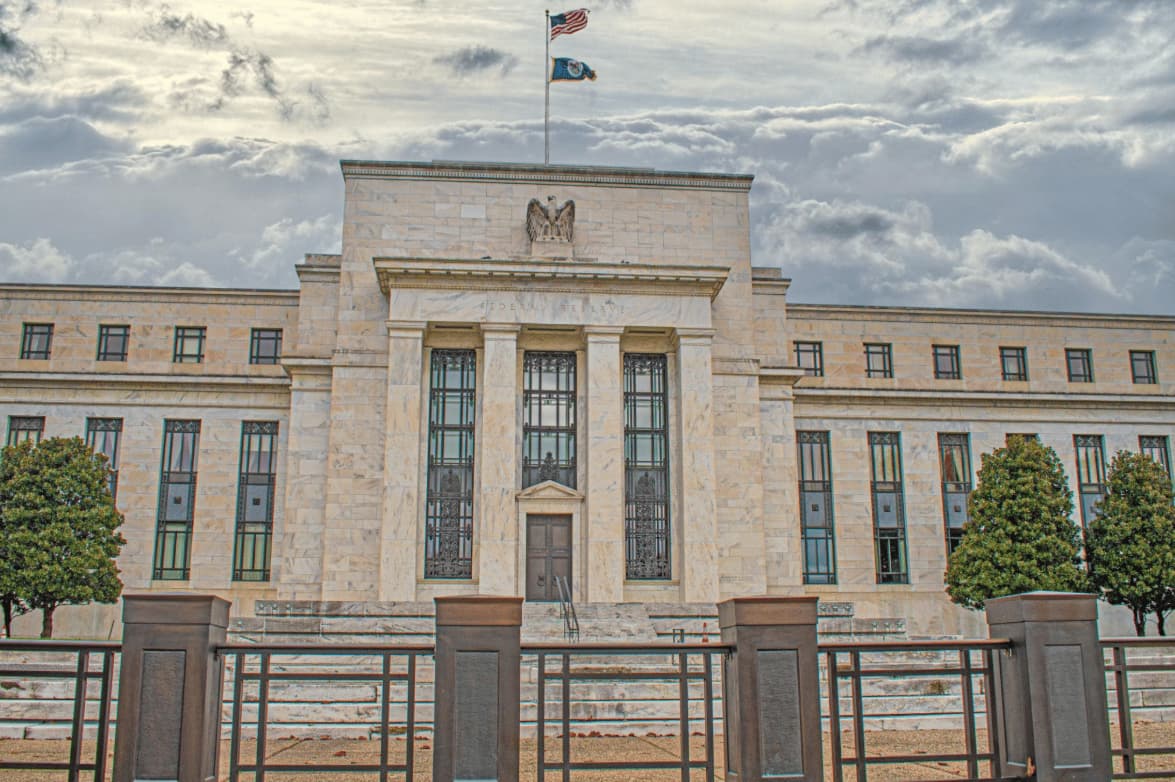
The Fed kept rates at 3.50%-3.75% Wednesday with four dissents, the most since 1992, as Iran-war oil shock pushes core PCE to 3.2%.

Q1 2026 GDP advance estimate and March PCE inflation print together Thursday at 8:30 ET. The two reports will reset the Fed's June decision tree.
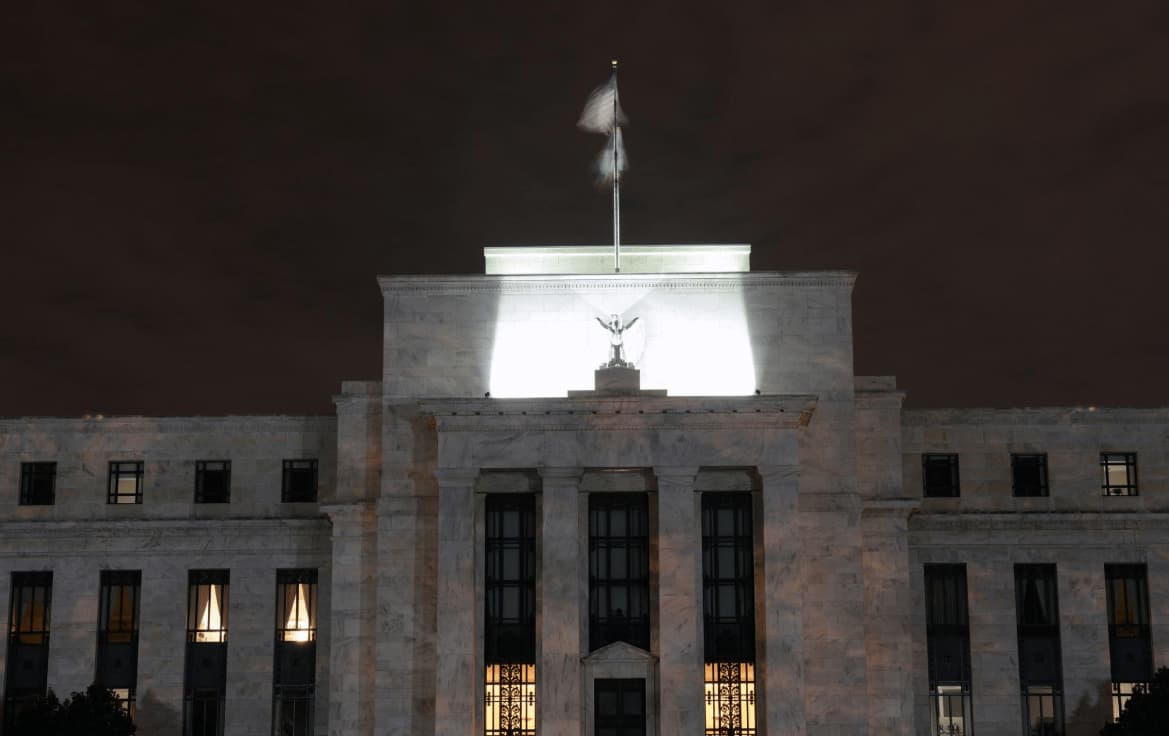
Federal Reserve held rates at 3.5%-3.75% in an 8-4 split — the most divided FOMC vote in 33 years. Powell's last meeting before stepping down.
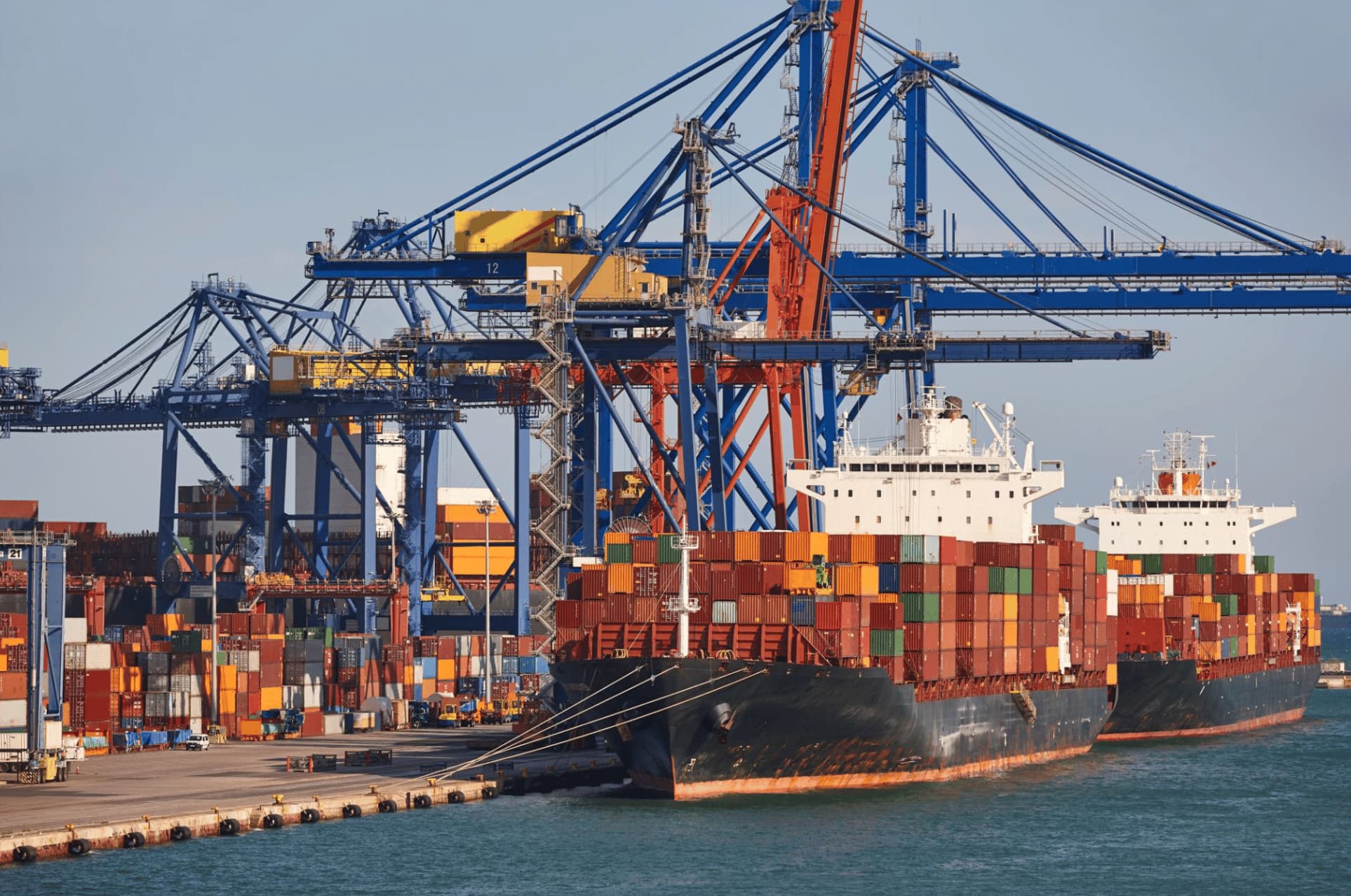
Thursday's Q1 2026 GDP advance estimate could land anywhere from 1.2% to 2.6%. Why forecasters disagree this much, and what each scenario means for the Fed.

Meta and Microsoft announced 20,000 combined layoffs in April 2026, explicitly citing AI automation. Here's what traders should know.
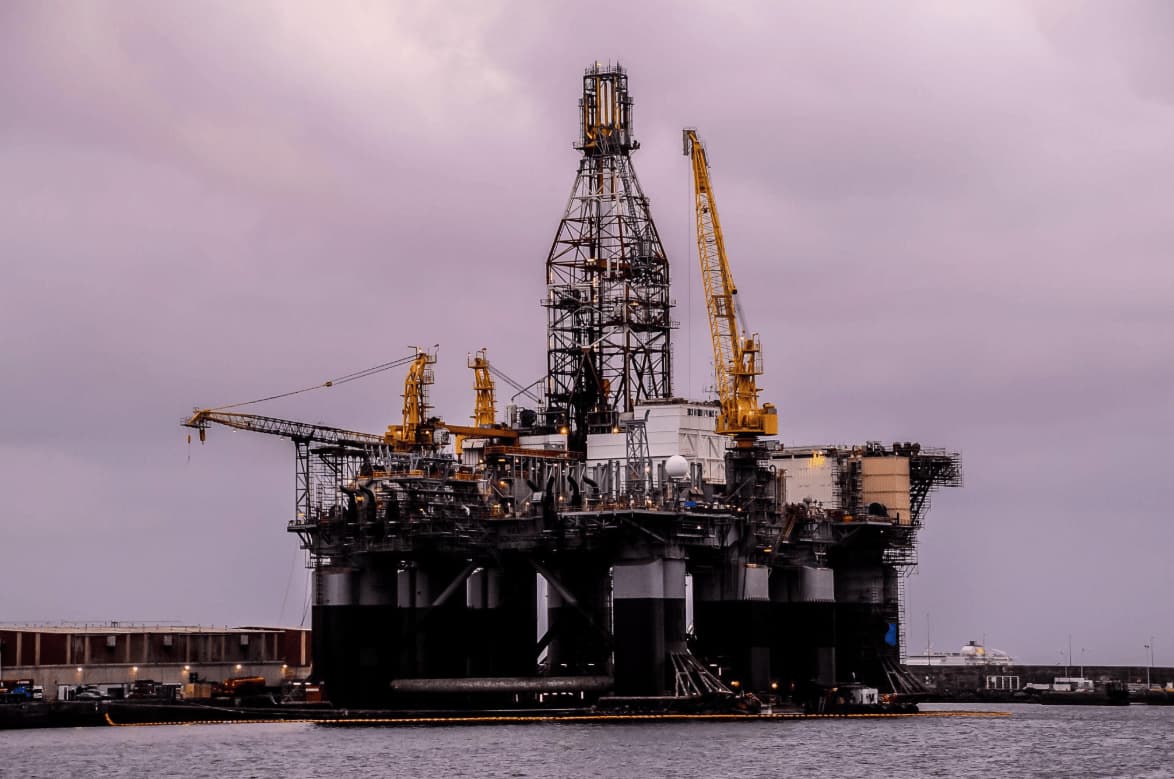
IMF downgrades 2026 global growth forecast to 3.1% and lifts inflation outlook to 4.4% as the Iran conflict and tariffs reshape the economic picture.
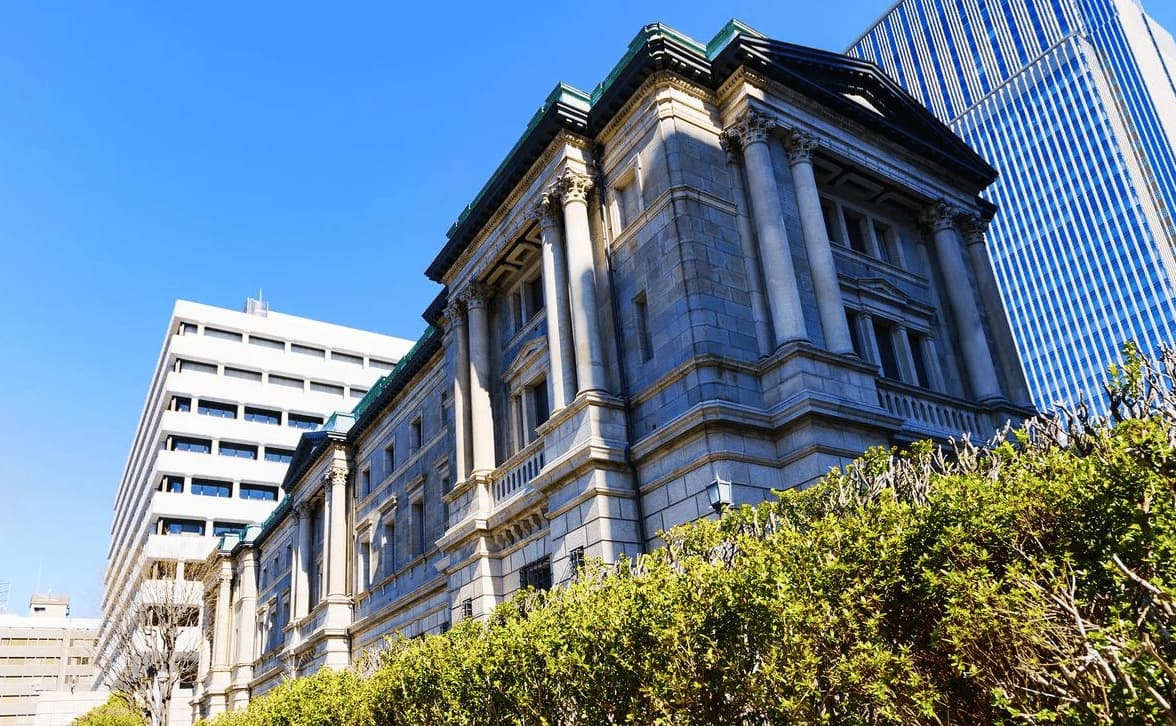
Bank of Japan holds rates at 0.75% but three dissenters push for a hike. Yen strengthens as markets price 74% odds of a June rate increase.

University of Michigan consumer sentiment fell to 49.8 in April 2026, the lowest reading on record, as year-ahead inflation expectations jumped to 4.7%.
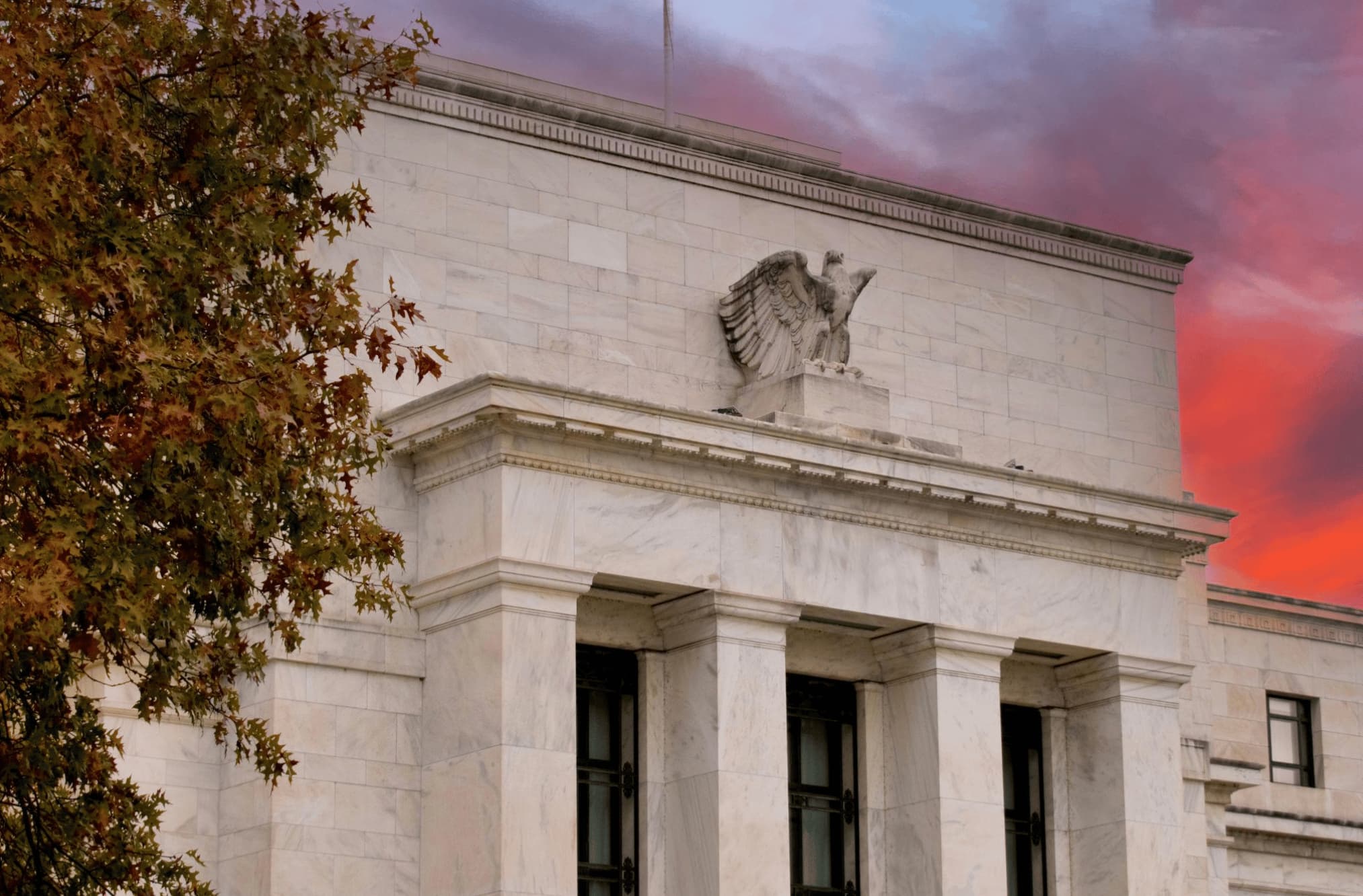
The Fed meets April 28-29 with rates at 3.50-3.75%. Markets price a 99.9% hold probability as $107 oil complicates the inflation outlook.

Initial jobless claims rose to 214,000 last week, slightly above consensus. The range is still tight — and that's exactly the Fed's problem.

Brent at $105 and the Fed's upwardly revised 2.7% PCE track are colliding. The 2026 rate-cut window is closing faster than traders priced.
Kevin Warsh's Fed chair confirmation has stalled amid a DOJ probe into Powell, raising real risk of a vacancy at the May FOMC.
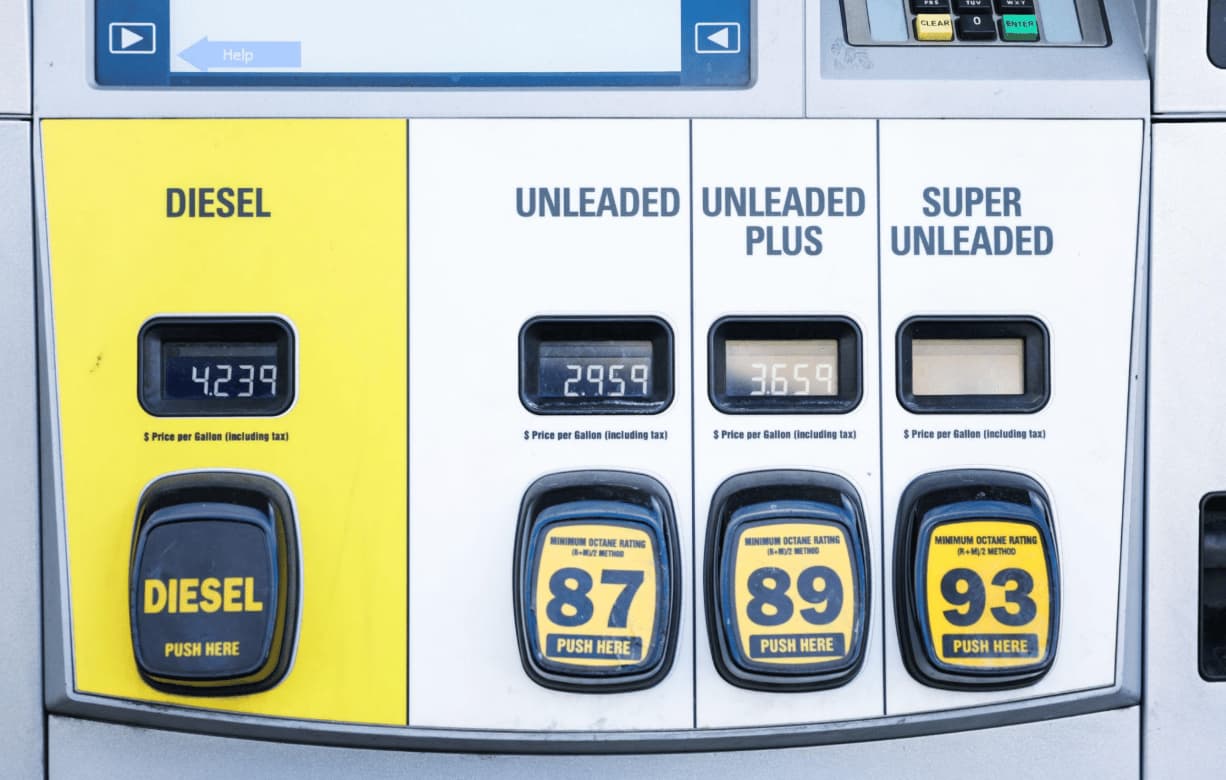
Brent crude held above $101 Thursday for a fourth straight gain as U.S.-Iran talks stalled and Strait of Hormuz shipping remained disrupted.

UMich consumer sentiment fell to 47.6, the lowest in 74 years, as inflation fears spike. Fed nominee Kevin Warsh faced a combative Senate hearing.
The IMF slashed its global growth forecast to 3.1% and raised inflation to 4.4% as the Strait of Hormuz blockade threatens a full-blown energy crisis.
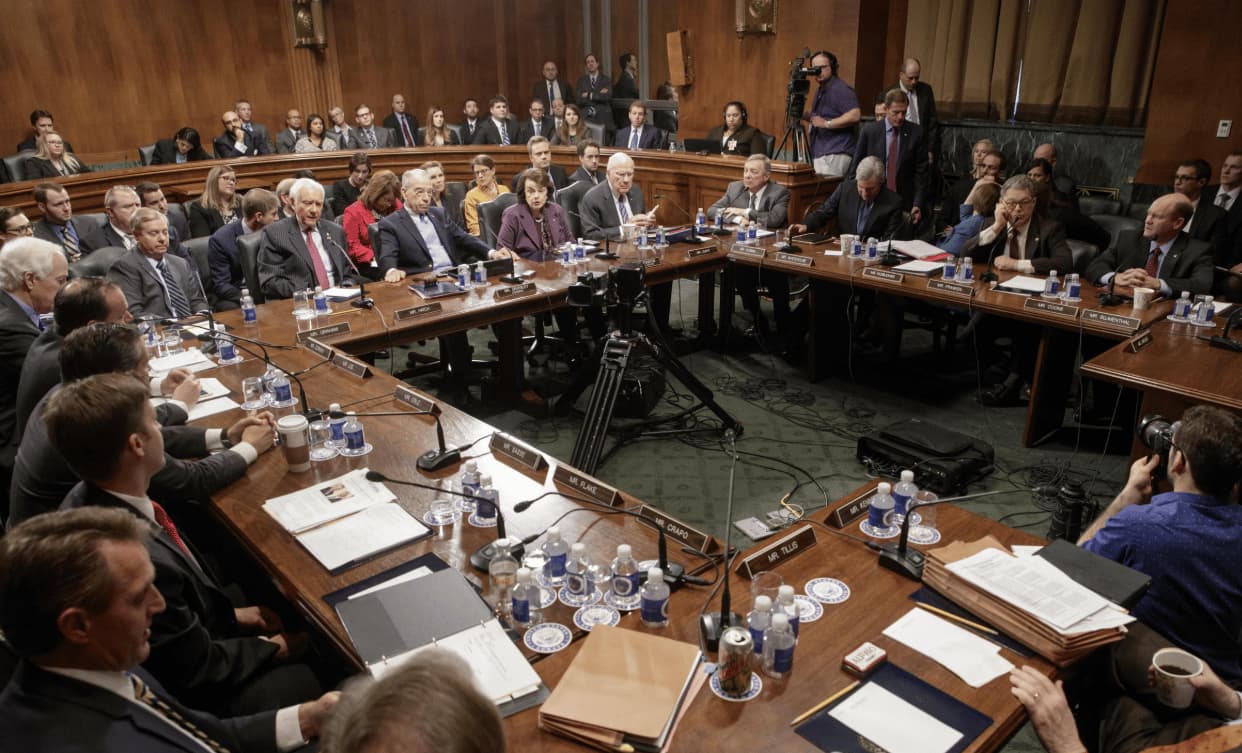
Fed chair nominee Kevin Warsh faced the Senate Banking Committee Tuesday, pledging central bank independence while a GOP senator threatens to block his confirmation.
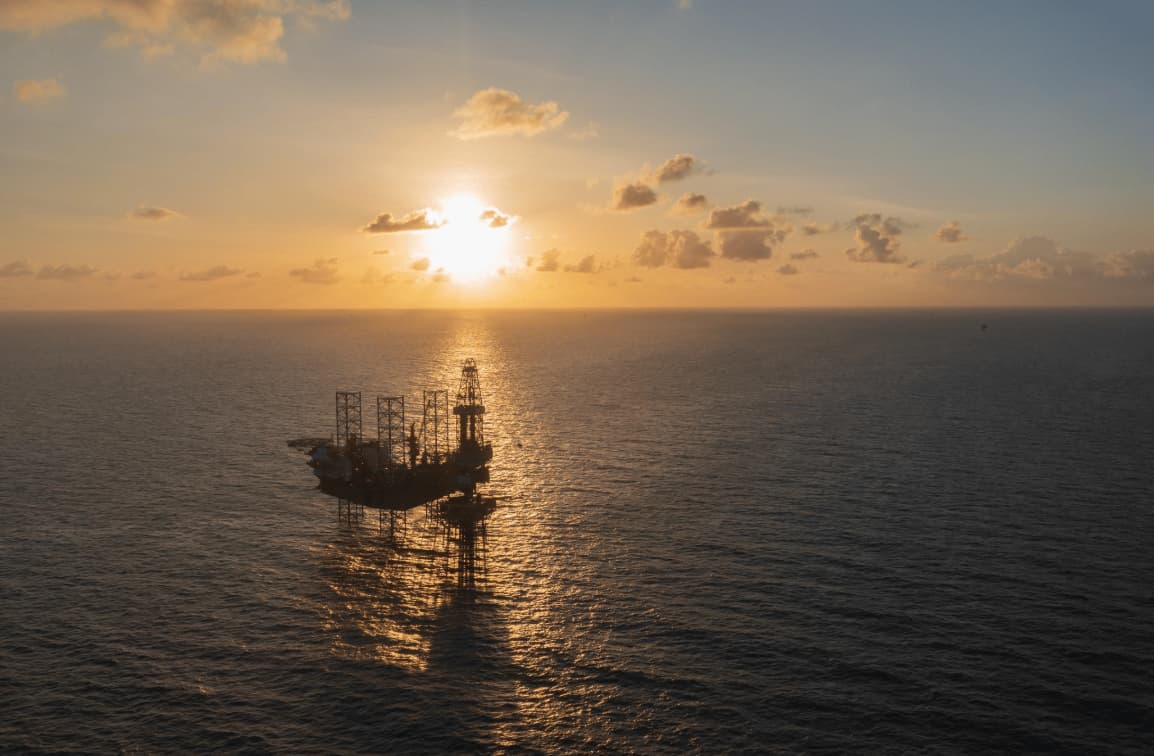
The IMF cut its 2026 global growth forecast to 3.1% from 3.4%, warning the Strait of Hormuz closure is the largest oil supply disruption in history.
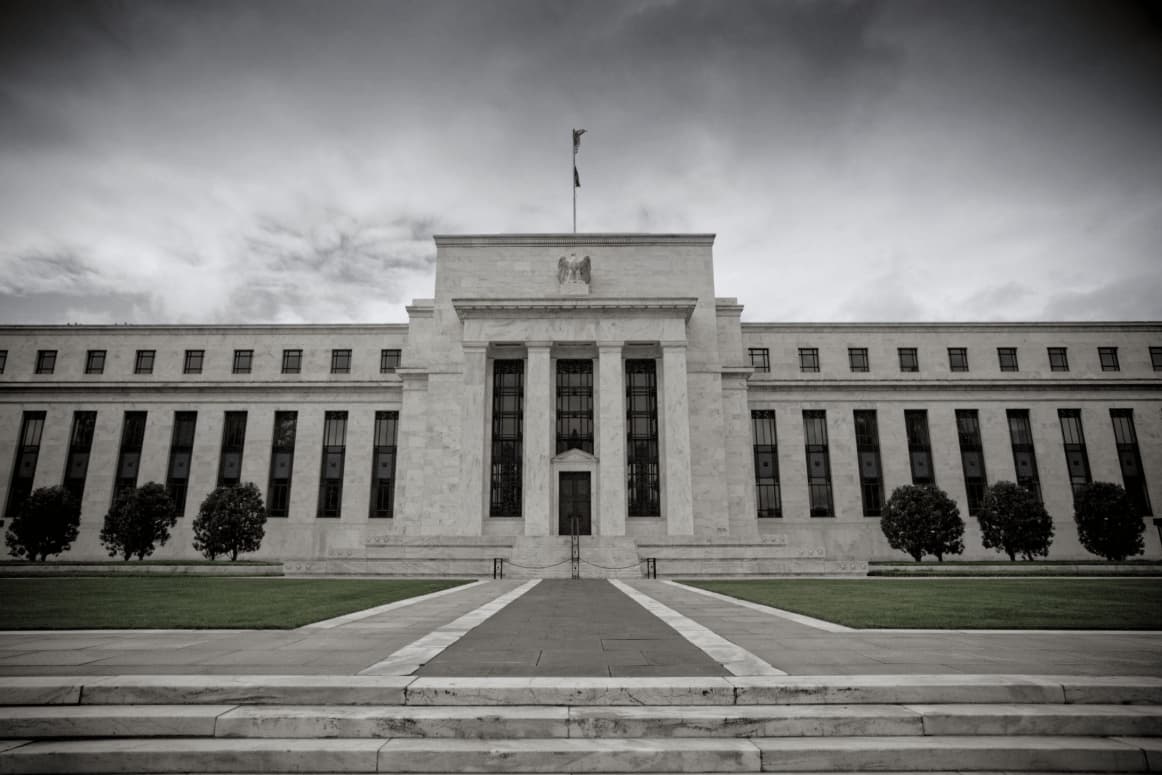
March CPI at 3.3% and oil surging past $95 leave the Fed with no room to cut at its April 28-29 meeting. The September pivot is now in doubt.
The DXY fell to 97.70 Friday, down 0.52%, marking a third consecutive weekly decline as Iran de-escalation pulls safe-haven bid out of the greenback.
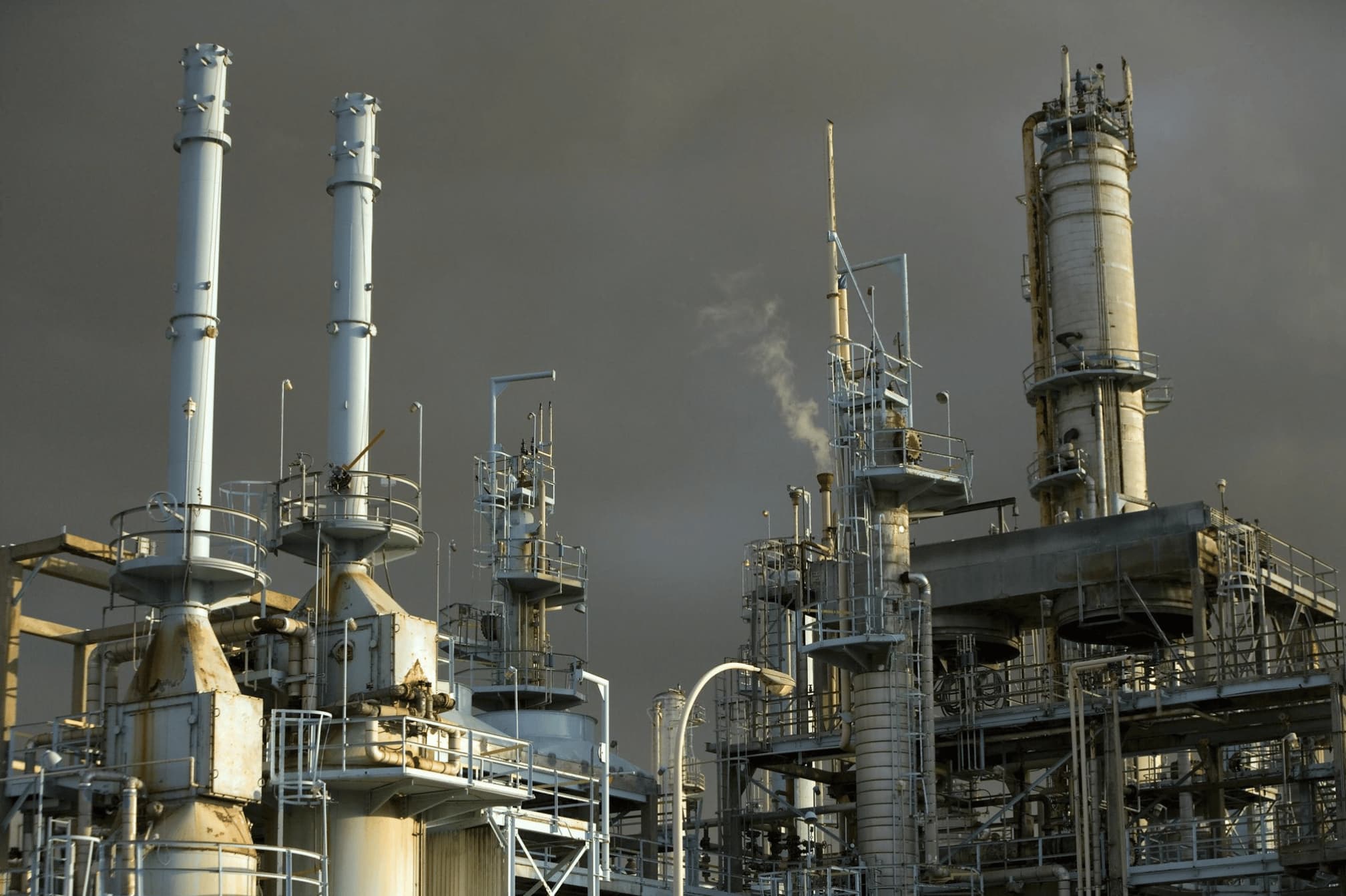
March CPI jumped to 3.3% from 2.4% in February as the Iran conflict pushed gasoline prices higher, pushing Fed rate-cut bets into 2027.
The Fed held rates at 3.5%-3.75% for a second meeting and raised inflation forecasts to 2.7% PCE, with Middle East risks complicating the path to cuts.
The IMF cut its 2026 global growth forecast by 0.2 points to 3.1% and raised inflation projections to 4.4%, citing the Strait of Hormuz crisis.
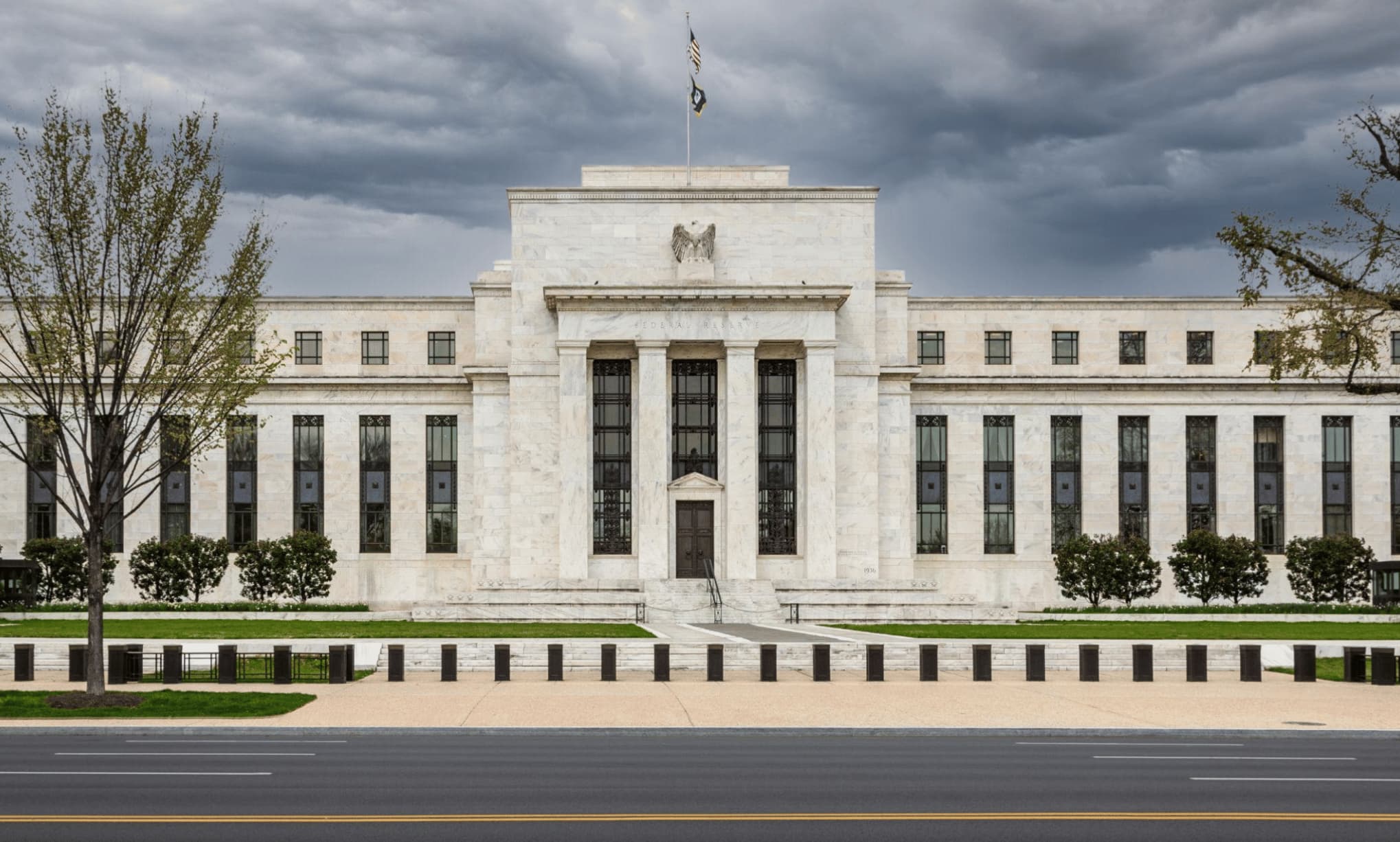
Jerome Powell's term as Federal Reserve Chair expires in May 2026, and the institution he leaves behind will face some of the most complex monetary policy decisions in a generation. That transition is now unfolding under conditions nobody planned for when the succession process began.
The March Producer Price Index landed this morning, and it landed softer than expected. The headline PPI rose against a consensus forecast, but the details within the report tell a more nuanced story about where inflation is actually heading and what it means for the Federal Reserve's next move.
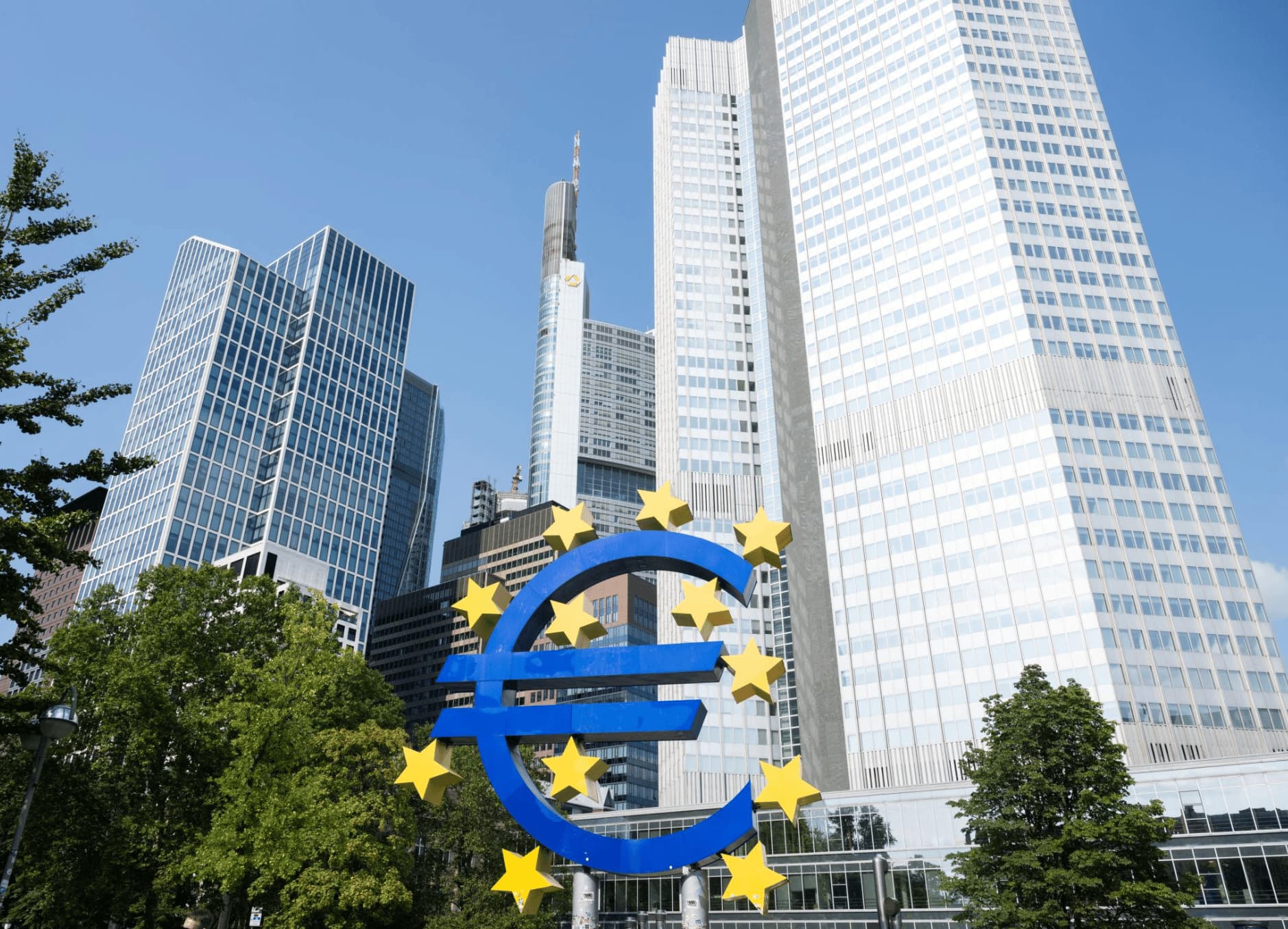
The ECB held rates at 2% in March, but Barclays and J.P. Morgan now expect three hikes this year as the Hormuz crisis threatens European energy security.
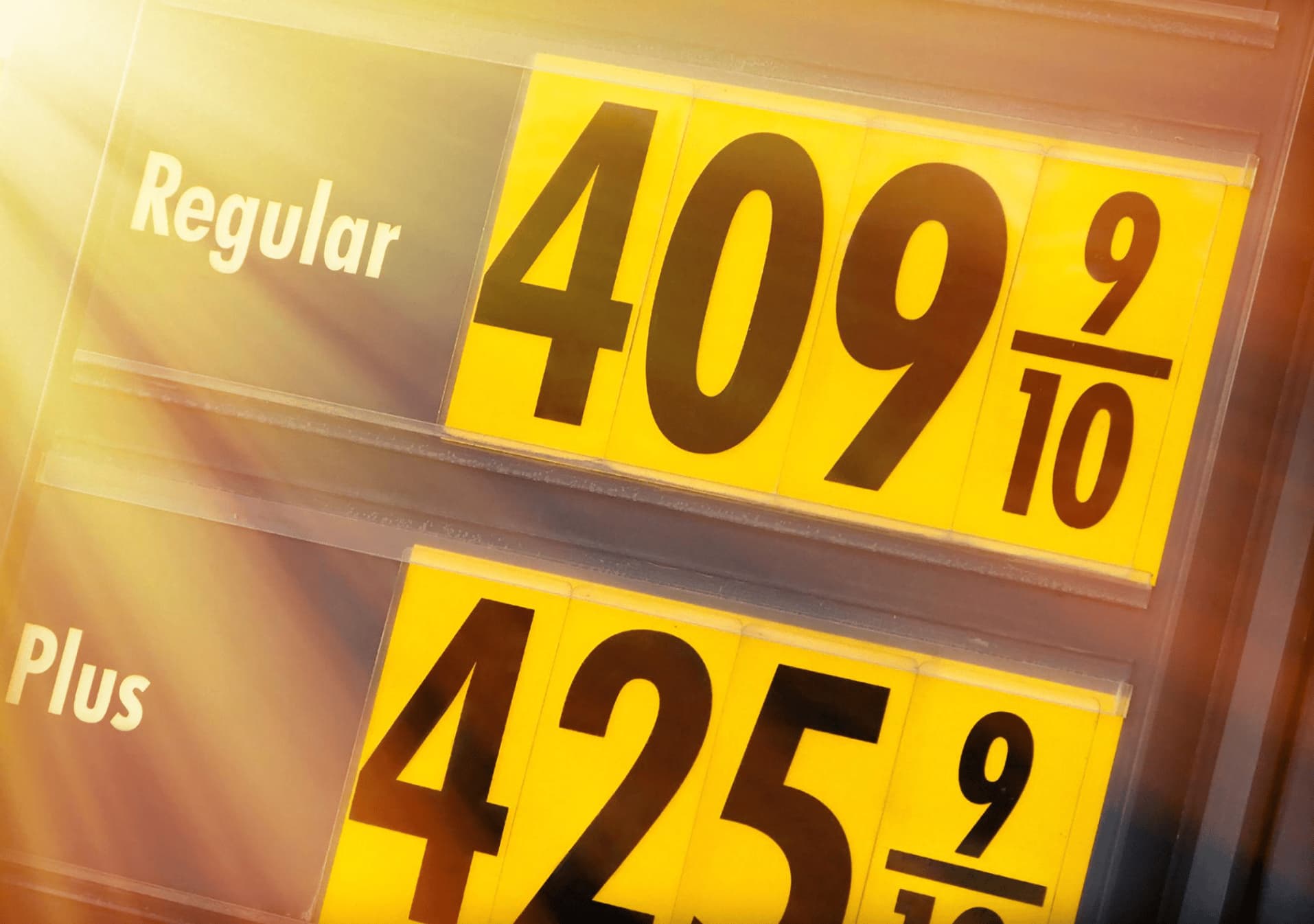
March CPI jumped to 3.3% annually on a 21.2% gasoline spike tied to the Iran war. Core inflation held at 2.6%, but the Fed's calculus just got harder.

The Bank of Japan decides rates on the same day as the Fed as the Iran oil shock complicates central banks worldwide. What it means for dollar-yen and U.S. positioning.
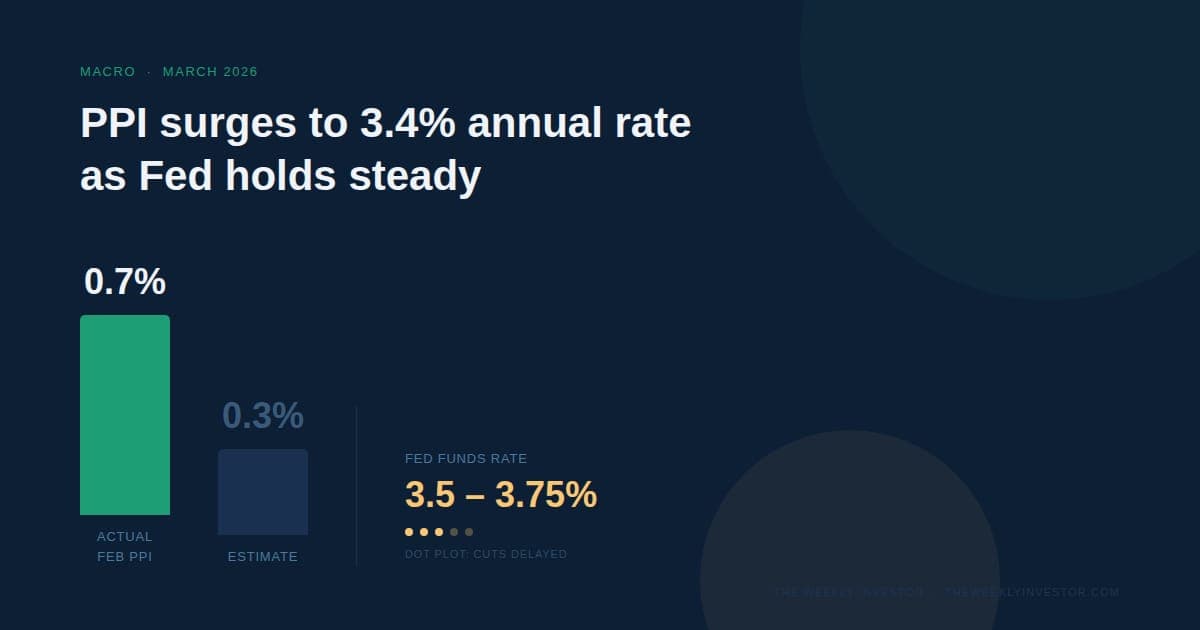
February PPI rose 0.7% versus a 0.3% estimate, pushing the annual rate to 3.4%. The Fed held at 3.5%–3.75%. What the dot plot says about 2026 rate cuts.