Wells Fargo Beats Revenue, Stock Drops 2% Anyway
Wells Fargo beat Q2 revenue estimates by $820M but fell 2% premarket — here's what the market is actually focused on right now.
Key Points
- Wells Fargo posted Q2 revenue of $22.62B, beating the $21.8B consensus by $820M, but shares fell more than 2% in premarket trade Wednesday.
- The market's reaction reflects investor concern about what happens to net interest income as the Fed's easing cycle deepens, with SOFR already at 3.60%.
- Watch the 10:00 AM ET Warsh Senate testimony for any hawkish pivot that could reprice rate-cut expectations and hand WFC a floor.
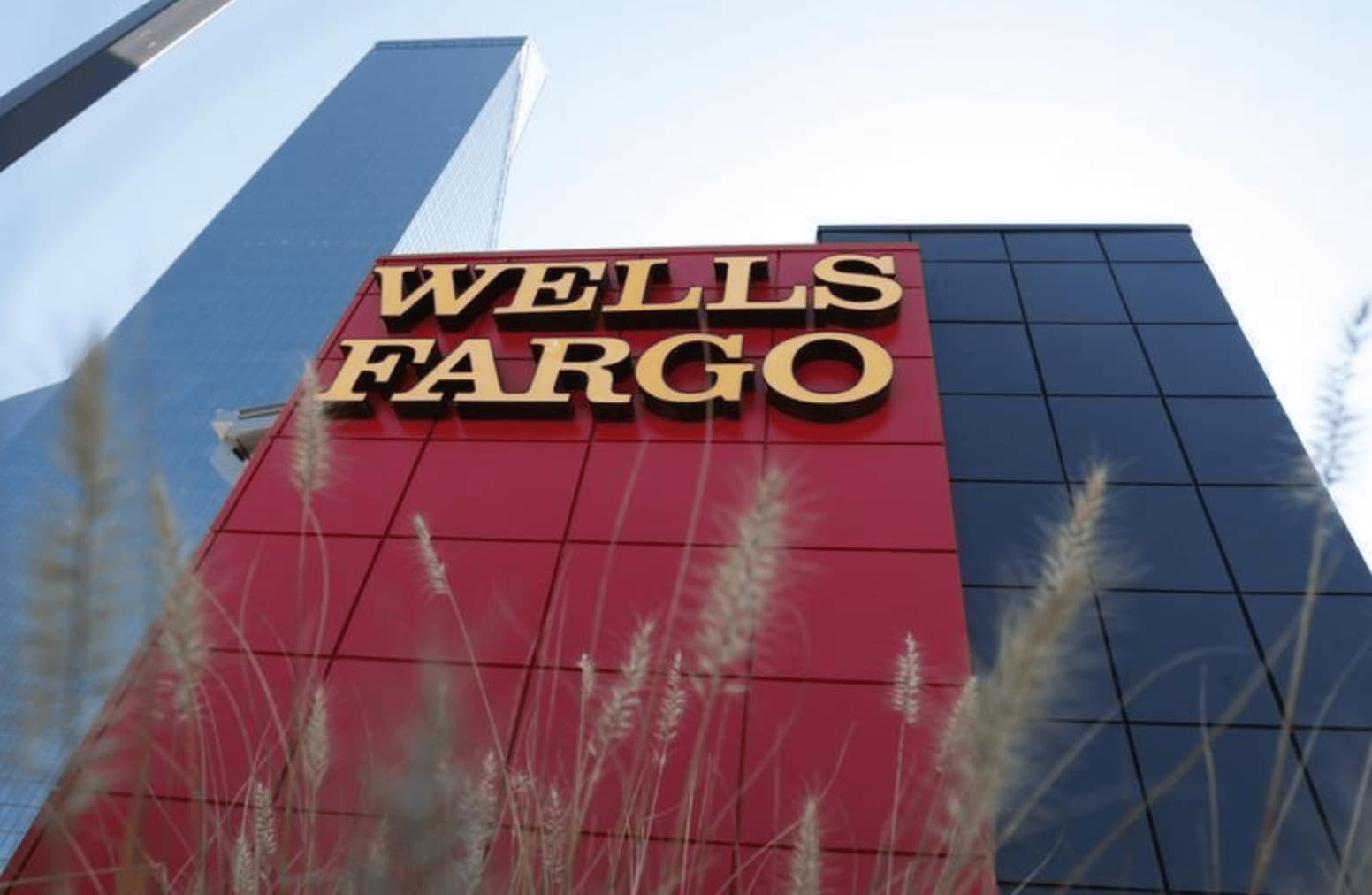
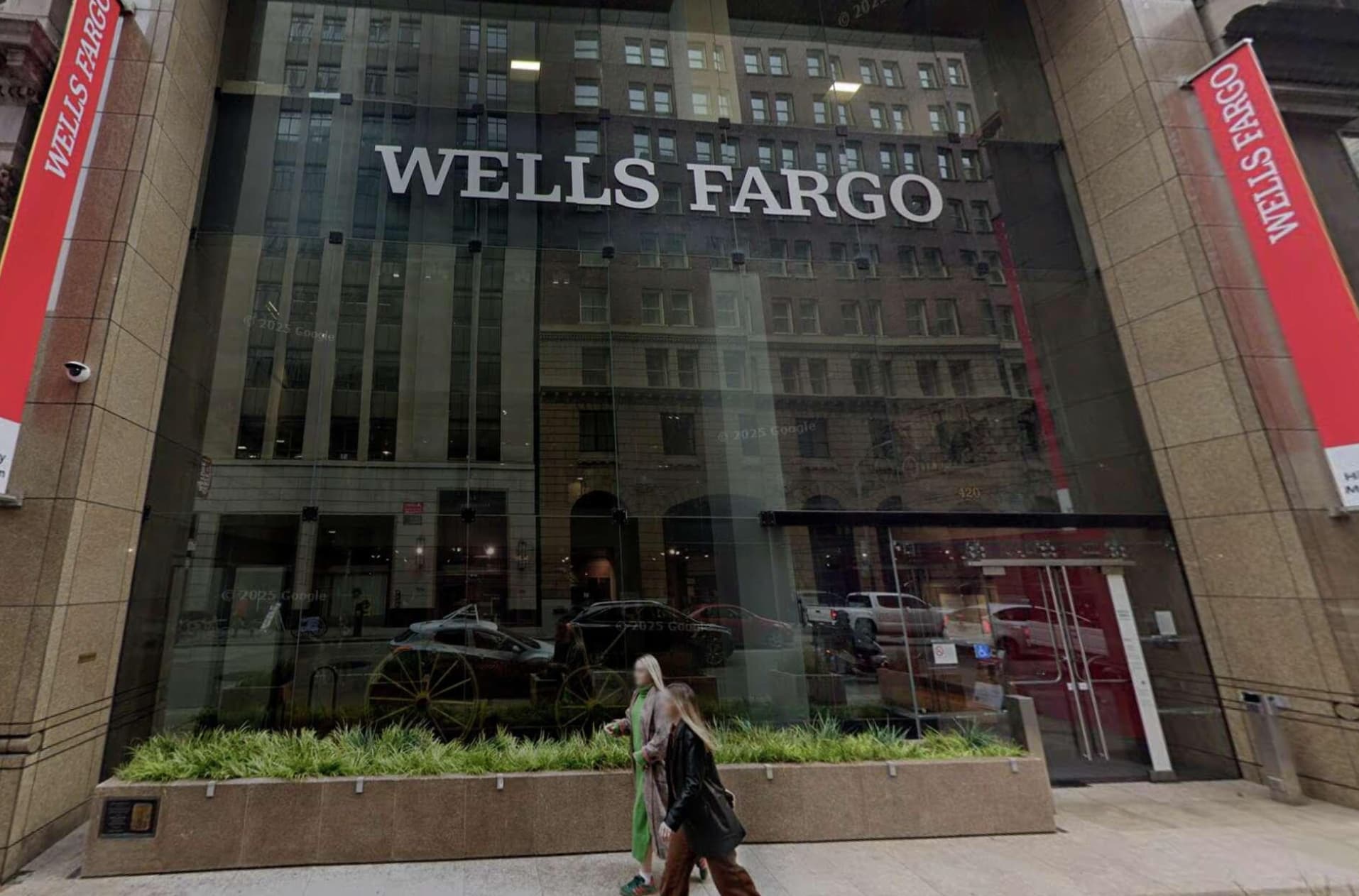
Wells Fargo beat Q2 revenue expectations by $820 million and still can't catch a bid. Shares fell more than 2% in Wednesday premarket trade despite reporting $22.62 billion in revenue against a $21.8 billion consensus — a miss-in-reverse that tells you everything about what this market is actually pricing for banks right now.
The Beat That Wasn't Enough
The headline numbers were unambiguously solid. Net income came in at $6.4 billion, or $2.00 per share. Average deposits of $1.47 trillion cleared the $1.44 trillion estimate by a margin wide enough to matter. By any traditional scorecard, Wells Fargo delivered. The problem is that traditional scorecards aren't what's moving bank stocks in July 2026.
What traders are staring at is the forward curve. The Fed funds effective rate sits at 3.62%, SOFR is at 3.60%, and Tuesday's June CPI print — up just 3.5% year-on-year versus the 3.8% consensus, with a month-on-month decline of 0.4% against a forecast of -0.1% — has turbocharged rate-cut expectations. CME FedWatch now prices an 85.6% probability of no change at the July meeting, but the real action is further out on the curve, where traders are pulling forward the timing of cuts that will compress net interest margins across the entire sector. A bank that earns the spread between what it pays depositors and what it collects on loans has a structural problem when that spread is shrinking.
That dynamic is particularly acute for Wells Fargo, which rebuilt its deposit franchise post-scandal and leaned into rate sensitivity as a feature, not a bug, during the 2022–2024 hiking cycle. Net interest income was the engine. Now the engine is cooling, and a one-quarter beat on revenue doesn't change the trajectory that the yield curve is implying. The 10-year Treasury sits at 4.62%, the 2-year at 4.26% — the spread is 36 basis points and widening, but not fast enough to offset what falling short-term rates do to floating-rate loan books in the near term.
Reading the Sector Setup
Wells Fargo doesn't trade in isolation today. JPMorgan also filed an 8-K on July 14 — two of them — and Goldman Sachs filed its own, making this the densest single-day bank disclosure cluster of the quarter. According to premarket market data tracked Wednesday morning, the broader financial sector is navigating a bifurcated tape: investment banks with heavy trading revenue exposure are holding up better than pure-play commercial lenders, because capital markets activity — driven by M&A and equity issuance — doesn't care about net interest margin compression the same way a loan portfolio does.
Goldman's Q2 filing will be critical to confirm whether trading desks monetized the volatility spike that pushed the VIX to 31.05 in late March 2026 during the Iran-driven oil surge. If Goldman's FICC and equities trading lines show a strong quarter — which the March volatility environment would support — then the divergence between investment bank performance and commercial bank performance widens further. That's a sector rotation signal worth tracking: money that was sitting in diversified financials may begin bifurcating more aggressively toward pure capital-markets names.
Morgan Stanley, BlackRock, and PNC all report Wednesday, and taken together with Wells Fargo, they form a near-complete picture of how the industry actually navigated the first half of 2026 — a half-year defined by geopolitical oil spikes, a Fed that paused longer than expected, and a CPI path that finally broke lower. The question isn't whether banks had a good quarter. The question is whether the next quarter will be better or worse, and the market's premarket treatment of WFC suggests it's betting on worse.
What Traders Watch Next
The most important event for WFC and the broader bank tape Wednesday isn't another earnings release — it's Fed Chair Kevin Warsh's appearance before the Senate Banking Committee at 10:00 AM ET. Warsh has been the hawkish counterweight to the CPI-driven dovish repricing that sent July hike probabilities from 42% to 17% overnight. If Warsh signals comfort with the disinflation trajectory and implicitly validates the market's rate-cut timeline, bank stocks face a second leg lower as NIM compression expectations solidify. If he pushes back — emphasizing that core CPI at 2.6% year-on-year is still above target and that one soft month doesn't constitute a trend — then rate-cut timelines get pushed out, short-term yields firm, and WFC's deposit spread story gets incrementally more defensible.
The technical level to watch on WFC is its pre-earnings close. A close below that level on above-average volume would confirm that the earnings beat was already in the price — a classic "buy the rumor, sell the news" resolution that has characterized the large-cap bank trade for three consecutive quarters. The $1.47 trillion average deposit figure matters for one additional reason: it signals that despite two-plus years of rate competition from money market funds and Treasury bills, Wells Fargo has not suffered the deposit attrition that many analysts feared when the hiking cycle peaked. That's a durable competitive advantage — but it only shows up in the stock if the rate environment stabilizes in a range that keeps NIM from collapsing. Watch the 2-year yield at 4.26%: if Warsh's testimony drives it back above 4.35%, WFC's premarket loss could reverse sharply by noon.
The Weekly Investor
Daily market analysis for active traders. Free.