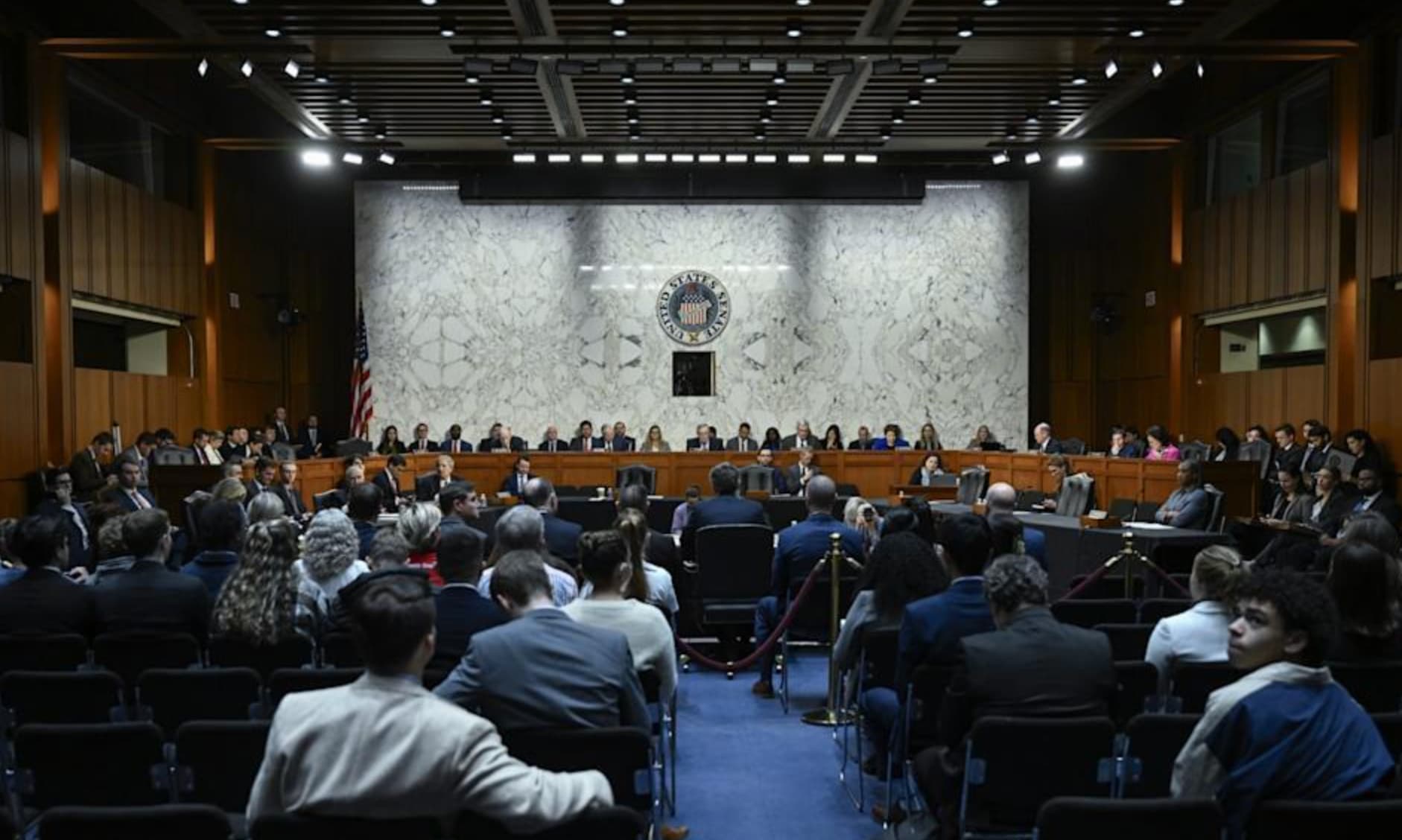
Warsh Faces Senate at 10 AM — September Hike Still Live
Fed Chair Warsh testifies before the Senate Banking Committee today at 10 AM ET. June CPI's -0.4% MoM print hasn't killed the September hike risk.
Key Points
- June CPI fell 0.4% month-over-month — the first monthly price decline in six years — and year-over-year inflation dropped from 4.2% to 3.5%, but Warsh called it "one data point" at his House testimony Tuesday.
- A minority of FOMC members already wanted to hike at the June meeting, and the committee's median SEP now implies one rate increase before year-end, keeping September fully in play.
- Watch Warsh's 10:00 AM ET Senate testimony for any language shift toward restored forward guidance, which would be interpreted as a dovish signal and could push TLT above recent resistance.
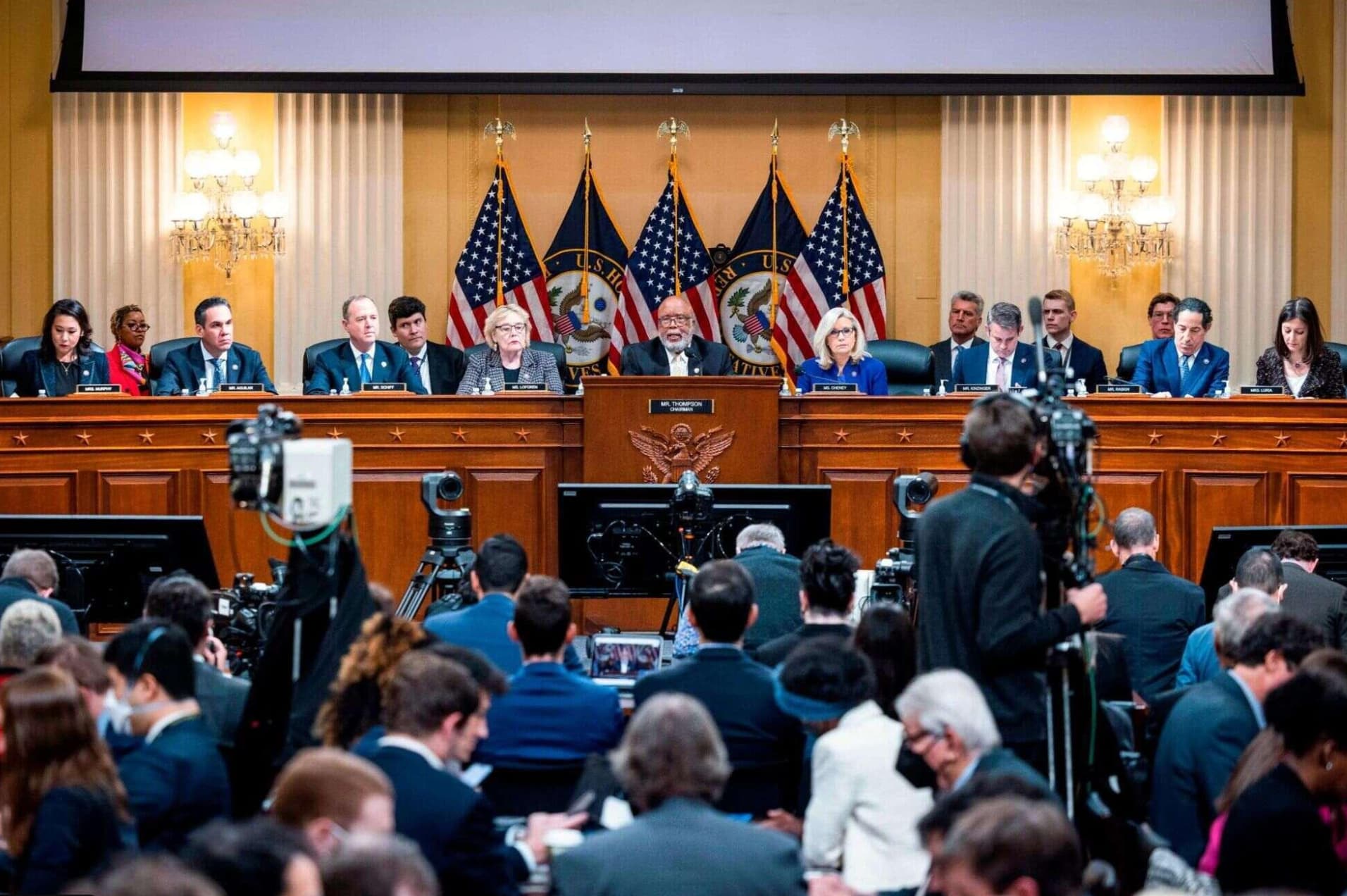
June CPI printed -0.4% month-over-month on Monday — the first monthly deflation in six years — and the bond market celebrated briefly. Then Fed Chair Kevin Warsh walked into the House Financial Services Committee and said, effectively, not so fast. Now he does it again, this time before the Senate Banking Committee at 10:00 AM ET this morning, and the single question traders need answered is whether one remarkable inflation print is enough to take a September rate hike off the table. Based on everything Warsh said Tuesday, the answer is no.
One Number Doesn't Move the Fed
The mechanics of the June CPI decline are not mysterious. WTI crude oil futures fell 20.4% in June alone, and energy is a large enough weight in the headline index to engineer a dramatic monthly swing without any underlying change in the inflation regime. That is precisely why Warsh refused to declare victory on Tuesday. Headline CPI at 3.5% year-over-year is still 150 basis points above the Fed's 2% target, and core CPI — which strips out food and energy and is the figure the FOMC watches most closely — came in at 2.6% annually, flat on the month, and still materially elevated. A single month of headline relief driven by a crude oil slide is not the same thing as a disinflationary trend, and Warsh knows the committee knows the difference.
The June FOMC minutes, released earlier this month, made the internal division plain. The committee voted unanimously to hold the target range at 3.50%–3.75%, but the minutes disclosed that a meaningful minority of officials believed there was already sufficient justification to raise rates at that meeting. That is not a committee that is preparing to pivot. The median Summary of Economic Projections from June revised the PCE inflation forecast dramatically upward, from 2.7% to 3.6% for 2026, while nudging the GDP forecast down from 2.4% to 2.2%. The funds rate median for year-end implies one hike before December 31. September is the logical window, and a single soft CPI print does not close it.
The SOFR rate sat at 3.60% as of Monday, essentially in line with the 3.62% effective fed funds rate — a sign that money markets remain anchored to current policy, not positioned for imminent easing. The 10-year Treasury yield stood at 4.62% as of July 13, against a 2-year at 4.26%, a curve that remains modestly inverted and reflects a market that is still pricing meaningful policy risk over the medium term. The DXY index fell roughly 0.4% to 100.90 after the CPI release, but that move was contained — not the kind of dollar unwind you see when a rate hike cycle definitively ends.
Warsh's Reform Agenda Meets Political Fire
This morning's Senate session is not purely about inflation. It is also about institutional power, and Sen. Elizabeth Warren intends to make that clear. Warren has submitted a letter ahead of today's 10:00 AM testimony demanding that Warsh provide his personal expectations for unemployment, inflation, and Fed transparency — a direct challenge to his decision to withhold his own economic forecasts from the Monetary Policy Report to Congress. That decision was unusual by any historical standard. Fed chairs have routinely aligned their public projections with the committee's SEP, and Warsh's refusal to do so has been interpreted both as a reform signal and as a reduction in the Fed's analytical accountability to elected officials.
Warsh has been explicit about his skepticism of forward guidance. He has suggested that quarterly projections may eventually be scrapped, though they remain in place for now. His argument is that publishing specific forecasts creates artificial market anchoring that distorts the Fed's flexibility to respond to evolving data — a defensible intellectual position that nevertheless strips Congress and traders of the roadmap they have relied on for the better part of a decade. His commitment at the House yesterday was procedural: the five internal FOMC task forces would share findings first with the 19 FOMC members before any public disclosure, and he pledged to telegraph balance sheet changes well in advance. The Fed's balance sheet currently stands at $6.7 trillion — still historically elevated — and any signal about the pace of runoff would have immediate implications for the long end of the Treasury curve.
Warren's confrontation will likely dominate the cable news cycle this morning, but traders should focus on a narrower question: does Warsh say anything today that he did not say Tuesday? Any softening on the September hike language — any acknowledgment that the June CPI data is more than one data point — would be a dovish surprise. Any doubling down on the upside inflation risk language from the June statement, which noted that "inflation remains elevated relative to the Committee's 2 percent goal, in part reflecting supply shocks," would confirm that the September window remains open and that the brief post-CPI rally in rates was a positioning flush rather than a regime change.
What Traders Watch Between Now and July 29
The next FOMC decision is July 29 at 2:00 PM ET, and the market has already largely priced out a hike at that meeting following Tuesday's CPI data. That consensus is probably correct — the committee has signaled it wants to see multiple data points before acting, and the June numbers arrived too late for July. But the September 16–17 meeting is a different calculus entirely. Between now and then, the committee will receive the July CPI report, July jobs data, Q2 GDP flash estimate, and the next PCE inflation reading. If any of those prints re-accelerate — if the temporary energy relief reverses, or if shelter inflation fails to moderate — the hawks who wanted to hike in June will have fresh ammunition.
The unemployment rate held at 4.2% as of June, slightly below the Fed's own revised median forecast of 4.3% for year-end. A labor market this resilient gives the committee room to hold or hike without triggering a recession alarm. GDP grew at 2.1% annualized in Q1 2026, and the revised 2026 forecast of 2.2% suggests the economy is not softening fast enough to force the Fed's hand toward cuts. The macro setup, stripped of the one-month CPI anomaly, still looks like an economy that can absorb tighter policy.
For TLT, the actionable level is the July 11 intraday high — a close through that level on sustained volume would signal that the bond market is genuinely repricing toward a prolonged hold, not a hike. Watch Warsh's exact language at 10:00 AM ET on inflation persistence, balance sheet trajectory, and his response to Warren's forecast demands. If he holds the line from Tuesday, September stays live, and the brief post-CPI bid in Treasuries will fade before the week is out.
The Weekly Investor
Daily market analysis for active traders. Free.