Warsh Before Congress: What He Must Say Today
Fed Chair Kevin Warsh testifies at 10 AM ET as the FOMC sits split 9-to-8 on rate hikes. What his language on inflation means for July 29.
Key Points
- Fed Chair Kevin Warsh testifies before the House Financial Services Committee at 10:00 AM ET today — 90 minutes after June CPI drops — with the FOMC split exactly 9-to-8 on whether to hike before year-end.
- The July 28–29 FOMC meeting produces no Summary of Economic Projections, making today's testimony the single most consequential forward-guidance vehicle before the decision.
- Watch Warsh's precise framing around energy-driven inflation versus core persistence — any language suggesting hikes are "on the table" will immediately reprice the 2-year Treasury from its current 4.21%.
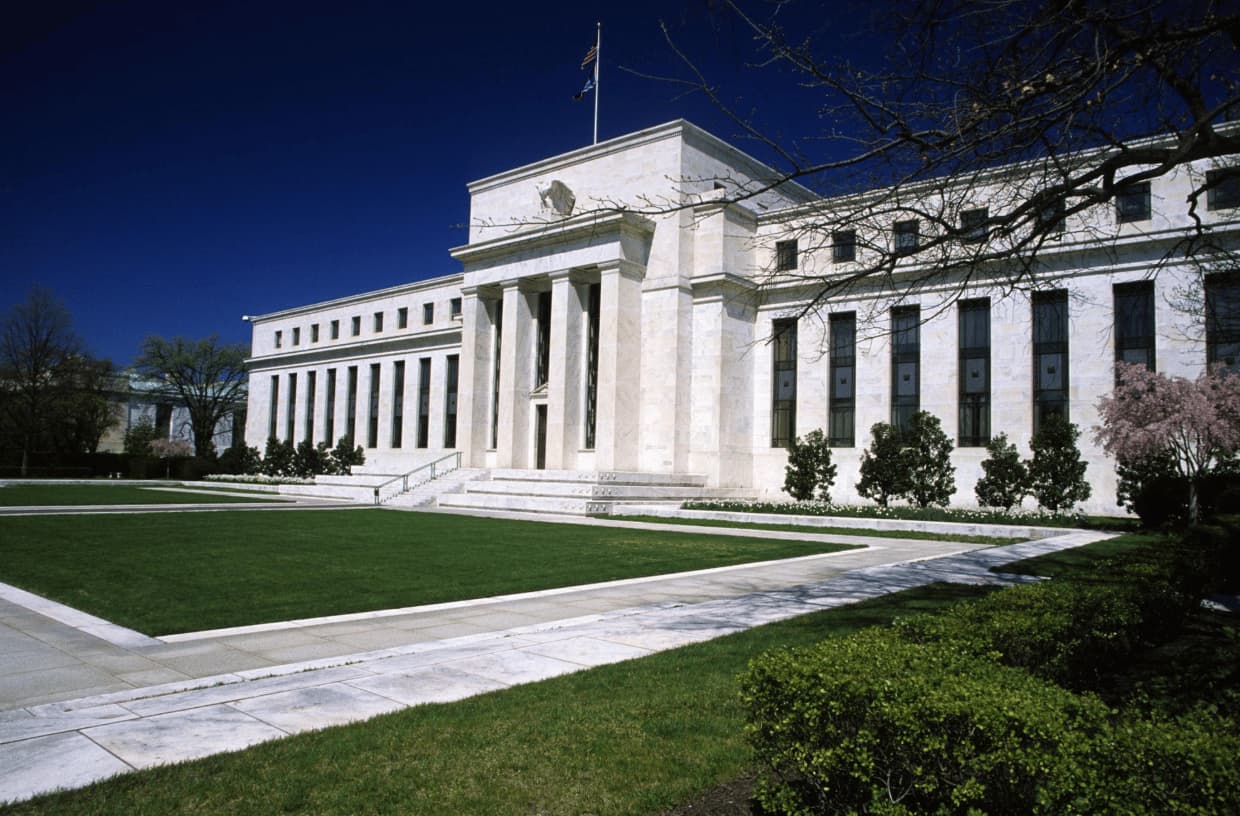
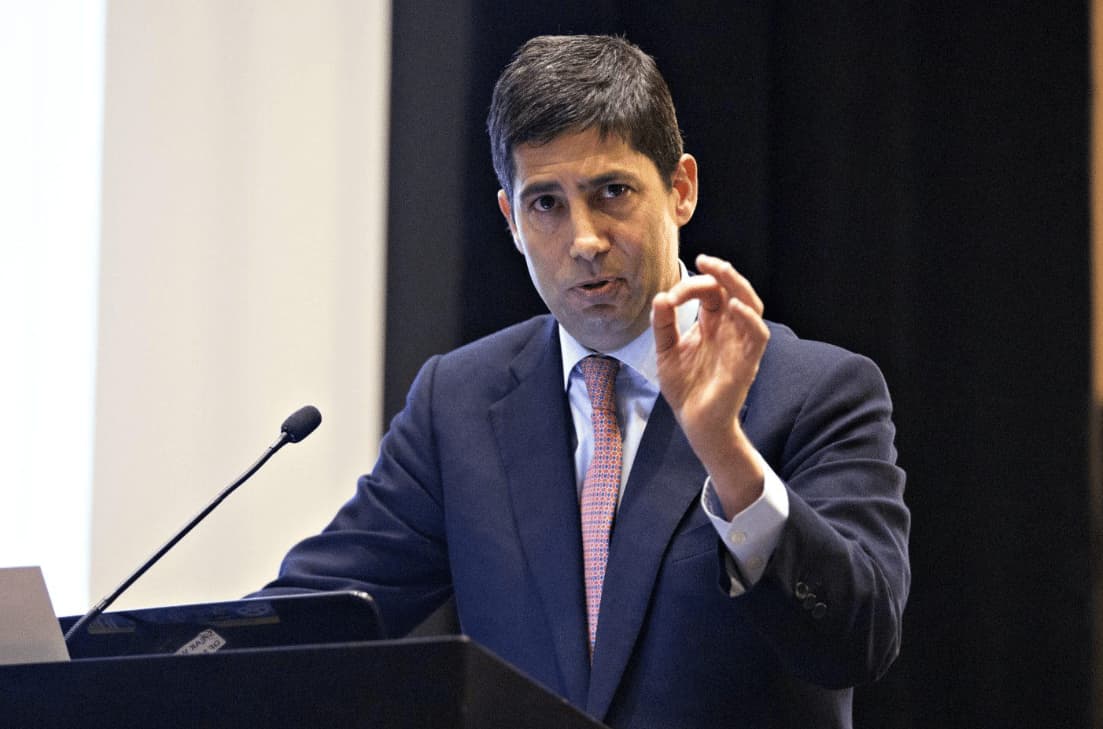
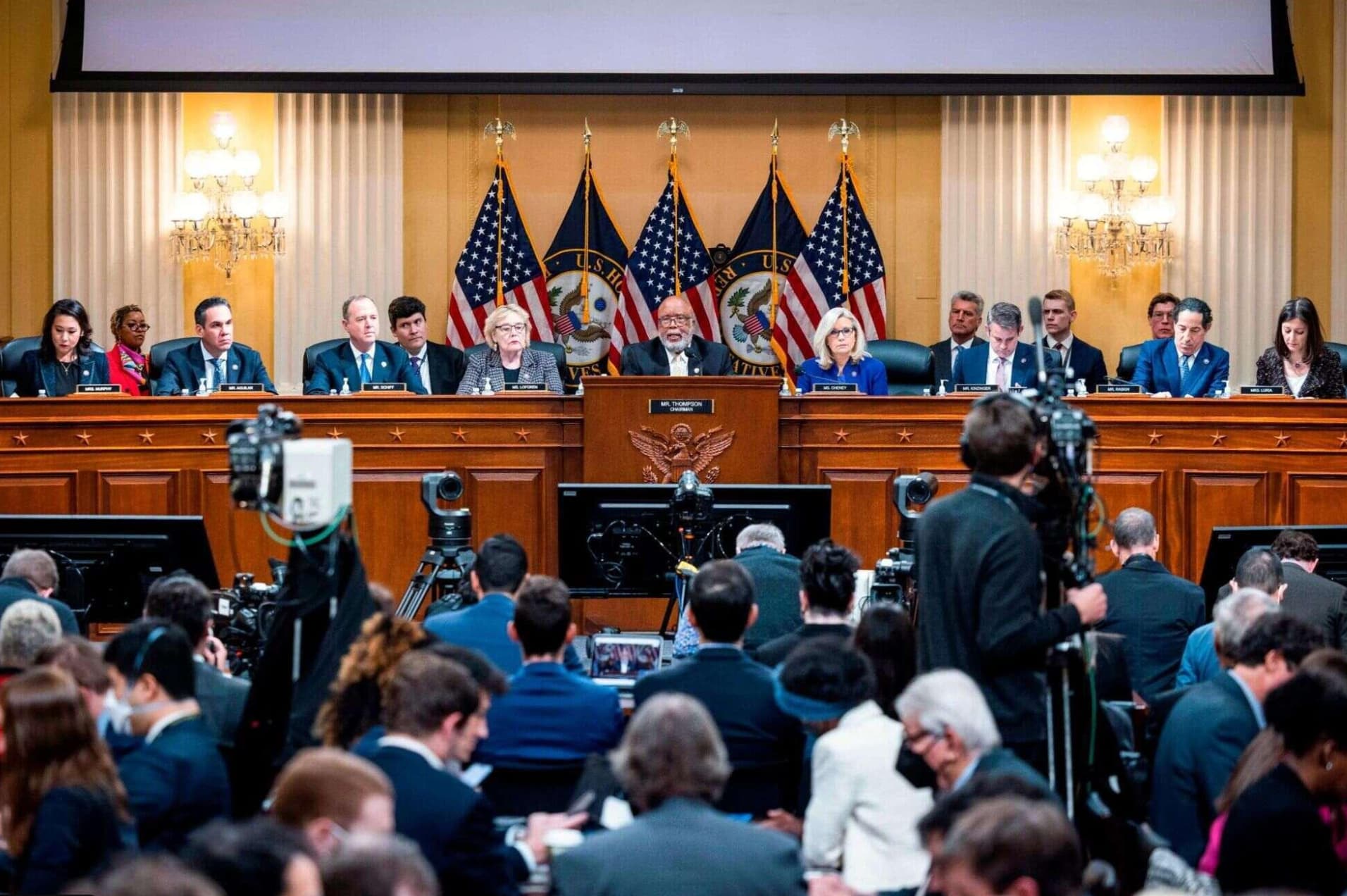
Kevin Warsh walks into the House Financial Services Committee chamber at 10:00 AM ET with a 9-to-8 internal split at his back and a CPI print — released 90 minutes earlier — that will either hand him cover to stay on hold or force him to acknowledge that the committee's most hawkish half has the better argument. There is no neutral path through today's testimony.
The Fed's Problem
The numbers Warsh inherits are genuinely uncomfortable. Headline CPI ran at 4.2% year-over-year in May — the highest 12-month reading since April 2023 — driven by three consecutive months of energy-led acceleration: +10.9% on the energy index in March, +3.8% in April, +3.9% in May. The effective federal funds rate sits at 3.62%, meaning the policy rate is running more than 50 basis points below headline inflation in nominal terms. Real rates are positive when measured against core CPI of 2.9%, but the Fed's own June projections put 2026 core PCE at 3.3% — a level that, if realized, would compress real policy rates further and complicate the committee's credibility.
The June Summary of Economic Projections is the document Warsh will be defending today, and it is an uncomfortable one. The committee projected 2026 real GDP growth at 2.2%, unemployment at 4.3%, and PCE inflation at 3.6%. With unemployment already at 4.2% through June and headline inflation still running at 4.2% through May, the Fed is effectively at or near its own full-year projections with six months remaining. That leaves almost no buffer if energy prices re-accelerate — which they have, since the July 8 ceasefire collapse. The Fed's baseline assumed some moderation in energy pass-through. That assumption is now under active pressure.
What Congress Will Push
Lawmakers on the House Financial Services Committee will arrive with two very different agendas, and Warsh will need to navigate both without giving the bond market a clean signal he doesn't intend to deliver. Republican members are likely to press on inflation persistence and question why the Fed is not moving more aggressively given that headline CPI is running more than 200 basis points above the 2% target. Democratic members will focus on unemployment — currently 4.2% and rising toward the Fed's own 4.3% projection — and the risk that premature tightening pushes the labor market into a harder slowdown.
Cryptocurrency and digital assets are also on the committee's agenda, according to the pre-hearing framework. Warsh's predecessor was largely dismissive of crypto as a monetary policy variable; Warsh's approach to bank supervision of digital asset exposure is less well-established in public record, and any signal of regulatory loosening or tightening toward crypto-exposed banks will move specific names immediately. Governor Christopher Waller is simultaneously speaking in Rome at the European System of Central Banks Research Network closing conference — a scheduling note that matters because Waller has been among the more consistently data-dependent voices on the committee, and his public remarks in Europe could either reinforce or complicate whatever Warsh says in Washington within the same news cycle.
What Traders Watch Next
The specific word choices in Warsh's prepared statement matter more than the Q&A. The committee's public framework has consistently leaned on two phrases: "data dependent" (which the market reads as on-hold bias) and "prepared to adjust" (which the market reads as hike-adjacent). If Warsh's prepared text characterizes June's expected CPI decline as evidence that "the disinflationary process is resuming," that is a dovish signal that will bid up Treasuries and push the 2-year yield below 4.21%. If his language frames the June decline as "reflecting temporary energy effects" while noting that core inflation "remains above target," the market will price a higher probability of action at July 29.
The July 28–29 FOMC meeting is consequential precisely because it produces no Summary of Economic Projections and no updated dot plot. That means the committee will make a binary decision — hold at 3½ to 3¾ percent or hike to 3¾ to 4 percent — without the communication scaffolding that a dot plot provides. Warsh's testimony today is the closest thing to a dot plot that traders will get before that meeting. The Federal Reserve's monetary policy page will carry the prepared testimony text when released, typically just before the hearing begins. ECB Vice President de Guindos is also speaking today on monetary policy and financial stability in the euro area — a reminder that the global policy backdrop is not softening, with the ECB having hiked 25 basis points as recently as June 11 and projecting eurozone inflation at 3.0% for full-year 2026.
The 10-year Treasury yield at 4.56% and the 2-year at 4.21% form the two rails Warsh is walking between. The BLS CPI data released at 8:30 AM ET this morning sets the factual foundation for everything he says at 10:00. If core CPI printed at or above 2.9% year-over-year — in line with May's reading — Warsh has no data-based justification for language that closes the door on a July hike. The specific number to watch after his statement concludes: fed funds futures pricing for July 29. Any move above 40% probability of a 25-basis-point hike priced into that contract represents a material repricing that will cascade into rate-sensitive equity sectors — REITs, utilities, and regional banks — before the lunch hour.
The Weekly Investor
Daily market analysis for active traders. Free.