Three Fed Hawks Signal September Hike Risk
Three FOMC dissenters demanded a July rate hike. Wednesday's minutes at 2 PM ET will reveal how deep the hawkish coalition runs before September 16.
Key Points
- Three FOMC voting members — Hammack, Kashkari, and Logan — dissented at the July 29 meeting, each demanding a 25-basis-point hike, the most hawkish split since the 2022–2023 tightening cycle.
- Chair Warsh's deliberate opacity on the inflation path makes Wednesday's minutes the week's highest-stakes Fed event, with core CPI still running at 2.5% against a 2% target.
- Watch the 2-year Treasury yield — currently 4.17% — and September Fed funds futures for real-time repricing when the minutes drop at 2:00 PM ET Wednesday.
Three voting members of the Federal Open Market Committee wanted to raise interest rates at the July 29 meeting, and tomorrow at 2:00 PM ET the Fed releases the minutes that will show exactly how close they came to winning that argument. The 2-year Treasury yield sits at 4.17% and the fed funds effective rate at 3.63% — a spread that already embeds some hike premium — but the market has not fully priced a September move. Wednesday's release will either validate that skepticism or blow it apart.
The Dissents That Changed the Calculus
The last time three FOMC members dissented in favor of a rate hike in a single meeting, the Fed was in the thick of its most aggressive tightening campaign in four decades. That the same dynamic has re-emerged — with the funds rate sitting at just 3½ to 3¾ percent and core CPI at 2.5% year-over-year as of July — tells you the committee is more fractured than the headline "hold" suggests. Beth Hammack, Neel Kashkari, and Lorie Logan each preferred a 25-basis-point increase at the July meeting. These are not fringe voices. Hammack runs the Cleveland Fed and has been consistently focused on inflation persistence. Kashkari at Minneapolis has never been shy about stating his views publicly. Logan at Dallas brings a markets background and was formerly head of the New York Fed's open market desk — she reads the transmission mechanism as well as anyone on the committee.
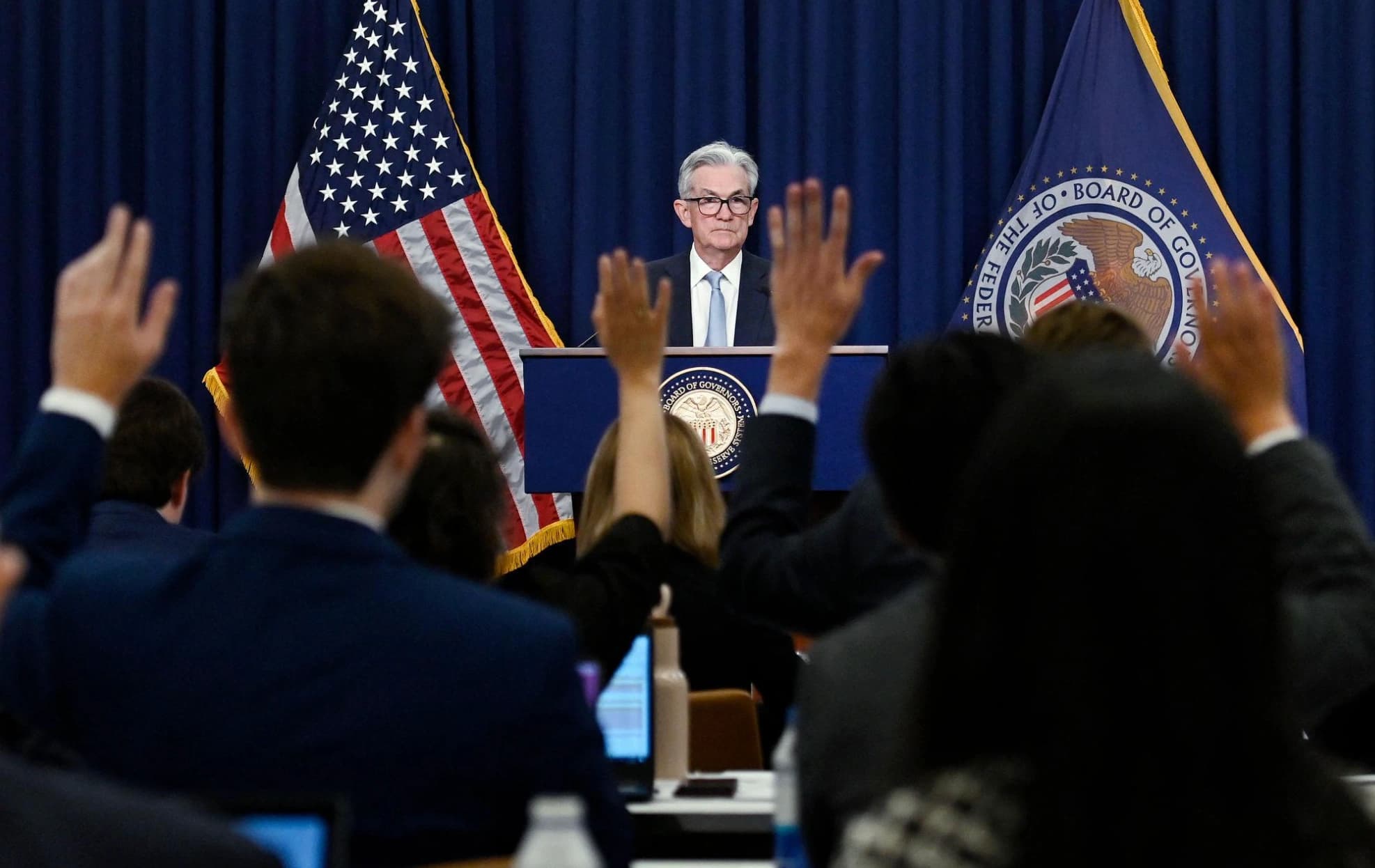
Chair Kevin Warsh, for his part, gave markets almost nothing at the post-meeting press conference. His preference for less forward guidance — a deliberate departure from the Yellen-Powell era of maximum transparency — means the statement itself carried unusual informational weight. What the statement did say was pointed: economic activity is "expanding at a solid pace despite elevated uncertainty" tied to the Middle East conflict, inflation "remains elevated relative to the Committee's 2 percent goal, in part reflecting supply shocks," and job gains are keeping pace with workforce growth. Unemployment held at 4.1% in July. None of those conditions scream pause indefinitely.
The arithmetic on September is stark. If those three dissenters hold their positions and can persuade even one currently-neutral member, the committee tips. The minutes will show the internal debate in granular form — whether other members expressed sympathy for a hike, what threshold they set for moving in September, and whether Warsh himself is leaning. That last question is the one traders cannot currently answer from public information.
What the Yield Curve Is Already Pricing
The 10-year Treasury yield at 4.68% against the 2-year at 4.17% produces a positive 51-basis-point spread — a curve that has been re-steepening since the geopolitical flare-up in the Middle East pushed energy prices and inflation expectations back up. WTI crude is at $78.94 per barrel and Brent at $87.86, both elevated enough to keep headline CPI — currently 3.3% year-over-year — sticky above the Fed's target. The curve's shape matters here: a steepening driven by the long end rising faster than the short end typically reflects growth and inflation expectations, not imminent cuts. That's not the environment in which hawkish dissenters lose the internal argument.
SOFR at 3.62% is essentially pinned to the effective fed funds rate of 3.63%, which tells you overnight funding markets see no near-term policy shift as a base case. But "base case" and "tail risk" are two different things, and right now the tail risk of a September hike is larger than at any point since the tightening cycle ended. The Federal Reserve's July FOMC statement described the inflation situation in language more consistent with concern than comfort. The import price index for July — released this morning alongside housing data — was expected to show a deceleration to +0.1% month-over-month from +0.3% in June, which would be a mild disinflationary data point. But one month of import price softness does not move the needle when services inflation remains the dominant driver of the core reading.
Industrial production for July came in against a consensus of +0.2% month-over-month, following June's +0.1%. Capacity utilization was expected at 76.3%, up from 76.1%. Neither number is hot enough to force the Fed's hand on its own, but the broader picture — solid employment, sticky inflation, elevated energy prices, and a geopolitical environment that has kept supply chains uncertain — gives the hawks a coherent narrative heading into September 16.
What Traders Watch Next
The minutes drop at 2:00 PM ET Wednesday, August 19. The key phrase to hunt for is any language suggesting the committee discussed the conditions under which a September hike would be appropriate. If the minutes show that multiple beyond the three dissenters expressed openness to moving in September absent further disinflation progress, front-month fed funds futures will reprice immediately. The September FOMC decision is scheduled for Wednesday, September 16, and between now and then traders get one more CPI print — scheduled for Friday, September 11. That number becomes the fulcrum of the entire rate debate.
For positioning, the 2-year Treasury is the most direct expression of Fed expectations. A break above 4.30% on the 2-year following Wednesday's minutes would signal genuine repricing toward a September hike. The St. Louis Fed's FRED database shows the 2-year has not traded above 4.50% since the early 2026 period — that level represents the upper bound of a serious hike scenario. Equity traders should watch financials, which benefit from a steeper curve and higher short rates, against rate-sensitive sectors including utilities and REITs, which face direct pressure if the September hike narrative gains traction. The NAHB housing market index fell for a second consecutive month in August, and today's housing starts consensus of 1.390 million units was already expected below June's 1.427 million print — another hike would extend the pain in an already-fragile housing sector. September 11 CPI and the 2-year yield at 4.30% are the two levels every macro trader needs on their screen this week.
The Weekly Investor
Daily market analysis for active traders. Free.