SMCI Surges 19% on AI Earnings Beat; NBIS Adds 34%
Super Micro Computer jumped 19% on a blowout quarter and bullish Q1 forecast. Nebius added 34% as AI infrastructure names dominate the week's tape.
Key Points
- Super Micro Computer surged 19% this week after a strong earnings beat and a bullish Q1 revenue forecast, pulling Dell up roughly 10% and Micron up approximately 5% in sympathy.
- Nebius, the Dutch neocloud specialist, added 34% on AI infrastructure demand — the single largest percentage gain among major movers this week.
- Applied Materials filed its 10-Q on August 20, making its fiscal Q3 results the next hard data point for the semiconductor equipment complex heading into the weekend.
Super Micro Computer jumped 19% this week — its biggest move in months — after the server and AI infrastructure specialist delivered a blowout earnings report and issued a forward revenue forecast that caught the Street leaning the wrong direction. The move didn't stay contained to SMCI: Dell Technologies gained roughly 10%, Micron Technology added approximately 5%, and Cisco picked up around 3% in direct sympathy, making this the most broad-based AI infrastructure rally the market has seen since the segment's last earnings cycle.
What SMCI's Numbers Actually Said
The beat itself matters less than the guidance architecture. Super Micro has been a proxy for hyperscaler capital expenditure in real time — when the big cloud platforms accelerate server orders to build out AI training and inference capacity, SMCI's backlog fills first. A bullish Q1 revenue forecast, issued at a moment when the broader market has been debating whether AI capex has peaked, is the strongest possible counter-signal to the bear case. The company didn't just report a quarter; it told investors that demand visibility into the next 90 days is strong enough to put a number on.
The sympathy moves in Dell and Micron reflect how the market reads the AI infrastructure supply chain. Dell's AI-optimized server business — its Infrastructure Solutions Group — has been the fastest-growing segment of a company that spent years repositioning away from commodity PC hardware. A 10% single-week move on SMCI's results implies investors believe Dell's own backlog is similarly healthy. Micron's 5% gain is more mechanical: higher server volumes mean higher DRAM and HBM consumption, and Micron is one of the few U.S.-domiciled manufacturers able to supply high-bandwidth memory at scale. At a time when HBM3E pricing has been recovering from 2025 lows, even a marginal demand signal from SMCI carries significant read-through for MU's near-term revenue line.
Nebius and the Neocloud Bid
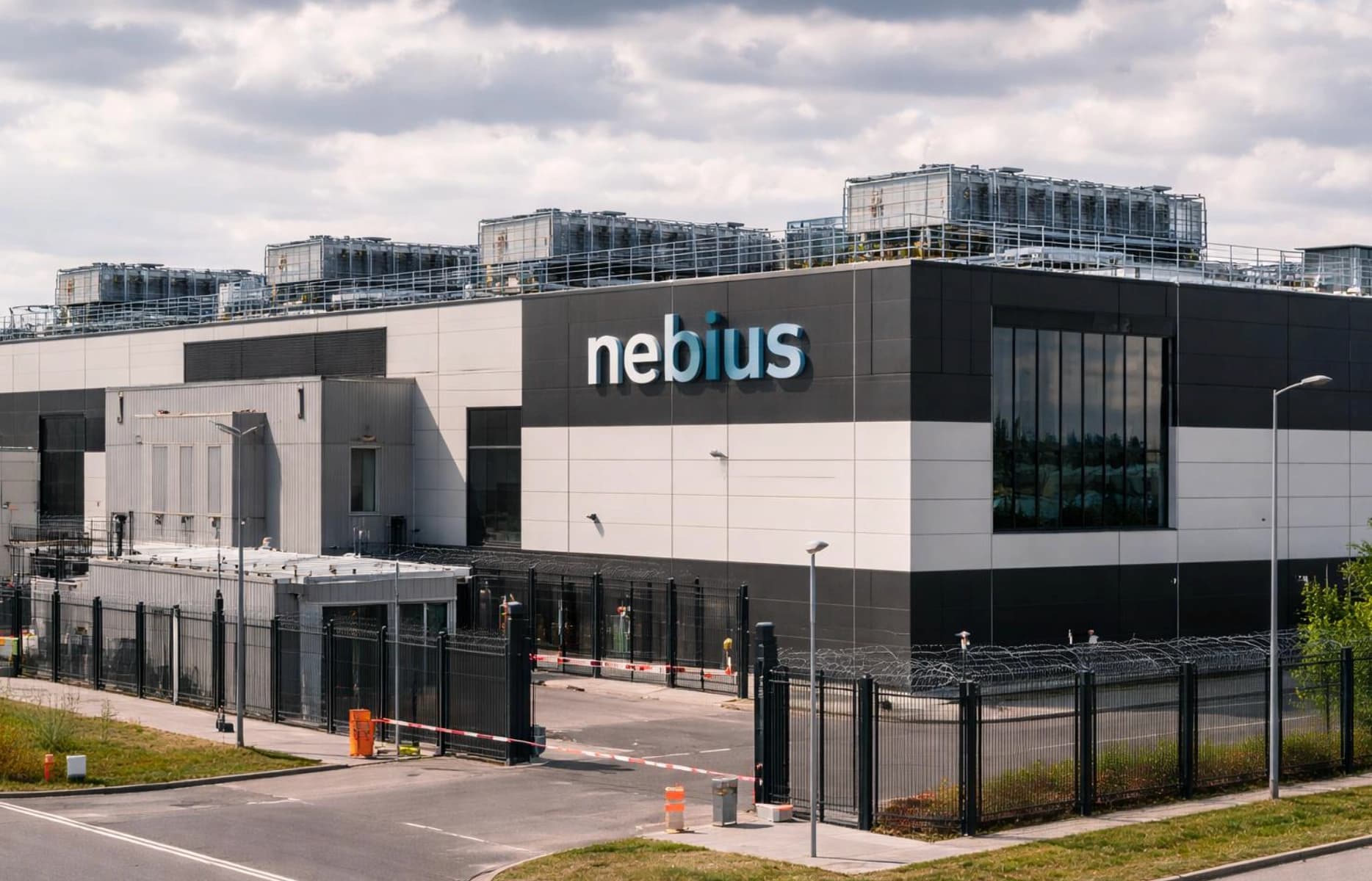
The 34% surge in Nebius this week deserves separate treatment because it reflects a different — and arguably more durable — layer of the AI trade. SMCI's rally and the broader AI tape strength have been concentrated in the hardware and chip supply chain, but Nebius operates as a neocloud provider: it rents GPU compute capacity to enterprises and developers who need AI infrastructure without building it themselves. That business model sits one layer above the hardware makers and captures margin from the explosion in AI model training and inference workloads.
The neocloud category — Nebius, CoreWeave, and a handful of others — has been the subject of intense institutional interest because it offers AI revenue exposure without the capital intensity and cyclicality of semiconductor manufacturing. CoreWeave's IPO earlier this year set a valuation benchmark for the category, and Nebius's 34% move suggests the market is still willing to reprice neocloud assets aggressively on demand signals. For context, a 34% single-week gain on a company with meaningful float is not a retail-driven momentum squeeze — it requires institutional participation. That's the signal worth tracking.
The macro backdrop supports the AI infrastructure bid. The Fed funds rate sits at 3.63% and SOFR at 3.62% — both meaningfully below the 10-year yield of 4.65%, which means the yield curve has un-inverted and term premium is back in the market. Historically, a positively sloped yield curve has been favorable for capital-intensive growth companies because it implies the market is pricing in real economic expansion rather than recession. AI infrastructure capex is, at its core, a bet on multi-year demand growth — exactly the kind of investment thesis that benefits from a curve that is no longer screaming recession.
Applied Materials and What Comes Next
The AI infrastructure rally this week occurred against the backdrop of Applied Materials filing its fiscal Q3 10-Q with the SEC on August 20. AMAT is the largest semiconductor equipment company in the world by revenue, and its results function as a leading indicator for the entire chip manufacturing buildout — the infrastructure that produces the GPUs and memory chips powering AI systems. The 10-Q filing, covering the quarter ended July 26, will be parsed by analysts over the weekend for revenue trends in its semiconductor systems segment, which captures demand from TSMC, Samsung, and Intel as they invest in advanced node capacity.
Western Digital's 10%-plus decline this week — triggered by a disappointing current-quarter revenue projection of $4.1B and adjusted EPS guidance of approximately $4.00 — serves as a reminder that not all semiconductor-adjacent names are benefiting equally from AI demand. WDC's business is weighted toward NAND flash storage, which serves consumer electronics and PC markets more than AI training infrastructure. The divergence between WDC and Micron (which fell while WDC dropped but recovered on the SMCI news) illustrates how precisely the market is now distinguishing between AI-exposed and non-AI-exposed semiconductor revenue streams.
This week's earnings calendar still has names reporting through Friday, and Wolfspeed — flagged by options markets for an implied move of ±18.9% — is the single highest-volatility event remaining. WOLF's silicon carbide power semiconductors are critical for EV powertrains and industrial power conversion, not AI training, so its results will serve as a check on whether the week's AI enthusiasm is obscuring stress in other parts of the semiconductor market. A sharp miss from WOLF on EV-related demand weakness would be a sector-specific negative but would also test whether the AI trade is strong enough to hold the Philadelphia Semiconductor Index (SOX) above the 4,200 level that has served as technical support through August. That level, and the AMAT 10-Q details, are the two most specific things to watch heading into next week.
The Weekly Investor
Daily market analysis for active traders. Free.