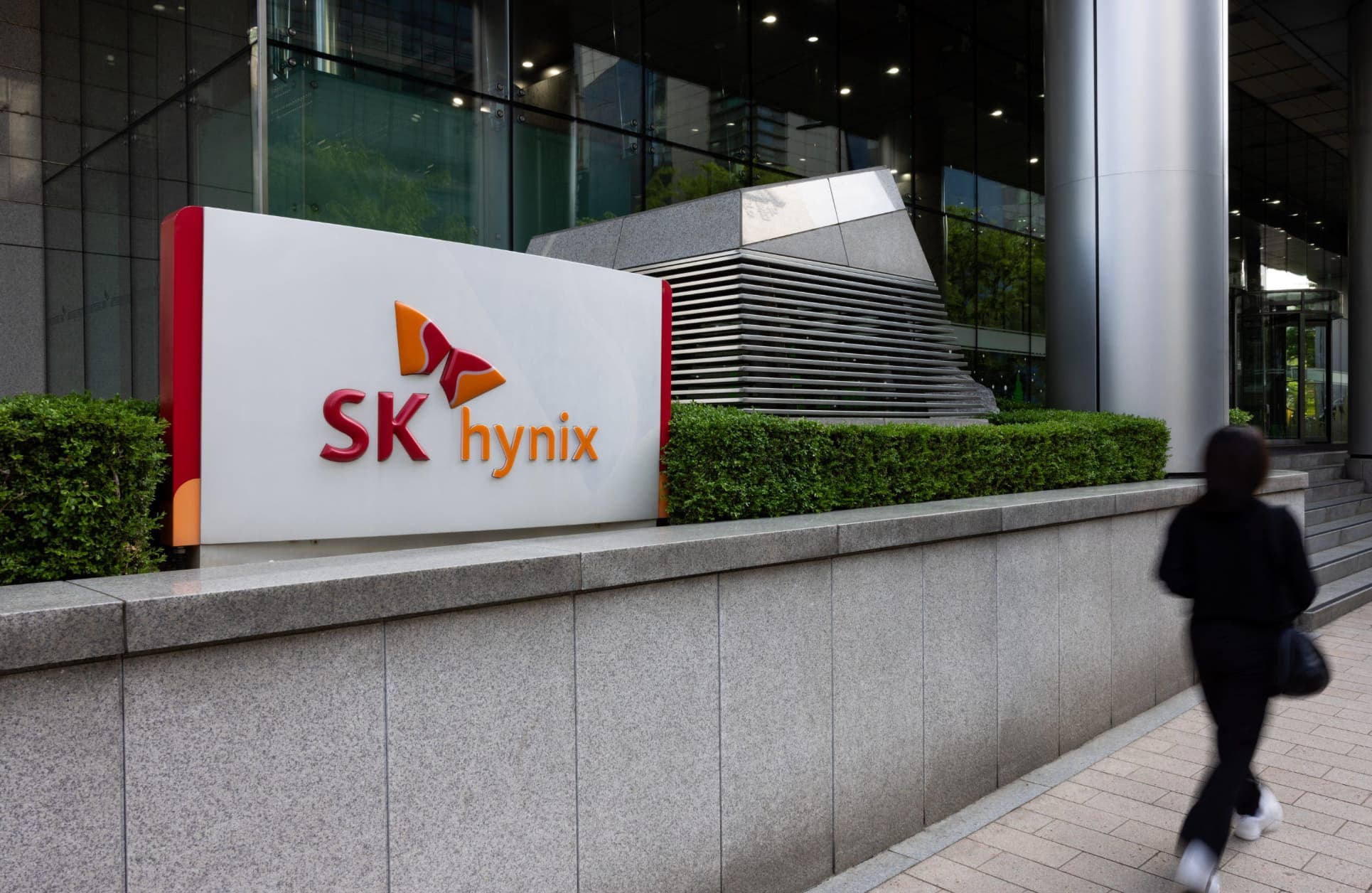
SK Hynix IPO Hangover: SKHY Drops 8% in Seoul
SK Hynix fell 8.2% in Seoul Monday after its blockbuster $26.5B Nasdaq IPO. Here's what the selloff means for HBM stocks MU and SKHY.
Key Points
- SK Hynix shares dropped as much as 8.2% in Seoul Monday after closing its Nasdaq debut at $168.01 — up 13% from its $149 IPO price — on a $26.5B raise that was seven times oversubscribed.
- The selloff was triggered by profit-taking and investor disappointment that HBM4 chip shipment volumes did not materially increase in Q2, undermining the near-term demand narrative.
- TSMC's Q2 earnings on July 16 are the next major catalyst — any guidance miss on AI-driven advanced node demand would deepen the pressure across the entire HBM and advanced packaging complex.
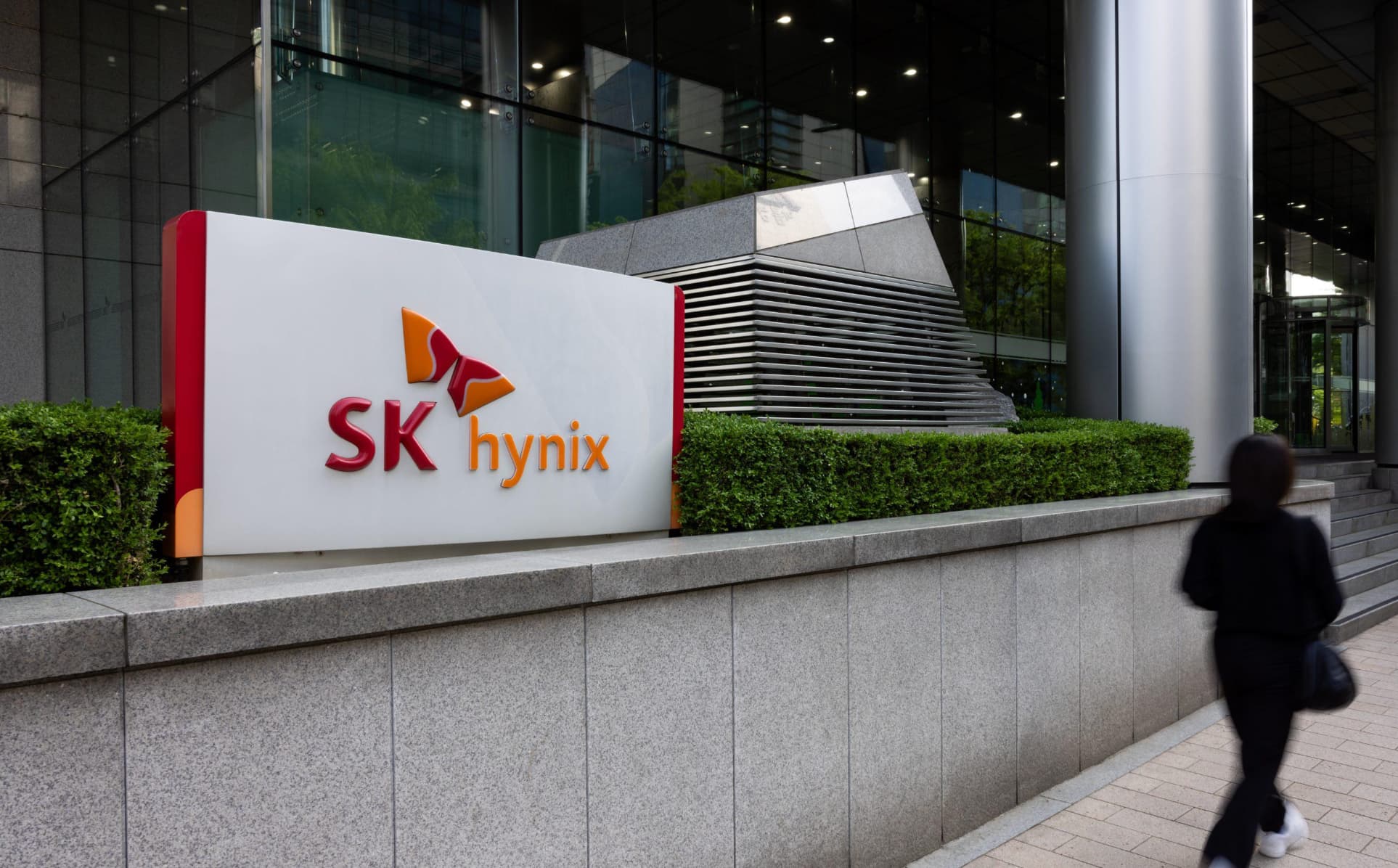
SK Hynix's Seoul-listed shares fell as much as 8.2% Monday morning as investors who rode the Nasdaq debut euphoria straight into profit-taking exited fast. The stock had closed its first Nasdaq session at $168.01 — a 13% premium to its $149 IPO price — on a $26.5 billion raise that drew more than seven times oversubscription demand. Twenty-four hours later, the enthusiasm curdled.
The IPO That Ate Itself
The mechanics of the selloff are straightforward and the warning signs were visible before Seoul opened. Whenever a mega-cap IPO prices at a significant premium and trades up sharply on day one, the institutional books that got filled at $149 face an immediate question: take the 13% in 24 hours or hold for a structural story that won't fully materialize until 2027. On Monday, enough of them answered "take it" to knock 8.2% off the Seoul price in early trade.
The more substantive concern — the one that will linger beyond the post-listing hangover — is HBM4. Investors heading into the Nasdaq debut had been pricing in a sequential increase in SK Hynix's HBM4 chip shipments from Q1 to Q2. That increase did not appear to have materialized at scale, and the Q2 earnings data will confirm or deny it. SK Hynix held a 58% revenue share of the global HBM market in Q1, according to Counterpoint Research, with Samsung and Micron each sitting at 21%. That dominance is the core of the bull thesis, and any slippage in the ramp schedule for HBM4 — the next-generation standard that AI accelerator customers including Nvidia have been counting on — puts that 58% figure at risk.
The spillover into U.S. chip stocks was immediate. Nvidia dropped 1.7%, AMD and Broadcom each slid roughly 3%, and Intel led the sector lower with a 4.6% decline in pre-market trading Monday. The iShares Semiconductor ETF (SOXX) fell 3%. Micron (MU), which competes directly in HBM and holds 21% revenue share, was also lower — a notable move given Micron poured first concrete at its New York fab on July 9 and announced up to $3 billion in new U.S. investment the same week. Geopolitical pressure added a second layer: the U.S. launched multiple waves of airstrikes against Iranian targets following an Iranian attack on a container ship in the Strait of Hormuz, rattling energy-intensive semiconductor names that are acutely sensitive to power cost disruptions and supply chain stress through the Strait.
The 2027 Supply Warning Nobody Wants to Hear
Set aside the single-session profit-taking — the structural case for HBM is being built in real time and the signals are not subtle. SK Hynix CEO Kwak Noh-jung delivered a comment last week that deserves more attention than it has received from traders focused on the IPO pop: he said he believes the global memory industry is heading into its "worst year" of supply shortage in 2027. That is not a hedge or a disclaimer. That is the CEO of the company with 58% HBM revenue share telling you the commodity he sells is about to become dramatically scarcer.
The expansion plans SK Hynix filed alongside its Nasdaq listing reflect that conviction. The company is building a cluster of chip fabrication plants in Yongin, South Korea, with a total price tag of $390 billion — a figure that puts South Korea's broader $880 billion national semiconductor and AI infrastructure commitment into context. Samsung and SK Hynix together account for $518 billion of that national plan, with SK Hynix's Yongin cluster representing the largest single component. In the United States, SK Hynix has separately committed $4 billion to an advanced packaging plant in Indiana, which will handle a portion of the HBM that ships to American AI customers — a direct hedge against the tariff and export control environment that has reshaped semiconductor supply chain strategy since 2025.
The Nasdaq listing itself raised $26.5 billion, and the seven-times oversubscription tells you institutional demand for direct HBM exposure was genuinely hungry — not inflated by retail momentum. The problem is that hungry institutions also have risk management desks, and an 8% overnight decline in the Seoul listing gives those desks a very clean reason to trim before Q2 earnings clarify the HBM4 ramp timeline.
What Traders Watch Next
The immediate trade around SKHY and MU comes down to two datapoints arriving in the next six days. First, SK Hynix's own Q2 earnings will clarify whether the HBM4 shipment ramp disappointment is a one-quarter delay or a structural problem. A one-quarter delay, given the 2027 shortage setup the CEO outlined, is a buying opportunity. A structural problem — yield issues, customer qualification failures, or demand softness from Nvidia's next-gen accelerator timeline slipping — is a different story entirely and would reprice the entire HBM complex.
Second, and arguably more important for the sector, TSMC reports Q2 on July 16. Wall Street is looking for $39.76 billion in revenue and $3.77 per share in earnings, both roughly 52-53% above year-ago levels. TSMC has already confirmed it is sold out on its N3 process node — the advanced manufacturing line that produces the GPUs and CPUs driving HBM demand in the first place. If TSMC's Q2 guidance for Q3 disappoints on N3 utilization or AI revenue mix, the bullish demand signal that underpins the entire HBM supply shortage thesis gets complicated fast, and Monday's 3% SOXX decline will look like a warm-up. The $168 closing price on SKHY's Nasdaq debut is the level to watch: a sustained break below that on volume signals that institutional sellers are not done.
The Weekly Investor
Daily market analysis for active traders. Free.