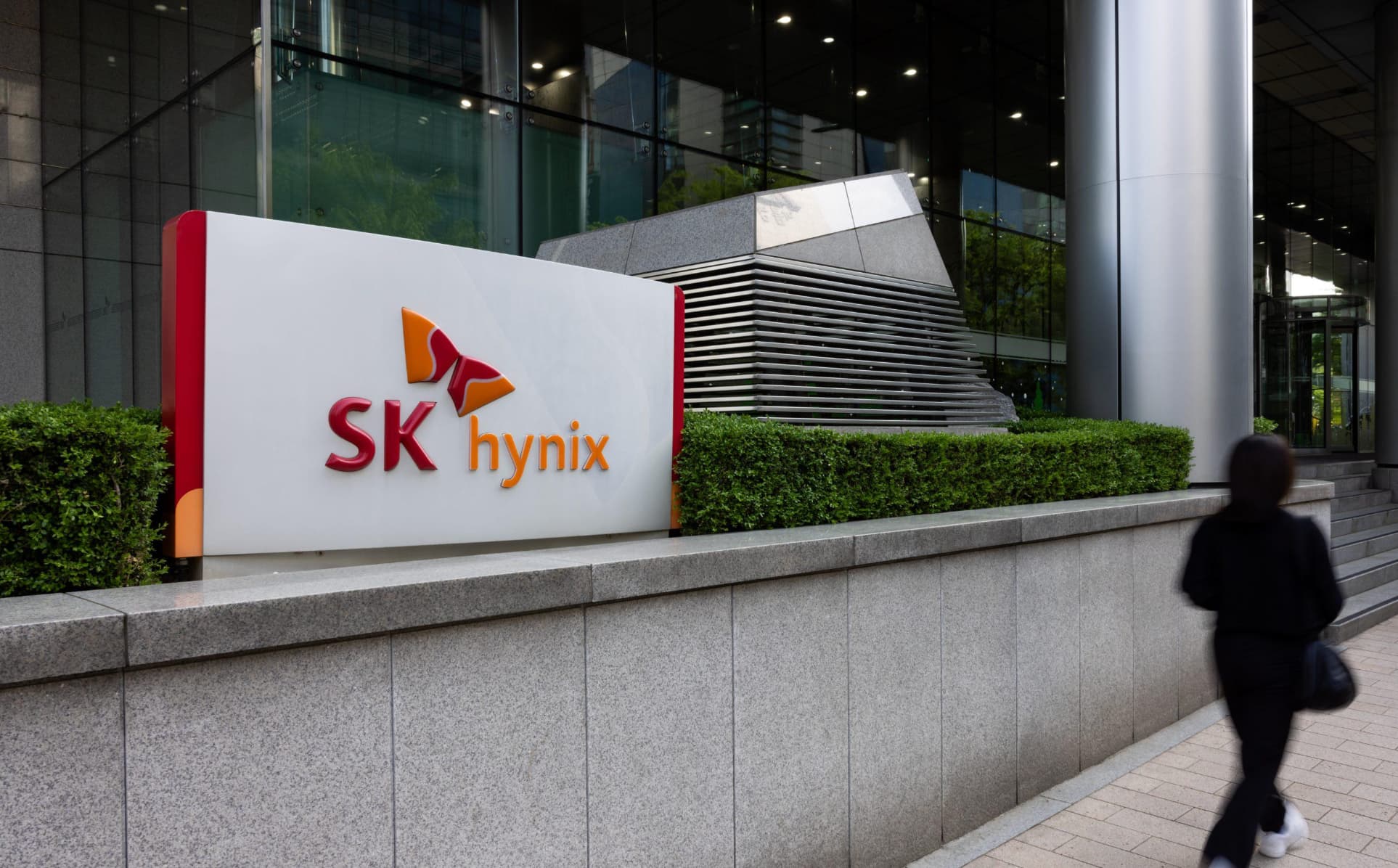
SK Hynix IPO Debuts at $149, Targets $26.5B Record
SK Hynix prices its Nasdaq IPO at $149 per ADS, targeting $26.5B — potentially the largest U.S. IPO by a foreign company, with 7x oversubscription and 56% HBM market share.
Key Points
- SK Hynix priced its Nasdaq ADS offering at $149 per share, targeting approximately $26.5 billion — which would surpass Alibaba's $25 billion record as the largest U.S. IPO by a foreign company.
- The offering was seven times oversubscribed, and SK Hynix controls 56.4% of the global high-bandwidth memory market with Nvidia, Google, and Microsoft as anchor customers.
- Watch SKHY's opening print against the $149 IPO price and monitor MU's reaction — any premium above 15% on the open would signal the market is pricing a structural HBM shortage premium, not just IPO-day noise.
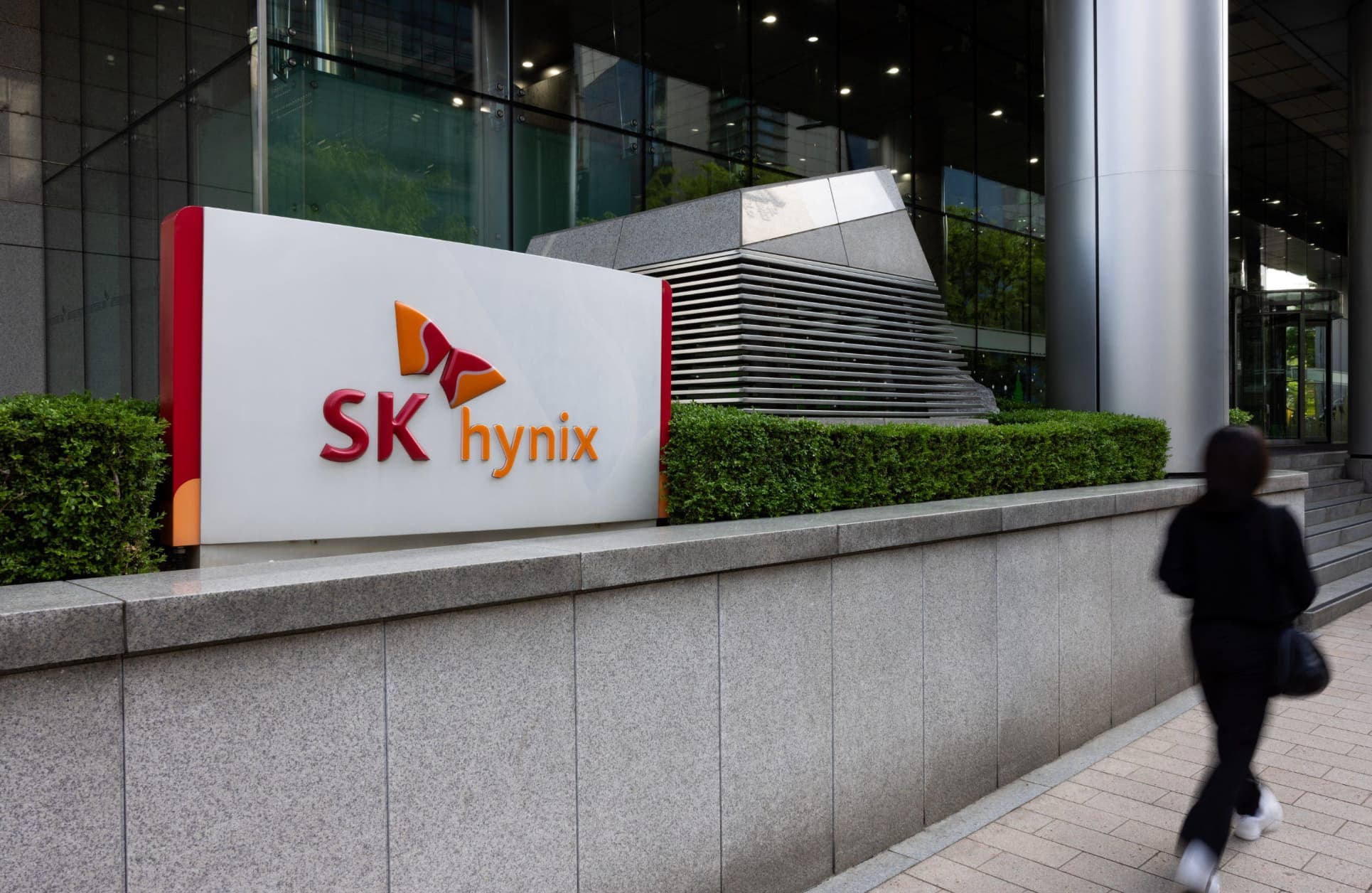
SK Hynix priced its American Depositary Shares at $149 apiece ahead of today's Nasdaq debut, targeting approximately $26.5 billion in proceeds that would eclipse Alibaba's $25 billion offering from 2014 as the largest U.S. IPO ever by a foreign company — and demand at seven times the available float suggests the market agrees the memory cycle has entered a new phase that existing public equities aren't fully capturing.
The Number Behind the Hype
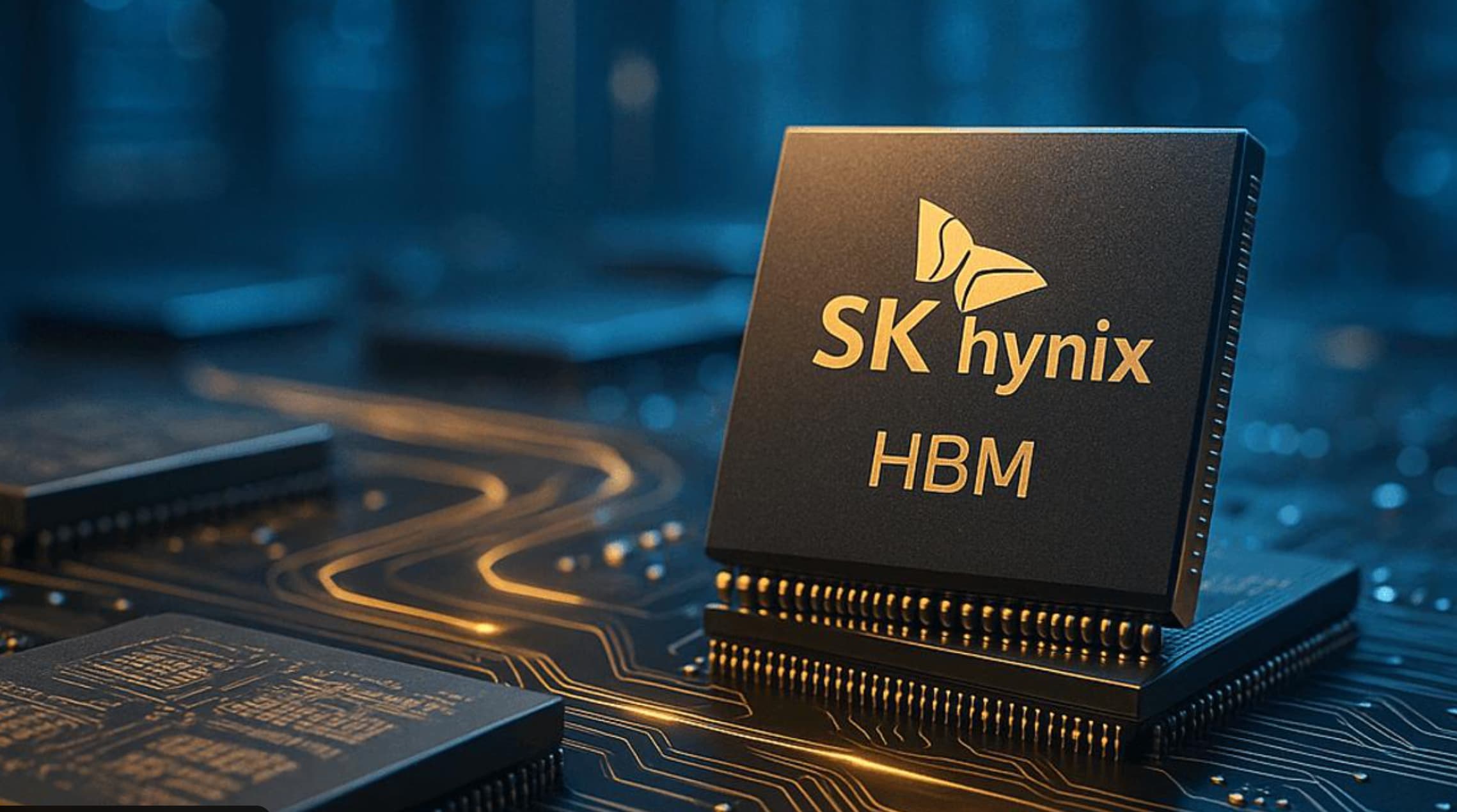
Seven times oversubscribed at $149 per ADS is not routine IPO froth. Book-running syndicates managed by Bank of America, Citigroup, Goldman Sachs, and JPMorgan don't clear 7x cover ratios on bloated $26 billion deals unless institutional allocators are making a conviction call — and in this case, the conviction is built on a single number: 56.4%. That is SK Hynix's disclosed share of the global high-bandwidth memory market, per the company's own SEC filing. HBM is the memory architecture that sits inside every Nvidia H100, H200, and Blackwell GPU, stacked in layers using through-silicon via technology to deliver the bandwidth that large language model training and inference require. There is no workaround. If you are building AI infrastructure at scale in 2026, you are buying HBM, and more than half of global supply runs through one company that, until today, U.S. investors could only access through a thin ADR structure.
The Korea-listed SK Hynix stock has surged 770% over the past 12 months — even after a 20% pullback from its June peak — outrunning Micron Technology's own impressive 700% gain over the same period. That 70-percentage-point gap reflects a simple supply reality: Micron has been ramping HBM3E production aggressively, but SK Hynix has been shipping HBM at volume to Nvidia for two years longer. The institutional knowledge embedded in that lead time doesn't disappear overnight. Micron's HBM yield improvements are real but their production ramp is still catching up to SK Hynix's output run rate. The IPO pricing implicitly quantifies what the market believes that lead is worth: roughly a $26.5 billion capital raise at a valuation that puts the company's U.S.-listed float alone in the range of major semiconductor names.
The Capex Purpose Is the Trade
SK Hynix has been explicit about where the $26.5 billion goes: capital expenditures for expanding production facilities in South Korea and acquiring extreme ultraviolet lithography scanners. EUV machines, manufactured almost exclusively by ASML, cost approximately $350–$400 million per unit for the most advanced models — and they are the production bottleneck for next-generation DRAM nodes that will underpin HBM4 and beyond. Every EUV scanner SK Hynix acquires represents a capacity constraint removed from the supply side of the AI infrastructure equation. This is not a company raising money to pay down debt or fund a dividend — this is a company using the deepest capital market in the world to lock in manufacturing supremacy before its competitors can close the gap.
Yahoo Finance's coverage of the offering frames the IPO as giving U.S. investors direct access to HBM shortages that have been driving semiconductor valuations for 18 months without a clean vehicle to express the trade. That framing is accurate but incomplete. The more interesting angle is what SK Hynix's capex plan signals about the duration of the shortage. Companies don't raise $26.5 billion to build capacity for a one-year cycle. The EUV investments being outlined imply a production timeline that won't yield meaningful incremental HBM output until late 2027 at the earliest — meaning the supply-demand imbalance that has driven Micron and Nvidia's returns is, by SK Hynix's own capital allocation decision, expected to persist for at least 18 more months.
What the IPO Means for MU and the Broader Tape
Fortune's pre-IPO analysis noted that the Nasdaq debut creates a new direct competitor for institutional memory-sector allocation — meaning some marginal dollars that were parked in Micron as the closest HBM proxy will now rotate into SKHY directly. This is the under-discussed near-term risk for MU specifically. Micron closed up 4.5% on July 9 riding the SK Hynix IPO euphoria along with the broader semiconductor rally — the VanEck Semiconductor ETF finished up 2.5%, SoftBank surged 11% in Tokyo, and SK Hynix's Korea-listed shares rose 5.3% overnight. That momentum is real and is supported by the macro setup: the 10-year yield is at 4.56%, SOFR at 3.58%, and with core CPI at 2.8% the Fed isn't tightening into this tech rally. But once SKHY is trading freely, institutional portfolio managers running semiconductor overweights will need to decide how much of their HBM exposure belongs in MU versus SKHY — and the answer likely involves trimming the proxy to fund the primary.
The read-through for the broader tape is unambiguously constructive in the near term. A successful $26.5 billion IPO — if SKHY opens above $149 and holds — validates the AI infrastructure spending narrative at a scale that dwarfs any single earnings print. Nvidia's clients are buying enough HBM to justify the largest foreign IPO in U.S. history. That is a demand signal, not a sentiment signal. The risk scenario is an IPO-day pop followed by a sharp giveback if the broader market reads the $26.5 billion capital raise as supply-side saturation rather than demand confirmation — watch whether SKHY holds the $149 IPO price through the close, not just at the open. Sandisk's 7.6% gain on July 9 and ASML's 2.2% rise suggest sector momentum is intact heading into the debut. The specific level to watch: SKHY sustaining above $165 — roughly an 11% premium to the IPO price — through the first full trading session would indicate genuine price discovery rather than flipper-driven volatility, and would set up a trade in MU toward the $175–$180 range on sympathy before Micron's next earnings in late August.
The Weekly Investor
Daily market analysis for active traders. Free.