Semis Shed $1T: TSMC July 16, INTC July 23 Are Now Binary
Semiconductor stocks have lost over $1 trillion in market value. TSMC reports July 16, Intel July 23. Here's what traders need to know before both prints.
Key Points
- The semiconductor sector has shed over $1 trillion in market value since July 1, when Intel fell 10.59%, AMD dropped 8.34%, and TSMC slid 4.88% after Bank of America flagged AI bubble risk — with follow-through selling on July 7 hitting Micron down 6.98% and SanDisk down 9.77%.
- Goldman Sachs removed TSMC from its Asia-Pacific Conviction List on July 1 with the stock trading at approximately 48.5% above its estimated intrinsic value, while simultaneously calling Nvidia a "Bargain" at a forward P/E of 21.7 versus its five-year average of 72 — a split verdict that defines the sector's internal divergence.
- TSMC's July 16 print is the first major sector catalyst and will set the tone for Intel on July 23, Microsoft on July 29, and the full hyperscaler capex confirmation cycle that follows.
More than $1 trillion in semiconductor market value has evaporated since July 1, and the sector hasn't found a floor yet. Intel dropped 10.59% on July 1 alone, AMD fell 8.34%, and TSMC shed 4.88% — then the selling resumed on July 7, with Micron dropping 6.98% and SanDisk falling 9.77%. Intel and AMD's moves reflect something more serious than a rotation: Wall Street is running a live stress test on whether $725 billion in hyperscaler AI capex actually translates into earnings that justify current chip valuations. Two binary events will answer that question — TSMC on July 16 and Intel on July 23.
The Divergence That Defines This Trade
Goldman Sachs delivered two contradictory verdicts in the same week, and both were correct depending on which ticker you held. On July 1, Goldman removed TSMC from its Asia-Pacific Conviction List with the stock trading at approximately 41.5 times earnings and roughly 48.5% above its estimated intrinsic value — an unusual move from a firm that had been among TSMC's most consistent institutional advocates. On the same day, Goldman called Nvidia stock a "Bargain," pointing to a forward P/E of 21.7 against the company's five-year average of 72. Bank of America simultaneously issued a "Buy" on Nvidia while flagging broader bubble risk in the AI trade. The sector is not moving as a monolith — it's bifurcating between companies where AI demand creates durable earnings power and companies where AI demand is priced in at levels that can't tolerate a single guidance miss.
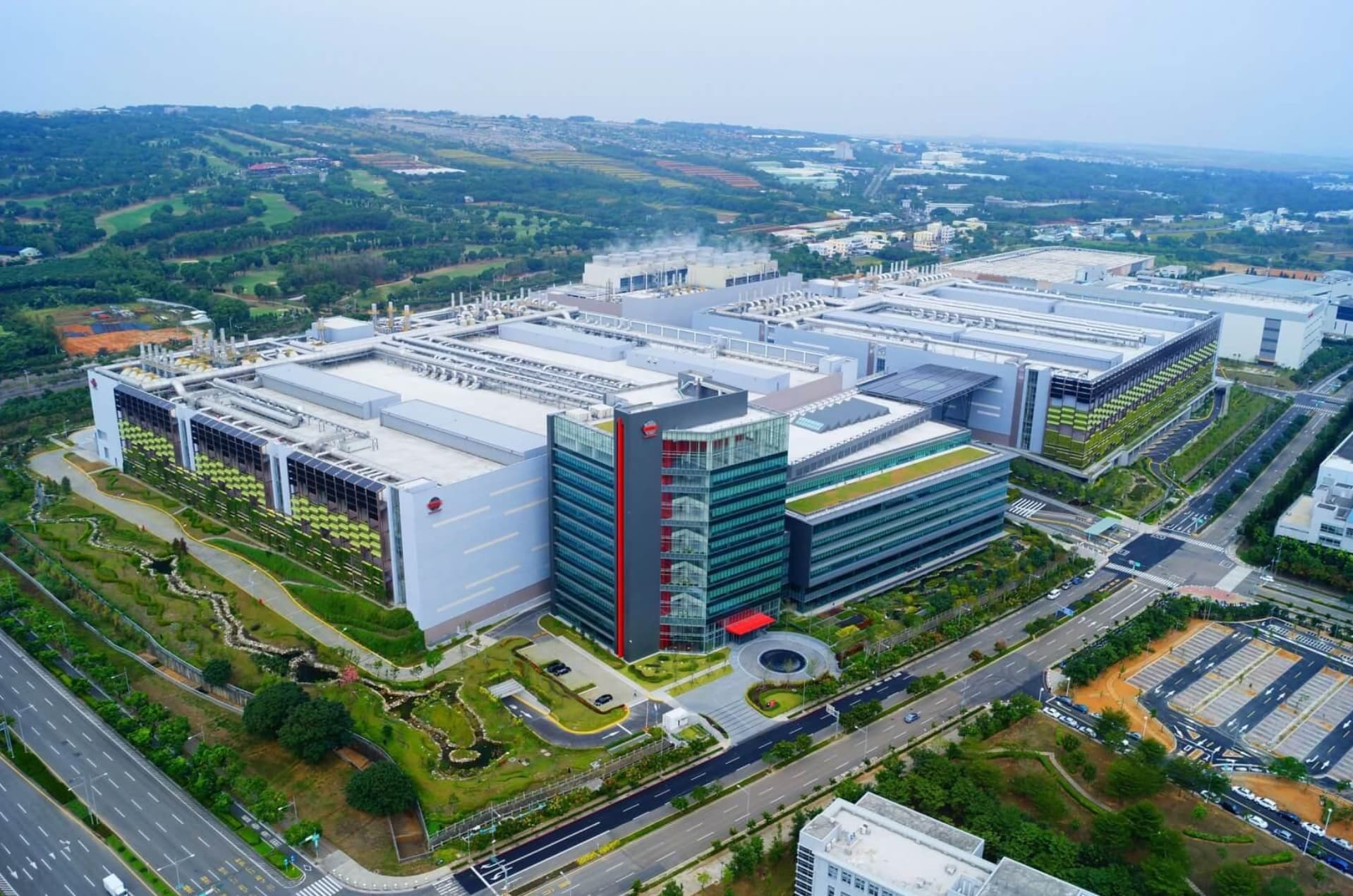
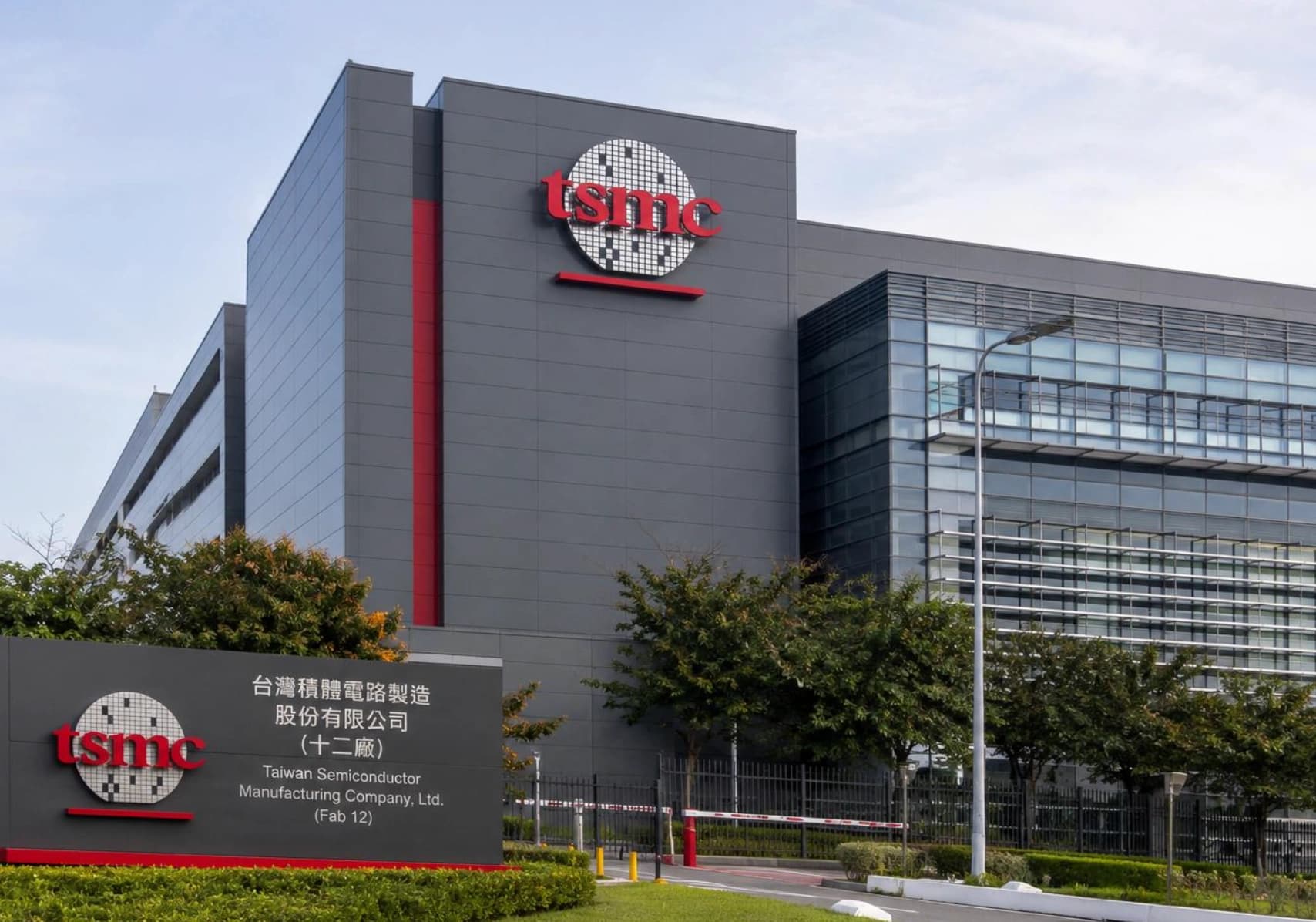
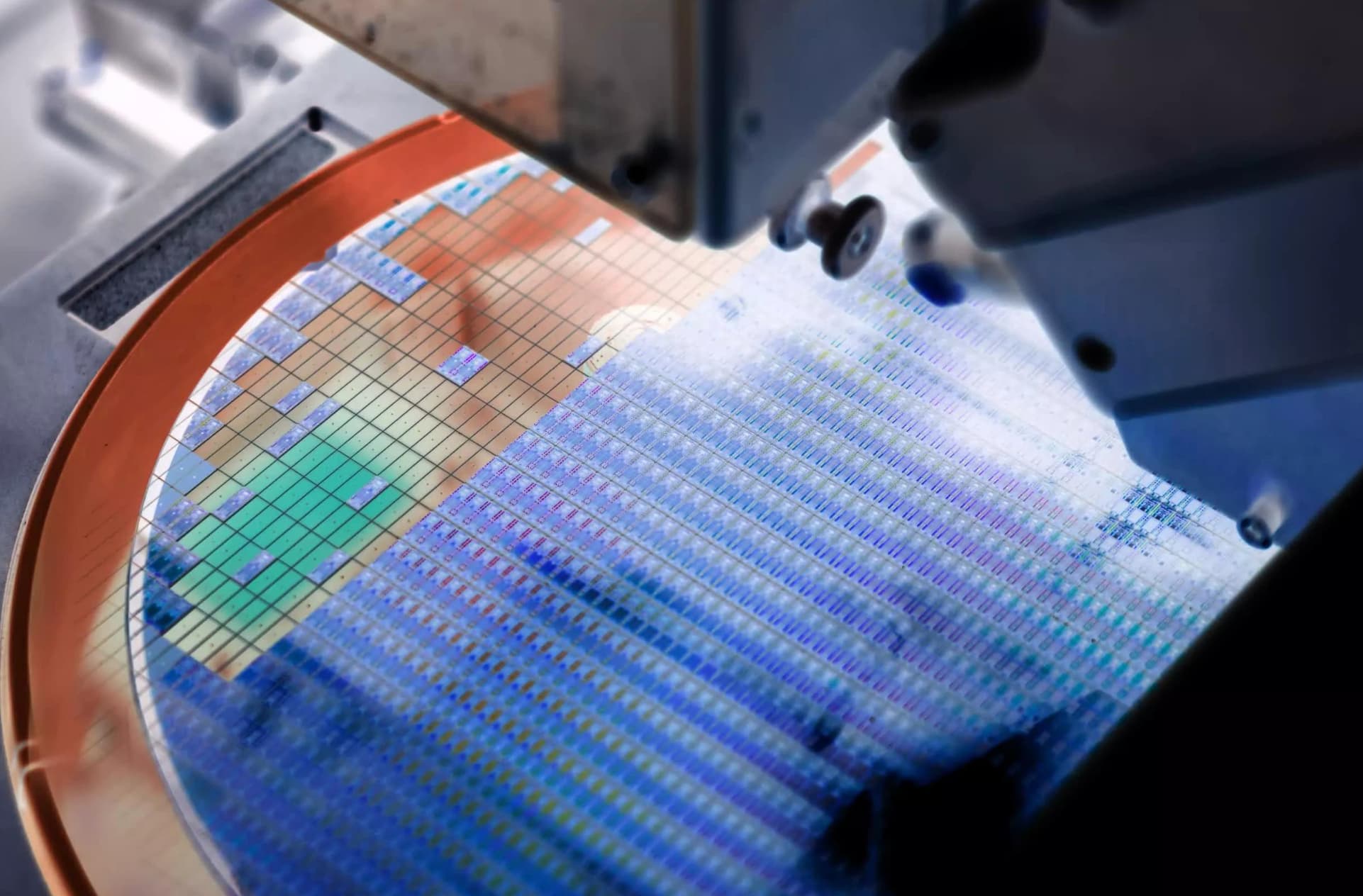
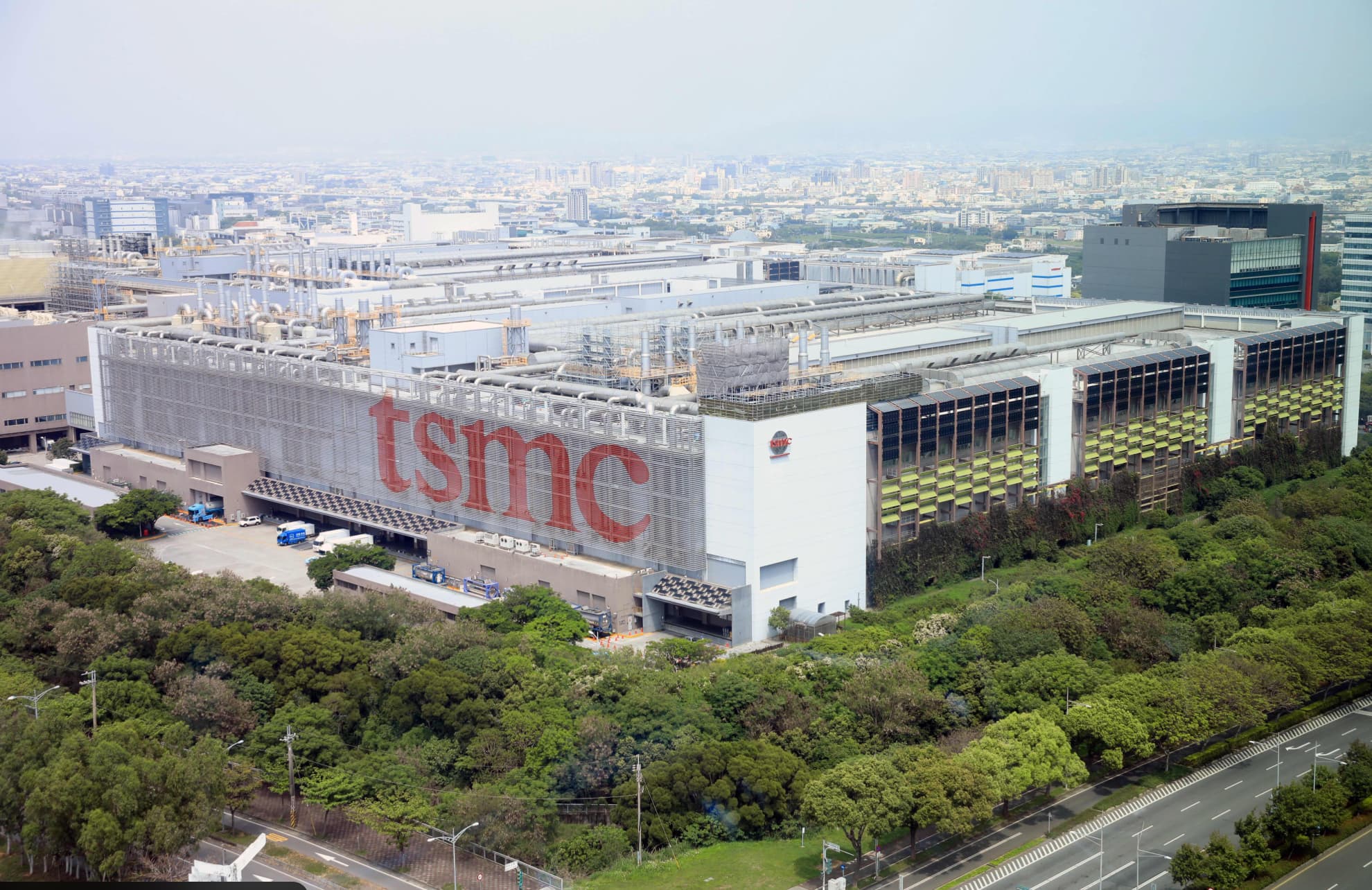
The TSMC case is the most structurally important. TSMC is simultaneously the supply constraint and the valuation problem. The company is ramping 2nm chip capacity by 70% to meet AI demand, high-bandwidth memory that drives semiconductor industry growth is sold out through most of 2027, and Q2 2026 semiconductor earnings are projected to grow 131% year-over-year according to FactSet. Those numbers should make TSMC untouchable. But at 41.5 times earnings with Goldman off the Conviction List and the stock 48.5% above estimated intrinsic value, the margin for error on the July 16 print is functionally zero. Any guidance language that implies 2nm ramp costs are pressuring near-term margins — or that customers are pushing out delivery windows — will accelerate the drawdown that's already underway.
South Korea's macro bet adds geopolitical dimension to the TSMC and HBM supply chain story. Seoul announced an $880 billion 10-year investment plan spanning semiconductors, AI infrastructure, and robotics, with Samsung and SK Hynix alone committing $518 billion toward new fabrication sites. That's a sovereign-level bet that the AI infrastructure buildout is not a bubble — it's a multi-decade structural demand shift. For traders long TSMC and Nvidia on the infrastructure thesis, South Korea's commitment is the most significant non-US institutional signal to emerge in months. But sovereign investment timelines run on decade-long horizons; they don't protect a stock trading at 48% premium from a single quarter's earnings disappointment.
Intel's Binary on July 23
Intel is the most contrarian opportunity and the most binary event in the sector. The stock has been in freefall — down more than 21% in the recent drawdown — and CEO Lip-Bu Tan, who took the helm in March 2025, is executing a restructuring that the market hasn't priced as credible yet. The 18A process node entered volume production in late 2025, and early yields have been described as encouraging. Microsoft and Qualcomm have signed on for advanced packaging and foundry services — two names that carry enough credibility to suggest Intel's foundry business is not dead, but rather delayed.
The July 23 print is binary in the truest sense. If Intel can demonstrate that 18A yields are on a commercially viable trajectory and that its foundry customer pipeline is expanding beyond the two known anchor tenants, the stock's current distressed valuation becomes a buying argument. If Tan's commentary suggests yield improvement is slower than guided, or if foundry revenue timelines push further right, the stock has no near-term floor. The broader semiconductor selloff has already compressed Intel's valuation to a level where the market is assigning limited option value to the 18A ramp — which means a positive surprise carries asymmetric upside relative to the incremental downside of a miss.
Nvidia's position in this environment is the clearest bull case with the clearest binary risk attached to it. Today's headline — Perplexity selected Nvidia's Vera chip over Intel and AMD after speed testing — is a concrete customer win that demonstrates Vera's real-world competitive positioning, not just benchmark performance. Vera CPU wins mean direct share loss for AMD's EPYC line and continued margin pressure on Intel's server CPU business. Cathie Wood selling $8 million in AMD while Goldman raised AMD's price target on strong server CPU demand reflects exactly the kind of institutional disagreement that creates trading opportunities in both directions. AMD's next-gen EPYC "Venice" on TSMC's 2nm process remains the primary catalyst for the stock's recovery thesis — but it's a late-2026 event, not a July event.
What the July 16 TSMC Print Sets in Motion
The earnings sequence from here is not a series of independent events — it's a cascade. TSMC reports on July 16, and its commentary on 2nm customer demand, CoWoS advanced packaging capacity, and HBM supply chain dynamics will directly inform the setup for every subsequent report in the cycle. If TSMC guides conservatively on 2nm revenue contribution or signals that hyperscaler customers are deferring orders into 2027, it validates the Bank of America bubble concern and gives the July 1 selloff a fundamental basis rather than a sentiment-driven one. If TSMC reports strong Q2 revenue and raises forward guidance on 2nm demand, it puts a floor under the sector and makes Nvidia's August 26 $91 billion revenue target look achievable rather than aspirational.
Intel on July 23 and Microsoft on July 29 complete the first round of the cycle. Microsoft's Azure AI growth rate is the hyperscaler capex validation metric — the company has committed approximately $190 billion to AI infrastructure in 2026, and the market needs to see Azure revenue growth that justifies that spend. The FTC's active probe into Microsoft's cloud, AI, and software businesses is an overhang that has no specific date attached, but any probe escalation between now and the July 29 earnings call would materially complicate the post-earnings reaction. Goldman Sachs projects four hyperscalers will collectively spend $725 billion on AI infrastructure this year — a 77% year-over-year increase. The July earnings cycle is the first real-world audit of whether that spending is generating returns that the equity markets can model. TSMC's July 16 number is where the audit begins, and traders should be positioned before the open on that date, not after it.
The Weekly Investor
Daily market analysis for active traders. Free.