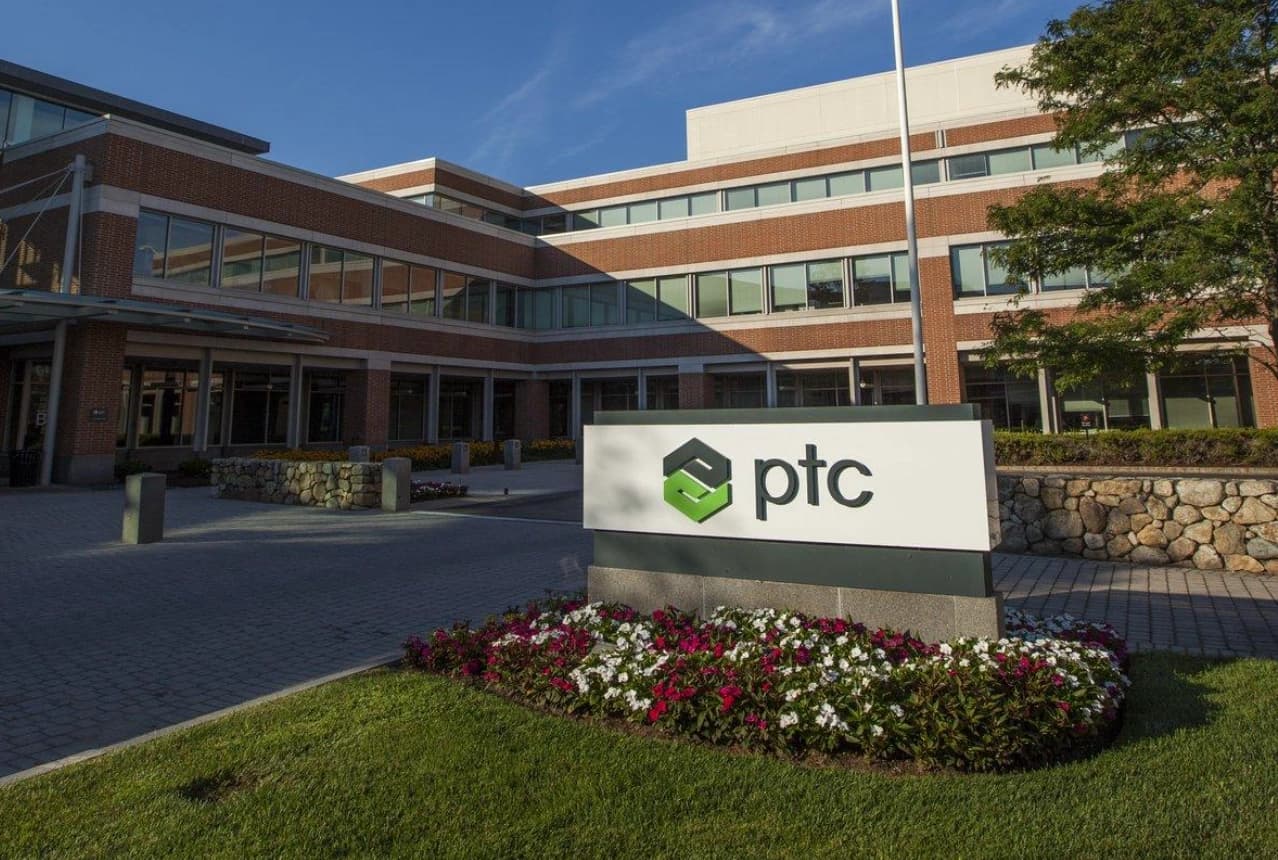
Schneider Pays $205/Share for PTC in $22.6B AI Bet
Schneider Electric's $22.6B all-cash acquisition of PTC at $205/share sends PTC surging 34% while Schneider loses €15B in market cap in Paris trading.
Key Points
- Schneider Electric is acquiring PTC at $205/share in an all-cash deal worth $22.6 billion — a 42.3% premium to PTC's last close of $144.03.
- Schneider is explicitly framing the purchase as an AI play, acquiring PTC at what Jefferies called a "decade-low valuation" as AI disruption fears have depressed industrial software multiples.
- The deal closes Q3 2027, meaning the risk-arb spread and regulatory review timeline are the two variables that will determine whether today's +34% print is the ceiling or the floor.
Schneider Electric is buying PTC for $205 a share in an all-cash transaction valued at $22.6 billion — the French industrial giant's largest acquisition ever — and the market immediately split its verdict: PTC shareholders are collecting a 42.3% premium while Schneider investors watched nearly €15 billion ($17 billion) evaporate from the company's Paris-listed market cap before Monday's open, a single-session reversal of a 29% year-to-date gain.
The Deal's Logic — and Its Contradiction
The strategic thesis is straightforward on paper. PTC makes industrial software — product lifecycle management, industrial IoT platforms, digital twins — that sits at the exact intersection of physical infrastructure and data intelligence Schneider has been building toward for a decade. The enterprise value of the deal comes in at $23.7 billion, or €21.1 billion, and Schneider is framing it as a direct play on the AI supercycle: factories and power grids generating machine data that PTC's software helps analyze, optimize, and monetize. Two months ago, Schneider agreed to acquire Cognite Holding, an AI industrial-data software firm, signaling that this is a deliberate platform-building strategy rather than opportunistic deal-making.
The contradiction is harder to dismiss. Jefferies put it cleanly: "AI disruption fears are still weighing on software valuations, which allows acquiring PTC at a decade-low valuation but could still weigh on Schneider post deal." In other words, the same market narrative that made PTC cheap enough to buy is the narrative that will haunt Schneider's stock long after the ink dries. PTC closed at $144.03 before the deal was announced — a price that reflects months of multiple compression across industrial software as investors debated whether AI tools would cannibalize the very platforms PTC sells. Schneider is betting they will not, or more precisely, that PTC becomes the beneficiary rather than the victim. That's a credible argument. It's also an argument that takes years to prove.
J.P. Morgan offered the softer read: "Large-scale M&A is typically unwelcome in the first instance by European investors, although Schneider Electric's deals have typically proven strategically astute." That's a reference to AVEVA, the British industrial software company Schneider acquired for roughly $11 billion — a deal that was also criticized at announcement and later vindicated. The AVEVA comparison will be central to every analyst call on Schneider for the next 12 months. Whether PTC follows that script depends almost entirely on whether AI turns out to be a tailwind for industrial software or the disruptive force the bears have been pricing in.
What the Arb Spread Is Telling You
PTC shares jumped 34.4% in U.S. premarket trading, landing close to but not at the $205 offer price. That gap — the spread between where PTC is trading and the $205 all-cash consideration — is the risk-arb trade in a single number. All-cash deals carry cleaner arb profiles than stock-for-stock transactions; there's no acquirer share price risk contaminating the return. What remains is regulatory risk, deal timeline risk, and the small but nonzero probability that something structurally changes before Q3 2027.
The timeline is the most consequential variable. A Q3 2027 close means this deal needs roughly nine months of regulatory processing across multiple jurisdictions. Schneider is a French company acquiring a Boston-based U.S. industrial software firm with significant exposure to defense-adjacent manufacturing customers. U.S. regulatory scrutiny under CFIUS — while not certain — can't be ruled out, and European antitrust review is a near-certainty given Schneider's existing position in industrial automation software via AVEVA. The arb community will be doing the math on annualized yield against those timelines, and any news that extends the close date past Q3 2027 compresses that yield significantly.
For non-arb investors, the setup is different. If you held PTC before today, this is a 42.3% windfall on an announced deal — the question is whether you hold for the final spread or rotate out now at the day's gains. The case for staying in is simple: all-cash, credible acquirer, no financing condition risk. The case for trimming is equally simple: nine months of capital tied up for a spread that, at current trading levels, likely implies a mid-single-digit annualized return — attractive for an arb fund, less compelling for a concentrated equity portfolio.
What Traders Watch Next
The Schneider side of this trade is arguably more interesting for active investors than the PTC arb itself. A 10% single-session decline on a company with Schneider's track record of deal execution represents either a genuine re-rating of the strategic risk or a European investor overreaction to deal size — and the distinction matters enormously to anyone willing to take the other side. Schneider's Paris-listed shares had gained 29% year-to-date before Monday's open; that gain reflected a market that had fully priced in the AI infrastructure buildout as a Schneider tailwind. What the market is now repricing is whether Schneider's balance sheet can sustain a €21.1 billion acquisition while continuing to invest in its core electrification and energy management business.
The AVEVA precedent cuts both ways here. That deal also drew immediate market skepticism, also involved a British software company with industrial IoT exposure, and also closed at a premium that looked aggressive relative to prevailing software multiples. What followed was a period of integration execution that eventually validated the acquisition logic — but Schneider shareholders absorbed real pain in the interim. The difference this time is that PTC is a larger asset, the AI narrative is moving faster, and Schneider is layering this acquisition on top of the Cognite deal it agreed in June. Integration capacity is a genuine question.
For traders watching the sector more broadly, the PTC deal reestablishes a valuation floor for industrial software that had been drifting lower all year. If Schneider — a sophisticated, repeat acquirer in this space — is willing to pay 42.3% above market for PTC at what Jefferies calls a decade-low multiple, it implicitly signals that private market valuations for comparable assets (digital twin platforms, industrial IoT software, PLM vendors) are meaningfully above where public markets have been trading them. That's a catalyst for re-rating across the peer group. Names like Hexagon, Siemens Digital Industries, and Dassault Systèmes all carry comparable exposure and have been subject to the same AI-disruption discount. Watch whether those names see institutional inflows this week as portfolio managers update their comparable transaction matrices. The first hard date to mark: any regulatory filing disclosures from either company, which will clarify jurisdictional review scope and begin the clock on the Q3 2027 target close.
The Weekly Investor
Daily market analysis for active traders. Free.