RTX Q2 2026: $271B Backlog on the Line Today
RTX Corporation reports Q2 2026 earnings pre-market July 23. Street expects $1.66 EPS on $22.88B revenue. Here's what traders need to watch.
Key Points
- The Street expects RTX to report Q2 EPS of $1.66 on revenue of $22.88B — representing 36.1% EPS growth and 6.0% revenue growth versus Q2 2025.
- RTX enters this print on the back of a 12.65% average earnings surprise over its last four quarters, with a $271B backlog up 25% year-over-year providing hard revenue visibility.
- Options traders are pricing a 5.14% post-earnings move in either direction — watch whether management raises full-year EPS guidance above the current $6.70–$6.90 ceiling.
RTX Corporation hit the tape this morning with Q2 2026 results against a consensus of $1.66 EPS on $22.88B in revenue — a bar that implies 36.1% earnings growth and 6% top-line expansion from the year-ago period. The print matters beyond the beat-or-miss binary: RTX is sitting on a $271 billion backlog that has grown 25% year-over-year, and the market needs to see proof that the company can actually convert that pipeline into operating profit at the pace it demonstrated in Q1.
The Backlog Is the Story
The $271 billion backlog figure is not a marketing number — it is the most important data point in the RTX investment thesis. A backlog 25% larger than it was twelve months ago means RTX has locked in future revenue at a rate that significantly outpaces its current top-line growth of 6–9%. That gap between booking velocity and revenue recognition is what drives long-duration upside in defense primes, and RTX has it in spades heading into Q2.
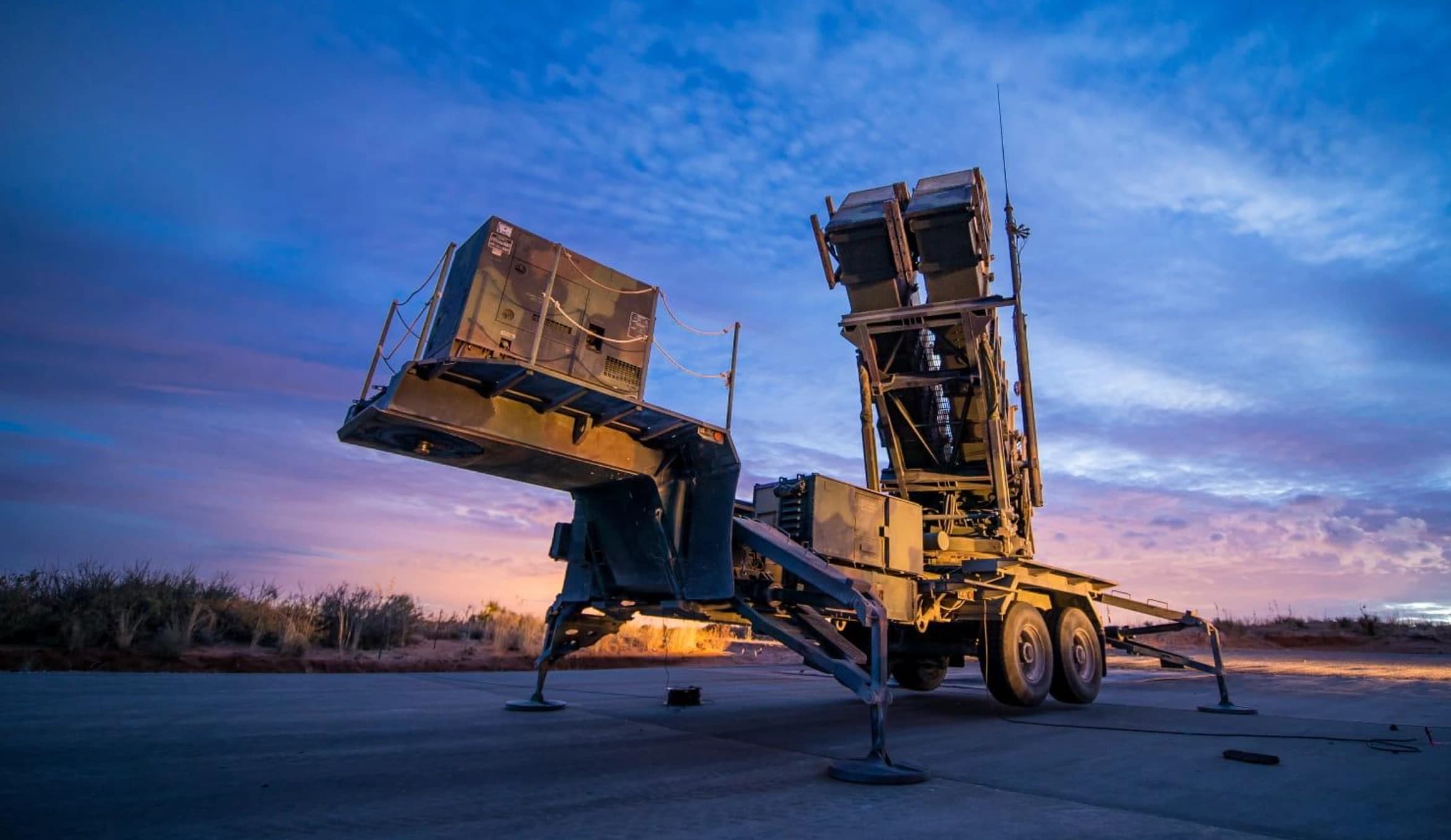
The composition of that backlog matters as much as the size. Raytheon's Patriot surface-to-air missile systems and GEM-T interceptors have been in extraordinary demand — NATO allies are rearming at the fastest pace since the Cold War, and the U.S. defense budget is tracking above $1 trillion for the fiscal year. In Q1, Raytheon's adjusted operating profit rose 25%, driven specifically by higher volume on Patriot and naval defense programs. The question before traders this morning is whether Raytheon maintained that margin profile in Q2 or whether program mix, supply chain friction, or labor cost pressures clipped the gains.
Pratt & Whitney, RTX's commercial aerospace engine division, is the other lever. The commercial aviation recovery is no longer a tailwind story — it is now a baseline, and Pratt's aftermarket revenue has become a durable, high-margin contributor. Airlines globally are flying near-record seat miles, keeping older P&W-powered fleets in service longer and generating replacement parts and maintenance revenue that carries margins well above original equipment sales. If Pratt's aftermarket segment posted another strong quarter, that is the kind of mix shift that could push consolidated margins above what the Street has modeled.
What Q1 Set Up — and What It Demands of Q2
RTX's Q1 report was not just a beat — it was a statement. Adjusted EPS of $1.78 crushed the $1.52 consensus by 17%, and net sales of $22.1B represented 9% growth. Management responded by raising full-year adjusted sales guidance to $92.5–$93.5B and lifting the EPS outlook to $6.70–$6.90 with free cash flow guidance held at $8.25–$8.75B. That post-Q1 guidance raise created a higher floor for Q2 expectations and, critically, raised the bar for what constitutes a genuine upside surprise today.
The math is straightforward: if RTX is guiding to $6.70–$6.90 in full-year EPS and has already delivered $1.78 in Q1, it needs to average roughly $1.64 per quarter across Q2, Q3, and Q4 to hit the midpoint of guidance. The Street's Q2 consensus of $1.66 sits just barely above that run rate — meaning analysts are modeling a near-linear trajectory for the rest of the year with minimal step-up. A Q2 print that comes in at $1.75 or above, similar to the Q1 beat, would force a consensus revision cycle and almost certainly trigger another guidance raise for the full year.
RTX has beaten the Zacks consensus estimate in each of its last four quarters with an average surprise of 12.65%. A 12.65% beat on the current $1.66 consensus implies a Q2 EPS print of approximately $1.87. Whether the company reaches that level depends heavily on Raytheon's program execution — specifically, whether the Patriot production ramp held its cost structure through the quarter, and whether Collins Aerospace, the avionics and interiors segment, continued to benefit from the commercial build rate acceleration at Boeing and Airbus.
Options traders are pricing a 5.14% move in either direction following today's Q2 earnings report. At RTX's recent trading range, a 5.14% move represents roughly $6–7 in stock price. That implied move is relatively contained for an earnings event of this magnitude, which suggests the options market views the risk as balanced — not a coin flip on a disaster scenario, but a measured bet on whether management delivers another beat-and-raise or simply meets elevated expectations.
What Traders Watch Next
The headline EPS and revenue numbers will move the stock at the open, but the real action for position traders is in the guidance revision. RTX management raised the full-year outlook after Q1, and the key question is whether they do it again today. A second consecutive guidance raise would signal that the defense backlog conversion is accelerating and that management has genuine visibility into the back half — a powerful setup for a stock that carries institutional ownership from nearly every major defense-focused fund.
Specifically, watch the free cash flow guidance line. The company has held its FCF outlook at $8.25–$8.75B, and any upward revision to that range would signal that working capital dynamics are improving — particularly meaningful in a defense environment where government contract timing can create lumpy cash conversion. A lift to $8.5–$9.0B in FCF guidance would likely attract incremental buying from dividend-growth investors, since RTX's dividend coverage ratio is already comfortable and management has been active on buybacks.
The macro context is unambiguously supportive. The 10-year Treasury yield sits at 4.63%, which creates a discount-rate headwind for long-duration growth names but is relatively neutral for a defense prime like RTX that generates immediate, contracted cash flows. At an unemployment rate of 4.2% and CPI running at 3.5%, the Federal Reserve is unlikely to ease aggressively — meaning the rate environment is not deteriorating further for capital-intensive defense programs. With SOFR at 3.61% and the Fed Funds Rate at 3.63%, RTX's financing costs on its debt stack are manageable and unlikely to compress earnings meaningfully in the near term.
The critical level to watch on the chart is whether RTX holds gains through the session following the initial reaction. Defense earnings prints frequently see early morning euphoria followed by institutional profit-taking into the afternoon, particularly when a stock has already run into the print on backlog optimism. If RTX gaps higher and closes in the upper half of its intraday range, that is institutional accumulation confirming the print. If the stock reverses and closes below the open, expect analysts to trim targets ahead of Q3 — the next scheduled earnings date in late October 2026.
The Weekly Investor
Daily market analysis for active traders. Free.