
Retail Sales Slowdown Tests Consumer Resilience
June retail sales consensus calls for +0.2% MoM — but ex-auto strip expected to go negative. Here's what the 8:30 ET print means for July 29 FOMC.
Key Points
- Advance retail sales for June are expected to show just +0.2% MoM growth — a sharp deceleration from May's +0.9%, with the ex-auto strip forecast to print negative for the first time in several months.
- The soft consumer read arrives with Governor Waller's explicit July 29 hike threat still live, making any downside miss a double-edged sword: bad for growth, but potentially the data cover the Fed needs to stay on hold.
- Watch the Retail Control Group number — consensus +0.5%, prior +0.7% — as the single figure most likely to move the tape at 8:30 ET; a print below +0.3% accelerates hard-landing pricing.
The most consequential 8:30 AM release in months drops today: advance retail sales for June, with consensus sitting at a tepid +0.2% MoM against May's robust +0.9% — and buried in that report is the ex-auto strip, which is expected to go negative at -0.1%, the first sub-zero reading in several months. That combination — decelerating headline, contracting ex-auto — lands on a market already navigating 3.5% CPI, a Fed with a live hike threat on the table for July 29, and an Atlanta Fed GDPNow tracking Q2 growth at just 1.3% annualized.
The Consumer Is Cracking
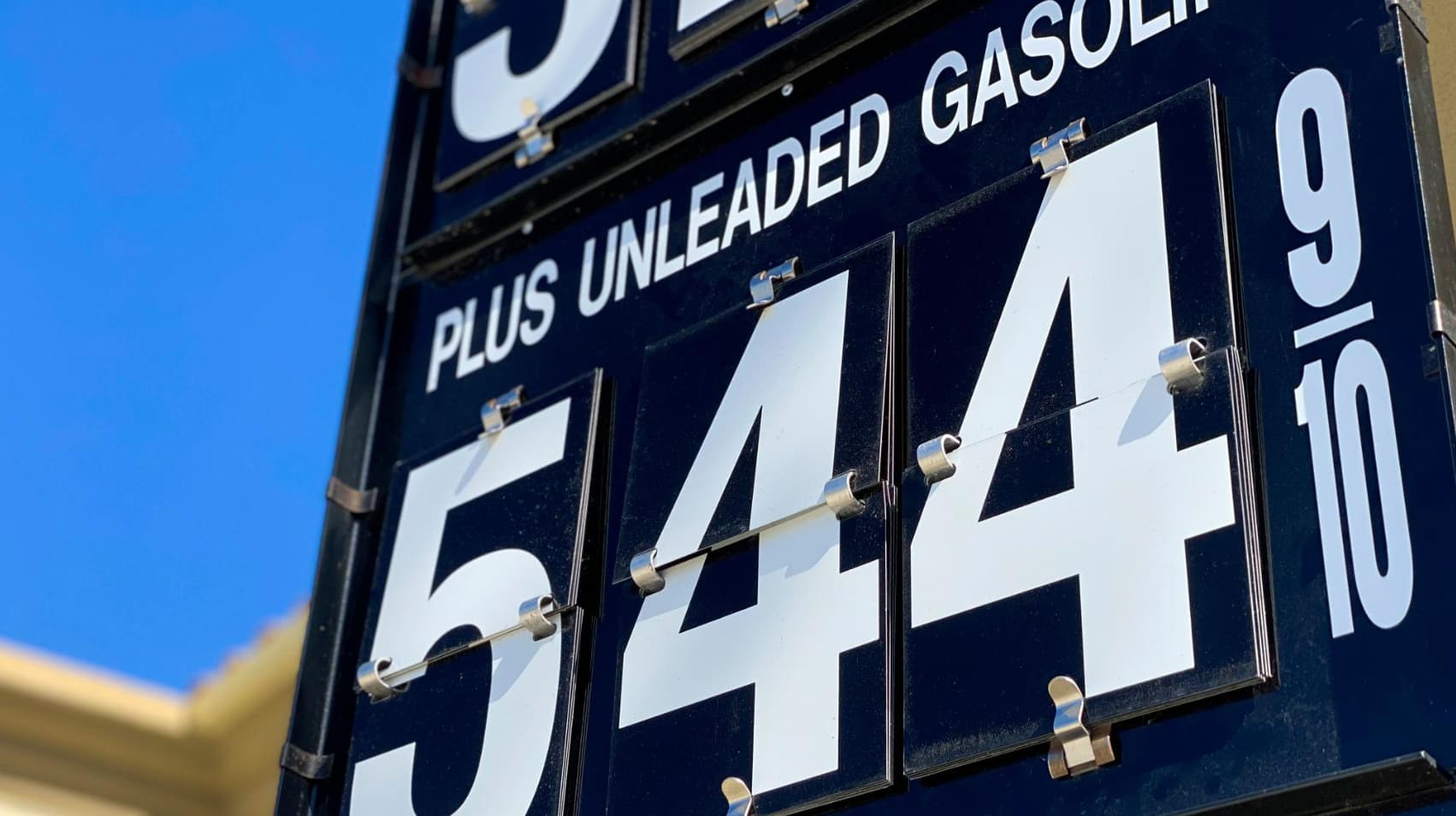
The setup for today's print has been building since spring. The CPI-U's 0.4% MoM plunge in June — the largest single-month decline since April 2020 — was driven almost entirely by a 5.7% collapse in energy prices. That gasoline relief showed up at the pump, but it did not translate into a consumer spending surge. Instead, the forward-looking consensus for retail sales suggests households used the energy windfall to shore up savings or pay down debt rather than spend it back into the economy. That behavioral shift, if confirmed by the data, fundamentally changes the calculus for Q2 GDP.
The Retail Control Group — the measure that feeds directly into the BEA's GDP calculation by stripping out autos, gasoline, building materials, and food services — is the number traders should anchor to. Consensus is +0.5% MoM against a prior reading of +0.7%. A print in the +0.5% to +0.7% range would be broadly neutral; anything below +0.3% triggers an immediate downward revision to Atlanta Fed's 1.3% GDPNow estimate and opens the door to sub-1% Q2 tracking. With Q1 2026 GDP logged at 2.1% annualized, a two-quarter deceleration of that magnitude is not a soft landing — it is a stall.
The spending categories to watch inside the release are discretionary: restaurants, clothing, electronics, and sporting goods. These are the first to show consumer stress and the last to recover. May's +0.9% headline was flattered by auto sales; strip those out and the underlying pulse was already softening. June fuel price deflation removed one tailwind that had been quietly propping up nominal gas station receipts. The net effect going into today's data: fewer places for retailers to hide.
Waller's Hike Threat and the Data Trap
Here is where today's number becomes genuinely treacherous for positioning. On July 13 — the day before the CPI print — Governor Waller flagged that "if we get another hot reading on core inflation this week, the FOMC will need to consider tightening monetary policy in the near term." Core CPI came in at +2.6% YoY in June, which Waller's warning framing suggests is not automatically disqualifying for a hold — but his speech made clear the Fed's tolerance for upside surprises is effectively zero heading into July 29.
Today's retail sales data creates a policy trap in either direction. A strong beat — retail control above +0.7% — signals consumer resilience that keeps inflation risks elevated and keeps the hike option on the table, pressuring the front end of the Treasury curve. The 2-year yield is currently at 4.18%, already pricing meaningful optionality around the July 29 decision. A strong consumer print pushes that yield toward 4.30% and compresses the 40-basis-point spread between the 2-year and the 10-year (currently at 4.58%) further. A weak print — control below +0.3% — gives the Fed cover to hold in July, but it simultaneously validates the growth deceleration fears embedded in the 1.3% GDPNow and invites hard-landing repricing in equities.
The June FOMC dot plot projected PCE inflation at 3.6% for 2026 — a sharp revision higher from the prior 2.7% — while simultaneously cutting GDP projections to 2.2%. That stagflationary combination is precisely what makes today's retail print so consequential: the Fed cannot cut to rescue a slowing consumer without risking re-acceleration in core prices that are already running at 2.6%. It cannot hike to fight inflation without accelerating what the GDPNow already suggests is a meaningful growth slowdown. Chair Warsh, in Congressional testimony this week before both the House Financial Services Committee and the Senate Banking Committee, addressed the inflation trajectory directly in the context of Middle East conflict supply shocks — but offered no pivot signal. The Fed is in a wait-and-see posture that today's data will directly challenge.
What Traders Watch Next
Initial jobless claims at 8:30 ET — simultaneous with retail sales — add a second layer of complexity. Consensus is 216K against a prior 215K. The labor market has remained stubbornly resilient, with the unemployment rate holding at 4.2% as of June, and continuing claims near 1,814K. A claims print above 225K alongside a weak retail sales number is the worst-case combination for growth bulls: it signals the labor market cushion that has supported consumer spending is finally beginning to erode. The Philadelphia Fed Manufacturing Index at 8:30 ET (consensus 12.7, prior 10.3) adds a third simultaneous input — a rare triple-header that will generate violent initial prints in futures before markets can fully digest all three.
For positioning, the critical level in the retail control group is +0.3%. Above that, the macro story is muddling through and the July 29 hold remains the base case, with SPY likely to hold recent levels and TLT staying under pressure given the rate hike optionality. Below +0.3%, the growth scare is the dominant narrative, Waller's hike threat recedes but does not disappear, and the yield curve faces a confusing cross-current: front-end yields drop on reduced hike odds while long-end yields may also fall on growth fears — a bull flattener that historically signals late-cycle stress rather than recovery. Watch Kansas City Fed President Jeff Schmid at 1:25 PM ET and Governor Philip Jefferson at 7:00 PM ET for the Fed's first verbal response to the morning's data trifecta. Their tone — whether they echo Waller's hawkish conditionality or pivot toward growth concern — sets the narrative heading into the July 29 blackout period, which begins Saturday, July 19. After that date, the data speaks alone, with no Fed officials available to correct market misinterpretations. Today's 8:30 ET release is, effectively, the last Fed-interactive data point before July 29.
The Weekly Investor
Daily market analysis for active traders. Free.