PCE Day: Fed's Inflation Gauge Could Seal a 2026 Hike
June PCE data hits today as the Fed's own projections show 3.6% inflation for 2026. One hot print could lock in a rate hike before year-end.
Key Points
- The Fed's own June SEP revised its 2026 PCE inflation forecast to 3.6% — nearly double the 2% target — while the dot plot signaled a potential rate hike before year-end.
- A hot PCE print today would validate the hawkish minority inside the FOMC, where 17 of 32 former Fed officials surveyed already said a 2026 hike is likely appropriate.
- Watch the 10-year Treasury yield at 4.4% — a PCE surprise to the upside could push it toward 4.6% and reprice the entire rate path before the July 29 FOMC meeting.
Today's PCE release is the most consequential data print of the month, arriving at a moment when the Federal Reserve's own staff has already admitted inflation is running far hotter than previously forecast. The Fed revised its 2026 PCE projection to 3.6% at the June 17 FOMC meeting — up from 2.7% just one meeting prior — and the dot plot for the first time since 2023 put a rate hike back on the table for this calendar year.
The Fed's Credibility Problem
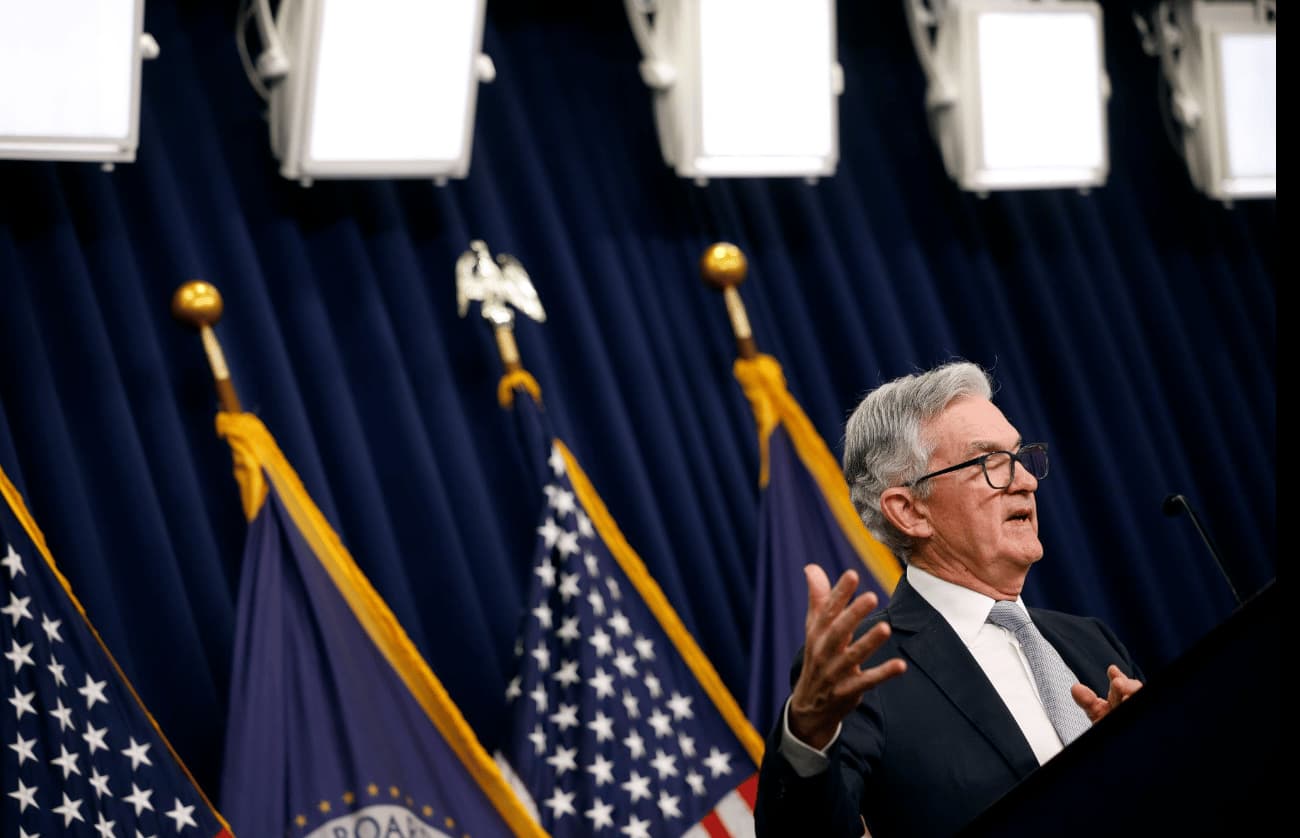
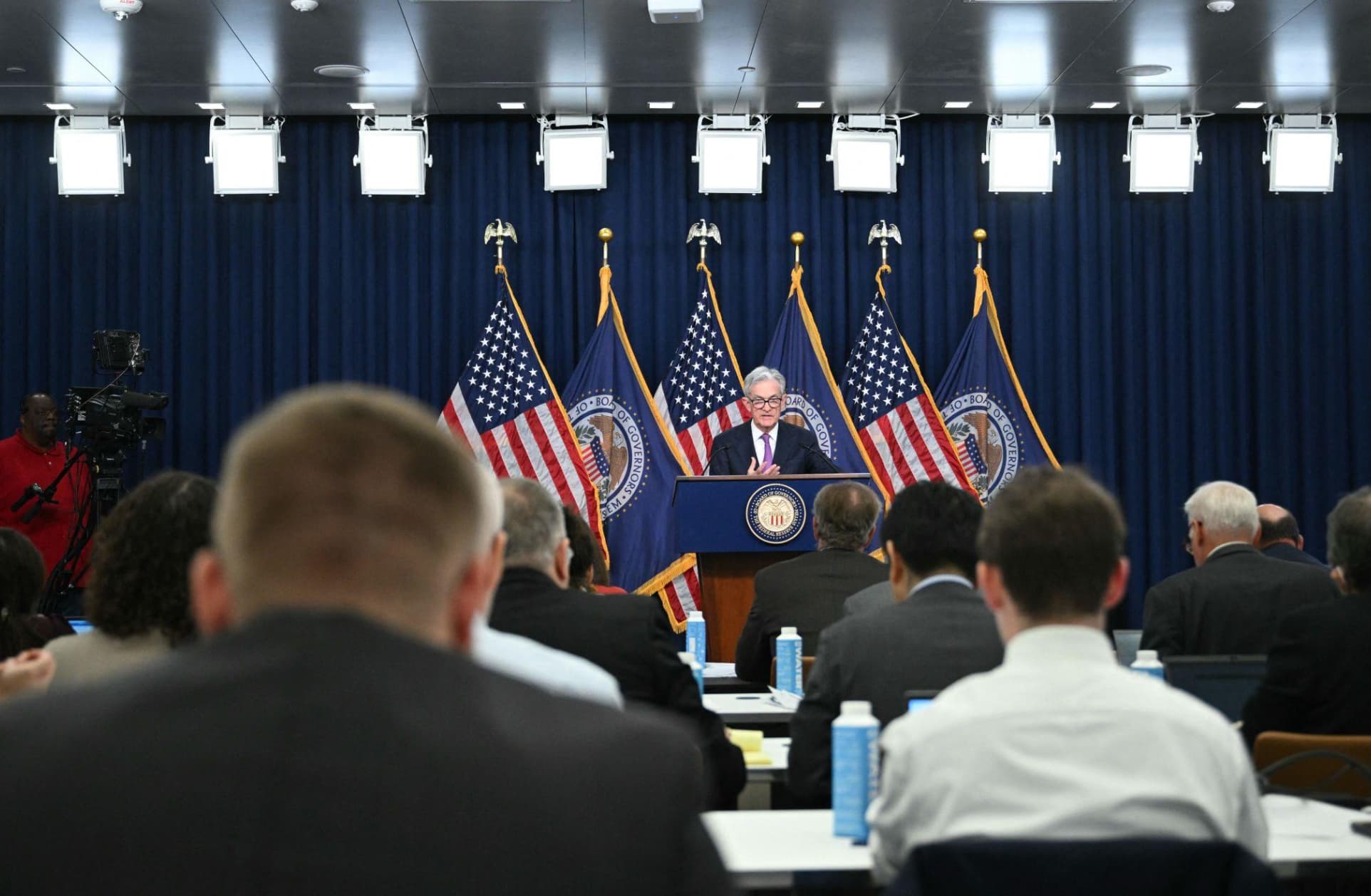
Kevin Warsh chaired his first FOMC meeting on June 17 and immediately inherited a dilemma that his predecessor spent months trying to avoid naming: inflation is re-accelerating, and the tools available to fight it are in direct conflict with an economy that is already slowing. The committee held the federal funds rate steady at 3.50%–3.75%, citing "elevated uncertainty" tied to the Middle East conflict, but the internal math no longer supports patience. CPI is running at 4.2% year-over-year through May, core CPI is at 2.8%, and the FOMC's own median projection now prices in a 3.6% PCE reading for the full year — a figure that, if realized, would represent the worst inflation outcome since the post-pandemic surge.
The credibility bind is structural. SOFR is sitting at 3.64%, the effective fed funds rate is 3.63%, and the 2-year Treasury is yielding 4.09% — meaning the market is already pricing in modest tightening risk, but the front end of the curve has not fully capitulated to a hike scenario. That gap is what today's PCE number can close. Any monthly reading that pushes the year-over-year PCE above the 3.6% SEP projection does not just confirm what the dot plot implied — it forces the July 29 meeting into live territory rather than a placeholder. Warsh has already signaled in the FOMC statement that productivity and capital investment remain strong, which strips away the "fragile economy" excuse that might otherwise justify inaction on inflation.
The internal FOMC dynamics are more fractured than the statement language suggests. A survey of 34 former Fed officials and staff conducted June 5–12 found 17 of 32 respondents saying a rate hike would likely be appropriate in 2026, with only 14 opposed. That is not a fringe view — that is a near-majority of institutional memory at the Fed effectively telling markets the committee is one data point away from moving. Wells Fargo Investment Institute has flagged "a growing number of members favor a more neutral or hawkish bias," even while maintaining a base case of no rate changes this year. That base case gets harder to defend at 8:30 a.m. this morning.
What the Yield Curve Is Already Pricing
The 10-year Treasury yield closed last week at 4.4%, against a 2-year yield of 4.09%, producing a positive term spread of 31 basis points. That spread matters because it has been widening in a bear-steepener configuration — long rates rising faster than short rates — which historically signals that the market is pricing in persistent inflation rather than near-term growth. The bear steepener is the yield curve's way of saying: the Fed is behind, and the long end knows it.
For context, the 10-year was trading below 4.0% as recently as early Q1 2026. The 40-basis-point move since then has happened without a single Fed rate hike — driven entirely by the revision to inflation expectations and the geopolitical premium embedded in energy prices. WTI crude is at $81.36 per barrel as of June 19, Brent is at $81.00, and Henry Hub natural gas is at $3.12 per MMBtu. The FOMC statement explicitly cited "supply shocks that have driven energy sector price increases" as a partial driver of elevated inflation — which means energy is doing the Fed's tightening work on the inflation side while simultaneously doing the opposite on the growth side by squeezing real incomes.
That dynamic is precisely what has pushed the ECB into action while the Fed stays frozen. The ECB raised all three key rates by 25 basis points on June 11, projecting eurozone headline inflation at 3.0% in 2026 and slashing GDP growth to just 0.8% for the year. Frankfurt's decision to hike into a slowdown sets a precedent that the Fed cannot entirely ignore — particularly when the two institutions are responding to the same underlying shock. The divergence trade has been dollar-supportive so far, but a Fed hike would compress that spread and introduce a new variable into currency positioning that equity and fixed income traders have not fully priced.
What Traders Watch Next
The immediate trade setup is straightforward: today's PCE print drives the first move, and the Q1 GDP third revision — also on today's calendar — drives the second. The prior GDP reading was 2.0% annualized, with the consensus third revision expected at 1.6%. A downward surprise to 1.4% or below, combined with a hot PCE print, would fully crystallize the stagflation narrative that has been building since Q1 — slow growth, sticky inflation, a central bank with no clean options.
The July 29 FOMC meeting is 30 days out. Between now and then, the June nonfarm payrolls report drops on July 3, with Barclays projecting the Q2 three-month moving average running above 150,000 — a sharp recovery from the 73,000 average in Q1. Strong payrolls plus a hot PCE today removes the last labor market excuse for holding. The unemployment rate is currently 4.3%, matching the Fed's own year-end forecast from the June SEP — which means unemployment is not trending in a direction that argues for caution.
Traders positioned in long-duration Treasuries via TLT face the clearest binary: a hot PCE print today pushes the 10-year toward 4.6% and TLT toward fresh year-to-date lows. Equity traders should watch the rate-sensitive sectors — utilities, REITs, and long-duration tech — as the most immediate transmission mechanism. The specific level to mark: 4.5% on the 10-year is the technical trigger that would force a broad portfolio repositioning, and today's 8:30 a.m. PCE release is the catalyst with the cleanest line to that level.
The Weekly Investor
Daily market analysis for active traders. Free.