Micron's $1,650 PT and What the 10-Q Actually Shows
Needham raises Micron to $1,650. The fresh 10-Q filing reveals the AI memory demand picture traders need to see before chasing the call.
Key Points
- Needham raised its Micron price target to $1,650 from $1,550 on June 29 — one of the most aggressive published targets on the Street — while the company's freshly filed 10-Q for the period ended May 28, 2026 sits on the SEC docket for traders to interrogate.
- The bull case rests entirely on high-bandwidth memory demand from AI accelerator buildouts, where Micron holds a critical supply position alongside SK Hynix, and where pricing power has been demonstrably stronger than in the commodity DRAM and NAND markets.
- The key forward watch is whether HBM allocation and pricing holds through the second half of 2026 against a backdrop of 4.2% headline CPI and 4.4% 10-year yields compressing the multiples of capital-intensive growth names.
Needham raised its Micron price target to $1,650 from $1,550 this morning — the single most aggressive move on the analyst tape for June 29 — and the timing is not accidental. Micron filed its 10-Q for the fiscal third quarter ended May 28, 2026 with the SEC on June 25, and the filing gives traders the most granular look yet at whether the AI memory supercycle is delivering the margin profile the bull case requires or whether it is beginning to show the same commoditization patterns that have historically destroyed semiconductor returns at the top of the cycle.
What Needham Is Actually Betting On
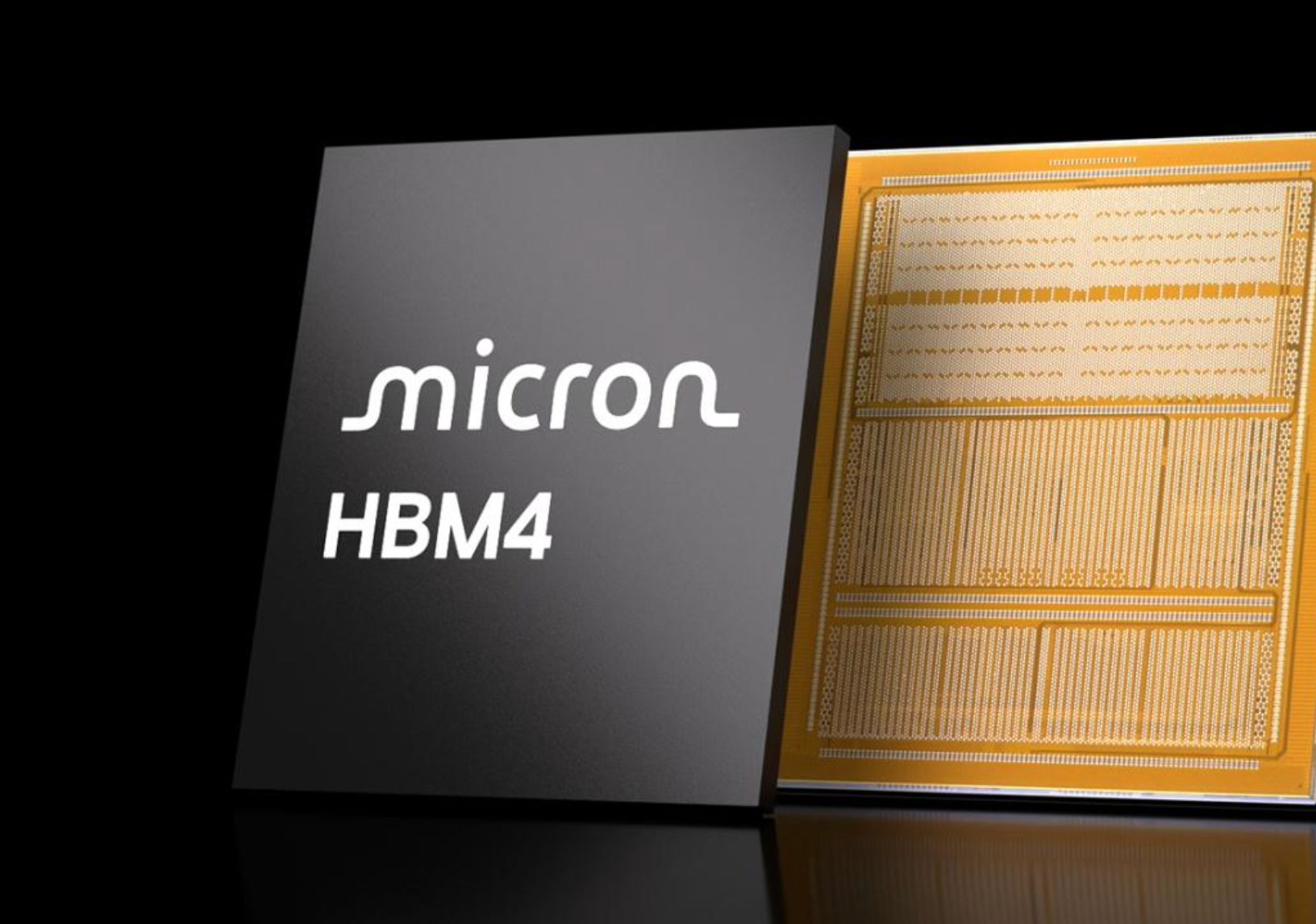
The $1,650 target implies a substantial premium to wherever Micron is currently trading, and the logic is straightforward even if the conviction is aggressive: high-bandwidth memory is not a commodity. HBM3E, the current generation of stacked DRAM that sits directly on AI accelerators from Nvidia, AMD, and the major hyperscaler custom silicon programs, is produced by exactly three companies globally — SK Hynix, Samsung, and Micron. Supply is structurally constrained by the complexity of the wafer bonding process, lead times on new capacity run 18-24 months, and demand from AI infrastructure buildouts is being pulled forward by hyperscalers that cannot afford to miss a training cluster deployment window.
Micron's position in that dynamic has strengthened measurably over the past 12 months. The company went from being the third-ranked HBM supplier — behind SK Hynix and Samsung by a meaningful margin — to securing direct qualification on Nvidia's H200 and B200 platforms alongside Hynix. That qualification is revenue, and it is revenue with pricing power that has no analog in the conventional DRAM market. The question Needham's revised target implicitly answers is whether that pricing power is durable through fiscal 2027, or whether it begins to erode as Samsung executes its HBM recovery plan and new capacity from all three suppliers begins to outpace even the aggressive AI buildout timeline.
The 10-Q is where theory meets reported numbers. Traders should focus on the segment gross margin disclosure and the inventory valuation adjustments — two line items that historically telegraph where the memory cycle is headed before management commentary does. In prior down-cycles, Micron's inventory write-downs have been the first visible signal of oversupply, arriving in the 10-Q disclosures one to two quarters before the company formally acknowledged demand softness on earnings calls.
The Macro Drag That Doesn't Show Up in PT Headlines
Needham's target hike landed on a morning when the macro tape is actively working against high-multiple growth names. The 10-year Treasury yield is sitting at 4.4%, SOFR is at 3.64%, and CPI is running at 4.2% year-over-year with core at 2.8%. That is not a rate environment that is generous to a capital-intensive semiconductor manufacturer with a multi-year capacity investment cycle. Micron's DRAM and NAND fabs require sustained multi-billion-dollar capex commitments against a cost of capital that is materially higher than it was during the 2020-2021 period when the current generation of bullish memory cycle models was largely constructed.
The practical implication for traders is a valuation compression risk that sits alongside the fundamental demand story. Even if HBM revenue and margins come in at or above the Needham model, the multiple the market is willing to assign to those earnings is directly exposed to what the Fed does with the fed funds rate — currently at 3.63% — over the next two to three quarters. With unemployment at 4.3% and headline inflation still 220 basis points above the Fed's stated 2% target, the rate path is far from settled. A scenario in which the Fed holds rates through year-end while HBM demand remains robust is actually the worst outcome for MU's multiple — strong fundamentals, limited re-rating catalyst.
The Broadcom datapoint from last week is instructive here. AVGO dropped 12.59% after delivering AI guidance that was in-line rather than above expectations — a reminder that the AI infrastructure trade is now priced for consistent upside surprise, not merely solid execution. Micron, with Needham at $1,650, is priced for something similar: not just continued HBM demand, but an acceleration in volume, pricing, or both that justifies a target sitting well above the current consensus range.
The 10-Q Tells the Actual Story
The most important thing a trader can do with the Needham target hike is open the 10-Q and verify the underlying numbers rather than trade the headline. Three specific items deserve immediate attention. First, the gross margin trajectory by business unit — conventional DRAM and NAND remain cyclically volatile, and any deterioration in those segments against a strong HBM print is a warning that the blended margin story is more fragile than the AI bull case implies. Second, days inventory outstanding — if DIO is expanding quarter-over-quarter, supply is building faster than demand is clearing, which is the early-stage signal of every memory downturn. Third, the capital expenditure outlook and any language around HBM capacity additions for fiscal 2027, which will directly inform whether current supply constraints are temporary or structural.
The broader semiconductor tape has been bifurcated in June. The speculative end of the micro-cap market has seen extraordinary flows — names like INHD up nearly 2,900% month-to-date reflect momentum chasing rather than fundamental rerating. Micron is the opposite kind of trade: a large-cap name where the bull case is sophisticated, the execution risk is real, and the data to adjudicate between them is in a publicly available SEC filing. Traders who are long MU ahead of any further catalyst — whether that is an investor day update, a FY2026 Q4 earnings date, or a hyperscaler capex announcement — should have a specific gross margin threshold in mind below which the Needham target becomes untenable. That level, based on where HBM economics need to land to support the $1,650 model, is a blended gross margin above 38%. Anything below 35% in the next reported quarter puts the bull case on defense, and the 10-year yield at 4.4% will do the rest of the work on the multiple. Watch the $1,480 level as the first meaningful technical support; a break there with volume on any macro or sector deterioration would signal the Street is walking back the AI memory premium faster than Needham is walking it up.
The Weekly Investor
Daily market analysis for active traders. Free.