Micron Q4 EPS $31, Revenue $50B: HBM Is the Real Trade
Micron reports fiscal Q4 earnings today at 2:30 PM MT. Wall Street expects $50B revenue and $31 EPS. The real trade is HBM guidance for FY2027.
Key Points
- Micron's own guidance calls for $50B revenue (±$1B) and $31 adjusted EPS (±$1) in fiscal Q4, representing 349.5% year-over-year revenue growth per Zacks consensus estimates.
- The structural driver is HBM: AI context lengths are expanding 30x per year while memory content per server has doubled in three years, creating demand Micron's production lines are straining to meet.
- Watch Q4 HBM volume and FY2027 capex cadence from management — every quarter of next fiscal year is projected to exceed Q4's $10B capex level.
Micron reports fiscal Q4 after the close today, with the conference call at 2:30 p.m. Mountain time, and the number that will move the stock is not the revenue headline — it's what management says about HBM allocation and FY2027 capital intensity. Wall Street has set the bar at $50.8B in revenue and $31.50 in adjusted EPS, slightly above Micron's own midpoint guidance of $50B and $31, with adjusted gross margin expected around 86%. MU closed Friday at $932.86, still 25.7% below its 52-week high of $1,255, making this print either a recovery catalyst or a ceiling test.
The Numbers Behind the Numbers
The headline growth figure is almost incomprehensible on its face: 349.5% year-over-year revenue growth implied by the Zacks consensus. But that number is both real and slightly misleading — it reflects the combined effect of an AI-driven memory supercycle and a comparably soft prior-year baseline. What traders should anchor to instead is the sequential trajectory inside Micron's own business units, because that tells you whether the cycle is accelerating or beginning to plateau.
The Cloud Memory Business Unit alone generated $13.769B in fiscal Q3 2026, up from $7.749B in Q2 and $3.386B in the year-ago quarter — roughly a quadrupling in four quarters. Gross margin on that unit expanded to 83% in Q3. If Q4 delivers another sequential step-up in both volume and margin, that is the signal that HBM pricing power remains intact heading into 2027. If the Cloud unit revenue comes in flat or slightly down sequentially, expect management to be grilled on whether spot pricing has rolled over.
The broader financials give context for why the stakes are this high. Micron carries a $1.2 trillion market cap built on trailing 12-month revenue of $90B, $59B in operating profit, and $50B in net income — numbers that were essentially science fiction two years ago. In fiscal Q2 2026 alone, revenue spiked 196% and non-GAAP earnings surged 682% year over year. That trajectory has embedded enormous expectations into a stock that is still 25% off its high, meaning the market is simultaneously pricing in deceleration and hoping the print disproves it.
Why HBM Is the Only Metric That Matters
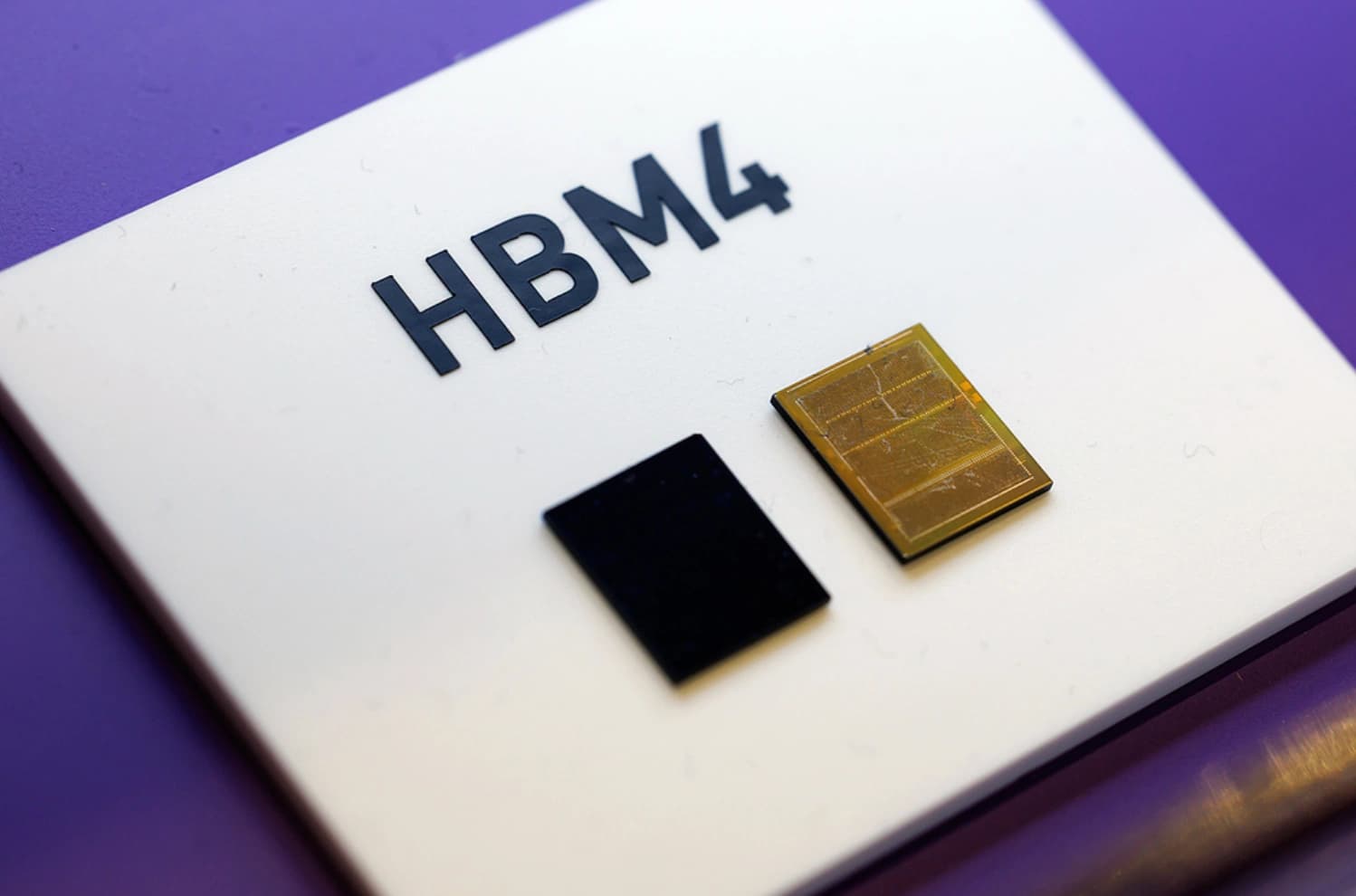
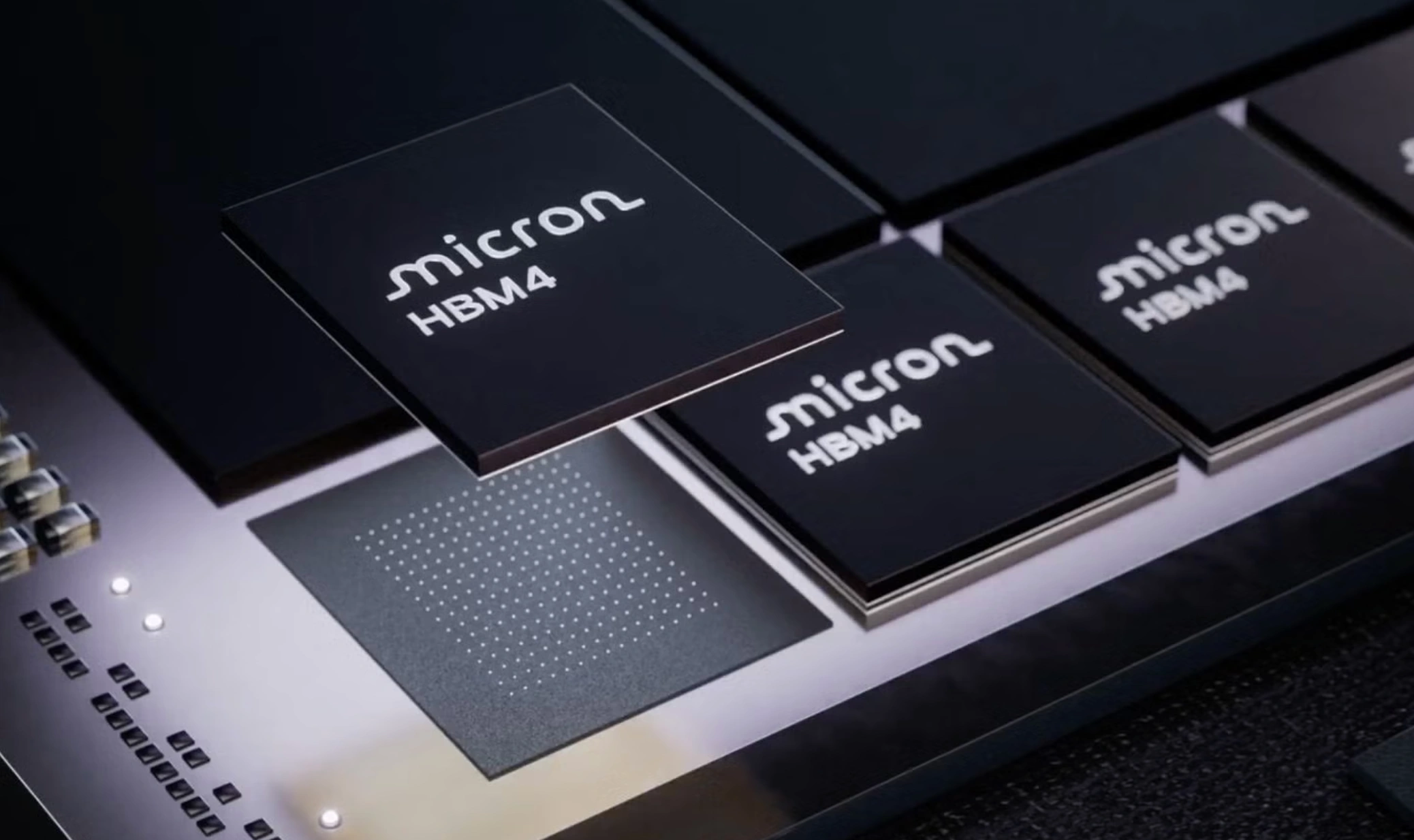
The structural bull case for Micron is not about commodity DRAM pricing cycles — it is about high bandwidth memory becoming the critical bottleneck in AI training and inference infrastructure. AI context lengths are increasing approximately 30x per year, a figure Micron's own management has cited, and memory content per server has doubled in three years. Those two vectors create a demand curve that does not respond to normal supply-demand equilibration because the workload itself is expanding faster than any manufacturer can add capacity.
Micron is the only U.S.-based HBM supplier at scale, competing with Samsung and SK Hynix in a market where every major hyperscaler — Microsoft, Amazon, Google, Meta — needs more than it can get. That oligopolistic structure is what supports the 83% gross margin the Cloud unit was already posting in Q3. The question heading into Q4 is whether that margin held or expanded further as Micron ramped HBM3E shipments. Every incremental percentage point of gross margin at this revenue scale translates directly into billions of net income.
Robust AI infrastructure spending is the macro tailwind. Bain's annual tech report projects AI infrastructure outlays could reach $1.5 trillion per year by 2031, with $5 to $6.5 trillion in data center construction through 2030 adding at least 150 gigawatts of new load. Leading campuses are approaching one gigawatt today and could reach two gigawatts next year. Each of those gigawatt-scale data centers is a massive consumer of HBM. Micron's fiscal Q3 press release filed with the SEC showed the company is not just riding that wave — it is beginning to shape it, with $27B in full-year fiscal 2026 capex already committed to stay ahead of demand.
What Traders Watch After the Bell
The capex trajectory for FY2027 is the forward signal that institutional money will trade off of tonight. Micron guided Q4 capex at approximately $10B, bringing the full fiscal 2026 total to roughly $27B. Management has already projected that every quarter of FY2027 will exceed that $10B level — and that more than half of the year-over-year increase will come from construction rather than equipment, meaning the spending is for capacity that won't produce revenue for 12 to 18 months. That is either a bold demand bet or a capital efficiency risk, depending on your time horizon. Bulls see it as Micron locking in HBM dominance before Samsung and SK Hynix can close the technical gap. Bears see it as peak-cycle capex that will crater free cash flow if AI infrastructure spending growth decelerates even modestly.
The stock's technical setup heading into the print matters. MU at $932.86 has recovered from the late-July low below $740 — a 26% bounce — but remains $322 below its 52-week high. That gap provides both upside room and cover for a sell-the-news reaction if guidance merely meets rather than beats. Wall Street's Q4 preview consensus sits at $50.8B revenue and $31.50 EPS, which means Micron needs to beat its own midpoint guidance to satisfy institutional holders who bought on the July dip. A miss on gross margin — even with an in-line revenue number — would be read as HBM pricing pressure and could unwind a significant portion of that recovery trade quickly.
Watch three specific outputs from tonight's call: HBM revenue as a percentage of total DRAM sales, management's explicit FY2027 quarterly capex cadence, and any commentary on NAND pricing. NAND has been the laggard in Micron's portfolio — a recovery in NAND pricing alongside HBM strength would be the cleaner bull signal that the entire memory complex is tightening. Conversely, if management signals that HBM is strong but NAND remains under pressure, the stock is likely to trade sideways at best as investors wait to see whether the mix shift fully compensates. The first $1,000 print on MU becomes the next technical target if Q4 gross margin comes in above the 86% guidance midpoint and FY2027 capex commentary signals disciplined, phased deployment rather than a blanket commitment to maximum acceleration.
The Weekly Investor
Daily market analysis for active traders. Free.