Jobs Day in a Four-Day Trap: NFP Has No Safety Valve
June nonfarm payrolls hit at 8:30 AM with no Friday session to absorb surprises. Here's what the numbers mean for traders locked in until Monday.
Key Points
- ADP reported only 98,000 private-sector jobs added in June, missing the 110,000 consensus and flagging downside risk to today's official NFP print.
- With Friday a market holiday, any payrolls surprise — up or down — must be fully absorbed and priced within Thursday's single 6.5-hour session.
- Watch the 7,400 level on the S&P 500: a clean miss on NFP below 90,000 with no Friday session to stabilize puts that support zone in play before markets reopen Monday.
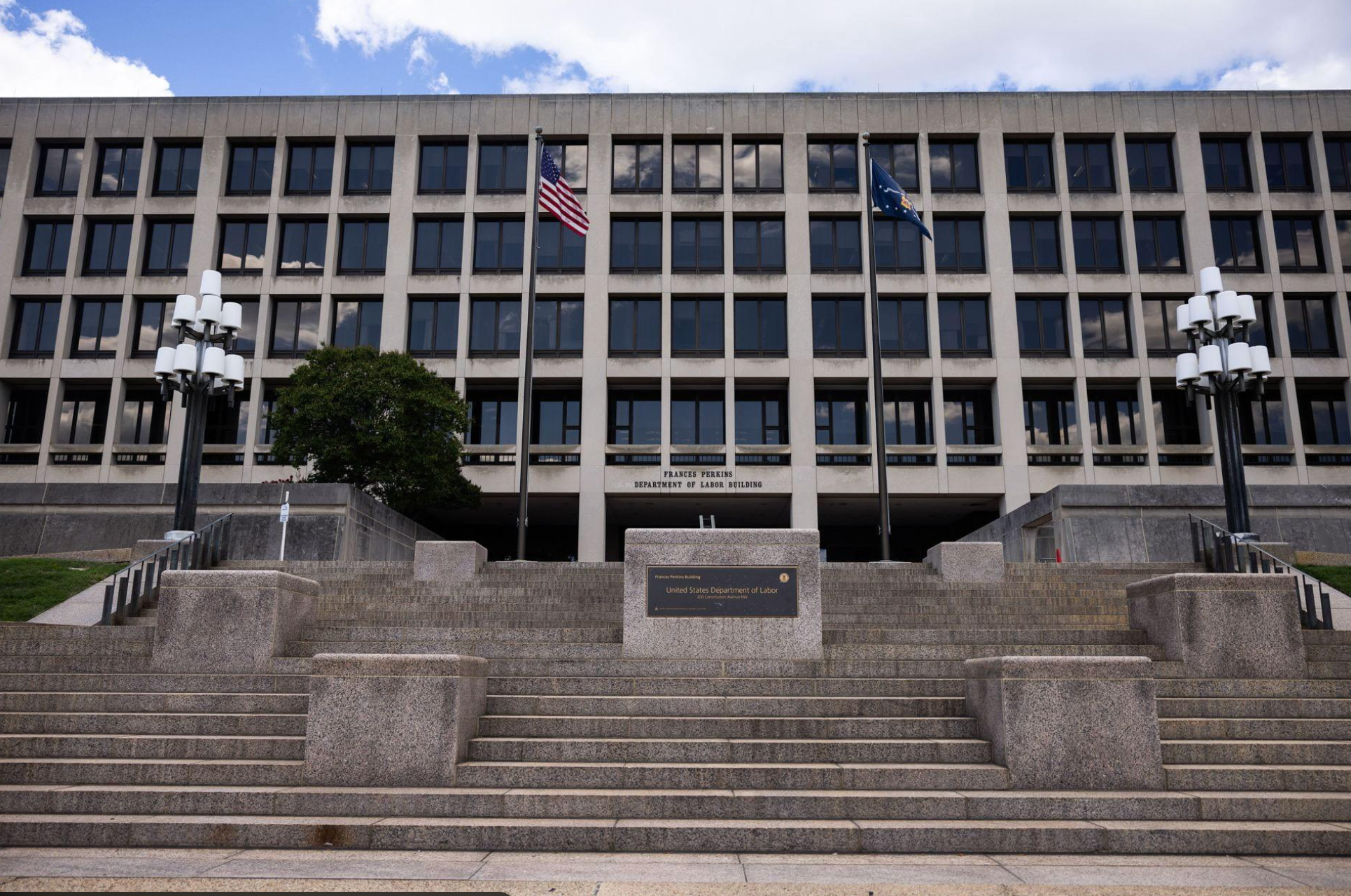
June nonfarm payrolls land at 8:30 AM ET Thursday — and for the first time this year, there is no next-morning do-over. With Friday, July 3 a full market holiday for Independence Day, every trader, algorithm, and portfolio manager on the planet has until 4:00 PM today to price whatever the Bureau of Labor Statistics puts on the tape. The consensus expects 114,000 total nonfarm jobs, an unemployment rate holding at 4.3%, and average hourly earnings rising 0.3% month-over-month. Miss any one of those numbers by a meaningful margin, and the reaction is sealed in amber for four days.
The Warning Shot ADP Already Fired
Wednesday's ADP National Employment Report was not subtle. Private-sector payrolls grew by just 98,000 in June, falling short of the 110,000 Dow Jones consensus and sliding from 122,000 in May. That's a deceleration of nearly 20% in a single month, and it landed the day before a government report that the market had already penciled in at 114,000 total nonfarm — a number that now looks optimistic rather than conservative.
ADP and the BLS report don't always correlate cleanly, but the direction of the miss matters as a sentiment signal. Heading into Thursday's open, S&P 500 futures were already pointing lower, with Dow futures shedding 0.2% in the overnight session after the index closed Wednesday at 52,305.24 — down just 13.96 points, but only because a 52,742.66 intraday record got erased by a 6.77% collapse in Caterpillar. The market's headline calm masked real sector stress.
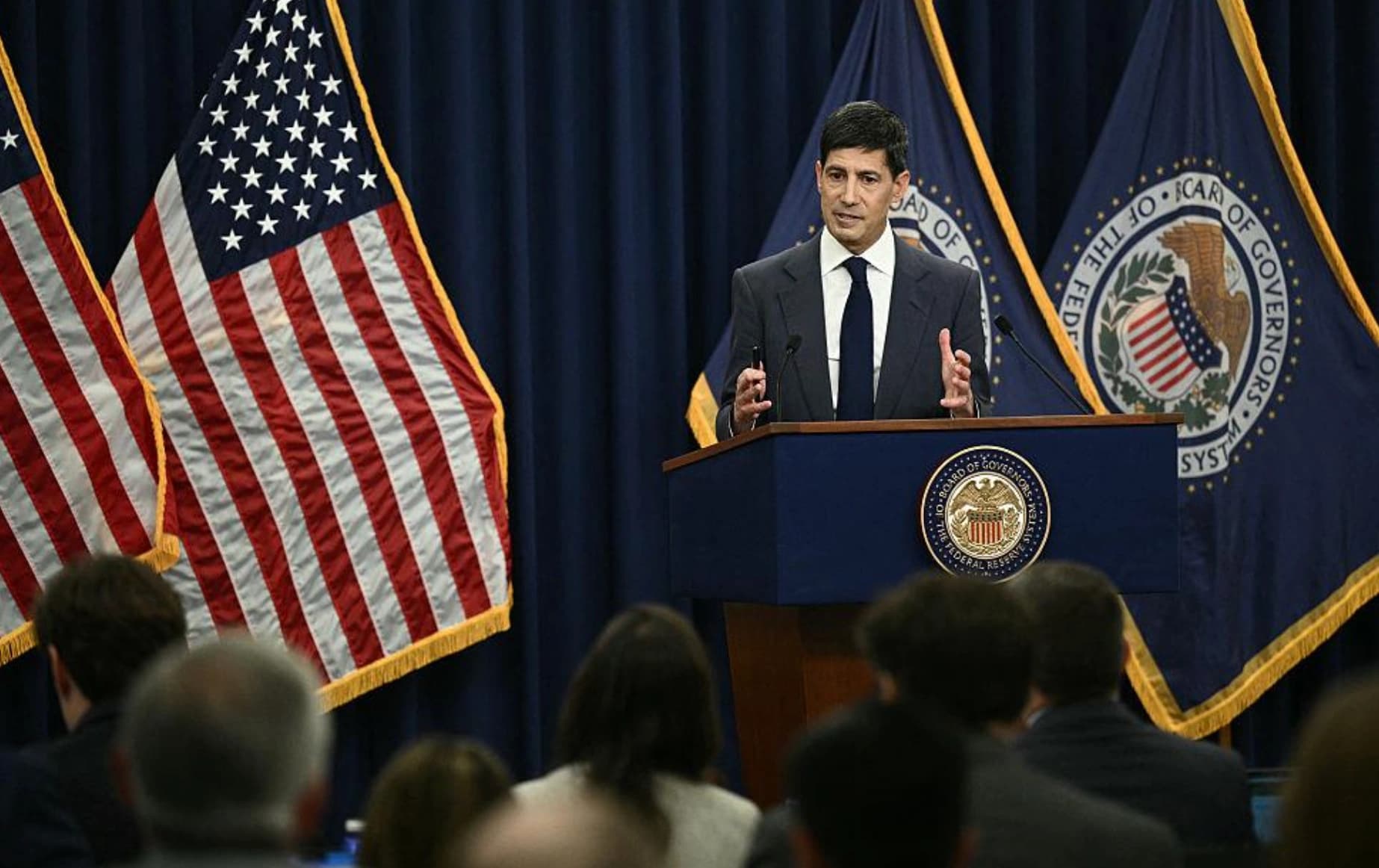
The Fed context makes the payrolls number even more loaded. The effective fed funds rate sits at 3.63%, with SOFR at 3.68%, and headline CPI running at 4.2% year-over-year as of May — meaning real rates are still negative on a headline basis. Fed Chair Kevin Warsh said Wednesday that inflation expectations had eased over the past month, which is the closest thing to dovish guidance the market has gotten recently, but he paired it with an explicit recommitment to restoring price stability. That's not a pivot. That's a Fed that needs the labor market to do its work for it.
A soft NFP print — say, 80,000 to 90,000, well below the 114,000 consensus — would normally be read as a green light for rate-cut speculation. In a standard week, that speculation gets tested, refined, and repriced over Thursday evening and Friday morning. This week, speculation becomes position, full stop, with no refinement window available until Monday.
The Four-Day Freeze and What It Actually Costs
Traders underestimate the compounding effect of a long weekend on a data-sensitive session. The VIX opened Thursday at 17.54, up from Wednesday's close of 16.45, with an intraday range already touching 17.75. That's not panic — the 52-week high is 35.30 — but it's a market that knows something asymmetric is happening. Options desks were pricing elevated premiums into Thursday expiry precisely because the weekend gap risk is real and unhedgeable after 4 PM.
The semiconductor sector is walking into this session already wounded. Micron Technology dropped 10.6% Wednesday. Applied Materials lost 10%. Intel fell 9%. AMD shed 6.9%. These are not rounding errors — they represent a coordinated rotation out of a cohort that had surged more than 80% in the first half of 2026, with Micron alone still carrying a 260% year-to-date gain even after Wednesday's damage. The question for Thursday afternoon is whether payrolls data gives institutional sellers a fresh excuse to continue the unwind, or whether a strong number stabilizes the growth narrative and stops the bleeding.
The counter-narrative is Meta. An 8.8% surge Wednesday — driven by the company's announcement of a cloud business to monetize excess AI compute capacity — showed that capital isn't leaving the AI trade, it's rotating within it. Microsoft added 3%, Amazon 1.4%, Alphabet 1.1%. The hyperscalers are being re-rated as infrastructure beneficiaries rather than speculative chip plays. That's a more durable bull thesis, but it requires a macro backdrop that doesn't suddenly look like a labor market rolling over.
Kroger's pre-market drop of 2.8% on a $1.65 billion Giant Eagle acquisition — $1.25 billion cash plus roughly $400 million in assumed liabilities — adds a separate layer of consumer sector anxiety. Grocery M&A at a premium signals confidence in defensive consumer spending, but the market is reading it as a balance sheet risk heading into an uncertain macro print. Alcoa's 5% pre-market decline after a $4.1 billion South32 asset acquisition compounds the M&A-as-risk-off signal.
What Traders Watch Next — and the Level That Matters
The setup is mechanical: at 8:30 AM, one of three things happens. NFP prints at or above 130,000, the unemployment rate holds at 4.3%, and earnings come in at 0.3% or better — that's a "Goldilocks" outcome that validates the Q2 labor recovery story, takes pressure off the Fed, and likely sends the S&P 500 back toward Wednesday's 7,483.23 close or higher. NFP prints between 90,000 and 130,000 — a muddy middle where the reaction depends entirely on how wages and the unemployment rate break. Or NFP prints below 90,000 — and the market has to price a softening labor market, a potential Fed rethink, and four days of no liquidity, all before 4 PM.
The VIX's current positioning near 17.54 suggests the options market is leaning toward scenario two — messy but not catastrophic. But VIX is an average; the tails are fatter than the headline number implies in a compressed settlement window.
The specific level to watch on the S&P 500 is 7,400. That's roughly 1.1% below Wednesday's close of 7,483.23 and represents the first meaningful technical support below last week's consolidation range. A clean miss on NFP — something in the 75,000 to 85,000 range — combined with an uptick in unemployment to 4.4% or above would likely test that level intraday. Whether it holds determines whether traders enter the long weekend with a cautious-but-stable posture or a genuinely defensive one. The next chance to respond to whatever happens today is Monday, July 7, pre-market. That's 96 hours from now.
The Weekly Investor
Daily market analysis for active traders. Free.