ISM Manufacturing Hits Q4 With Prices Paid Warning
ISM Manufacturing PMI for September prints near 54.8 consensus as Prices Paid accelerates to 72.9 — a direct threat to the October 28 Fed hike calculus.
Key Points
- ISM Manufacturing PMI is expected at 54.8 for September, with Prices Paid accelerating to a consensus of 72.9 — the highest sub-index reading in months and a direct inflation pressure signal.
- A sector that was contracting at 48.0 a year ago is now posting back-to-back expansion prints above 54, tightening the Fed's already narrow path at the October 28 FOMC.
- Watch the 10:00 AM ET ISM print and the Prices Paid component specifically — any reading at or above 73 makes an October 28 hike a near-certainty per current dot-plot alignment.
Q4 opens with a direct inflation challenge for the Federal Reserve: the September ISM Manufacturing PMI, due at 10:00 AM ET today, is expected to print 54.8, but the number that matters most is the Prices Paid sub-index, which the Street has penciled in at 72.9 — up from 71.1 in August and approaching levels that historically force the Fed's hand. With 16 of 19 FOMC members already on record expecting at least one more rate hike this year, today's data doesn't need to be dramatic to be consequential.
What the Data Actually Shows
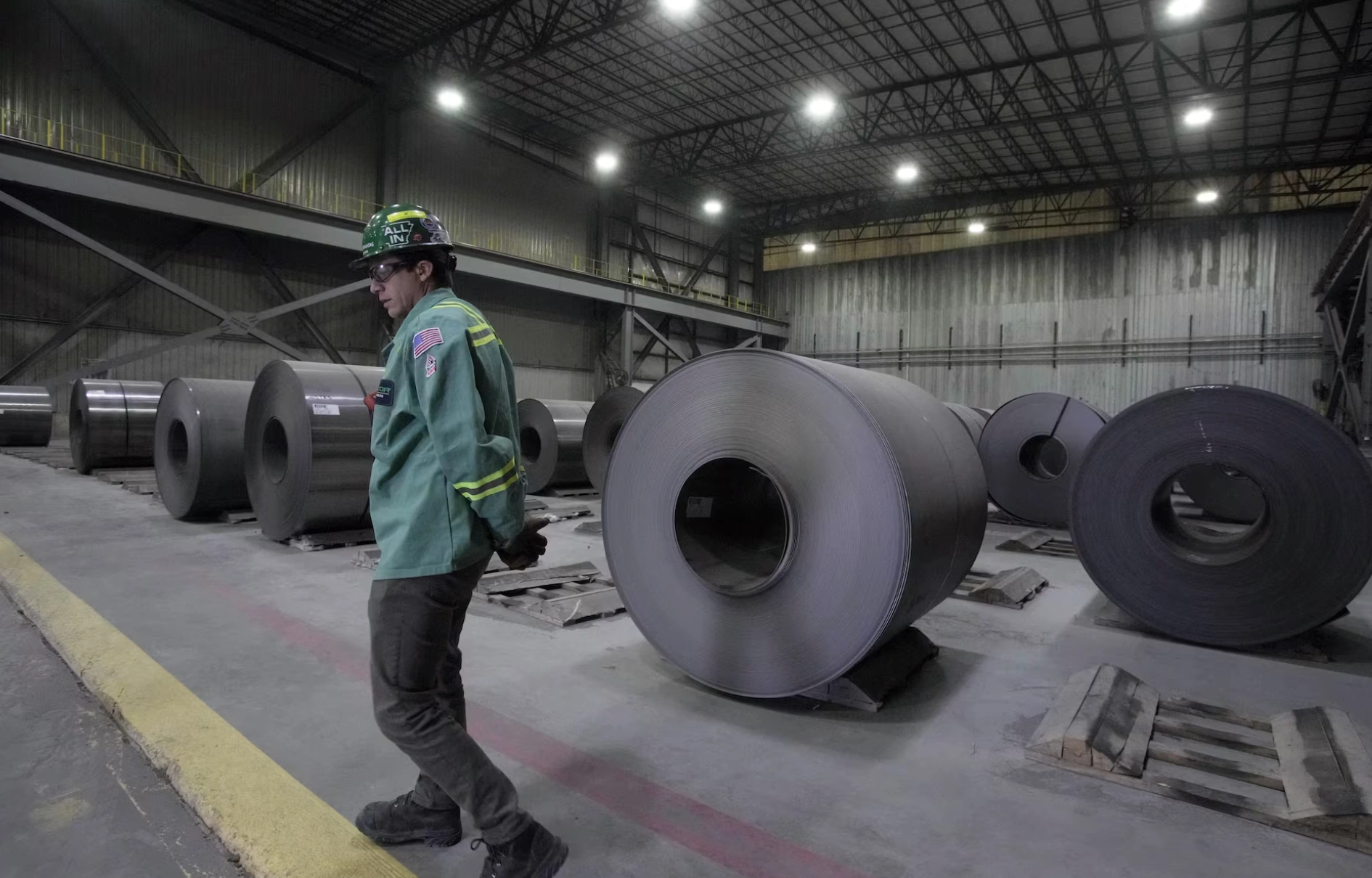
The trajectory of U.S. manufacturing over the past twelve months is one of the cleanest macro reversals in recent memory. ISM Manufacturing sat at 48.0 a year ago — below the 50 threshold, signaling outright contraction. By August 2026 it had reached 54.6, missing the 55.2 forecast but still representing a 6.6-point surge in twelve months. The most recent prior reading cited in the research stands at 55.60, which is notably above the current September consensus of 54.8 — meaning the base case today is actually a mild sequential deceleration, not an acceleration. That context matters enormously for how traders should frame the print.
The S&P Global Manufacturing PMI tells a different story. The flash September reading came in at 57.0, a sharp jump from the prior month's 53.9, and today's 8:45 AM ET final confirmation is expected to hold that level. The divergence between S&P Global at 57.0 and ISM at a consensus 54.8 is worth noting: both surveys cover U.S. manufacturing, but they weight industries and company sizes differently. S&P Global skews toward larger, export-oriented firms; ISM draws more heavily from domestic-demand-driven manufacturers. When both are accelerating simultaneously — as they appear to be — the signal is clean. When they diverge, it's often an early tell that one survey is picking up a sector-specific dynamic the other is missing. If ISM underdelivers today relative to the S&P Global flash, energy, defense, or tech hardware procurement could be driving the S&P outperformance.
The Prices Paid sub-index is where the real market-moving risk sits. At 71.1 in August, it was already elevated. A consensus of 72.9 for September would be the highest level since the post-pandemic reflation period and a reading that sits uncomfortably above the Fed's comfort zone. Prices Paid is a leading indicator of pipeline inflation — it measures what purchasing managers are paying for inputs today, which feeds into finished goods prices over the following two to four months. With CPI already running at 3.4% year-over-year as of August and the October 14 print expected to accelerate to 3.6%, a hot Prices Paid number today is not a standalone data point. It's a confirmation of a trend the Fed has been tracking with increasing alarm.
The Fed's Problem
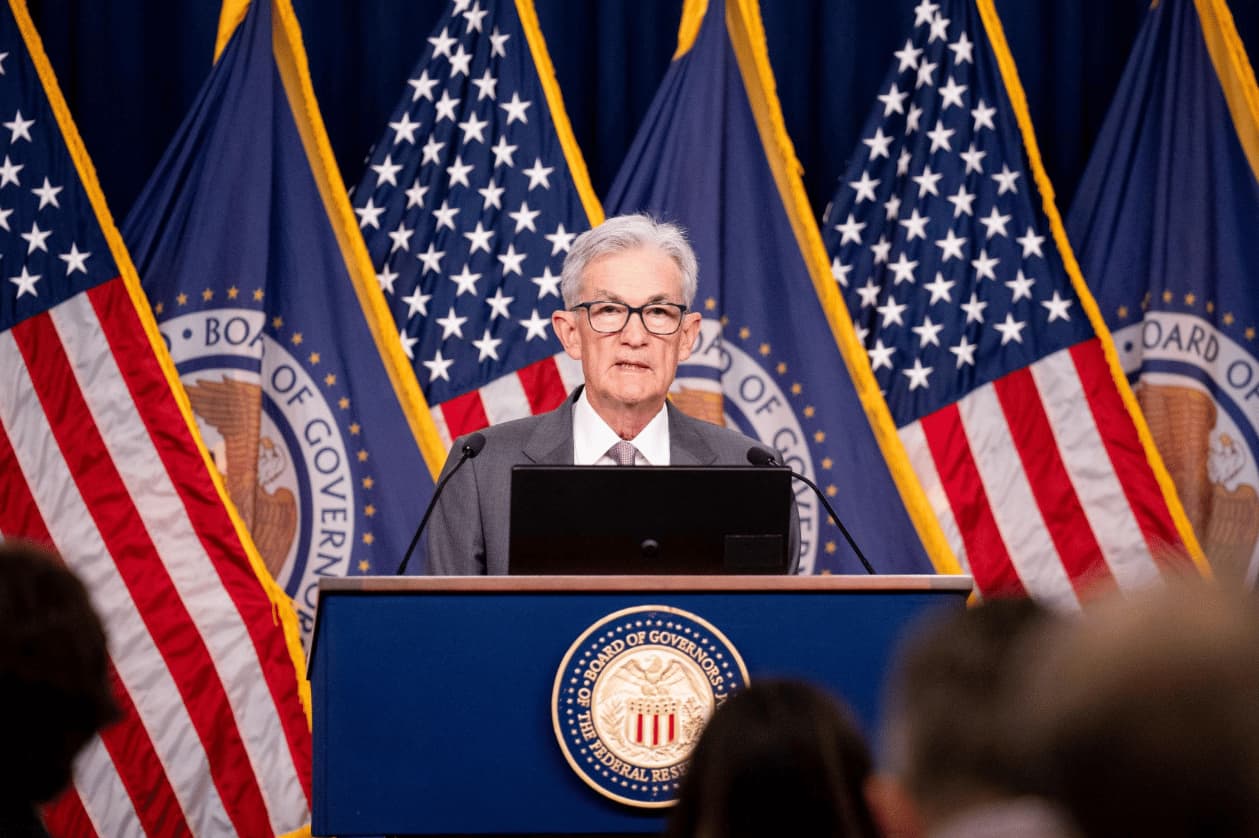
The September 16 FOMC decision to hike 25 basis points to 3.75%–4.00% was characterized internally as an "inflation-risk-management hike" — the kind of move made not because conditions demanded immediate action, but because the committee judged that waiting would create more painful choices later. Chair Warsh kept forward guidance deliberately thin, insisting future decisions depend on incoming data. That framing handed the market a clear framework: watch the data, and the data will tell you what October 28 looks like. Today's ISM print is the first major Q4 data point, and it arrives three weeks before the next decision.
The dot plot from September showed 16 of 19 members expecting at least one more hike before year-end. The October 27–28 meeting is the only scheduled opportunity before December. Markets have been pricing the odds of an October hike in the 60–70% range heading into this week. A strong ISM print — particularly any headline above 55.5 or a Prices Paid reading at or above 73 — likely pushes that probability above 80% by end of day. Conversely, a miss on both ISM and Prices Paid, combined with a soft jobless claims print, could introduce meaningful doubt and give the doves something to work with when Vice Chair Jefferson speaks this afternoon at his Charlottesville Q&A on U.S. Economy and Monetary Policy.
Three Fed speakers are on the calendar today: Governor Lisa Cook at 3:00 PM ET on Global Central Banking, Vice Chair for Supervision Michelle Bowman on financial regulation at the Atlantic Council, and Governor Christopher Waller at FRED Con in St. Louis. The Federal Reserve's October calendar shows Jefferson's Q&A as the most directly policy-relevant event of the day given his title and stated topic. Bowman has been one of the more hawkish voices on the board in recent months; any comment from her that reinforces the rate hike path would compound the morning's data pressure on rates markets. Waller's forum is primarily data-focused and unlikely to move markets unless he departs from prepared remarks.
What Traders Watch Next
The labor market data sits directly behind today's manufacturing prints in terms of market priority. Initial Jobless Claims, also due at 8:30 AM ET this morning, carry a consensus of 197K — identical to the prior week — with Continuing Claims expected at 1,730K against 1,719K prior. A flat claims print would maintain the current narrative of a labor market that is cooling but not cracking. The 4-week moving average on initial claims stood at 202.25K heading into today; a reading that drifts toward 210K or above would begin to complicate the Fed's inflation-focused tightening bias.
Tomorrow, October 2, brings the full September Employment Report — arguably the most consequential single data print before the October 28 FOMC. After the dramatic labor market swing of late 2025 and early 2026 — net job creation averaging just 12,000 per month in Q4 2025 before rebounding to 68,000 per month in Q1 2026 — the trend in payrolls has been on a recovery trajectory. The unemployment rate holds at 4.1%, and private-sector hiring averaged 79,000 per month in Q1. Any September payroll print above 150,000 combined with today's ISM beat above 55 would essentially lock in October 28. Any payroll print below 100,000, particularly alongside an ISM miss today, reopens the skip debate in a serious way. The number to circle on the rate decision calendar is 2:00 PM ET, October 28 — and the data window that shapes it runs from right now through October 14's CPI release.
The Weekly Investor
Daily market analysis for active traders. Free.