INTC's Thursday Earnings: The Riskiest Bet in Semis
Intel reports Q2 Thursday with EPS expected to flip from -$0.10 to +$0.22. ASML's 18A validation and a Susquehanna $115 target set a volatile stage.
Key Points
- Intel reports Q2 2026 Thursday with consensus calling for EPS of $0.22 — a full year-over-year swing from a $0.10 loss — on revenue of $14.4 billion, up 11.6%.
- ASML confirmed July 15 that Intel Foundry is using high-NA EUV machines in mass production of Panther Lake chips on the 18A node, validating the foundry thesis at the most critical moment.
- Susquehanna raised its price target to $115 from $80, citing server demand upside; traders must weigh that against INTC's 33% month-to-date decline after a 141% year-to-date run.
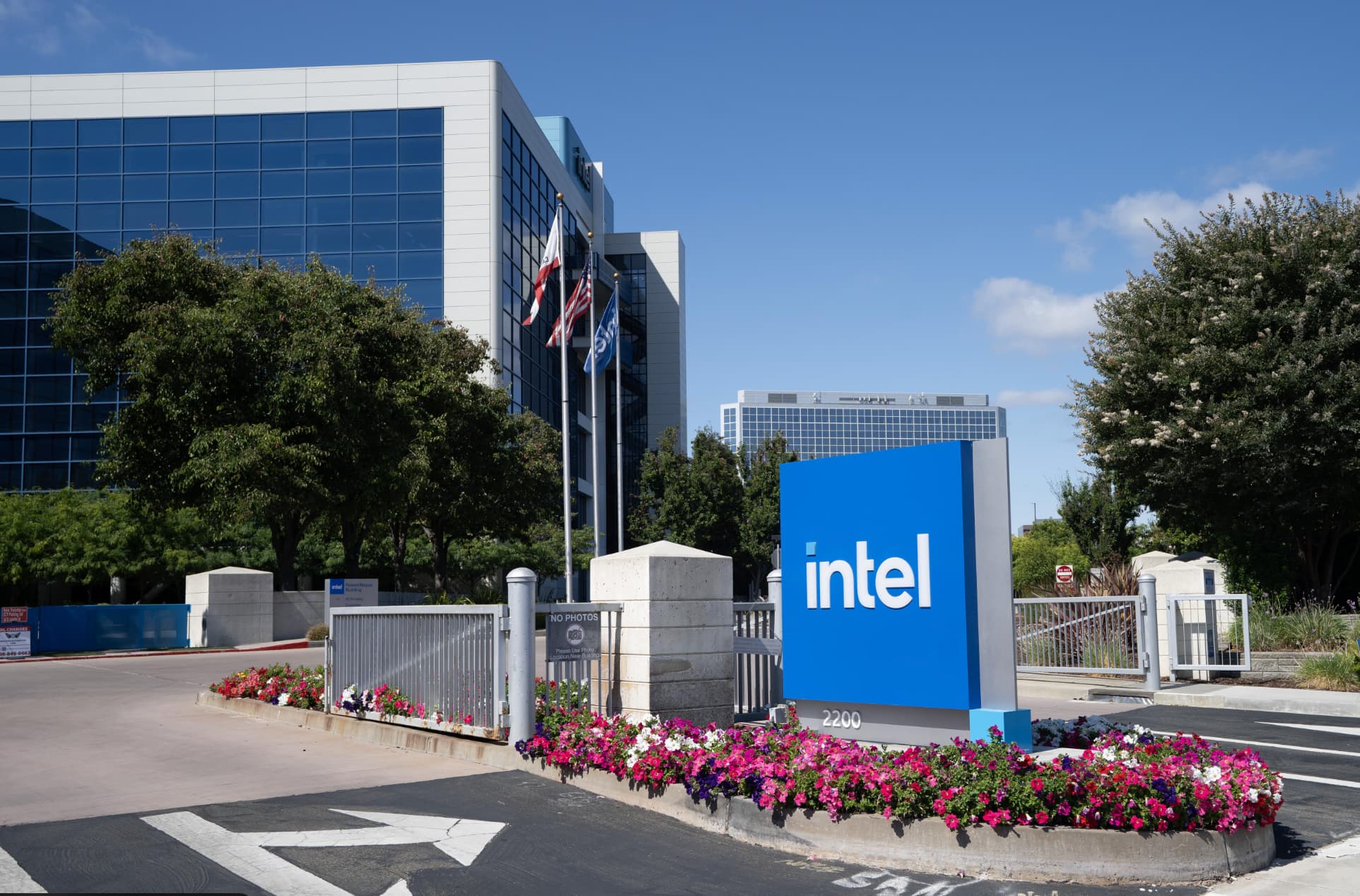
Intel enters Thursday's Q2 2026 earnings call carrying the most combustible setup in the semiconductor sector: a 141% year-to-date gain that has since retraced 33% in a month, an EPS consensus that flips from a year-ago loss of $0.10 to a $0.22 profit, and independent third-party confirmation from ASML that its most advanced chipmaking process is now in mass production. The range of outcomes on Thursday is unusually wide — and the position sizing decisions traders make before the open matter.
The ASML Confirmation Changes the Calculus
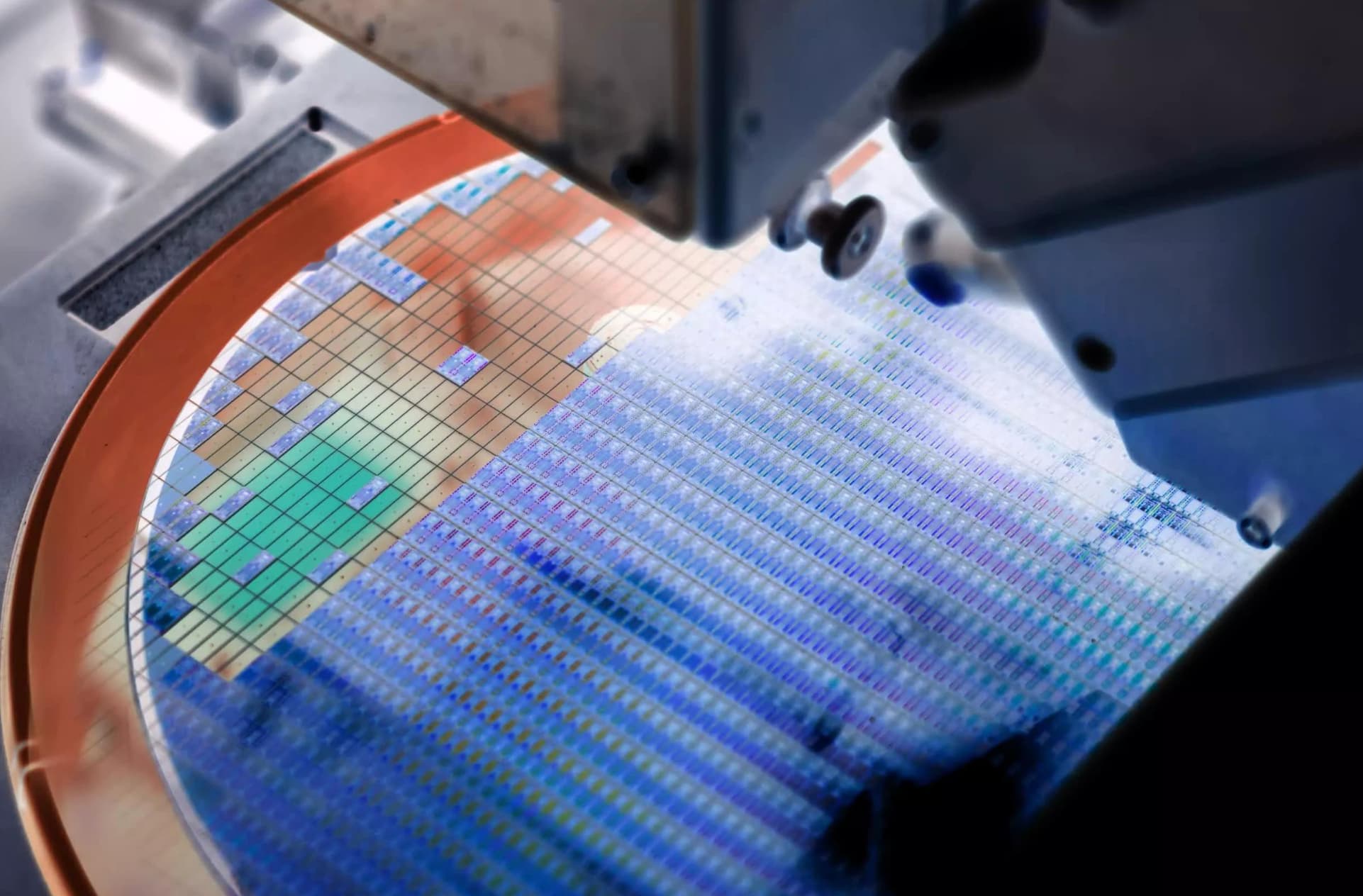
On July 15, ASML confirmed in a press release — one of the most technically significant announcements in Intel's foundry turnaround — that Intel Foundry is actively using high-NA extreme ultraviolet lithography machines to mass-produce Panther Lake client processors on the 18A process node. High-NA EUV is the most advanced semiconductor manufacturing technology commercially available. The fact that Intel is not piloting it, not sampling it, but running it in mass production is the foundry inflection point that Intel's management has been promising for three years and that skeptics have been discounting for just as long.
The 18A node matters for reasons that extend well beyond Panther Lake laptop chips. Intel and ASML are simultaneously working to refine the 18A process for server chip applications — the far higher-margin, higher-volume market where Intel needs to compete with AMD and reclaim territory ceded during its manufacturing stumbles. If 18A yields hold at the reported 85% level in server configurations, Intel Foundry becomes a credible external foundry option for companies currently dependent entirely on TSMC. Nvidia and OpenAI are both named in reports as Intel Foundry clients, a roster that, if confirmed on Thursday's call, would single-handedly reframe the market's foundry revenue model.
Susquehanna's Christopher Rolland responded to the server demand signals by raising his price target to $115 from $80 — a 43% increase in his conviction level. Rolland's history on Intel has been cautiously constructive, which makes the magnitude of this revision notable. The $115 target implies roughly 60% upside from current levels after the 33% month-to-date pullback, but that math only works if Thursday's print confirms the data center inflection is real and the foundry yield story holds under scrutiny. Rolland is not writing science fiction — he is pricing in a scenario that the ASML confirmation makes structurally plausible for the first time.
Why the 33% Drawdown Is the Setup, Not the Warning
Intel's month-to-date performance looks alarming in isolation: a 33% decline after a 141% year-to-date run is the kind of chart that prompts automatic risk-off responses. But the anatomy of that drawdown matters. The SOXX semiconductor ETF entered bear market territory, down 22%, driven by macro-level anxiety about AI capex sustainability, dot-com-era valuation comparisons, and a Federal Reserve that has the funds rate at 3.63% with no emergency cut on the near-term horizon. Intel did not report bad news to trigger its specific decline — it got caught in a sector-wide derating that hit every chip name regardless of individual fundamental trajectory.
That distinction is critical for Thursday's setup. The Q2 consensus numbers are not heroic: revenue of $14.4 billion represents 11.6% year-over-year growth, disciplined rather than spectacular. The EPS flip from a loss of $0.10 to a profit of $0.22 is the more significant signal — it marks the first clean year-over-year EPS comparison since Intel's restructuring costs began distorting results, and it gives the market a profitability baseline to extrapolate from. If Intel delivers $0.22 or better and management raises full-year guidance, the 33% MTD drawdown looks less like a warning and more like a compressed spring.
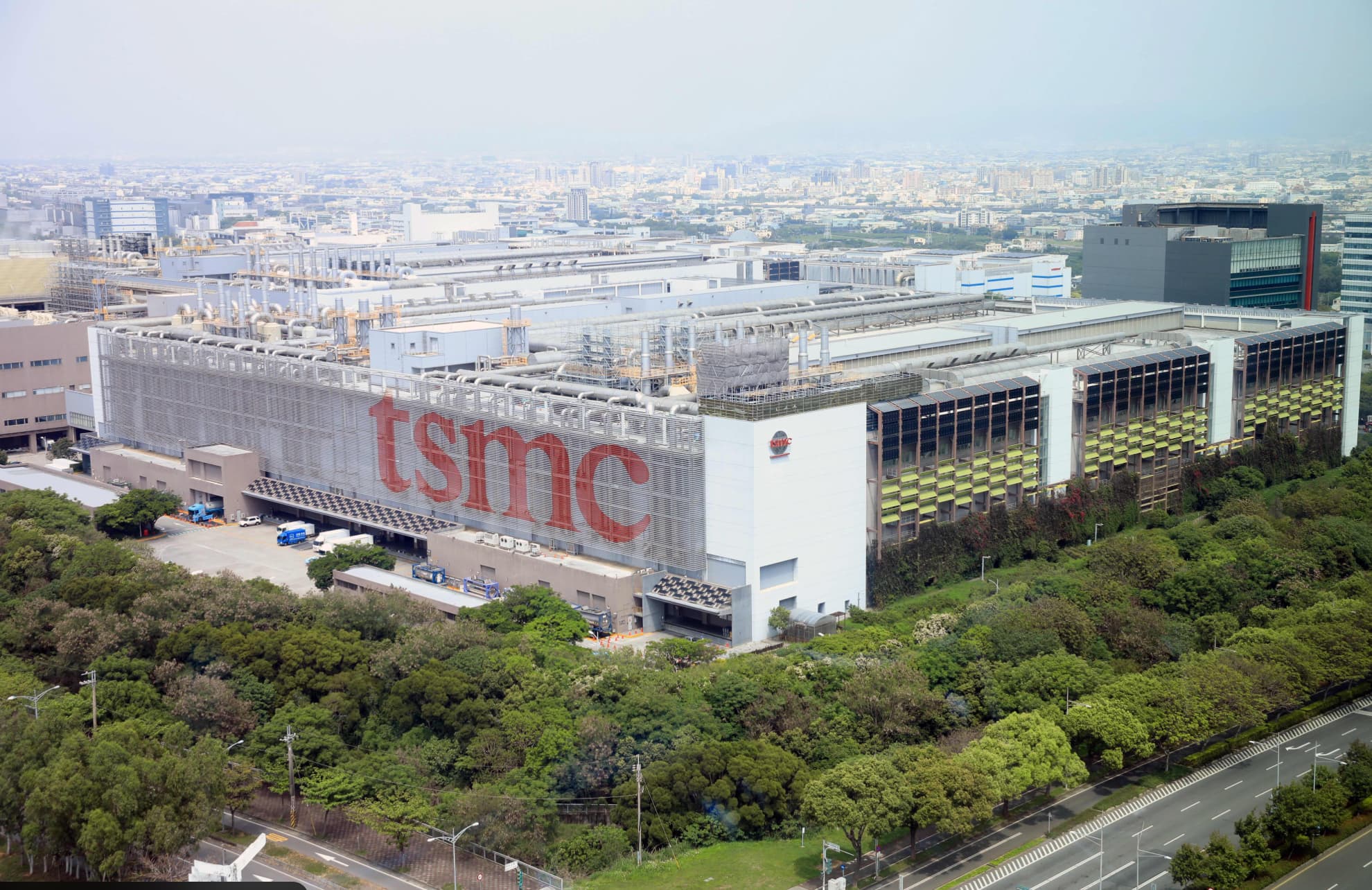
The broader semiconductor earnings context supports a beat. FactSet's Q2 2026 forecast calls for semiconductor industry earnings growth of 131% — the highest projected growth rate of any S&P 500 sector. TSMC's 77% profit surge reported last week, driven by 2nm and 3nm demand, established that end-market demand for advanced node chips is not slowing. Intel's 18A sits one process generation behind TSMC's cutting-edge 2nm but is now in confirmed mass production, which means the demand signals TSMC captured in Q2 are the same demand signals Intel's foundry is beginning to address in H2 2026 and into 2027.
The Risk Is the Reward — and One Number to Watch
The downside scenario is not trivial, and traders who have watched Intel disappoint on execution over the past four years are right to assign it non-negligible probability. A cautious data center outlook from management — even paired with an earnings beat — could be enough to push INTC lower in a sector already in bear market mode. If CEO Pat Gelsinger hedges on foundry client revenue ramp timing or signals that Panther Lake yield performance is not yet translating to server chip margins, the 33% MTD decline could extend toward the 40-45% range before stabilizing.
The high-bandwidth memory supply constraint adds a secondary risk layer. Producers including Micron have redirected HBM output toward data center customers, which benefits Intel's server chip demand but also means that any disruption to HBM supply chains — or any indication that Intel's server chip roadmap depends on HBM allocations not yet secured — could introduce uncertainty the market will punish immediately. IDC's warning that global smartphone volumes will fall 13% in 2026 is a direct headwind to Intel's client PC segment, the legacy business that management has been trying to deemphasize. If PC revenue disappoints more than expected while data center ramps slower than modeled, Thursday could get uncomfortable quickly.
The single number to watch on the call is foundry external revenue. Internal chip production keeps the lights on, but the bull thesis — and Susquehanna's $115 target — requires Intel Foundry to generate meaningful external customer revenue, not just consume capital. Any concrete figure on external foundry bookings, customer pipeline, or Nvidia/OpenAI contract terms would be the incremental data point that either validates the $115 target as achievable or exposes it as premature. Traders should set their alert for the Thursday post-close call and treat any gap above the $72 resistance level on Friday's open as confirmation that the foundry inflection is pricing in for real. Below $60 on a miss, the YTD gains evaporate to a range where long-term holders reassess the entire thesis.
The Weekly Investor
Daily market analysis for active traders. Free.